Water, the very essence of life, covers over 70% of our planet. It sustains ecosystems, nourishes agriculture, powers industries, and is fundamental to human health and well-being. Yet, this invaluable resource faces an insidious threat: water pollution. Far from being a distant problem, water pollution is a pervasive challenge that impacts every corner of the globe, transforming pristine waters into toxic landscapes and jeopardizing the delicate balance of life.
Understanding water pollution is not merely an academic exercise; it is a critical step towards safeguarding our future. This comprehensive guide delves into the complexities of water contamination, exploring its origins, diverse forms, devastating impacts, and the collective efforts required to restore the health of our aquatic environments.
What Exactly is Water Pollution?
At its core, water pollution occurs when harmful substances, chemicals, or microorganisms contaminate a body of water, degrading its quality and rendering it toxic to humans or the environment. This can include lakes, rivers, oceans, aquifers, and even groundwater. The pollutants can be natural, such as volcanic ash, but more often than not, they are a direct consequence of human activities.
Imagine a pristine mountain stream, its water clear and teeming with life. Now, picture that same stream after a heavy rain, carrying runoff from a nearby farm or an industrial discharge. The change in color, smell, and the sudden absence of aquatic life are stark indicators of pollution. It is a silent killer, often unseen until its effects become catastrophic.
Sources of the Problem: Where Does Contamination Begin?
Water pollution does not emerge from a single source; it is a complex tapestry woven from various human endeavors. Ecologists categorize these sources into two primary types: point source and nonpoint source pollution.
Point Source Pollution: The Identifiable Culprits
Point source pollution refers to contaminants that enter a waterway from a single, identifiable location. Think of a pipe discharging effluent from a factory, a sewage treatment plant, or a leaking oil tanker. These sources are relatively easy to pinpoint, monitor, and regulate because their origin is clear.
- Industrial Discharges: Factories often release treated or untreated wastewater containing a cocktail of chemicals, heavy metals, and other toxins directly into rivers or lakes.
- Sewage Treatment Plants: While designed to clean wastewater, even treated sewage can contain nutrients, pathogens, and trace chemicals if not processed effectively.
- Oil Spills: Accidents involving tankers or offshore drilling platforms can release vast quantities of oil, leading to immediate and devastating environmental damage.
Nonpoint Source Pollution: The Diffuse Threat
In contrast, nonpoint source pollution is much more challenging to control because it originates from diffuse areas and is carried into water bodies by rainfall or snowmelt runoff. It is the cumulative effect of many small sources spread across a landscape.
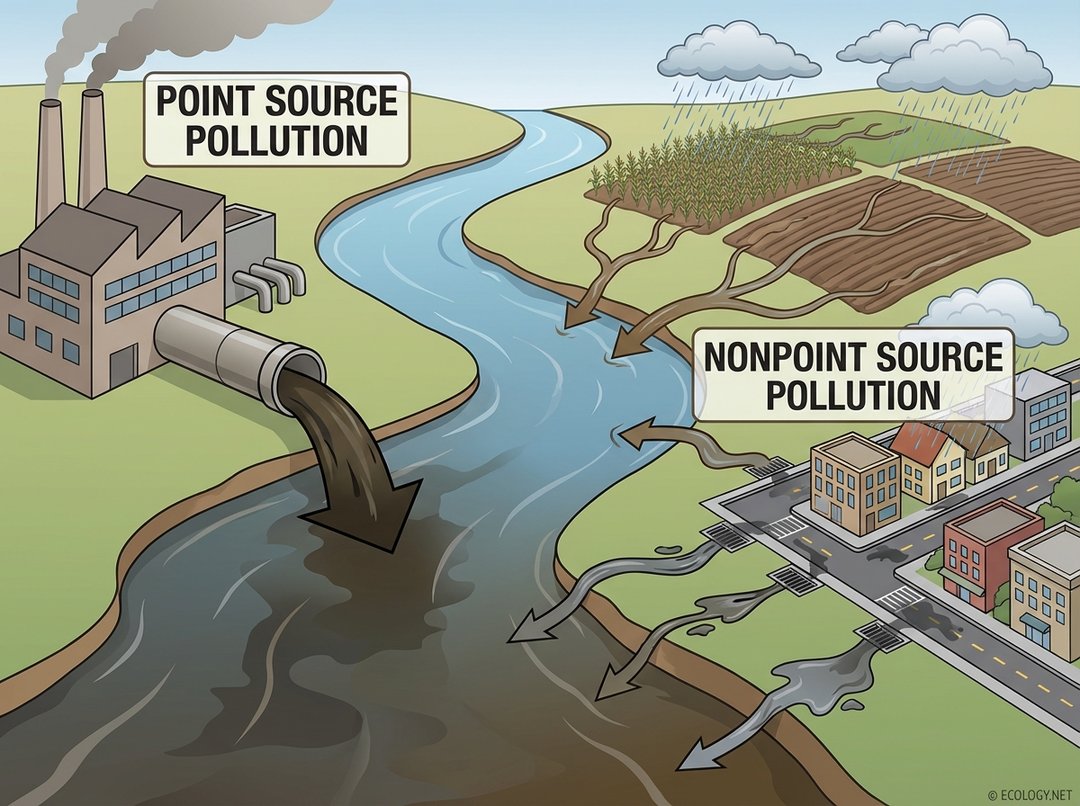
- Agricultural Runoff: Rain washes fertilizers, pesticides, and animal waste from farms into streams and rivers. These substances can lead to nutrient overload and chemical contamination.
- Urban Runoff: Stormwater flowing over streets, parking lots, and lawns picks up oil, grease, chemicals, pet waste, and litter, carrying them into storm drains that often lead directly to local waterways.
- Atmospheric Deposition: Air pollutants, such as sulfur dioxide and nitrogen oxides from industrial emissions and vehicle exhaust, can settle onto land or water, contributing to acid rain and other forms of water pollution.
- Construction Sites: Soil erosion from construction sites can lead to excessive sediment entering water bodies, clouding the water and harming aquatic life.
Types of Water Pollutants: The Unwanted Ingredients
The substances that contaminate water are incredibly diverse, each posing unique threats.
- Nutrients: Primarily nitrogen and phosphorus, often from agricultural fertilizers and sewage. While essential for life, an excess leads to eutrophication.
- Pathogens: Disease-causing microorganisms like bacteria, viruses, and parasites, typically from untreated sewage or animal waste. They cause illnesses such as cholera, typhoid, and dysentery.
- Chemical Pollutants:
- Pesticides and Herbicides: Used in agriculture, these chemicals can be highly toxic to aquatic life and humans.
- Industrial Chemicals: A vast array of synthetic compounds, solvents, and heavy metals (e.g., lead, mercury, cadmium) discharged from factories.
- Pharmaceuticals and Personal Care Products (PPCPs): Residues from medications, cosmetics, and detergents that enter water systems through wastewater.
- Heavy Metals: Naturally occurring elements that become pollutants when concentrated by human activities like mining, industrial processes, and improper waste disposal. They are highly toxic and can bioaccumulate.
- Sediment: Fine particles of soil, silt, and clay washed into water bodies from construction sites, deforested areas, or agricultural fields. Excess sediment can smother aquatic habitats and block sunlight.
- Plastics: From large debris like bottles and bags to microscopic particles (microplastics), plastics are persistent pollutants that harm wildlife and can enter the food chain.
- Thermal Pollution: The discharge of heated water from industrial processes, particularly power plants, into natural water bodies. This can decrease dissolved oxygen levels and stress aquatic organisms.
Ecological Consequences: When Water Suffers, Life Suffers
The impacts of water pollution ripple through ecosystems, often with devastating effects that extend far beyond the immediate point of contamination.
Algal Blooms and Dead Zones: The Silent Killers
One of the most visible and destructive consequences of nutrient pollution is the proliferation of algal blooms. When excess nitrogen and phosphorus enter a water body, they act as fertilizers, causing algae to grow rapidly and form dense mats on the surface. This phenomenon is known as eutrophication.
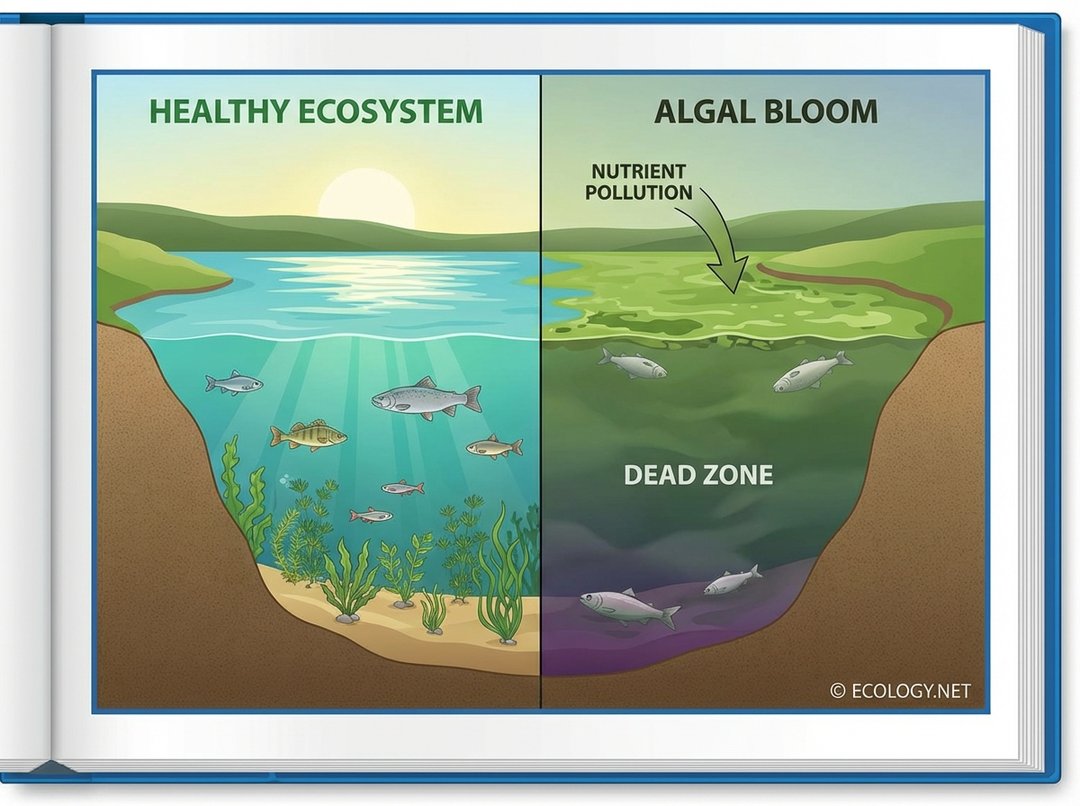
While alive, these algae block sunlight, killing submerged plants. When the algae eventually die, decomposers (bacteria) consume them, using up vast amounts of dissolved oxygen in the water. This creates hypoxic (low oxygen) or anoxic (no oxygen) conditions, leading to “dead zones” where most aquatic life, unable to breathe, perishes. Fish, crabs, and other organisms either flee the area or die, disrupting entire food webs.
Impact on Marine Life: A Tangible Tragedy
Marine ecosystems are particularly vulnerable to various forms of pollution. Plastic pollution, for instance, has become a global crisis.
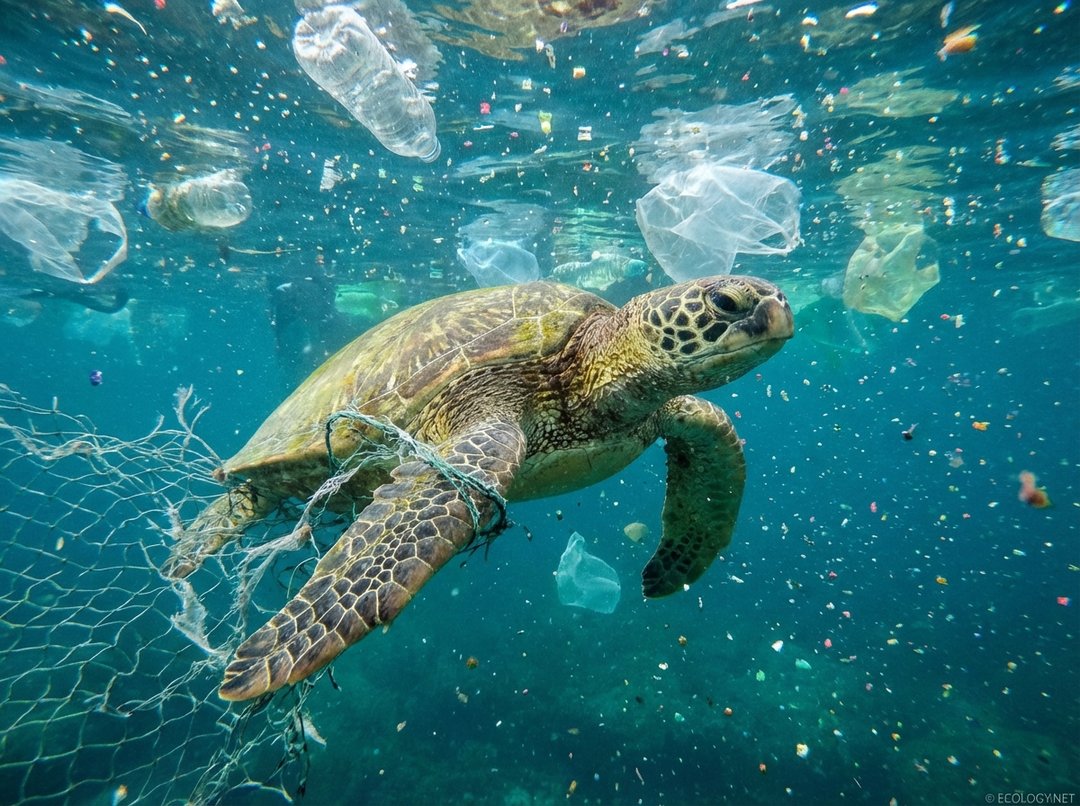
Marine animals often mistake plastic debris for food, leading to internal injuries, starvation, and blockages. Larger plastics, like discarded fishing nets, can entangle and drown marine mammals, sea turtles, and birds. Microplastics, tiny fragments less than 5 millimeters in size, are ingested by even the smallest organisms, working their way up the food chain and potentially impacting human health.
Chemical pollutants, such as heavy metals and persistent organic pollutants (POPs), can accumulate in the tissues of aquatic organisms, a process known as bioaccumulation. As these contaminated organisms are eaten by predators, the concentration of toxins increases at each trophic level, a phenomenon called biomagnification. This can lead to reproductive failure, immune system suppression, and death in top predators, including humans who consume contaminated seafood.
Disruption of Ecosystem Services
Healthy aquatic ecosystems provide invaluable services, such as water purification, flood control, and habitat for biodiversity. Pollution degrades these services, leading to a cascade of negative effects:
- Loss of Biodiversity: Many species are highly sensitive to changes in water quality, leading to population declines and even extinctions.
- Habitat Degradation: Sedimentation can smother coral reefs and seagrass beds, while chemical pollution can render habitats uninhabitable.
- Reduced Water Availability: Polluted water often requires extensive and costly treatment before it can be used for drinking, agriculture, or industry, effectively reducing the usable water supply.
Human Health Impacts: A Ripple Effect
The consequences of water pollution are not confined to the environment; they directly threaten human health and well-being.
- Waterborne Diseases: Contaminated drinking water is a major cause of diseases like cholera, typhoid, giardiasis, and dysentery, particularly in regions with inadequate sanitation infrastructure.
- Chemical Poisoning: Ingesting water or food contaminated with heavy metals, pesticides, or industrial chemicals can lead to a range of health problems, including neurological damage, kidney failure, cancer, and developmental issues in children.
- Bioaccumulation in Food: As discussed, toxins can accumulate in seafood, posing risks to human consumers, especially pregnant women and young children.
- Recreational Risks: Swimming or engaging in other water activities in polluted waters can lead to skin rashes, respiratory problems, and gastrointestinal illnesses.
Economic and Social Ramifications: Beyond the Environment
Water pollution carries significant economic and social costs that often go unnoticed but impact communities globally.
- Cost of Treatment: Cleaning up polluted water for drinking or industrial use is an expensive and energy-intensive process, driving up water utility costs.
- Impact on Industries: Fisheries suffer from declining fish stocks and contaminated catches. Tourism industries are hit hard when beaches are closed due to pollution or when recreational waters become unsafe.
- Agricultural Losses: Contaminated water can harm crops and livestock, leading to reduced yields and economic hardship for farmers.
- Social Injustice: Marginalized communities often bear a disproportionate burden of water pollution, as industrial facilities or waste disposal sites are frequently located near their neighborhoods, exacerbating health disparities.
Solutions and Prevention: Turning the Tide
Addressing water pollution requires a multi-faceted approach involving policy, technology, and individual responsibility. While the challenge is immense, effective solutions exist and are continually being developed.
Policy and Regulation: The Framework for Change
Strong environmental laws and regulations are foundational to pollution control. Examples like the Clean Water Act in the United States have significantly reduced point source pollution by setting standards for industrial discharges and wastewater treatment. International agreements are also crucial for addressing transboundary pollution and protecting shared water resources.
Wastewater Treatment Advancements
Modern wastewater treatment plants employ sophisticated processes to remove pollutants before water is discharged. These include:
- Primary Treatment: Physical removal of large solids.
- Secondary Treatment: Biological processes to break down organic matter.
- Tertiary Treatment: Advanced processes to remove nutrients, pathogens, and trace chemicals, often involving filtration, disinfection, and chemical precipitation.
Sustainable Practices: Reducing Pollution at the Source
- Sustainable Agriculture: Implementing practices like precision farming (applying fertilizers only where needed), cover cropping, riparian buffers (vegetated strips along waterways), and integrated pest management can significantly reduce agricultural runoff.
- Industrial Waste Reduction: Industries can adopt cleaner production technologies, recycle wastewater, and treat effluents more effectively before discharge.
- Urban Stormwater Management: Green infrastructure solutions, such as permeable pavements, rain gardens, and green roofs, help absorb and filter stormwater runoff, reducing the flow of pollutants into waterways.
- Proper Waste Management: Improving solid waste collection and recycling programs prevents litter and plastics from entering water bodies.
Individual Actions: Every Drop Counts
While large-scale efforts are vital, individual choices collectively make a significant difference:
- Reduce, Reuse, Recycle: Minimizing plastic consumption and properly disposing of waste prevents it from becoming pollution.
- Proper Disposal of Chemicals: Never pour chemicals, pharmaceuticals, or motor oil down drains or onto the ground. Utilize hazardous waste collection programs.
- Conserve Water: Reducing water usage lessens the burden on wastewater treatment plants and conserves freshwater resources.
- Support Sustainable Products: Choose eco-friendly cleaning products and support businesses committed to environmental responsibility.
- Participate in Cleanups: Join local river or beach cleanup initiatives to directly remove pollution from ecosystems.
Technological Innovations
New technologies are constantly emerging to combat water pollution:
- Bioremediation: Using microorganisms to break down pollutants in contaminated water or soil.
- Advanced Filtration: Nanotechnology and membrane filtration systems can remove even microscopic pollutants and pathogens.
- Remote Sensing: Satellite imagery and drones can monitor water quality over large areas, helping to identify pollution sources quickly.
The Future of Water: A Call to Action
Water pollution is a complex, multifaceted challenge that demands our immediate and sustained attention. From the visible plastic choking marine life to the invisible chemicals seeping into our groundwater, the threats are real and pervasive. However, the story of water pollution is not one of despair, but of opportunity for change.
By understanding the sources, types, and impacts of pollution, we empower ourselves to become part of the solution. Through informed policy, technological innovation, and a collective commitment to sustainable practices, it is possible to restore the health of our planet’s most vital resource. The future of water, and indeed the future of life on Earth, depends on the actions we take today to protect and preserve our precious aquatic environments.