In a world increasingly aware of its ecological footprint, a quiet revolution is taking root in gardens and farms alike: regenerative gardening. Far more than just a set of techniques, it is a holistic philosophy that seeks to work with nature, rather than against it, to restore and enhance the health of our planet’s most vital resource: soil. This approach moves beyond mere sustainability, aiming to actively regenerate degraded ecosystems, foster biodiversity, and even combat climate change by drawing carbon back into the earth.
Imagine a garden that not only yields bountiful harvests but also teems with life both above and below ground, requires fewer external inputs, and becomes more resilient with each passing season. This is the promise of regenerative gardening, a practice rooted in ancient wisdom and supported by modern ecological science. It is an invitation to transform your patch of earth into a vibrant, self-sustaining ecosystem.
The Four Pillars of Regenerative Gardening
At its heart, regenerative gardening is guided by a set of core principles designed to mimic natural ecosystems. These principles are interconnected, each supporting and amplifying the others to create a virtuous cycle of health and productivity.

- Minimize Soil Disturbance: This principle advocates for a no-dig or no-till approach, recognizing that the soil is a complex, living organism.
- Maximize Soil Cover: Keeping the soil surface covered with organic matter protects it from erosion, regulates temperature, and feeds soil life.
- Enhance Biodiversity: A diverse array of plants, insects, and microorganisms creates a robust and resilient ecosystem.
- Maintain Living Roots Year-Round: Continuous plant growth ensures a constant supply of food for soil microbes and helps build soil structure.
Let us delve deeper into each of these foundational principles.
Minimize Soil Disturbance: Nurturing the Soil Food Web
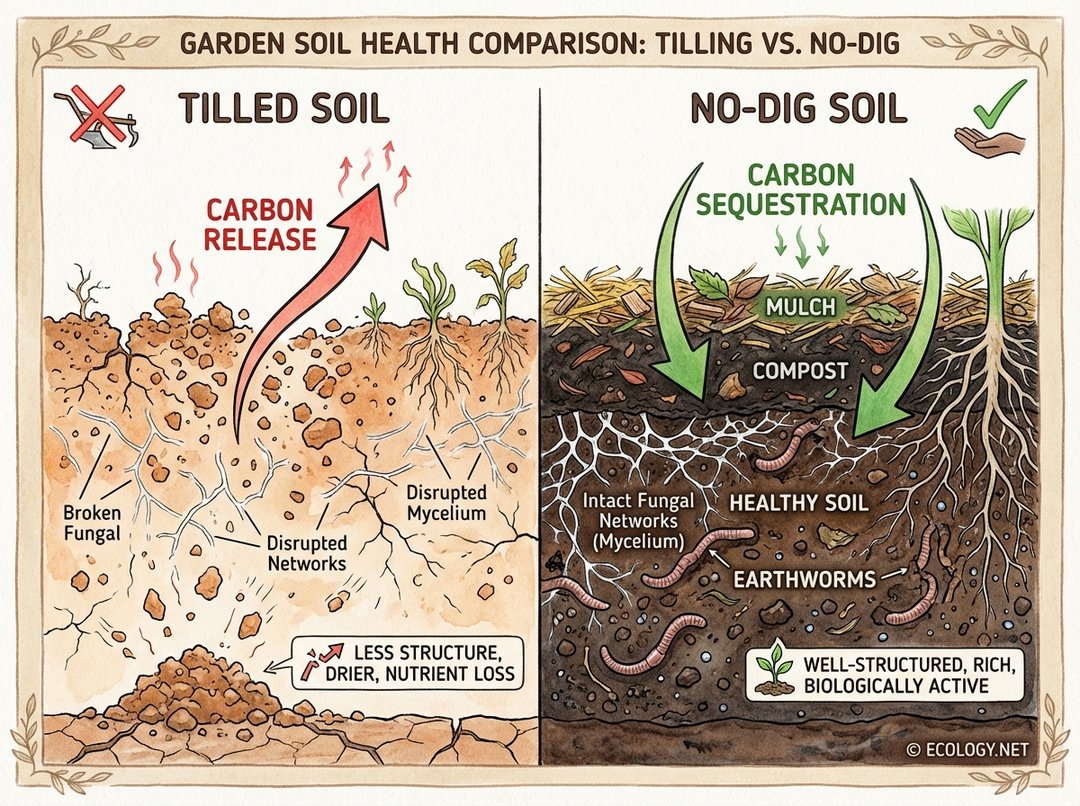
Perhaps the most fundamental shift in regenerative gardening is the move away from traditional tilling. For centuries, turning over soil was considered essential for preparing seedbeds and controlling weeds. However, modern ecological understanding reveals that this practice is highly disruptive to the intricate web of life beneath our feet.
Soil is not merely inert dirt; it is a bustling metropolis of microorganisms, fungi, bacteria, protozoa, nematodes, and earthworms, all working in concert to create a healthy environment for plants. Tilling acts like an earthquake in this delicate ecosystem, destroying fungal networks, disrupting soil structure, and exposing beneficial microbes to harsh conditions. This leads to compacted soil, reduced water infiltration, and the release of sequestered carbon into the atmosphere.
The regenerative approach, often called “no-dig” or “no-till,” involves building soil layers on top of existing ground. This method protects the soil food web, allowing mycorrhizal fungi to form extensive networks that transport water and nutrients to plant roots, and earthworms to tunnel, aerating the soil naturally. The result is a soil structure that is more resilient, retains moisture better, and supports healthier plant growth.
Maximize Soil Cover: The Earth’s Protective Blanket
In nature, bare soil is a rare sight. Forests are covered with leaf litter, and grasslands are blanketed by grasses and other plants. Regenerative gardening mimics this natural phenomenon by ensuring the soil surface is always covered, primarily with organic mulches or living plants.
The benefits of maximizing soil cover are manifold:
- Moisture Retention: A layer of mulch significantly reduces water evaporation from the soil, meaning less frequent watering is needed.
- Weed Suppression: Mulch acts as a physical barrier, preventing weed seeds from germinating and outcompeting desired plants.
- Temperature Regulation: It insulates the soil, keeping it cooler in summer and warmer in winter, protecting delicate root systems.
- Organic Matter Contribution: As mulch breaks down, it slowly adds organic matter to the soil, feeding microbes and improving soil structure.
- Erosion Control: Covered soil is protected from the erosive forces of wind and rain.
Common materials for soil cover include wood chips, straw, shredded leaves, grass clippings, and compost. Living cover crops, discussed further below, also play a crucial role in this principle.
Enhance Biodiversity: A Symphony of Life
Monocultures, where vast areas are dedicated to a single crop, are highly susceptible to pests and diseases. Regenerative gardening, by contrast, embraces biodiversity, recognizing that a diverse ecosystem is a resilient one. This means cultivating a wide variety of plants, encouraging beneficial insects, and fostering a rich microbial community in the soil.
Strategies for enhancing biodiversity include:
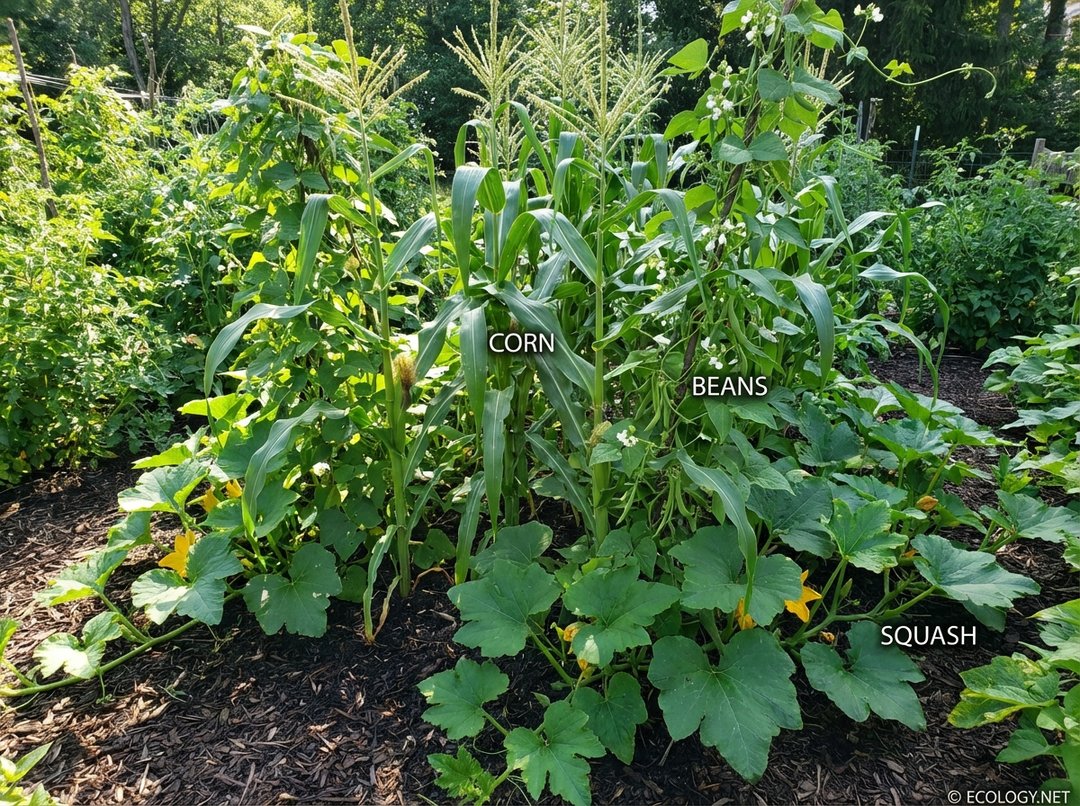
- Polyculture and Companion Planting: Growing multiple plant species together can create mutually beneficial relationships. For example, the classic “Three Sisters” garden of corn, beans, and squash is a prime example. Corn provides a stalk for beans to climb, beans fix nitrogen in the soil benefiting all three, and squash leaves provide ground cover, suppressing weeds and retaining moisture.
- Attracting Beneficial Insects: Planting flowers and herbs that provide nectar and pollen for pollinators and predatory insects can reduce the need for pesticides. Ladybugs, lacewings, and parasitic wasps are natural pest controllers.
- Diverse Crop Rotations: Changing the types of crops grown in a particular area each season helps break pest and disease cycles and balances nutrient uptake.
- Native Plants: Incorporating native plants supports local wildlife and ecosystems, often requiring less water and maintenance.
Maintain Living Roots Year-Round: The Soil’s Constant Feast
The presence of living roots in the soil is perhaps the most critical factor for building soil health. Plant roots exude sugars and other compounds, known as exudates, which are a primary food source for soil microorganisms. These microbes, in turn, make nutrients available to plants and help build stable soil aggregates, improving soil structure.
When soil is left bare after a harvest, the microbial community starves, and the soil structure can degrade. Regenerative gardeners ensure that roots are always in the ground through practices such as:
- Cover Cropping: Planting non-cash crops like clover, vetch, or rye during off-seasons. These “green manures” protect the soil, add organic matter when tilled in (though in regenerative systems, they are often crimped or chopped and dropped to avoid tilling), and feed soil microbes.
- Perennial Plants: Incorporating perennial vegetables, fruits, and herbs whose roots remain in the ground year after year.
- Succession Planting: Continuously planting new crops as others are harvested, ensuring a constant cycle of growth.
Living roots are the engine of the soil carbon pump. Through photosynthesis, plants capture atmospheric carbon dioxide and transfer a significant portion of that carbon into the soil via their roots and associated microbial communities. This process, known as carbon sequestration, is a powerful tool in mitigating climate change.
The Profound Benefits of Regenerative Gardening
Embracing regenerative principles yields a cascade of benefits, extending far beyond the garden gate.
Healthier, More Productive Soil
The most immediate and tangible benefit is the transformation of soil. Regenerative practices build rich, dark, crumbly soil teeming with life. This soil has superior water retention, aeration, and nutrient cycling, leading to healthier, more resilient plants and increased yields over time.
Increased Resilience to Climate Extremes
Gardens with healthy, regeneratively managed soil are better equipped to withstand the challenges of a changing climate. Their enhanced water retention makes them more drought-tolerant, while improved drainage prevents waterlogging during heavy rains. The diverse ecosystems fostered also make them less susceptible to widespread pest and disease outbreaks.
Reduced Need for External Inputs
As soil health improves, the garden becomes more self-sufficient. The need for synthetic fertilizers diminishes as natural nutrient cycles are restored. Pesticides become largely unnecessary as beneficial insects and a balanced ecosystem keep pests in check. This not only saves money but also reduces the environmental impact associated with chemical production and application.
Carbon Sequestration: Gardening for the Planet
Perhaps the most significant ecological impact of regenerative gardening is its capacity to draw carbon out of the atmosphere and store it in the soil. Healthy soil, rich in organic matter, is a massive carbon sink. Every percentage point increase in soil organic matter can mean tons of carbon sequestered per acre. By actively building soil, gardeners become part of the solution to climate change.
Enhanced Ecosystem Services
Regenerative gardens contribute to a broader healthy ecosystem. They support pollinators, provide habitat for wildlife, filter water, and prevent soil erosion. They become vibrant hubs of ecological activity, benefiting not just the gardener but the entire local environment.
Getting Started with Regenerative Gardening
Embarking on a regenerative gardening journey does not require an overhaul of your entire garden overnight. It is a process of observation, learning, and gradual implementation.
- Start Small: Choose a small bed or a section of your garden to convert to no-dig. Observe the changes and learn from your experiences.
- Prioritize Mulch: Begin by consistently covering your bare soil with organic mulch. This single step will initiate many positive changes.
- Compost, Compost, Compost: Composting your kitchen and garden waste provides a continuous supply of nutrient-rich organic matter to feed your soil.
- Introduce Diversity: Experiment with companion planting or adding a variety of flowers and herbs to attract beneficial insects.
- Observe and Learn: Pay close attention to your soil, your plants, and the wildlife in your garden. Nature is the best teacher.
Regenerative gardening is not about perfection, but about progress. It is a continuous journey of fostering life, building resilience, and reconnecting with the fundamental processes that sustain all life on Earth.
A Future Rooted in Regeneration
Regenerative gardening offers a compelling vision for the future: one where our food systems and landscapes actively heal the planet. It is a powerful reminder that every gardener, no matter the size of their plot, holds the potential to make a profound positive impact. By nurturing the soil, we nurture ourselves, our communities, and the intricate web of life that sustains us all. Embrace the principles of regeneration, and watch your garden, and perhaps even the world, transform.