Understanding Mass Extinction: Earth’s Most Dramatic Chapters of Life Loss
Imagine a world where the vibrant tapestry of life unravels at an alarming, unprecedented pace. This is the stark reality of a mass extinction event, a phenomenon that has reshaped our planet’s biological landscape multiple times throughout its long history. Far from the everyday ebb and flow of species, mass extinctions represent catastrophic periods where a significant portion of Earth’s biodiversity vanishes in a geologically brief span. Understanding these profound events is not merely an academic exercise; it offers critical insights into the fragility of life and the powerful forces that can drive its disappearance, including, perhaps, our own actions today.
What Exactly is a Mass Extinction?
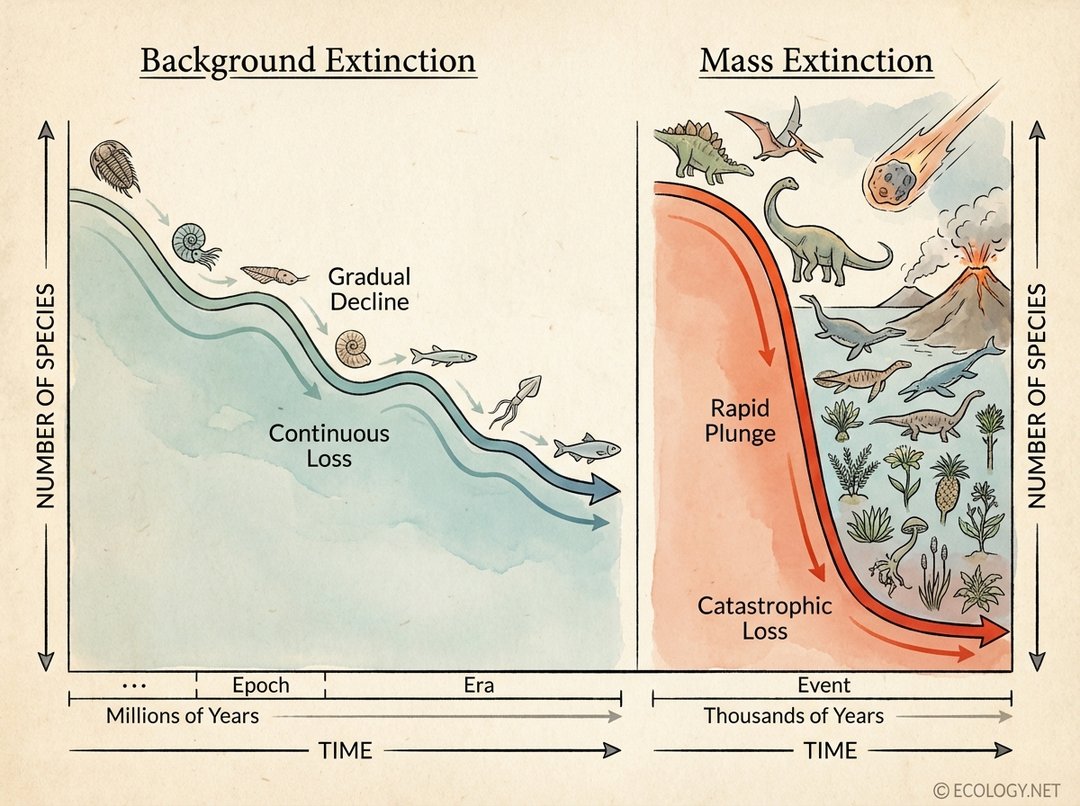
To truly grasp the gravity of a mass extinction, it is essential to distinguish it from the more common, ongoing process known as background extinction. Background extinction is the normal rate at which species disappear over time due to localized environmental changes, competition, or evolutionary failures. It is a continuous, relatively slow process, a natural part of evolution where some species fade as others emerge.
A mass extinction, however, is an entirely different beast. It is defined by several key characteristics:
- Magnitude of Loss: A significant percentage of species, often 75% or more, across many different taxonomic groups, are wiped out. This is not just a regional event but a global catastrophe.
- Speed of Loss: The extinctions occur over a geologically short period, typically hundreds of thousands to a few million years. While this may sound long to human ears, it is a blink of an eye in Earth’s 4.5-billion-year history.
- Broad Impact: The events affect a wide range of ecosystems and life forms, from marine invertebrates to terrestrial vertebrates and plants.
Think of background extinction as a steady trickle of water from a faucet, while a mass extinction is a dam bursting, unleashing a devastating flood. This visual distinction helps clarify the fundamental difference between the normal rate of species loss and the accelerated, catastrophic loss characteristic of a mass extinction event.
Earth’s Catastrophic Chapters: The ‘Big Five’ Mass Extinctions
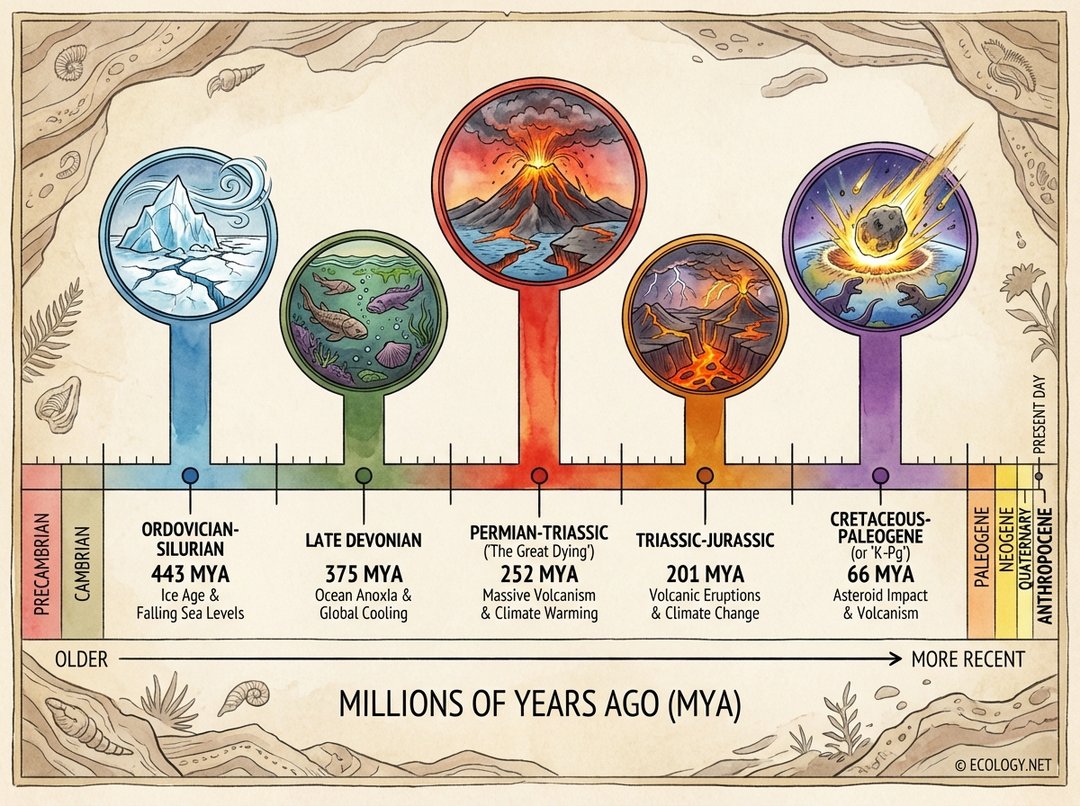
Throughout Earth’s history, scientists have identified five major mass extinction events, often referred to as the “Big Five.” Each of these events left an indelible mark on the planet, fundamentally altering the course of evolution and paving the way for new forms of life to emerge. These are not merely dates on a calendar but pivotal moments that reshaped the biosphere.
Let us explore these monumental events:
- The Ordovician-Silurian Extinction (Approximately 443 MYA): This event, occurring around 443 million years ago, primarily affected marine life, which was almost exclusively what existed at the time. It is believed to have been caused by two pulses of extinction linked to dramatic global cooling and glaciation, followed by rapid warming and sea-level rise. Up to 85% of marine species, including many brachiopods, trilobites, and graptolites, perished.
- The Late Devonian Extinction (Approximately 375 MYA): Spanning several million years around 375 million years ago, this extinction event saw a prolonged period of biodiversity loss, particularly impacting reef-building organisms and bottom-dwelling marine species. The exact cause is debated but likely involved a combination of factors such as ocean anoxia (lack of oxygen), rapid climate change, and possibly massive volcanic eruptions.
- The Permian-Triassic Extinction (Approximately 252 MYA): Often dubbed “The Great Dying,” this was the most severe mass extinction event in Earth’s history, occurring about 252 million years ago. An astonishing 96% of all marine species and 70% of terrestrial vertebrate species were wiped out. The primary suspect is massive volcanic activity in Siberia, leading to extreme global warming, ocean acidification, and widespread anoxia. This event fundamentally reset the evolutionary clock.
- The Triassic-Jurassic Extinction (Approximately 201 MYA): Around 201 million years ago, this event marked the end of the Triassic period and opened the door for dinosaurs to dominate the Jurassic. It eliminated about half of all species, including many large amphibians and non-dinosaurian reptiles. Extensive volcanic eruptions associated with the breakup of the supercontinent Pangea are considered the leading cause, releasing vast amounts of greenhouse gases and triggering rapid climate change.
- The Cretaceous-Paleogene (K-Pg) Extinction (Approximately 66 MYA): Perhaps the most famous mass extinction, occurring 66 million years ago, this event brought an end to the reign of the non-avian dinosaurs. It also devastated many other groups, including ammonites and large marine reptiles. The widely accepted cause is the impact of a massive asteroid near what is now the Yucatán Peninsula, triggering widespread fires, tsunamis, and a “nuclear winter” effect that plunged the planet into darkness and cold.
What Causes Mass Extinctions?
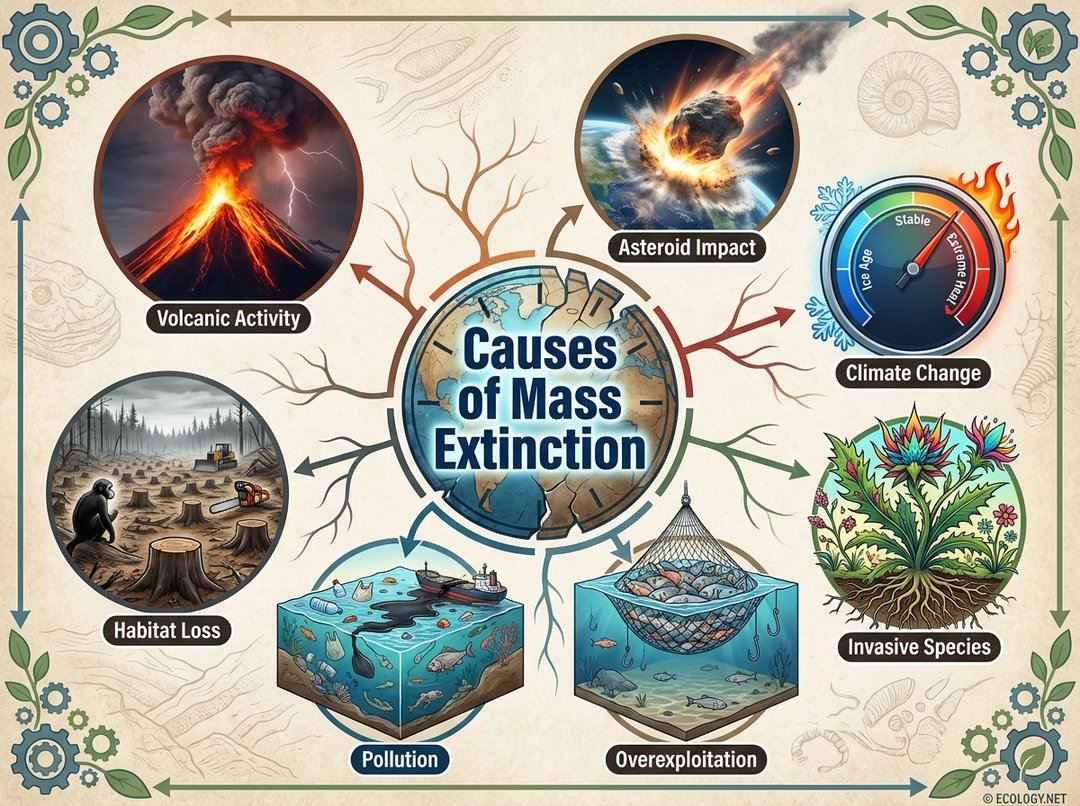
The forces behind mass extinctions are often complex and multifaceted, involving a confluence of environmental stressors. While each of the “Big Five” has its unique story, common themes emerge regarding the ultimate drivers. These can broadly be categorized into natural phenomena and, increasingly in recent times, human-induced pressures.
Natural Drivers of Extinction
- Volcanic Activity: Enormous volcanic eruptions, such as those that formed the Siberian Traps or the Central Atlantic Magmatic Province, can release vast quantities of greenhouse gases, aerosols, and toxic chemicals into the atmosphere. This leads to rapid global warming or cooling, ocean acidification, and widespread anoxia, as seen in the Permian-Triassic and Triassic-Jurassic events.
- Asteroid Impacts: The collision of large extraterrestrial objects with Earth can cause immediate, devastating effects like tsunamis, earthquakes, and widespread fires. More critically, the impact can eject massive amounts of dust and aerosols into the atmosphere, blocking sunlight, causing a global winter, and disrupting photosynthesis, as exemplified by the K-Pg extinction.
- Climate Change: Rapid and extreme shifts in global temperature, whether warming or cooling, can push species beyond their physiological limits. This can lead to habitat loss, changes in food availability, and disruption of reproductive cycles. Examples include the glaciation events linked to the Ordovician-Silurian extinction.
- Ocean Anoxia: A significant reduction or complete absence of oxygen in large parts of the ocean can be lethal to marine life. This can be triggered by rapid warming, increased nutrient runoff, or changes in ocean circulation patterns.
- Sea Level Fluctuations: Major rises or falls in sea level can dramatically alter coastal and shallow marine habitats, leading to widespread habitat loss and species displacement.
The Human Impact: Are We Witnessing a Sixth Mass Extinction?
While the “Big Five” were driven by natural geological and astronomical forces, many scientists now argue that Earth is entering, or is already in the midst of, a sixth mass extinction event. This modern crisis is unique because its primary driver is a single species: Homo sapiens. The scale and speed of current species loss are alarming, far exceeding background extinction rates.
The human-driven causes are diverse and interconnected:
- Habitat Loss and Fragmentation: As human populations grow, natural landscapes are converted for agriculture, urbanization, and infrastructure. Forests are cleared, wetlands drained, and grasslands plowed, destroying the homes of countless species and isolating remaining populations, making them more vulnerable to extinction.
- Pollution: Industrial and agricultural activities release a vast array of pollutants into the environment. Chemical runoff contaminates water bodies, plastic waste chokes oceans, and air pollution impacts ecosystems globally. These toxins can directly kill organisms, disrupt their physiology, or degrade their habitats.
- Overexploitation: The unsustainable harvesting of species for food, timber, medicine, or the pet trade can decimate populations faster than they can reproduce. Overfishing, illegal wildlife trade, and excessive logging are prime examples of this pressure.
- Invasive Species: Humans inadvertently or intentionally introduce non-native species into new ecosystems. Without natural predators or competitors, these invasive species can outcompete native flora and fauna, disrupt food webs, and introduce diseases, leading to the decline or extinction of indigenous species.
- Anthropogenic Climate Change: Human activities, primarily the burning of fossil fuels, have released unprecedented amounts of greenhouse gases into the atmosphere, leading to rapid global warming. This human-induced climate change is causing sea-level rise, more frequent extreme weather events, ocean acidification, and shifts in species ranges, pushing many towards extinction. Coral reefs, for instance, are particularly vulnerable to warming and acidification.
The current rate of extinction is estimated to be hundreds to thousands of times higher than the background rate. This rapid decline in biodiversity across all major groups of life, from insects to mammals, paints a grim picture, suggesting that the planet is indeed undergoing a profound biological transformation driven by human activity.
The Ripple Effect: Why Mass Extinctions Matter
The loss of species is not merely a reduction in numbers; it represents a fundamental unraveling of the intricate web of life. Mass extinctions have profound and long-lasting consequences for the planet and, ultimately, for humanity.
- Loss of Biodiversity: The most immediate and obvious impact is the irreversible loss of unique life forms. Each species represents millions of years of evolution and carries unique genetic information that could hold solutions to future challenges, from new medicines to resilient crops.
- Disruption of Ecosystems: Ecosystems are complex systems where each species plays a role. The removal of key species, such as pollinators, predators, or decomposers, can trigger cascading effects, leading to the collapse of entire ecosystems and the services they provide.
- Loss of Ecosystem Services: Healthy ecosystems provide invaluable services that underpin human well-being. These include clean air and water, fertile soil, pollination of crops, regulation of climate, and protection from natural disasters. Mass extinctions degrade these services, impacting food security, water availability, and human health.
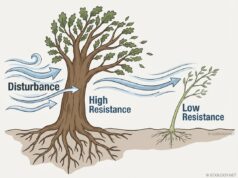
- Reduced Resilience: Ecosystems with high biodiversity are generally more resilient to disturbances and environmental changes. The loss of species reduces this resilience, making the remaining ecosystems more vulnerable to future shocks.
Looking Ahead: Preventing Future Catastrophes
While the scale of the challenge is immense, understanding mass extinctions also empowers us with the knowledge to act. Preventing a full-blown sixth mass extinction, or at least mitigating its severity, requires a concerted global effort.
- Conservation Efforts: Protecting critical habitats, establishing national parks and protected areas, and implementing species recovery programs are vital. This includes efforts to combat poaching and illegal wildlife trade.
- Sustainable Practices: Shifting towards sustainable agriculture, forestry, and fishing practices can reduce habitat destruction and overexploitation. Promoting circular economies and reducing waste are also crucial.
- Policy Changes: Strong environmental policies, international agreements, and effective enforcement are necessary to regulate pollution, protect endangered species, and manage natural resources responsibly.
- Addressing Climate Change: A rapid transition away from fossil fuels to renewable energy sources, coupled with efforts to reduce carbon emissions, is paramount to stabilize the global climate and prevent further warming and ocean acidification.
- Individual Actions: Every individual can contribute by making conscious choices in consumption, supporting sustainable businesses, advocating for environmental protection, and educating others about the importance of biodiversity.
The story of mass extinctions is a powerful reminder of the dynamic and sometimes brutal history of life on Earth. While past events were driven by cosmic impacts and geological upheavals, the current crisis is largely of our own making. Recognizing our profound impact also gives us the unique capacity to change course. By understanding the mechanisms of extinction and valuing the irreplaceable richness of biodiversity, humanity has the opportunity to write a different, more hopeful chapter for the future of life on our planet.