The Silent Threat Beneath Our Feet: Understanding Soil Pollution
Imagine the ground beneath you as the Earth’s vital skin, teeming with life and essential for nearly everything that sustains us. This intricate network of minerals, organic matter, water, air, and countless organisms is the foundation of our ecosystems, growing our food, filtering our water, and supporting biodiversity. But what happens when this crucial layer becomes tainted? This is the story of soil pollution, a silent and often unseen threat with far-reaching consequences for our planet and our health.
Soil pollution, also known as soil contamination, refers to the presence of toxic chemicals, pollutants, or contaminants in the soil in concentrations high enough to pose a risk to human health or the ecosystem. These contaminants can be naturally occurring but are most often introduced by human activities, altering the soil’s natural composition and disrupting its delicate balance. Unlike air or water pollution, which are often visible, soil pollution can be insidious, slowly accumulating over time without immediate obvious signs, making it a particularly challenging environmental issue.
Common Culprits: Sources of Soil Pollution
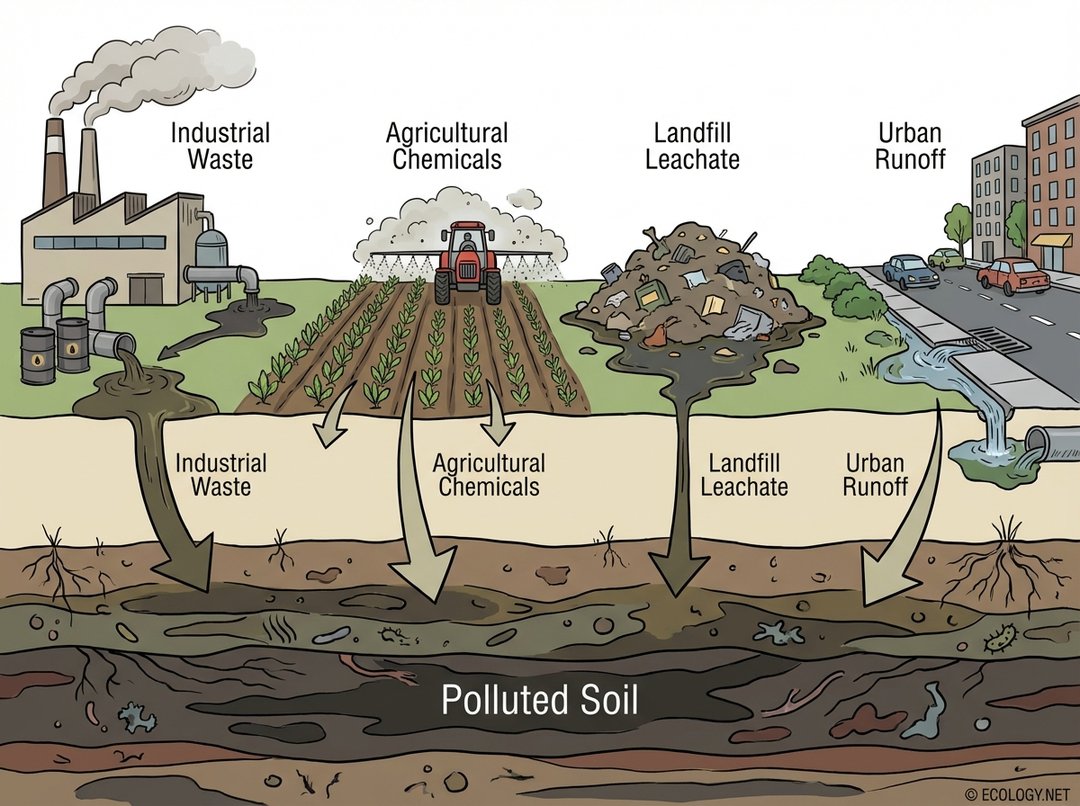
Understanding where these harmful substances come from is the first step in addressing the problem. Soil pollution is a complex issue with multiple origins, primarily stemming from various human activities that introduce unwanted chemicals into the ground. These sources are diverse, ranging from large-scale industrial operations to everyday urban practices.
Industrial Waste
Factories and industrial facilities are significant contributors to soil contamination. Manufacturing processes often generate hazardous byproducts, including heavy metals like lead, mercury, and cadmium, as well as organic pollutants such as polychlorinated biphenyls (PCBs) and dioxins. If not properly treated and disposed of, these wastes can seep into the soil from industrial sites, storage areas, or even through atmospheric deposition from factory emissions. For instance, former industrial sites, often called brownfields, frequently harbor high levels of these toxic substances, rendering the land unusable or requiring extensive cleanup.
Agricultural Chemicals
Modern agriculture, while essential for feeding a growing population, relies heavily on synthetic pesticides, herbicides, and fertilizers. While designed to protect crops and boost yields, these chemicals can have unintended consequences. Pesticides, for example, can persist in the soil for years, accumulating and affecting soil microorganisms, beneficial insects, and eventually entering the food chain. Excessive use of nitrogen and phosphorus fertilizers can also lead to nutrient imbalances in the soil, and their runoff can carry pollutants into water bodies, further exacerbating environmental problems.
Landfill Leachate and Urban Waste
Our ever-growing cities produce vast amounts of waste. Landfills, while designed to contain this waste, are not always impenetrable. As rain filters through decomposing garbage, it creates a toxic liquid known as leachate. This leachate can contain a cocktail of harmful substances, including heavy metals, organic compounds, and pathogens. If landfill liners are compromised or if waste is improperly managed, this leachate can seep into the surrounding soil and groundwater, spreading contamination. Additionally, illegal dumping and littering in urban areas contribute directly to localized soil pollution.
Urban Runoff
Rainfall in urban areas washes over streets, parking lots, and other impervious surfaces, picking up a variety of pollutants before flowing into green spaces or drainage systems. This urban runoff can carry oil and grease from vehicles, heavy metals from tire wear and industrial activities, pet waste, and various chemicals used in landscaping. These pollutants are then deposited into the soil of parks, gardens, and other natural areas, contributing to a gradual accumulation of contaminants.
The Ripple Effect: Impacts of Soil Pollution
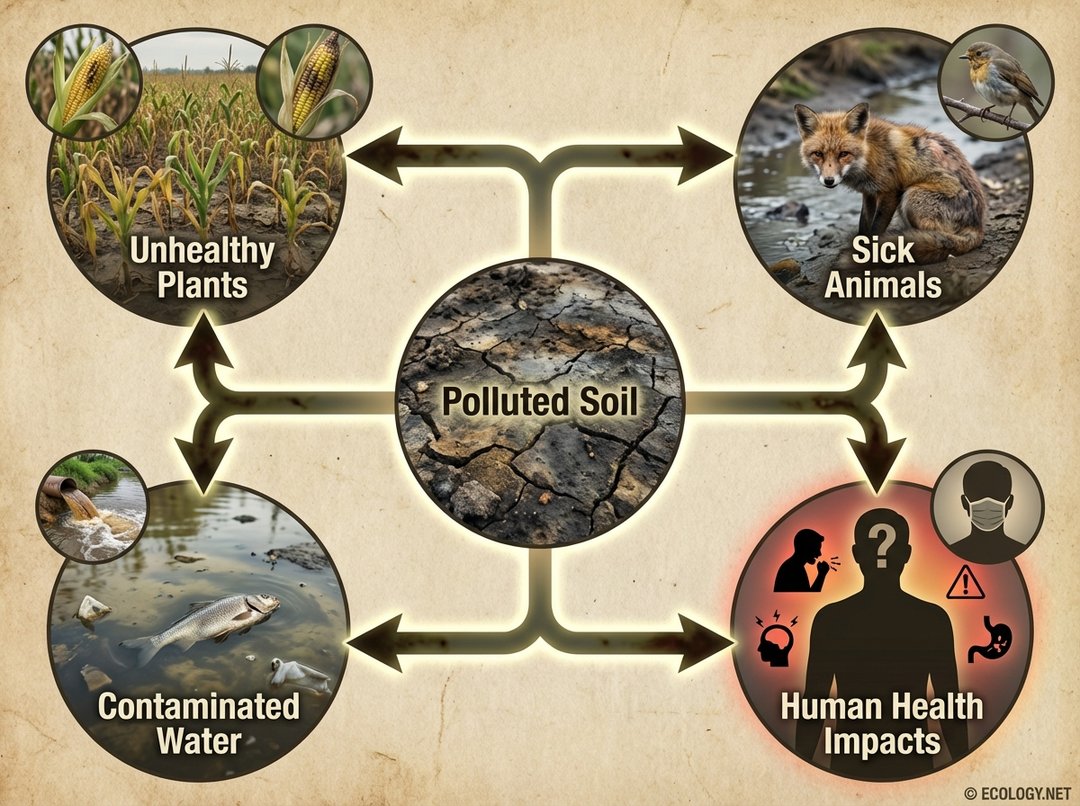
The consequences of soil pollution extend far beyond the immediate contaminated site. Like ripples spreading across a pond, the effects cascade through ecosystems, impacting plants, animals, water resources, and ultimately, human health. Understanding this ripple effect highlights the urgency of addressing soil contamination.
Unhealthy Plants and Food Security
Polluted soil directly harms plant life. Toxic substances can inhibit plant growth, reduce crop yields, and even lead to plant death. Heavy metals, for instance, can be absorbed by plant roots, making the plants unhealthy and potentially rendering them unsafe for consumption by humans or animals. This directly threatens food security, as contaminated agricultural land becomes less productive or produces tainted crops. Imagine a field of stunted, discolored vegetables, unable to provide the nourishment intended, all because the soil beneath them is poisoned.
Sick Animals and Ecosystem Disruption
Animals that live in or feed from polluted soil are also at risk. Earthworms, insects, and small mammals can ingest contaminants directly from the soil or by consuming contaminated plants. These toxins can cause illness, reproductive problems, or even death. As these animals become part of the food chain, the pollutants can move up to larger predators, leading to widespread ecosystem disruption. For example, birds of prey might suffer from consuming rodents that have accumulated pesticides from contaminated fields.
Contaminated Water Resources
Soil acts as a natural filter, but when it is overloaded with pollutants, it can no longer perform this function effectively. Instead, contaminants can leach from the soil into groundwater, which is a primary source of drinking water for many communities. Pollutants can also be carried by surface runoff into rivers, lakes, and oceans, contaminating aquatic ecosystems and affecting fish and other marine life. This means that soil pollution can directly contribute to water pollution, creating a double environmental burden.
Human Health Impacts
The most concerning ripple effect is the impact on human health. People can be exposed to soil pollutants in several ways:
- Direct contact: Children playing in contaminated soil can ingest it or absorb toxins through their skin.
- Inhalation: Volatile pollutants can evaporate from the soil into the air, or contaminated dust can be inhaled.
- Food chain: Consuming crops grown in polluted soil or eating animals that have accumulated toxins from their environment.
- Contaminated water: Drinking groundwater that has been polluted by soil leachate.
The health effects can range from acute poisoning to chronic diseases, including developmental problems, neurological disorders, kidney damage, and various forms of cancer, depending on the type and concentration of the pollutant.
Digging Deeper: The Science Behind the Spread
To truly grasp the gravity of soil pollution, it is essential to understand the scientific processes that govern how pollutants behave in the environment. Two critical concepts are bioaccumulation and biomagnification, which explain how toxins become more concentrated as they move through the food web.
Persistence and Mobility of Pollutants
Not all pollutants are created equal. Some, like certain heavy metals or persistent organic pollutants (POPs), are highly stable and can remain in the soil for decades or even centuries without breaking down. This persistence means they pose a long-term threat. Additionally, pollutants can be mobile, meaning they can move through the environment. They can leach downwards through the soil profile into groundwater, be carried away by surface runoff into rivers, or even volatilize into the atmosphere, spreading contamination far from the original source.
Bioaccumulation: The Buildup Within an Organism
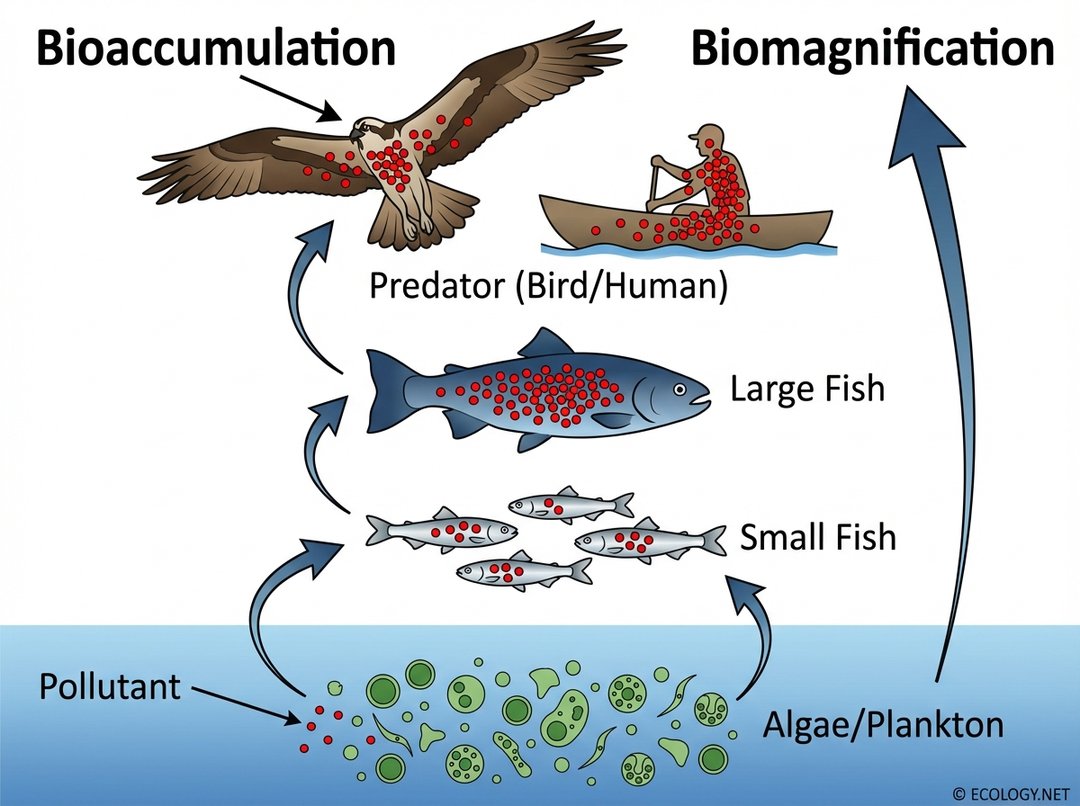
Bioaccumulation refers to the gradual accumulation of substances, such as pesticides or other chemicals, in an organism. This happens when an organism absorbs a toxic substance at a rate faster than it can excrete or metabolize it. Over its lifetime, the concentration of the pollutant within the organism’s tissues can become significantly higher than the concentration in the surrounding environment. For example, a small fish living in water with trace amounts of mercury might accumulate mercury in its body over time, even if the water itself is not considered highly polluted.
Biomagnification: Increasing Concentration Up the Food Chain
Biomagnification takes bioaccumulation a step further. It describes the process by which the concentration of a pollutant increases as it moves up through successive trophic levels in a food chain. When a predator consumes prey that has bioaccumulated a pollutant, the predator ingests all the accumulated toxins from multiple prey organisms. Because energy is lost at each trophic level, a predator needs to consume many prey items to survive, thereby concentrating the pollutant to much higher levels in its own body. This means that organisms at the top of the food chain, such as large predatory fish, birds of prey, or humans, often bear the highest burden of these toxins.
For example, imagine a tiny amount of a persistent pesticide in the soil. Microscopic organisms absorb it (bioaccumulation). Small fish eat many of these organisms, accumulating more of the pesticide. Larger fish then eat many small fish, concentrating the pesticide even further. Finally, a predatory bird or a human consumes many large fish, resulting in a dangerously high concentration of the pesticide in their system, far exceeding the initial environmental levels.
Types of Soil Pollutants
The array of substances that can contaminate soil is vast, but they can generally be categorized based on their chemical nature and origin:
- Heavy Metals: These include lead, mercury, cadmium, arsenic, chromium, and zinc. They are often byproducts of industrial activities, mining, and improper waste disposal. Heavy metals are persistent, non-biodegradable, and highly toxic to living organisms.
- Pesticides and Herbicides: Chemicals used in agriculture to control pests and weeds. Examples include DDT (now largely banned but persistent), glyphosate, and organophosphates. Many of these can persist in the soil, affecting non-target organisms and entering the food chain.
- Petroleum Hydrocarbons: Compounds found in crude oil and refined petroleum products. Spills from oil pipelines, storage tanks, or vehicle accidents can severely contaminate soil, making it infertile and toxic.
- Industrial Chemicals: A broad category including solvents, polychlorinated biphenyls (PCBs), dioxins, and furans. These are often highly toxic, persistent, and can have severe health impacts.
- Salts: Excessive irrigation in arid regions can lead to the accumulation of salts in the soil, a process called salinization. While naturally occurring, human activities can exacerbate it, making the soil unsuitable for most crops.
- Radioactive Substances: Though less common, radioactive isotopes from nuclear accidents, waste disposal, or mining can contaminate soil, posing long-term health risks due to radiation exposure.
- Pathogens: Untreated sewage and animal waste can introduce harmful bacteria, viruses, and parasites into the soil, posing risks to human and animal health.
Solutions and Prevention: Protecting Our Earth’s Skin
Addressing soil pollution requires a multi-faceted approach, combining prevention, remediation, and sustainable practices. It is a global challenge that demands action from governments, industries, communities, and individuals.
Sustainable Agricultural Practices
Shifting towards sustainable agriculture is crucial. This includes:
- Organic farming: Reducing or eliminating the use of synthetic pesticides and fertilizers.
- Crop rotation: Improving soil health and reducing pest pressure naturally.
- Precision agriculture: Using technology to apply fertilizers and pesticides only where and when needed, minimizing excess.
- Integrated Pest Management (IPM): Employing a combination of biological, cultural, physical, and chemical tools to manage pests in an environmentally sound manner.
Proper Waste Management
Effective waste management is paramount. This involves:
- Reducing waste: Minimizing consumption and promoting reuse.
- Recycling and composting: Diverting waste from landfills.
- Safe disposal of hazardous waste: Ensuring industrial and household hazardous wastes are treated and disposed of in specialized facilities to prevent leakage.
- Landfill improvements: Implementing advanced liner systems and leachate collection and treatment systems in landfills.
Industrial Regulations and Cleaner Technologies
Governments must enforce strict regulations on industrial emissions and waste disposal. Industries, in turn, need to adopt cleaner production technologies, minimize waste generation, and treat their effluents before discharge. Investing in research and development for less toxic alternatives to current industrial chemicals is also vital.
Bioremediation and Phytoremediation
For already contaminated sites, innovative cleanup technologies offer hope.
- Bioremediation: Uses microorganisms (bacteria, fungi) to break down or detoxify pollutants in the soil. These natural processes can transform harmful chemicals into less toxic substances.
- Phytoremediation: Employs plants to extract, stabilize, or degrade contaminants from the soil. Certain plants can absorb heavy metals through their roots, effectively cleaning the soil.
These biological methods are often more environmentally friendly and cost-effective than traditional excavation and disposal.
Public Awareness and Individual Actions
Educating the public about the dangers of soil pollution empowers individuals to make informed choices. Simple actions can collectively make a big difference:
- Disposing of household chemicals, paints, and motor oil properly, not down the drain or in the trash.
- Composting organic waste at home.
- Choosing organic produce and supporting sustainable farming practices.
- Reducing overall consumption and waste generation.
Conclusion
Soil pollution is a complex and pervasive environmental challenge, often hidden from plain sight but with profound implications for our planet’s health and our own well-being. From industrial smokestacks to agricultural fields, and from urban landfills to city streets, human activities are continuously introducing harmful substances into the very foundation of our ecosystems. The ripple effects are undeniable, threatening food security, harming wildlife, contaminating water, and posing serious risks to human health through bioaccumulation and biomagnification.
However, the story of soil pollution is not one of despair, but of opportunity. By understanding its sources and impacts, we can collectively work towards solutions. Embracing sustainable agriculture, implementing robust waste management systems, enforcing stringent industrial regulations, and investing in innovative remediation technologies are all crucial steps. Ultimately, protecting our soil means protecting our future. It is a call to action for everyone to recognize the silent threat beneath our feet and to become stewards of this invaluable resource, ensuring a healthy, fertile Earth for generations to come.