Unveiling the Hydrosphere: Earth’s Dynamic Water World
Imagine a world without water. It is a stark, lifeless vision, isn’t it? From the deepest ocean trenches to the highest wisps of clouds, water is an omnipresent force, shaping our planet and sustaining all known life. This incredible, interconnected system of water in all its forms is what scientists call the hydrosphere. Far more than just a collection of water bodies, the hydrosphere is a dynamic, living entity, constantly in motion and profoundly influencing Earth’s climate, geology, and biology. Understanding the hydrosphere is not just for scientists; it is crucial for anyone who seeks to comprehend the intricate workings of our home planet and appreciate the vital resource that water truly is.
What Makes Up the Hydrosphere?
The hydrosphere encompasses all the water on Earth, whether it is liquid, solid, or gaseous. It is a vast and diverse system, distributed across various reservoirs. To truly grasp its scale, let us break down its primary components:
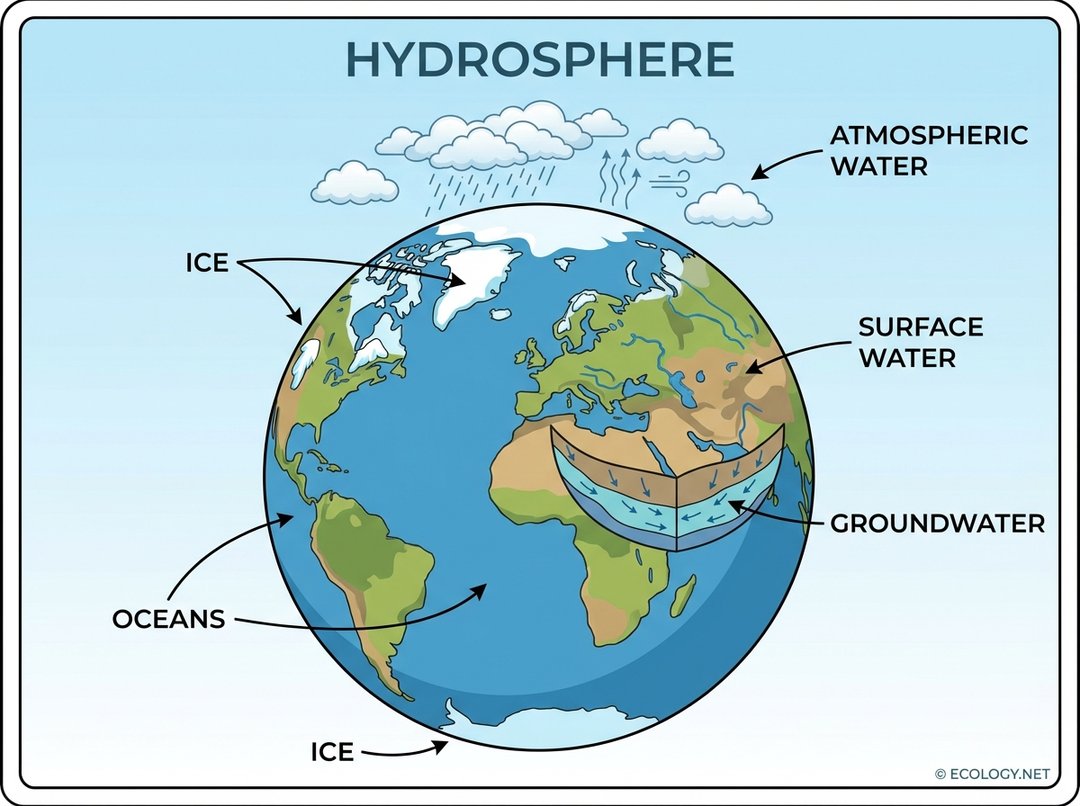
- Oceans: These colossal bodies of saltwater represent the largest component of the hydrosphere, holding approximately 97% of all Earth’s water. The Pacific, Atlantic, Indian, Southern, and Arctic Oceans are not merely vast expanses; they are critical regulators of global climate, massive carbon sinks, and home to an astonishing array of biodiversity. Their immense volume and depth make them a cornerstone of planetary stability.
- Ice: In its solid form, water is locked away in glaciers, ice caps, and sea ice, primarily in the polar regions and high mountain ranges. This frozen reservoir, though a smaller percentage of total water, plays a significant role in reflecting solar radiation, influencing sea levels, and providing freshwater storage. Antarctica’s ice sheet alone contains about 90% of the world’s freshwater ice.
- Groundwater: Hidden beneath the Earth’s surface, groundwater saturates porous rock formations and soil, forming vast aquifers. This often-overlooked component is a critical source of freshwater for human consumption, agriculture, and industry, especially in arid regions. It moves slowly through the ground, sometimes emerging as springs or feeding rivers and lakes.
- Surface Water: This category includes all the freshwater visible on the Earth’s surface, such as rivers, lakes, streams, and wetlands. While a relatively small fraction of the total hydrosphere, surface water is immensely important for ecosystems, human settlements, and transportation. From the mighty Amazon River to the Great Lakes of North America, these bodies of water are hubs of biological activity.
- Atmospheric Water: Water vapor, clouds, and precipitation suspended in the atmosphere constitute this gaseous component. Though a tiny fraction of the total hydrosphere at any given moment, atmospheric water is the engine of the water cycle, facilitating the global distribution of water and influencing weather patterns. Clouds, for instance, are visible manifestations of atmospheric water, crucial for precipitation.
The Water Cycle: Hydrosphere in Motion
The hydrosphere is anything but static. Its various components are constantly interacting and exchanging water through a continuous, planet-spanning process known as the water cycle, or hydrological cycle. This cycle is the fundamental mechanism by which water moves around, above, and within the Earth, driven primarily by solar energy and gravity.
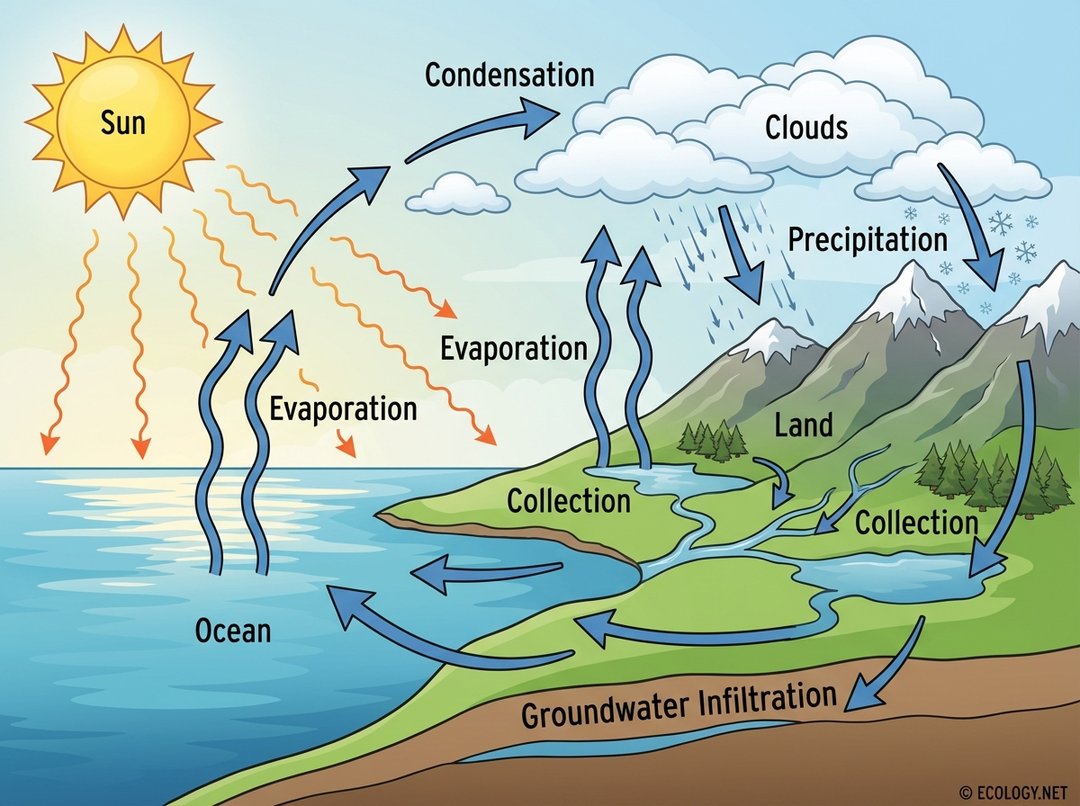
Let us trace the journey of a water molecule through this remarkable cycle:
- Evaporation: The sun’s energy heats water on the Earth’s surface, particularly in oceans, lakes, and rivers. This heat causes liquid water to transform into water vapor, a gas, which then rises into the atmosphere. Plants also contribute to this process through transpiration, releasing water vapor from their leaves.
- Condensation: As water vapor rises higher into the atmosphere, it cools. This cooling causes the vapor to change back into tiny liquid water droplets or ice crystals, which clump together to form clouds. Think of the steam rising from a hot cup of tea and forming tiny droplets on a cold surface; it is a similar principle on a grand scale.
- Precipitation: When these clouds become saturated with water droplets or ice crystals, they release the water back to Earth in various forms, including rain, snow, sleet, or hail. This is how water returns from the atmosphere to the land and oceans.
- Collection and Runoff: Once precipitation reaches the Earth’s surface, it can follow several paths. Some water soaks into the ground, becoming groundwater. Other water flows over the land as surface runoff, eventually collecting in streams, rivers, and lakes, which then carry it back to the oceans. Snow and ice can store water for extended periods before melting and contributing to runoff.
This continuous loop ensures that water is constantly recycled and redistributed across the planet, making it available for ecosystems and human use, albeit not always in the desired quantity or quality.
The Hydrosphere and Life: A Vital Connection
The existence of life on Earth is inextricably linked to the hydrosphere. Water is not just a habitat; it is an essential ingredient for all biological processes. From the smallest microbe to the largest whale, every living organism depends on water for survival.
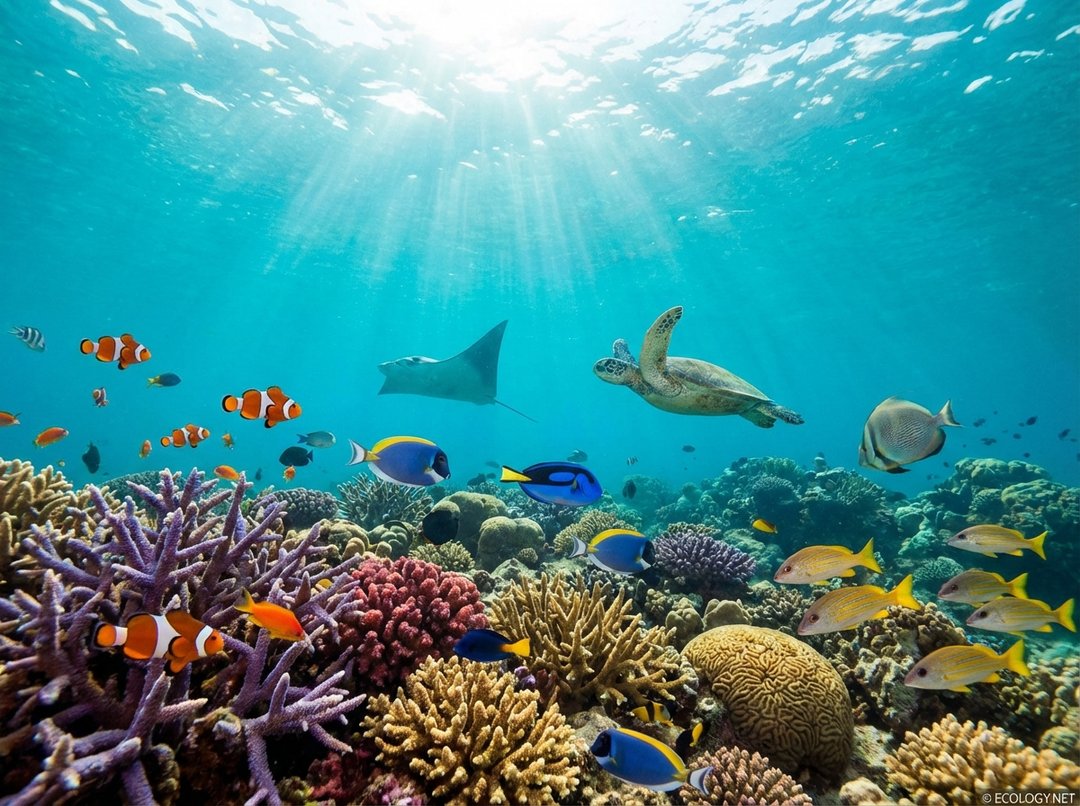
Consider the incredible diversity of aquatic ecosystems. Oceans, with their vastness and depth, host an astonishing array of life, from microscopic plankton that form the base of the food web to magnificent marine mammals. Coral reefs, often called the “rainforests of the sea,” are vibrant underwater cities teeming with colorful fish, invertebrates, and algae, all dependent on specific water temperatures, salinity, and clarity. Freshwater ecosystems, such as rivers and lakes, support unique communities of fish, amphibians, insects, and plants, each adapted to their specific aquatic environments.
Even terrestrial life, far from the direct embrace of oceans or rivers, relies heavily on the hydrosphere. Plants absorb water from the soil, using it for photosynthesis and structural support. Animals drink water to regulate body temperature, transport nutrients, and eliminate waste. Human civilization itself has always flourished near reliable water sources, using water for drinking, sanitation, agriculture, and industry. The delicate balance of the hydrosphere directly impacts food security, public health, and economic stability worldwide.
Beyond the Basics: Deeper Dive into Hydrosphere Dynamics
For those curious to delve further, the hydrosphere’s influence extends into more complex planetary systems, affecting everything from global climate to geological formations.
Climate Regulation
The oceans, as the largest component of the hydrosphere, play a monumental role in regulating Earth’s climate. They act as a massive heat sink, absorbing vast amounts of solar radiation and distributing heat around the globe through intricate ocean currents. The thermohaline circulation, often referred to as the “global conveyor belt,” is a system of deep-ocean currents driven by differences in water temperature and salinity. This conveyor belt transports warm water from the tropics towards the poles and cold water back towards the equator, significantly influencing regional climates and weather patterns. Without this oceanic heat distribution, many parts of the world would experience far more extreme temperature fluctuations.
Geological Impact
Water is also a powerful geological agent, constantly reshaping the Earth’s surface. Through processes like erosion and weathering, water breaks down rocks and transports sediment. Rivers carve out canyons, glaciers sculpt valleys, and waves relentlessly pound coastlines, altering landscapes over millennia. The deposition of these sediments forms new landforms, such as deltas and floodplains, and contributes to the formation of sedimentary rocks. The hydrosphere is thus a key player in the ongoing geological evolution of our planet.
Human Impact and Conservation
Despite its vastness, the hydrosphere is not immune to human activities. Pollution, over-extraction, and climate change pose significant threats to its health and the services it provides.
- Pollution: Industrial waste, agricultural runoff containing pesticides and fertilizers, and plastic debris contaminate both freshwater and marine environments, harming ecosystems and human health. The accumulation of microplastics in oceans, for instance, is a growing concern, impacting marine life at all levels.
- Over-extraction: The increasing demand for freshwater, particularly for agriculture and urban populations, leads to the depletion of groundwater aquifers and surface water bodies. This can result in land subsidence, saltwater intrusion into freshwater sources, and ecosystem collapse.
- Climate Change: Global warming directly impacts the hydrosphere. Rising temperatures cause glaciers and ice caps to melt at an accelerated rate, contributing to sea-level rise and threatening coastal communities. Warmer ocean waters lead to coral bleaching, disrupt marine ecosystems, and can intensify extreme weather events like hurricanes and droughts, altering the water cycle’s delicate balance.
Understanding these impacts is the first step towards responsible stewardship. Sustainable water management practices, pollution reduction, and efforts to mitigate climate change are essential for preserving the integrity of the hydrosphere for future generations.
A World of Water, A Call to Action
The hydrosphere is a magnificent and complex system, fundamental to the very existence of our planet and all its inhabitants. From the microscopic dance of water molecules in the atmosphere to the grand sweep of ocean currents, every aspect of the hydrosphere is interconnected and vital. It is a source of life, a regulator of climate, and a sculptor of landscapes.
By appreciating the intricate workings of the hydrosphere and recognizing its immense value, we can foster a deeper sense of responsibility towards its protection. Every drop of water tells a story of planetary processes, and by understanding these stories, we empower ourselves to make informed choices that safeguard this invaluable resource for the health of our planet and all who call it home.