Our planet is a tapestry of life, intricately woven over millennia. Each species plays a role in its native ecosystem, a delicate balance shaped by evolution. However, human activity has dramatically altered this natural order, often inadvertently introducing species to new environments where they can become ecological disruptors. Understanding these “introduced species” is crucial for safeguarding biodiversity and maintaining healthy ecosystems worldwide.
The Journey from Native to Invasive: A Critical Distinction
To grasp the significance of introduced species, it is essential to define a few key terms:
- Native Species: These are organisms that naturally occur in a particular region or ecosystem, having evolved there over time without human intervention. They are an integral part of their local food webs and ecological processes.
- Introduced Species: Also known as non-native, alien, or exotic species, these are organisms transported by human activity, intentionally or accidentally, into a region outside their natural range. Not all introduced species cause harm.
- Established Species: An introduced species becomes established when it successfully reproduces and maintains a self-sustaining population in its new environment without human assistance.
- Invasive Species: This is the critical stage. An invasive species is an introduced species that not only establishes itself but also spreads aggressively, causing significant ecological, economic, or human health harm. They often outcompete native species, alter habitats, or disrupt ecosystem functions.
The progression from an innocent introduction to an ecological threat is a journey with profound consequences.

How Do Species Get Introduced? Human Pathways and Global Connections
The vast majority of species introductions are a direct or indirect consequence of human activities. Our interconnected world, with its extensive trade, travel, and development, provides countless opportunities for species to hitchhike or be deliberately moved across geographical barriers.
Accidental Introductions: Unintended Consequences
Many invasive species arrive as stowaways, often unnoticed until it is too late:
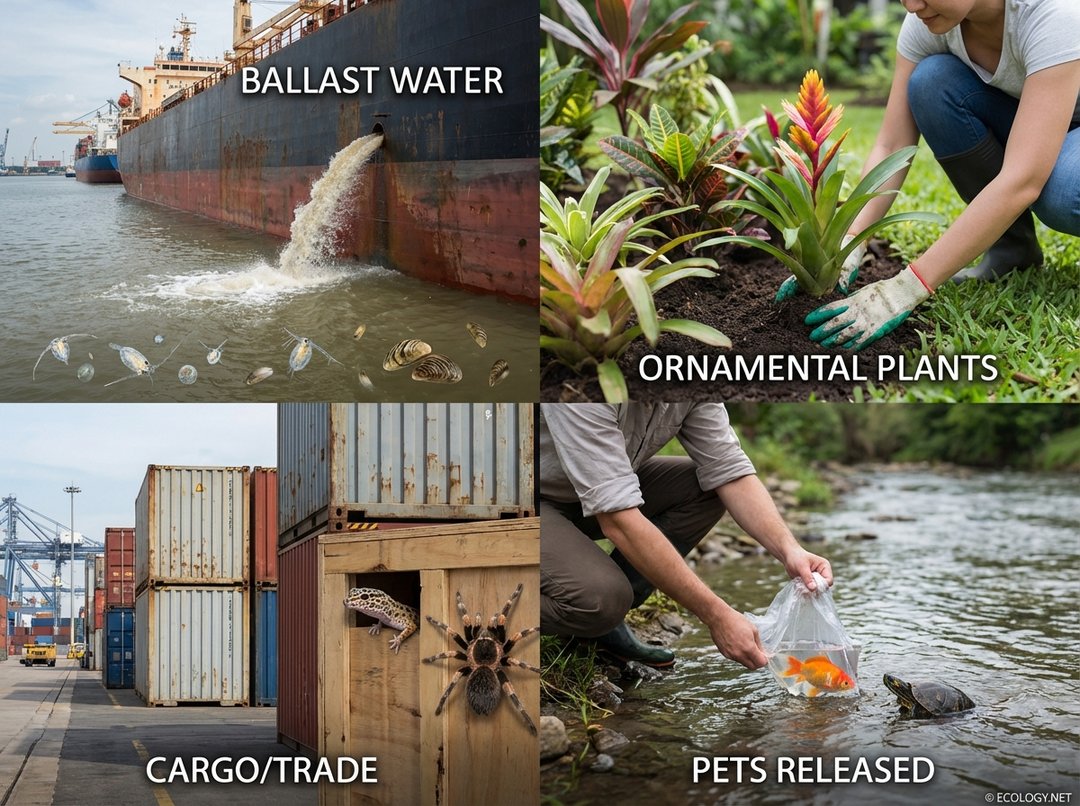
- Ballast Water: Ships take on ballast water in one port to maintain stability and discharge it in another, often thousands of miles away. This water can contain a vast array of marine organisms, from microscopic plankton to fish larvae and even adult invertebrates like zebra mussels.
- Cargo and Trade: Goods shipped around the globe can harbor insects, seeds, fungi, and even small rodents. The emerald ash borer, a devastating beetle, arrived in North America in wood packing materials from Asia.
- Contaminated Produce and Soil: Agricultural products, nursery stock, and even the soil clinging to imported plants can carry pests, pathogens, and weed seeds.
- Travel and Tourism: People can unknowingly transport seeds on their clothing or shoes, or insects in their luggage, to new destinations.
Intentional Introductions: Good Intentions, Bad Outcomes
Sometimes, species are introduced deliberately, often with what seemed like good intentions at the time:
- Ornamental Plants: Many popular garden plants are non-native. While beautiful, some escape cultivation and become invasive, like kudzu or multiflora rose.
- Agricultural and Aquaculture Species: Non-native crops and livestock are staples of global food production. However, some, like certain fish species introduced for aquaculture, can escape and outcompete native fish or introduce diseases.
- Biological Control: In an attempt to control a pest, another non-native species (a natural enemy) might be introduced. This can sometimes backfire, with the control agent itself becoming a pest or harming non-target native species.
- Pets Released: When exotic pets grow too large, too aggressive, or simply unwanted, some owners release them into the wild. Burmese pythons in the Florida Everglades are a stark example of the devastating impact this can have.
Why Do Some Introduced Species Become Invasive?
Not every introduced species becomes invasive. Many fail to establish, while others integrate harmlessly into their new environments. However, a select few possess characteristics that allow them to thrive and dominate:
- Lack of Natural Enemies: In their native range, species are kept in check by predators, parasites, and diseases. In a new environment, these natural controls are often absent, allowing the introduced species to reproduce unchecked.
- High Reproductive Rates: Many invasive species are prolific breeders, producing numerous offspring quickly, which allows their populations to explode.
- Rapid Growth and Dispersal: The ability to grow quickly and spread seeds, spores, or offspring over wide areas gives invaders an edge.
- Broad Environmental Tolerances: Adaptable species that can tolerate a wide range of environmental conditions (temperature, soil types, water availability) are more likely to establish in diverse new habitats.
- Competitive Advantage: Invasive species often outcompete native species for resources like light, water, nutrients, or space. They might grow faster, tolerate poorer conditions, or even produce chemicals that inhibit the growth of native plants.
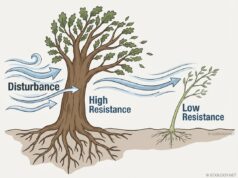
- Disturbed Ecosystems: Habitats already stressed by pollution, habitat loss, or climate change are often more vulnerable to invasion, as native species may be weakened and less able to resist new competitors.
The Far-Reaching Impacts of Invasive Species
The consequences of invasive species are profound and multifaceted, affecting ecosystems, economies, and human well-being.
Ecological Impacts: Reshaping Nature
Invasive species are considered one of the leading causes of biodiversity loss globally, second only to habitat destruction. Their ecological impacts include:
- Competition: Invasive plants can outcompete native plants for light and nutrients, while invasive animals can outcompete native animals for food and nesting sites. For example, the gray squirrel, introduced to the UK, outcompetes the native red squirrel for food and also carries a squirrel pox virus that is lethal to red squirrels.
- Predation: Invasive predators can decimate native prey populations that have not evolved defenses against them. The brown tree snake, accidentally introduced to Guam, has driven many native bird species to extinction.
- Habitat Alteration: Some invasive species physically change the structure and function of ecosystems. They can alter fire regimes, nutrient cycling, water availability, and soil composition.
- Disease Transmission: Introduced species can carry pathogens or parasites that are harmless in their native range but devastating to native species in a new environment.
- Hybridization: Invasive species can sometimes interbreed with closely related native species, leading to hybridization that dilutes the genetic integrity of the native population.
One of the most visually striking examples of habitat alteration is the kudzu vine.

Originally introduced to the United States in the late 19th century for erosion control and as an ornamental plant, kudzu has earned the moniker “the vine that ate the South.” Its incredibly rapid growth smothers native vegetation, trees, and even buildings, blocking sunlight and ultimately killing the plants beneath. This dramatically alters forest ecosystems, reducing biodiversity and impacting wildlife that relies on native plants.
Economic Impacts: A Costly Problem
The economic costs associated with invasive species are staggering, running into billions of dollars annually worldwide. These costs arise from:
- Agricultural Losses: Invasive weeds, pests, and diseases reduce crop yields and livestock productivity.
- Fisheries Decline: Invasive aquatic species can decimate native fish populations, impacting commercial and recreational fishing industries.
- Infrastructure Damage: Invasive plants can clog waterways, damage roads, and interfere with power lines. Zebra mussels, for instance, clog water intake pipes for power plants and municipal water systems.
- Management and Control: Significant resources are spent on detecting, controlling, and eradicating invasive species.
- Tourism and Recreation: Degraded natural areas due to invasive species can reduce tourism revenue and recreational opportunities.
Human Health Impacts: Direct and Indirect Threats
Invasive species can also pose direct and indirect threats to human health:
- Disease Vectors: Some invasive species are vectors for human diseases. For example, certain invasive mosquito species can transmit diseases like West Nile virus or Zika virus.
- Allergens: Invasive plants like ragweed can exacerbate allergies in human populations.
- Toxins: Certain invasive species can introduce toxins into the environment or food chain. The cane toad, introduced to Australia, is highly toxic and has poisoned native predators.
Preventing and Managing the Spread of Introduced Species
Addressing the challenge of introduced and invasive species requires a multi-pronged approach, focusing on prevention, early detection, and effective management.
Prevention: The First Line of Defense
The most effective and cost-efficient strategy is to prevent introductions in the first place:
- Stricter Regulations and Enforcement: Robust laws governing the import of plants, animals, and goods, coupled with rigorous inspection at borders, are crucial.
- Ballast Water Management: International regulations require ships to exchange ballast water in the open ocean or treat it to kill organisms before discharge.
- Public Awareness and Education: Educating the public about the risks of releasing pets, planting non-native species, or transporting firewood can significantly reduce accidental introductions. Campaigns like “Don’t Let It Loose” or “Buy Local, Burn Local” are vital.
- Horticultural Industry Responsibility: Promoting the use of native plants and discouraging the sale of known invasive ornamentals.
Early Detection and Rapid Response (EDRR)
If an introduced species does arrive, detecting it early and responding quickly can prevent it from becoming established and invasive:
- Monitoring Programs: Regular surveys of vulnerable areas, such as ports, wetlands, and natural parks, can help identify new introductions.
- Citizen Science: Engaging the public in reporting unusual sightings can provide valuable early warnings.
- Rapid Eradication: If a new introduction is detected, immediate and aggressive action to remove or destroy the population can be successful before it spreads widely.
Control and Management: Living with Invasives
Once an invasive species is widespread, eradication becomes extremely difficult or impossible. Management then focuses on control to mitigate its impacts:
- Mechanical Control: Physical removal, such as hand-pulling invasive weeds, trapping animals, or constructing barriers.
- Chemical Control: The use of herbicides for plants or pesticides for insects, applied carefully to minimize harm to native species and the environment.
- Biological Control: Introducing a specific natural enemy from the invasive species’ native range. This is a complex strategy requiring extensive research to ensure the control agent does not itself become invasive or harm non-target species.
- Habitat Restoration: After controlling invasive species, efforts to restore native vegetation and ecological processes are essential to help ecosystems recover.
A Shared Responsibility
The issue of introduced and invasive species is a global challenge that requires collective action. From international policy makers to local communities and individual citizens, everyone has a role to play in preventing new introductions and managing existing ones. By understanding the pathways, impacts, and solutions, we can work towards protecting our planet’s precious biodiversity and ensuring the health of our ecosystems for generations to come.