Cultivating Tomorrow: Understanding Sustainable Agriculture
Agriculture, the bedrock of human civilization, faces an unprecedented challenge: feeding a growing global population while safeguarding the planet’s finite resources. The answer lies in sustainable agriculture, a holistic approach to farming that seeks to meet the needs of the present without compromising the ability of future generations to meet their own needs. It is a philosophy and a set of practices designed to foster environmental health, economic profitability, and social and economic equity. Far from being a niche concept, sustainable agriculture is rapidly becoming the imperative for a resilient food system.
The Pillars of Sustainability in Farming
At its core, sustainable agriculture rests upon three interconnected pillars:
- Environmental Stewardship: This involves protecting and enhancing natural resources, including soil, water, air, and biodiversity. Practices aim to minimize pollution, conserve energy, and maintain ecological balance.
- Economic Viability: Sustainable farms must be profitable enough to support farmers and their families, ensuring long-term financial stability without relying on unsustainable subsidies or practices.
- Social Equity: This pillar addresses the well-being of farm workers, rural communities, and consumers. It promotes fair labor practices, access to healthy food, and community engagement.
These pillars are not independent but rather mutually reinforcing. A farm that degrades its soil, for instance, will eventually become economically unviable, impacting the community it serves. Conversely, a profitable farm can invest in environmentally sound practices and support its workers.
Nurturing the Earth: Key Environmental Practices
The environmental pillar is often the most visible aspect of sustainable agriculture, focusing on how farming interacts with the natural world.
Soil Health: The Foundation of Sustainable Agriculture
Healthy soil is the living engine of any farm. It is a complex ecosystem teeming with microorganisms, fungi, and invertebrates that cycle nutrients, retain water, and support plant growth. Conventional farming practices, such as intensive tilling and heavy reliance on synthetic fertilizers, can deplete soil organic matter, leading to erosion, reduced fertility, and increased greenhouse gas emissions.
Sustainable agriculture prioritizes soil health through several transformative practices:
- Cover Cropping: Planting non-cash crops, like clover or rye, between growing seasons protects the soil from erosion, adds organic matter, suppresses weeds, and improves nutrient cycling. For example, a farmer might plant a cover crop of hairy vetch after harvesting corn to fix nitrogen in the soil for the next season’s crop.
- No-Till or Reduced Tillage: Minimizing soil disturbance helps maintain soil structure, prevents erosion, conserves moisture, and fosters a thriving soil microbiome. Instead of plowing, seeds are planted directly into the residue of the previous crop.
- Composting and Organic Amendments: Adding compost, manure, and other organic materials enriches the soil with nutrients, improves its water-holding capacity, and boosts microbial activity. A vegetable farmer might use composted kitchen scraps and yard waste to fertilize their raised beds.
- Crop Rotation: Alternating different types of crops in a sequence helps break pest and disease cycles, improves nutrient balance, and enhances soil structure. For instance, rotating a nitrogen-fixing legume with a heavy-feeding grain crop.
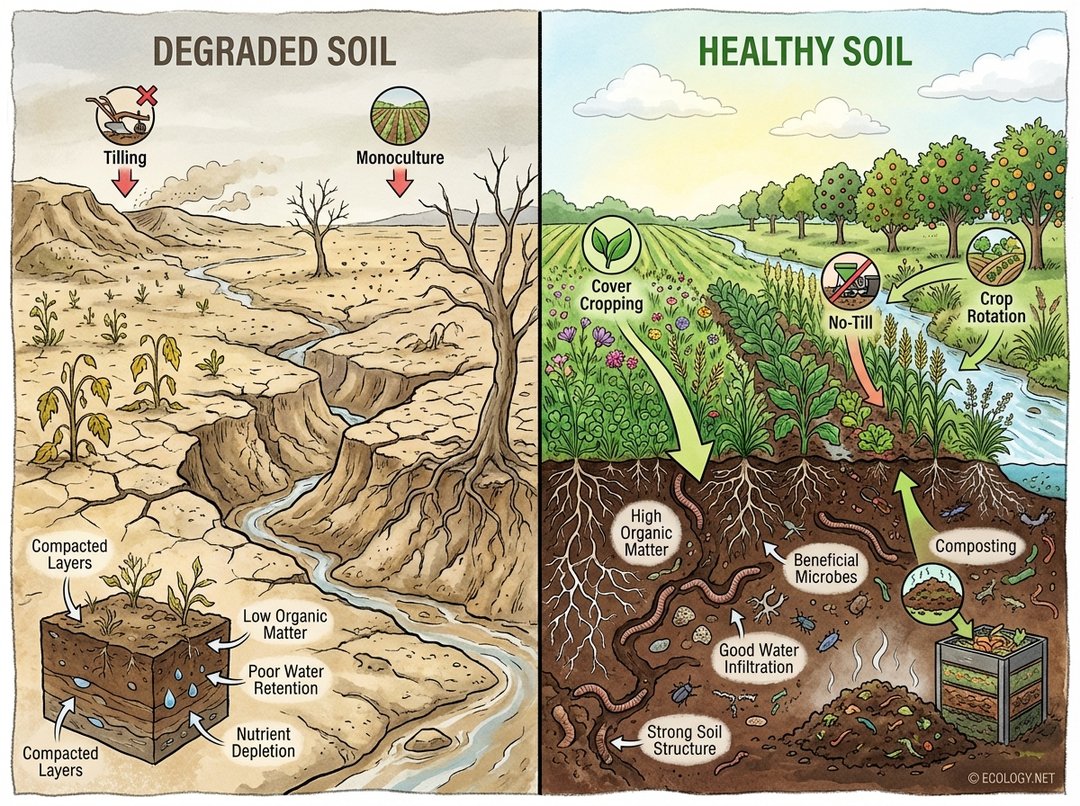
This image visually represents the critical concept of soil health, contrasting the negative impacts of traditional farming with the benefits of sustainable practices like cover cropping, no-till, composting, and crop rotation, as described in the ‘Soil Health’ section.
Biodiversity & Integrated Pest Management
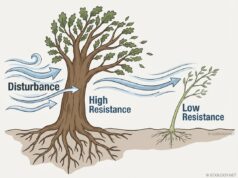
A healthy farm ecosystem is a diverse one. Monoculture, the practice of growing a single crop over a large area, creates a simplified ecosystem that is highly vulnerable to pests and diseases. Sustainable agriculture embraces biodiversity both within the farm and in its surrounding landscape.
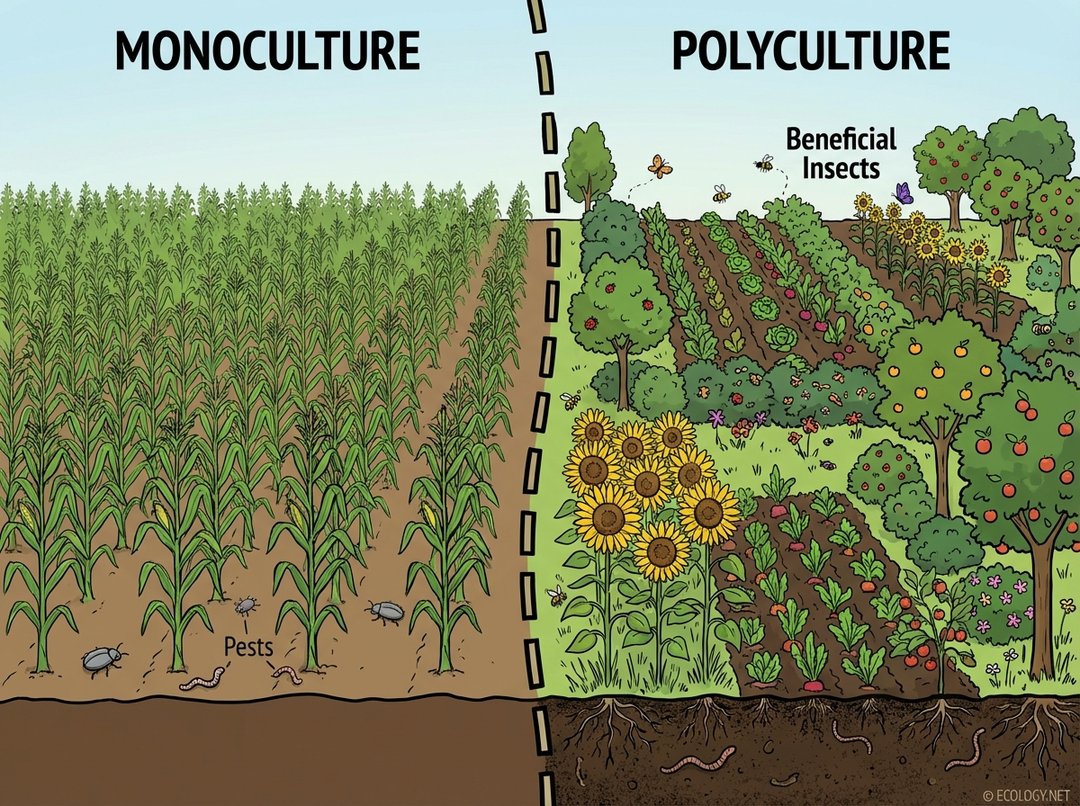
This illustration would effectively demonstrate the principles of biodiversity and integrated pest management, showing how polyculture and agroforestry create resilient ecosystems compared to vulnerable monoculture, as explained in the ‘Biodiversity & Integrated Pest Management’ section.
Key practices include:
- Polyculture and Intercropping: Growing multiple crops together, either simultaneously or in close succession, can confuse pests, attract beneficial insects, and optimize resource use. A classic example is the “Three Sisters” planting of corn, beans, and squash, where corn provides a stalk for beans to climb, beans fix nitrogen, and squash shades the soil.
- Agroforestry: Integrating trees and shrubs into agricultural landscapes provides multiple benefits, including windbreaks, shade, habitat for wildlife, improved soil health, and additional income streams from fruits or timber.
- Integrated Pest Management (IPM): IPM is a comprehensive strategy that uses a combination of methods to manage pests while minimizing risks to human health and the environment. It involves:
- Monitoring pest populations.
- Using biological controls, such as introducing natural predators like ladybugs to control aphids.
- Employing cultural practices, like crop rotation and resistant varieties.
- Applying targeted, least-toxic pesticides only when necessary and as a last resort.
- Habitat Creation: Establishing hedgerows, wildflower strips, and riparian buffers provides habitat for pollinators, beneficial insects, and other wildlife, enhancing the farm’s ecological resilience.
Water Management
Water is a precious resource, and sustainable agriculture strives to use it efficiently and responsibly. This includes:
- Efficient Irrigation Systems: Drip irrigation and precision sprinklers deliver water directly to plant roots, significantly reducing waste compared to traditional flood irrigation.
- Rainwater Harvesting: Collecting and storing rainwater for irrigation or other farm uses reduces reliance on groundwater or municipal supplies.
- Water-Wise Crop Selection: Choosing drought-tolerant crop varieties suitable for the local climate minimizes water demand.
Innovation in the Fields: Advanced Sustainable Practices
As technology advances, so too does the sophistication of sustainable farming.
Precision Agriculture: Data-Driven Farming
Precision agriculture leverages technology to optimize resource use and improve crop yields while minimizing environmental impact. It is about doing the right thing, in the right place, at the right time.

This image would visually represent the advanced concept of Precision Agriculture, showcasing the integration of technology like GPS, drones, and sensors to optimize farming practices and reduce environmental impact, as detailed in the ‘Precision Agriculture’ section.
Key components include:
- GPS-Guided Equipment: Tractors and other machinery equipped with GPS can precisely apply inputs like seeds, fertilizers, and pesticides, reducing overlap and waste.
- Drones and Satellite Imagery: These tools provide high-resolution data on crop health, soil conditions, and water stress, allowing farmers to identify problem areas and respond proactively. For example, a drone might detect an early sign of nutrient deficiency in a specific part of a field.
- Soil Sensors: Sensors embedded in the ground monitor soil moisture, nutrient levels, and temperature, providing real-time data that informs irrigation and fertilization decisions.
- Variable Rate Technology: This allows farmers to apply different amounts of inputs, such as fertilizer or water, to different parts of a field based on specific needs, rather than applying a uniform rate across the entire area.
Organic Farming
Organic farming is a certified system of agriculture that prohibits the use of synthetic pesticides, herbicides, genetically modified organisms (GMOs), and synthetic fertilizers. It emphasizes ecological balance, biodiversity, and the use of natural inputs and processes. While not all sustainable agriculture is organic, and not all organic agriculture is inherently sustainable in every aspect, the principles often overlap significantly, particularly concerning soil health and biodiversity.
The Far-Reaching Benefits of Sustainable Agriculture
Embracing sustainable agricultural practices yields a multitude of benefits, extending far beyond the farm gate.
- Environmental Protection:
- Climate Change Mitigation: Healthy soils sequester carbon, reducing atmospheric CO2. Reduced reliance on synthetic fertilizers and fossil fuels also lowers greenhouse gas emissions.
- Water Quality: Minimized pesticide and fertilizer runoff protects rivers, lakes, and oceans from pollution.
- Biodiversity Conservation: Diverse farming systems provide habitat for wildlife, pollinators, and beneficial insects, supporting ecosystem services.
- Economic Resilience:
- Reduced Input Costs: Less reliance on synthetic fertilizers and pesticides can lower operational expenses for farmers.
- Long-Term Productivity: Healthy soil and resilient ecosystems ensure sustained yields over time, protecting against market volatility and environmental shocks.
- New Market Opportunities: Growing consumer demand for sustainably produced and organic foods creates premium markets for farmers.
- Social Well-being:
- Food Security: Diverse and resilient farming systems contribute to a stable and secure food supply.
- Rural Community Health: Sustainable practices can create more stable and equitable livelihoods for farmers and farm workers.
- Public Health: Reduced exposure to harmful chemicals for both farmers and consumers.
Challenges and the Path Forward
Despite its clear advantages, the transition to sustainable agriculture is not without its challenges. These include the initial investment costs for new equipment or practices, the learning curve for farmers adopting new methods, and policy frameworks that sometimes favor conventional approaches.
However, the momentum is building. Research and innovation continue to provide new tools and techniques. Consumer demand for sustainably produced food is growing. Governments and organizations are increasingly recognizing the critical role of sustainable agriculture in addressing global challenges like climate change, food security, and biodiversity loss.
Sustainable agriculture is not merely a set of techniques; it is a paradigm shift, a commitment to working with nature rather than against it. It represents a hopeful vision for a future where agriculture nourishes both people and the planet, ensuring a bountiful harvest for generations to come.