Unlocking Nature’s Pantry: A Deep Dive into Provisioning Services
Imagine a world without fresh food, clean water, or the materials to build our homes and heal our ailments. It is a stark thought, yet it highlights an undeniable truth: human civilization, in all its complexity, rests upon the foundational generosity of the natural world. These essential gifts from ecosystems are what ecologists call provisioning services, the tangible products we harvest and utilize directly from nature. They are the very sustenance of our lives, often taken for granted until their supply dwindles.
What are Provisioning Services?
Provisioning services represent the material or energy outputs from ecosystems. They are the direct products that humans obtain from nature, forming the bedrock of our economies, societies, and personal well-being. Think of an ecosystem as a vast, interconnected factory, constantly producing a diverse array of goods vital for our survival and prosperity. From the food on our plates to the air we breathe, these services are fundamental.
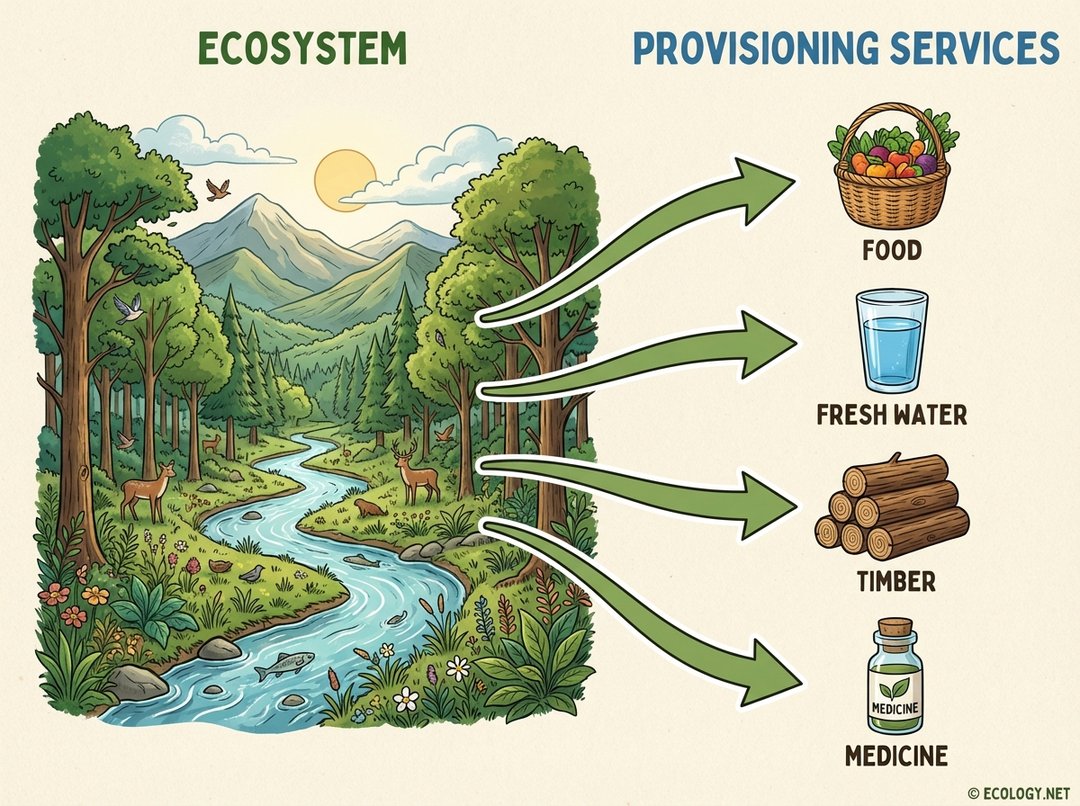
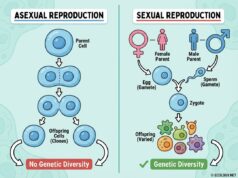
This image visually introduces the core concept of provisioning services as the material benefits humans obtain from ecosystems, illustrating the tangible products mentioned in the ‘What are Provisioning Services?’ section.
These services are not just about raw materials; they encompass everything from the genetic information stored in wild species to the aesthetic beauty that inspires us. Understanding them is the first step towards appreciating our profound connection to the environment and recognizing the urgent need for its protection.
Diverse Types of Provisioning Services
The range of provisioning services is incredibly broad, touching almost every aspect of human life. They can be broadly categorized into several key areas, each providing unique and indispensable benefits.
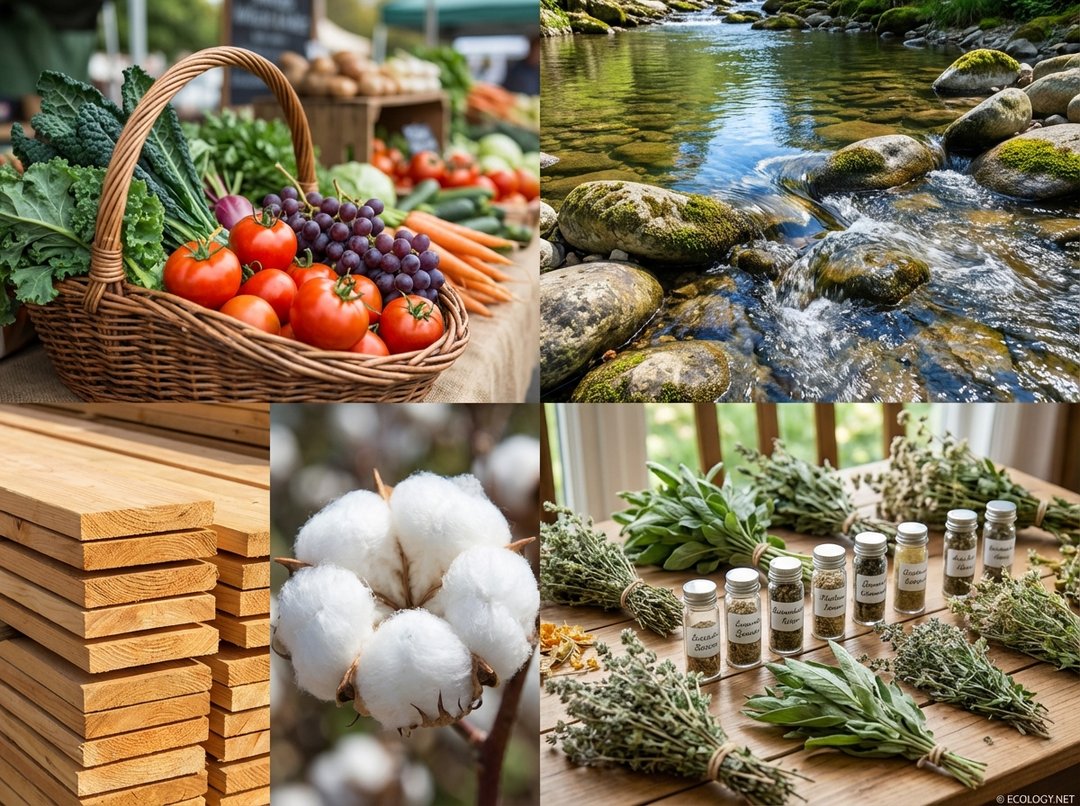
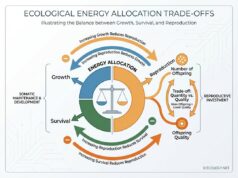
This image provides concrete, photo-realistic examples of the diverse categories of provisioning services detailed in the ‘Types of Provisioning Services’ section, making the abstract concepts more relatable.
Food
Perhaps the most obvious and critical provisioning service is food. Ecosystems provide a vast array of edible resources that sustain human populations globally. This includes:
- Crops: Grains like wheat, rice, and corn; fruits such as apples and bananas; vegetables including potatoes and leafy greens, all grown in fertile soils supported by natural processes.
- Livestock: Animals like cattle, sheep, and poultry, which rely on natural pastures and forage.
- Fisheries: Fish, shellfish, and other aquatic organisms harvested from oceans, rivers, and lakes.
- Wild Foods: Berries, mushrooms, game meat, and other edibles gathered from forests and natural landscapes.
Fresh Water
Access to clean, potable water is essential for all life. Ecosystems play a crucial role in regulating and purifying water supplies. Forests, wetlands, and healthy soils act as natural filters, ensuring a continuous flow of fresh water for drinking, agriculture, and industrial use.
Timber and Fiber
Forests are a primary source of timber, used for construction, furniture, paper, and fuel. Beyond wood, ecosystems provide a variety of natural fibers:
- Cotton: A plant fiber used for textiles.
- Wool: From sheep, providing warmth and clothing.
- Silk: Produced by silkworms, a luxurious fiber.
- Bamboo: A versatile plant used for construction, textiles, and crafts.
Medicinal Resources
Nature has been humanity’s pharmacy for millennia. A significant portion of modern medicines, as well as traditional remedies, are derived from plants, animals, and microorganisms found in diverse ecosystems. From the painkiller aspirin, originally from willow bark, to life saving antibiotics discovered in fungi, the natural world is a treasure trove of biochemical compounds.
Genetic Resources
The incredible biodiversity on Earth represents a vast library of genetic information. This genetic diversity is crucial for developing new crop varieties resistant to pests and diseases, improving livestock breeds, and discovering novel compounds for medicine and biotechnology. Wild relatives of domesticated species often hold genes vital for future agricultural resilience.
Energy Resources
While often overlooked in this category, biomass from forests and other plant matter has historically served as a primary energy source for heating and cooking. In some regions, it remains a vital fuel source. Biofuels derived from agricultural crops also represent a modern provisioning service for energy.
Ornamental Resources
Ecosystems provide a wealth of materials used for aesthetic purposes, including flowers, decorative plants, animal products like shells and feathers, and even minerals and gemstones. These resources contribute to art, fashion, and cultural practices around the world.
The Ecological Processes Behind Provisioning Services
Understanding the “what” of provisioning services is important, but grasping the “how” reveals the intricate workings of nature. These services are not simply handed to us; they are the result of complex, interconnected ecological processes operating continuously within healthy ecosystems.
Photosynthesis and Biomass Production
At the heart of many provisioning services lies photosynthesis, the process by which green plants convert sunlight into energy, producing organic matter. This biomass forms the base of nearly all food webs, providing food for herbivores, which in turn feed carnivores. It is also the source of timber, fibers, and many medicinal compounds. The efficiency of this process, driven by healthy plant communities, directly impacts the quantity and quality of these resources.
Hydrological Cycle and Water Filtration
The provision of fresh water is a prime example of an ecosystem service rooted in the hydrological cycle. Forests and wetlands act as natural sponges, absorbing rainfall, reducing runoff, and allowing water to slowly infiltrate the soil. As water percolates through soil and vegetation, it undergoes natural filtration, removing sediments and pollutants. This process replenishes groundwater reserves and ensures a steady supply of clean water to rivers and lakes.
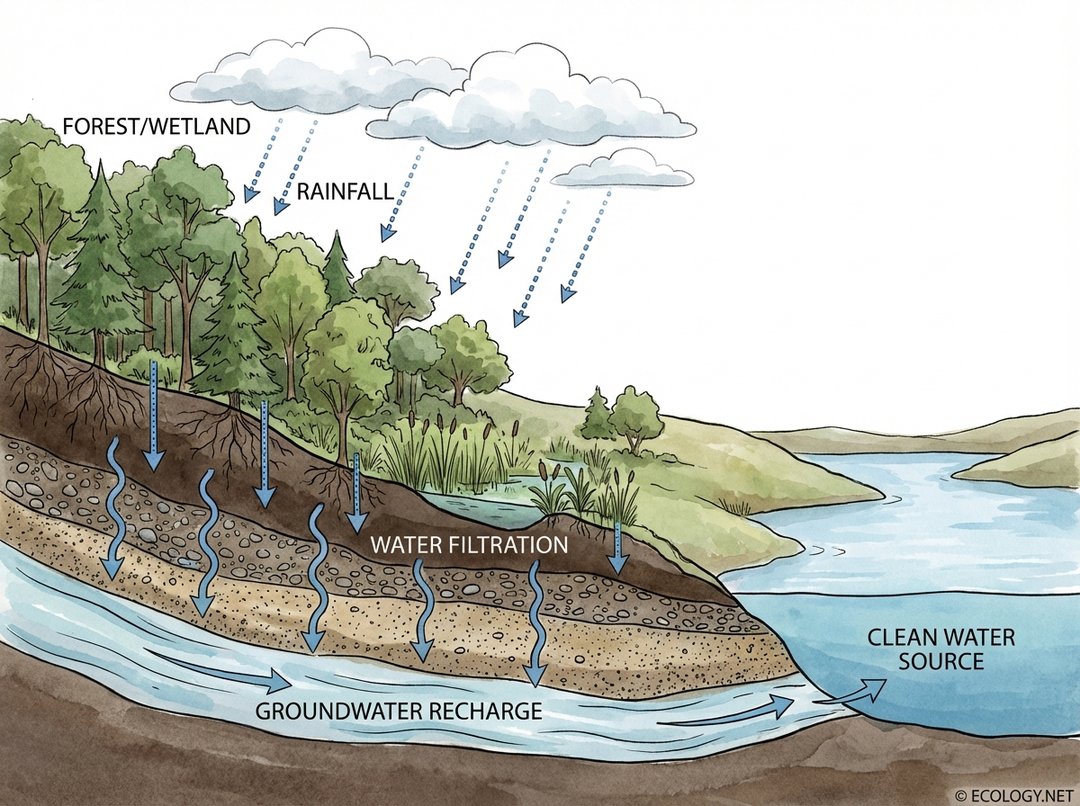
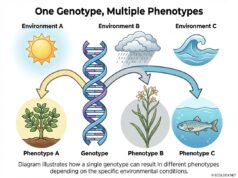
This image illustrates one of the key ecological processes, ‘Water Regulation & Filtration,’ explaining how ecosystems actively provide fresh water, as discussed in ‘The Ecological Processes Behind Provisioning Services’ section.
Nutrient Cycling
Healthy soils are fundamental to agricultural productivity and the growth of natural vegetation. Nutrient cycling, involving the decomposition of organic matter by microorganisms, releases essential nutrients like nitrogen and phosphorus back into the soil, making them available for plant uptake. This natural fertilization process sustains the productivity of ecosystems, directly supporting food and fiber production.
Biodiversity and Genetic Information
The sheer variety of life, or biodiversity, underpins the resilience and adaptability of ecosystems. A diverse array of species ensures a wider range of genetic traits, which can be crucial for adapting to environmental changes, resisting diseases, and providing new resources. For instance, the genetic diversity within wild plant populations offers a vital resource for breeding new, more resilient crop varieties that can withstand changing climates or emerging pests.
Why Provisioning Services Matter: Our Dependence on Nature
The importance of provisioning services extends far beyond simple resource extraction. They are deeply intertwined with human well-being, economic stability, and cultural identity.
Economic Value
The global economy relies heavily on provisioning services. Agriculture, forestry, fisheries, and pharmaceuticals are multi trillion dollar industries directly dependent on these natural outputs. The economic value of these services is often underestimated because they are frequently treated as “free” goods. However, the costs associated with replacing or artificially replicating these services, such as desalination plants for water or synthetic fertilizers for soil, are enormous.
Human Health and Well-being
Direct access to nutritious food and clean water is fundamental to human health. Beyond basic sustenance, the medicinal resources provided by ecosystems are critical for treating diseases and improving quality of life. Furthermore, healthy ecosystems contribute to overall well-being by providing opportunities for recreation and a sense of connection to nature.
Cultural Significance
Many cultures around the world have deep spiritual, traditional, and historical connections to specific plants, animals, and landscapes that provide provisioning services. Traditional diets, medicinal practices, and artisanal crafts are often rooted in the local availability of these natural resources, shaping cultural identity and heritage.
Threats to Provisioning Services
Despite their immense value, provisioning services are under increasing pressure from human activities. The degradation of ecosystems directly threatens our ability to obtain these vital resources.
- Habitat Destruction and Fragmentation: The conversion of natural habitats for agriculture, urbanization, and infrastructure development reduces the capacity of ecosystems to provide services.
- Pollution: Contamination of air, water, and soil by industrial waste, agricultural runoff, and plastics degrades ecosystem health and the quality of provisioning services.
- Climate Change: Altered weather patterns, increased frequency of extreme events, and rising temperatures disrupt ecological processes, impacting crop yields, water availability, and species distribution.
- Overexploitation: Unsustainable harvesting of resources, such as overfishing, illegal logging, and excessive water extraction, depletes natural stocks faster than they can regenerate.
- Invasive Species: The introduction of non native species can outcompete native organisms, disrupt ecosystem functions, and reduce the availability of native provisioning services.
Conserving Provisioning Services: A Call to Action
Recognizing our profound dependence on provisioning services is the first step towards safeguarding them. Conservation efforts must focus on protecting and restoring the health of ecosystems, ensuring their continued ability to provide these essential gifts.
This involves:
- Sustainable Resource Management: Implementing practices that allow for the long term use of resources without depleting them, such as sustainable forestry, responsible fishing, and water conservation.
- Ecosystem Restoration: Actively rehabilitating degraded ecosystems, such as reforesting deforested areas, restoring wetlands, and cleaning up polluted sites.
- Biodiversity Protection: Conserving a wide variety of species and their habitats to maintain the genetic library and ecological resilience that underpin provisioning services.
- Policy and Governance: Developing and enforcing policies that promote sustainable land use, reduce pollution, and protect natural areas.
- Public Awareness and Education: Fostering a greater understanding and appreciation of ecosystem services among the general public to encourage responsible consumption and support conservation initiatives.
Conclusion
Provisioning services are not merely a concept for ecologists; they are the lifeblood of humanity. From the food that nourishes us to the medicines that heal us, these tangible benefits from nature are indispensable. By understanding their origins, appreciating their value, and recognizing the threats they face, we can move towards a future where human well-being and ecological health are harmoniously intertwined. Protecting our planet’s ecosystems is not just an environmental issue; it is a fundamental act of self-preservation, ensuring that nature’s pantry remains full for generations to come.