Life on Earth is a vibrant, intricate tapestry woven over billions of years. Each thread, a species, contributes to the strength and beauty of the whole. But what happens when these threads begin to unravel, disappearing one by one, or even in great swathes? This profound phenomenon is known as extinction, a natural process that has shaped our planet’s history, yet one now dramatically accelerated by human activity.
Understanding extinction is not merely an academic exercise; it is crucial for comprehending the health of our planet and the future of all life, including our own. From the smallest microbe to the largest whale, every species plays a role, and its disappearance can send ripples through entire ecosystems.
Understanding Extinction: The Basics
What is Extinction?
At its core, extinction refers to the complete disappearance of a species from Earth. Once a species is extinct, it is gone forever, an irreversible loss. This can apply to animals, plants, fungi, and microorganisms. The last individual of that species has died, and there is no remaining genetic material to revive it.
Local vs. Global Extinction: A Crucial Distinction
It is important to differentiate between two key forms of species loss:
- Local Extinction: This occurs when a species vanishes from a specific geographic area, but still exists elsewhere in the world. For instance, wolves might be locally extinct in a particular forest region due to hunting or habitat loss, but thriving in other parts of the continent or world. While a serious concern for regional ecosystems, local extinction does not mean the species is gone entirely. There is always a possibility of reintroduction or natural recolonization if conditions improve.
- Global Extinction: This is the complete and irreversible disappearance of a species from the entire planet. When a species goes globally extinct, it is lost forever. The dodo bird, the passenger pigeon, and the woolly mammoth are classic examples of species that have suffered global extinction. This loss represents a permanent reduction in Earth’s biodiversity.
The distinction between these two forms of extinction is critical for conservation efforts, as strategies for managing a locally extinct population differ significantly from those for a globally extinct one.

Why Does Extinction Matter?
The loss of a species is far more than just the disappearance of an animal or plant. Each species is an integral part of an ecosystem, playing specific roles that contribute to the overall health and stability of that environment. When a species goes extinct, it can trigger a cascade of negative effects:
- Ecosystem Disruption: A predator’s extinction can lead to an overpopulation of its prey, which in turn can decimate plant life. The loss of a pollinator can lead to the decline of numerous plant species.
- Loss of Genetic Diversity: Each species represents a unique set of genetic information, honed by evolution over millennia. This genetic library holds potential solutions to future environmental challenges, including new medicines, resilient crops, and insights into biological processes.
- Impact on Ecosystem Services: Many species contribute to vital services that support human life, such as clean air and water, soil fertility, pest control, and climate regulation. Their loss can degrade these services, impacting human well-being.
- Ethical and Aesthetic Loss: There is an inherent value in the existence of every species. Their loss diminishes the beauty, wonder, and complexity of the natural world, representing an irreplaceable cultural and spiritual loss for humanity.
The Natural History of Extinction
Extinction is not a new phenomenon. It is a fundamental part of life’s evolutionary journey on Earth, a constant process of species arising, adapting, and eventually fading away. However, the rate and scale of extinction have varied dramatically throughout geological time.
Background Extinction: The Constant Whisper
Throughout Earth’s history, species have continually gone extinct at a relatively slow, steady pace. This is known as background extinction. It is a natural consequence of evolution, as species fail to adapt to changing environments, new competitors, or evolving predators. This continuous turnover of species is part of the dynamic process that drives biodiversity over vast timescales. The typical background extinction rate is estimated to be about one to five species per year for every million species on Earth.
Mass Extinction Events: Earth’s Catastrophes
In stark contrast to background extinction, mass extinction events are periods when a large percentage of Earth’s species vanish in a relatively short geological timeframe. These are catastrophic events that fundamentally reshape the course of life on the planet. Scientists generally recognize five major mass extinction events in Earth’s history, often referred to as the “Big Five”:
- Ordovician-Silurian Extinction (approx. 443 million years ago): This event primarily affected marine life, wiping out about 85% of species. It is thought to have been caused by intense glaciation, leading to dramatic sea-level drops and climate shifts.
- Late Devonian Extinction (approx. 372 million years ago): Another marine-focused event, this one saw about 75% of species disappear. Causes are debated but may include ocean anoxia, volcanic activity, and climate change.
- Permian-Triassic Extinction (approx. 252 million years ago): Known as “The Great Dying,” this was the most severe extinction event, eliminating an estimated 96% of marine species and 70% of terrestrial vertebrate species. Massive volcanic eruptions in Siberia, releasing vast amounts of greenhouse gases, are believed to be the primary cause, leading to extreme global warming and ocean acidification.
- Triassic-Jurassic Extinction (approx. 201 million years ago): This event saw about 80% of species vanish, paving the way for dinosaurs to become the dominant terrestrial vertebrates. Volcanic activity associated with the breakup of the supercontinent Pangea is a leading hypothesis.
- Cretaceous-Paleogene Extinction (approx. 66 million years ago): Most famously, this event led to the demise of the non-avian dinosaurs, along with about 75% of all species. The impact of a large asteroid in what is now the Yucatán Peninsula, coupled with massive volcanic eruptions, caused widespread environmental devastation, including global wildfires, tsunamis, and a prolonged “impact winter.”
These events demonstrate Earth’s capacity for dramatic change and the profound impact such changes can have on the trajectory of life.

The Sixth Extinction: A Human-Driven Crisis
Are We In One?
A growing body of scientific evidence suggests that Earth is currently experiencing a sixth mass extinction event, one driven almost entirely by human activities. Unlike previous mass extinctions caused by geological or astronomical forces, this current crisis is unfolding at an unprecedented rate, far exceeding natural background extinction rates. Some estimates suggest that species are disappearing at 100 to 1,000 times the background rate, with potentially millions of species at risk in the coming decades.
Key Drivers of Modern Extinction
The primary forces behind the current wave of extinctions are directly linked to human population growth, resource consumption, and technological impact. These drivers often interact in complex ways, amplifying their destructive potential:
- Habitat Loss and Degradation: This is arguably the single greatest threat to biodiversity. As human populations expand, natural habitats are converted for agriculture, urbanization, infrastructure development, and resource extraction (e.g., logging, mining). Fragmentation of remaining habitats isolates populations, making them more vulnerable to local extinction.
- Overexploitation: The unsustainable harvesting of species for food, medicine, pets, or other products can decimate populations. Examples include overfishing, illegal wildlife trade (poaching), and unsustainable logging practices. The passenger pigeon, once numbering in the billions, was hunted to extinction in the early 20th century, a stark reminder of overexploitation’s power.
- Pollution: A wide range of pollutants contaminates air, water, and soil, directly harming species and degrading their habitats.
- Chemical Pollution: Pesticides, industrial chemicals, and heavy metals can poison wildlife, disrupt reproductive cycles, and accumulate in food chains.
- Plastic Pollution: Marine animals often ingest plastic debris or become entangled in it, leading to injury or death.
- Nutrient Pollution: Runoff from agriculture can lead to algal blooms and “dead zones” in aquatic environments, suffocating marine life.
- Climate Change: Human-induced climate change is rapidly altering ecosystems worldwide. Rising global temperatures, altered precipitation patterns, more frequent extreme weather events, and ocean acidification force species to adapt, migrate, or face extinction. Polar bears, coral reefs, and many amphibian species are particularly vulnerable.
- Invasive Species: The introduction of non-native species, often inadvertently through human travel and trade, can have devastating effects on native ecosystems. Invasive species can outcompete native species for resources, prey upon them, or introduce new diseases, leading to population declines and extinctions. For example, brown tree snakes introduced to Guam decimated native bird populations.
- Disease: Human activities can also facilitate the spread of diseases among wildlife populations, sometimes with catastrophic results. For instance, the chytrid fungus, linked to global trade in amphibians, has caused severe declines and extinctions in frog and toad populations worldwide.
Examples of Recent Extinctions
The past few centuries have witnessed a tragic list of global extinctions, many directly attributable to human impact:
- Dodo (mid-17th century): A flightless bird endemic to Mauritius, driven to extinction by sailors and introduced animals.
- Passenger Pigeon (1914): Once the most abundant bird in North America, hunted to extinction.
- Tasmanian Tiger (Thylacine) (1936): A carnivorous marsupial from Australia, hunted and persecuted to extinction.
- Golden Toad (1989): A vibrant amphibian from Costa Rica, believed to be extinct due to climate change and chytrid fungus.
- Baiji Dolphin (Yangtze River Dolphin) (2006): A freshwater dolphin from China, declared functionally extinct due to habitat degradation, pollution, and unsustainable fishing practices.
These examples serve as somber reminders of the irreversible consequences of human actions.
The Ripple Effect: Consequences of Extinction
The extinction of a single species rarely occurs in isolation. It often triggers a cascade of effects throughout an ecosystem, leading to broader ecological instability and potentially further extinctions.
Ecosystem Collapse
Ecosystems are complex webs of interconnected species. The removal of one thread can weaken the entire fabric. The loss of a keystone species, one that plays a disproportionately large role in its ecosystem (like wolves in Yellowstone National Park before their reintroduction), can lead to dramatic shifts in population dynamics and even ecosystem collapse. For example, the disappearance of top predators can lead to an explosion in herbivore populations, which then overgraze vegetation, altering the entire landscape.
Loss of Biodiversity
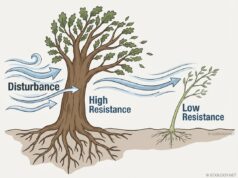
Extinction directly reduces biodiversity, which encompasses the variety of life at all levels, from genes to ecosystems. High biodiversity provides resilience, allowing ecosystems to better withstand disturbances like disease outbreaks, climate shifts, or natural disasters. As biodiversity declines, ecosystems become more fragile and less capable of providing essential services.
Impact on Humanity
While the immediate impacts of extinction are felt by ecosystems, the long-term consequences inevitably affect humanity. We rely on biodiversity for countless aspects of our lives:
- Food Security: Wild relatives of domesticated crops and livestock provide genetic diversity crucial for developing disease-resistant and climate-resilient food sources.
- Medicine: Many life-saving drugs are derived from natural compounds found in plants, animals, and microorganisms. The loss of species means the loss of potential cures for future diseases.
- Economic Impact: Industries like tourism, fishing, and forestry are directly dependent on healthy ecosystems and biodiversity.
- Cultural and Spiritual Value: Many cultures have deep connections to specific species and natural landscapes. Their loss represents an erosion of heritage and identity.
Conservation: A Path Forward
Despite the grim realities of the extinction crisis, there is hope. Conservation efforts around the world are working to mitigate threats, protect remaining species, and restore degraded ecosystems. These efforts require a multi-faceted approach involving science, policy, education, and individual action.
What Can Be Done?
- Protected Areas: Establishing national parks, wildlife reserves, and marine protected areas safeguards critical habitats and provides refuges for endangered species.
- Species-Specific Conservation: Programs focused on individual endangered species, including captive breeding, reintroduction programs, and anti-poaching initiatives, have brought species back from the brink.
- Sustainable Practices: Promoting sustainable agriculture, forestry, fishing, and consumption patterns reduces human impact on natural resources and habitats.
- Policy and International Cooperation: National laws and international agreements (like CITES, the Convention on International Trade in Endangered Species) are vital for regulating harmful activities and fostering collaborative conservation efforts across borders.
- Restoration Ecology: Efforts to restore degraded habitats, such as reforestation, wetland restoration, and river clean-ups, can help bring back lost biodiversity and ecosystem functions.
- Individual Action: Every person can contribute by reducing their carbon footprint, supporting sustainable businesses, making informed consumer choices, advocating for conservation, and educating others.
Hope and Challenges
The challenge of reversing the extinction crisis is immense, but success stories demonstrate that conservation works. The recovery of the California condor, the black-footed ferret, and the giant panda are testaments to dedicated efforts. However, these successes are often hard-won and require sustained commitment. The future of Earth’s biodiversity hinges on a collective understanding of extinction’s profound implications and a global commitment to protecting the intricate web of life that sustains us all.
Conclusion
Extinction is a powerful concept, representing the ultimate loss in the natural world. While a natural process, the current rate of species disappearance is anything but natural, signaling a profound ecological crisis driven by human actions. From the fundamental distinction between local and global extinction to the catastrophic scale of mass extinction events, understanding this phenomenon is essential.
The disappearance of species not only diminishes the richness and beauty of our planet but also undermines the very ecological systems that support human life. Recognizing the drivers of modern extinction and embracing comprehensive conservation strategies are not just environmental imperatives; they are fundamental to securing a healthy, resilient future for all life on Earth.