Foundation Species: The Unsung Architects of Ecosystems
Imagine an intricate city, bustling with life, where every building, every street, and every park plays a vital role. Now, imagine the foundational structures of that city: the bedrock, the main roads, the very buildings that provide shelter and shape the urban landscape. In the natural world, ecosystems also have their architects, their foundational elements that literally build the environment for countless other species. These are known as foundation species.
Often overlooked in popular discourse compared to their more charismatic counterparts, foundation species are the unsung heroes of biodiversity. They are the dominant organisms, either in terms of abundance or biomass, that physically create or significantly modify habitats, thereby influencing the structure and function of entire ecological communities. Without them, many ecosystems as we know them simply would not exist.
What Exactly Defines a Foundation Species?
At its core, a foundation species is an organism that provides the physical structure for a habitat. Think of them as the engineers and builders of the natural world. Their presence fundamentally alters the environment, creating niches and resources that support a vast array of other life forms. This influence is primarily structural and environmental, rather than through direct trophic (feeding) interactions, which is a key differentiator from another important ecological concept: the keystone species.
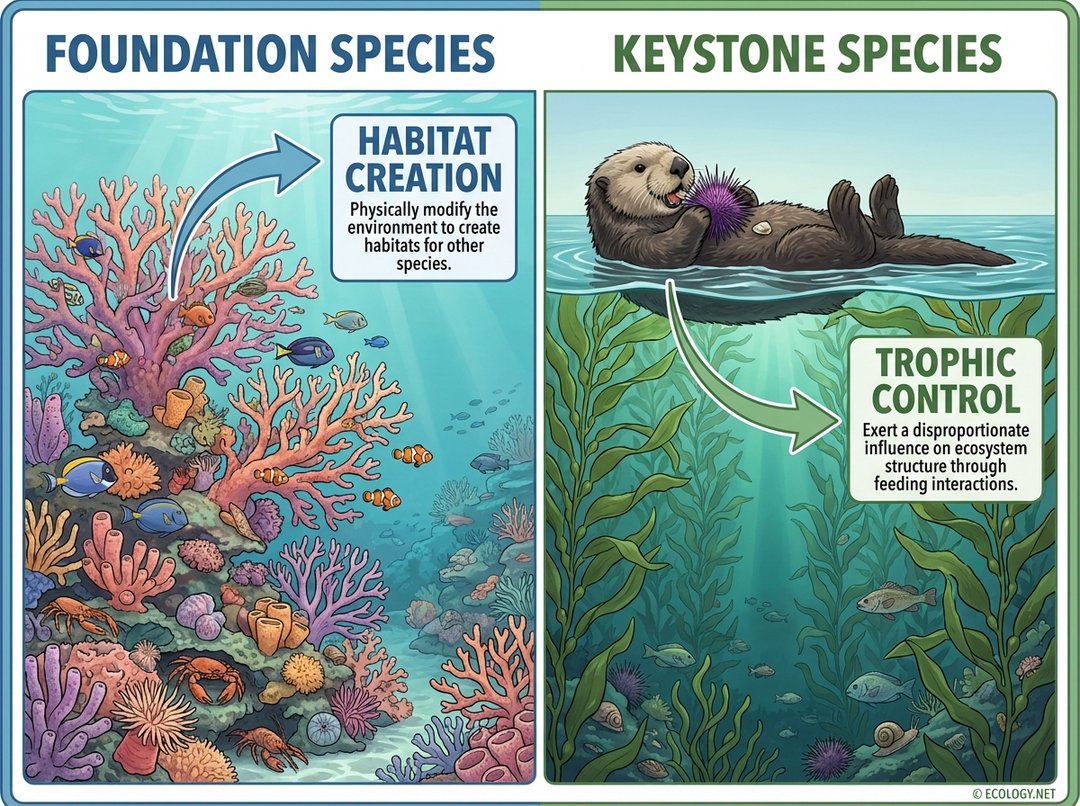
While both foundation and keystone species exert significant influence on their ecosystems, their mechanisms differ. Foundation species build the house, while keystone species might be the critical predator or herbivore that keeps certain populations in check, preventing the collapse of the food web. A species can sometimes exhibit characteristics of both, but their primary ecological role usually places them more firmly in one category.
The Architects of Life: How Foundation Species Build Ecosystems
The impact of foundation species is profound and multifaceted. Their actions ripple through the entire ecosystem, shaping everything from nutrient cycling to species diversity. Here are some of their primary roles:
- Habitat Creation: This is perhaps their most defining characteristic. Foundation species provide the physical framework for an ecosystem. Coral reefs, for instance, are built by tiny coral polyps, creating complex three dimensional structures that shelter thousands of marine species.
- Environmental Modification: Beyond just creating physical space, these species actively modify their surroundings. Trees in a forest alter light availability, soil composition, and humidity. Mangroves stabilize coastlines and filter water.
- Resource Provision: The structures created by foundation species often provide essential resources for other organisms, including food, shelter from predators, and breeding grounds.
- Ecosystem Services: Many foundation species contribute directly to services beneficial to humans, such as coastal protection, water purification, and carbon sequestration.
To truly grasp the diversity and impact of these ecological architects, let us explore some compelling examples from across the globe.
Case Studies: Foundation Species in Action
The concept of foundation species becomes much clearer when we look at specific examples:
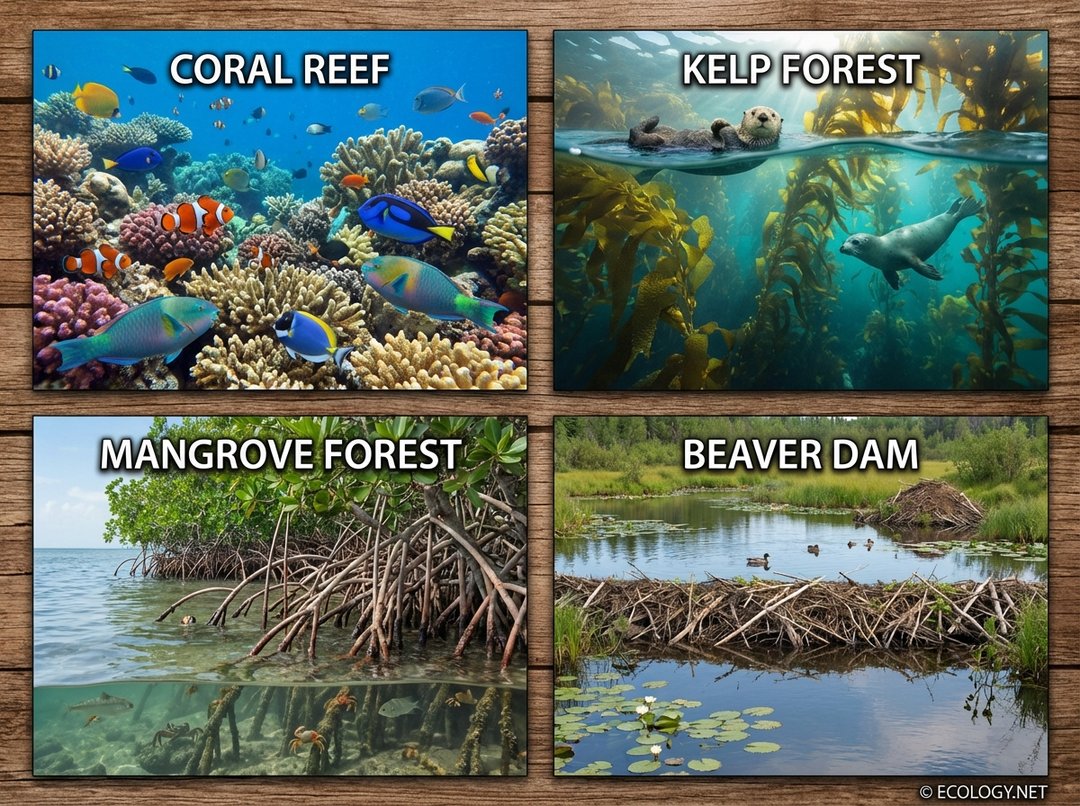
Coral Reefs: Underwater Cities of Biodiversity
Coral polyps, tiny invertebrates, secrete calcium carbonate to build massive, intricate structures known as coral reefs. These reefs are not just beautiful; they are biodiversity hotspots, supporting an estimated 25 percent of all marine species. The physical complexity of the reef provides countless hiding places, feeding grounds, and nurseries for fish, crustaceans, mollusks, and many other organisms. Without corals, these vibrant underwater cities would crumble, leading to a catastrophic loss of marine life.
Kelp Forests: The Ocean’s Redwood Groves
In cooler coastal waters, giant kelp species anchor themselves to the seafloor and grow upwards, forming dense underwater forests. These towering algae provide shelter and food for a vast array of marine life, including fish, sea otters, sea lions, and countless invertebrates. The kelp canopy reduces wave energy, creating calmer waters below, and its fronds offer a surface for epiphytes and small organisms to live on. Kelp forests are crucial nurseries for many commercially important fish species.
Mangrove Forests: Coastal Guardians and Nurseries
Along tropical and subtropical coastlines, mangrove trees thrive in salty, oxygen-poor soils. Their intricate root systems, often visible above the waterline, create a unique intertidal habitat. Mangroves stabilize shorelines, preventing erosion from storms and tsunamis. They filter pollutants from runoff, improving water quality. Their dense root networks provide critical nursery grounds for juvenile fish, crabs, and shrimp, and their branches offer roosting sites for birds. These forests are vital buffers between land and sea.
Beavers: Nature’s Engineers
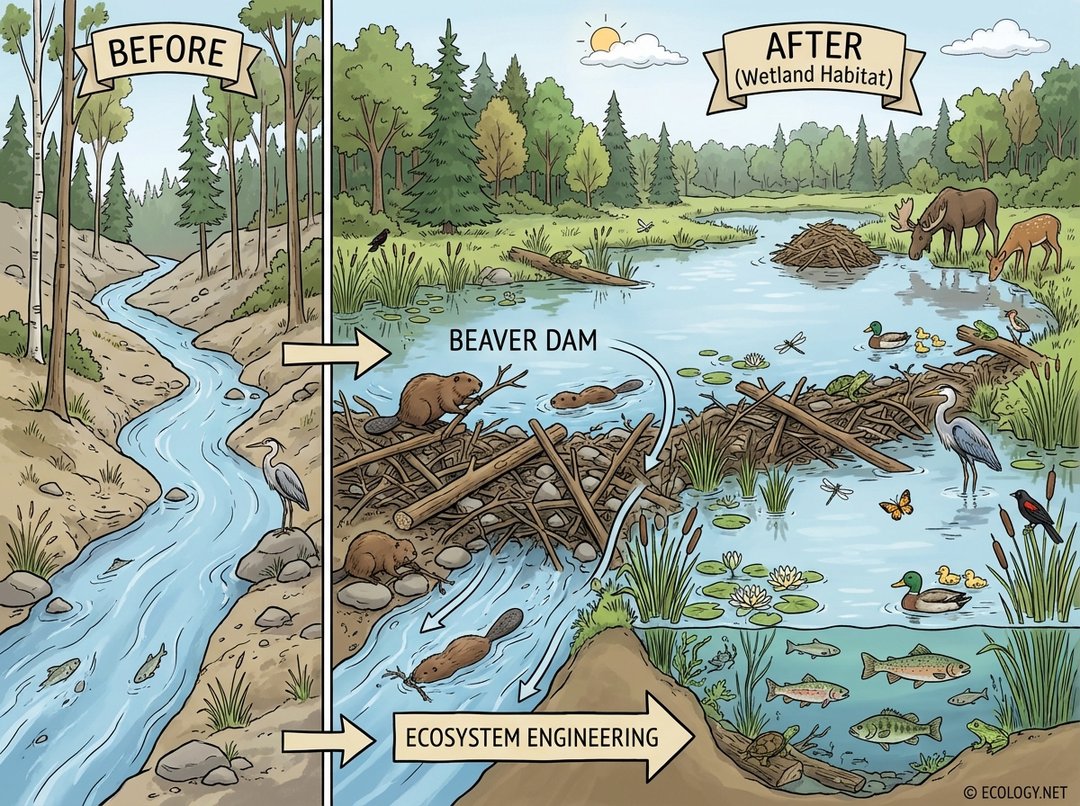
Perhaps one of the most dramatic examples of ecosystem engineering by a foundation species is the beaver. These industrious rodents build dams across streams and rivers, transforming flowing water into calm, expansive wetlands. This alteration of the physical environment has profound effects:
- It creates new habitats for fish, amphibians, birds, and insects.
- It slows water flow, reducing erosion and allowing sediment to settle.
- It recharges groundwater and filters pollutants, improving water quality.
- It increases biodiversity significantly, turning a simple stream into a complex, thriving wetland ecosystem.
Forest Trees: The Pillars of Terrestrial Life
On land, large trees in a forest are quintessential foundation species. Their canopies intercept sunlight and rainfall, creating a microclimate beneath them that is distinct from open areas. Their roots stabilize soil, prevent erosion, and contribute to nutrient cycling. The trees themselves provide habitat, food, and shelter for countless insects, birds, mammals, and fungi. A forest ecosystem is fundamentally defined by the presence and structure of its dominant tree species.
Foundation Species vs. Keystone Species: A Crucial Distinction
While both foundation and keystone species are indispensable for ecosystem health, understanding their distinct roles is vital for ecological study and conservation efforts. Here is a summary of their primary differences:
| Characteristic | Foundation Species | Keystone Species |
| Primary Role | Physically create or modify habitat; provide structure. | Exert disproportionate influence through trophic interactions (e.g., predation, herbivory). |
| Mechanism of Influence | Habitat creation, environmental modification, resource provision. | Top-down control, trophic cascades, competitive exclusion. |
| Impact on Ecosystem | Provides the physical framework and basic conditions for life. | Maintains species diversity and ecosystem stability by regulating populations. |
| Example | Coral, kelp, mangrove, beaver, forest trees. | Sea otter (controlling sea urchins), wolf (controlling deer), starfish (controlling mussels). |
It is important to remember that these categories are not always mutually exclusive. A species might act as a foundation species by creating habitat, and also as a keystone species by regulating a key population within that habitat. However, their primary ecological function usually places them more strongly in one category.
The Ecological Importance and Conservation of Foundation Species
The ecological significance of foundation species cannot be overstated. They are the bedrock upon which biodiversity thrives, providing essential ecosystem services that benefit all life, including humanity.
Why They Are So Vital:
- Biodiversity Support: By creating complex habitats, foundation species provide niches for a multitude of other organisms, directly contributing to high species diversity.
- Ecosystem Resilience: Healthy populations of foundation species often make ecosystems more robust and resistant to disturbances, helping them recover more quickly from events like storms or disease outbreaks.
- Ecosystem Services: Beyond habitat, they provide tangible benefits such as coastal protection (mangroves, coral reefs), water filtration (mangroves, wetlands created by beavers), carbon sequestration (forests, kelp), and nutrient cycling.
Threats and Conservation:
Despite their immense importance, foundation species face numerous threats from human activities. Climate change, with its associated impacts like ocean acidification and rising sea levels, directly threatens corals and mangroves. Deforestation, pollution, and habitat destruction degrade forests and wetlands. The loss of a foundation species can have cascading effects, leading to the collapse of entire ecosystems and a significant reduction in biodiversity.
Conservation efforts must therefore prioritize the protection and restoration of these critical species. This includes reducing carbon emissions to combat climate change, implementing sustainable land and resource management practices, controlling pollution, and actively restoring degraded habitats where foundation species once thrived. Understanding and appreciating the role of these ecological architects is the first step towards safeguarding the health and diversity of our planet.
Conclusion
Foundation species are the silent builders of the natural world, constructing the very fabric of ecosystems from the smallest coral polyp to the tallest redwood tree. Their ability to create and modify habitats underpins the incredible biodiversity we see around us, providing shelter, food, and essential environmental conditions for countless other organisms. Recognizing their profound influence and the vital services they provide is crucial for effective conservation. By protecting these foundational architects, we ensure the stability and richness of the ecosystems that sustain all life on Earth.