In a world increasingly aware of its ecological footprint, the practice of organic gardening stands out as a beacon of sustainability and health. Far more than just growing food without synthetic chemicals, organic gardening is a holistic philosophy that seeks to work in harmony with nature, fostering vibrant ecosystems from the ground up. It is a journey into understanding the intricate web of life that supports all growth, a journey that transforms a simple plot of land into a thriving, self-sustaining haven.
This approach to cultivation is rooted in ancient wisdom, yet it offers cutting-edge solutions for modern environmental challenges. By embracing organic principles, gardeners can cultivate not only nutritious food but also healthier soil, cleaner water, and richer biodiversity. It is a testament to the power of natural processes, demonstrating that abundance can be achieved through cooperation with the environment, rather than control over it.
The Core Principles of Organic Gardening
At its heart, organic gardening is built upon several foundational pillars. These principles guide every decision, from preparing the soil to harvesting the bounty, ensuring that the garden functions as a miniature ecosystem.
Soil: The Foundation of Life
The most crucial element in any organic garden is the soil. It is not merely a medium for roots, but a living, breathing entity teeming with an astonishing diversity of organisms. Healthy soil is the bedrock of healthy plants, and organic gardening prioritizes its enrichment and protection above all else.
Understanding the ‘soil food web’ is paramount. This complex community of bacteria, fungi, nematodes, protozoa, arthropods, and earthworms works tirelessly beneath our feet. These microscopic and macroscopic creatures decompose organic matter, cycle nutrients, improve soil structure, and even protect plants from disease. When synthetic fertilizers and pesticides are introduced, this delicate balance can be severely disrupted, weakening the soil’s natural resilience.
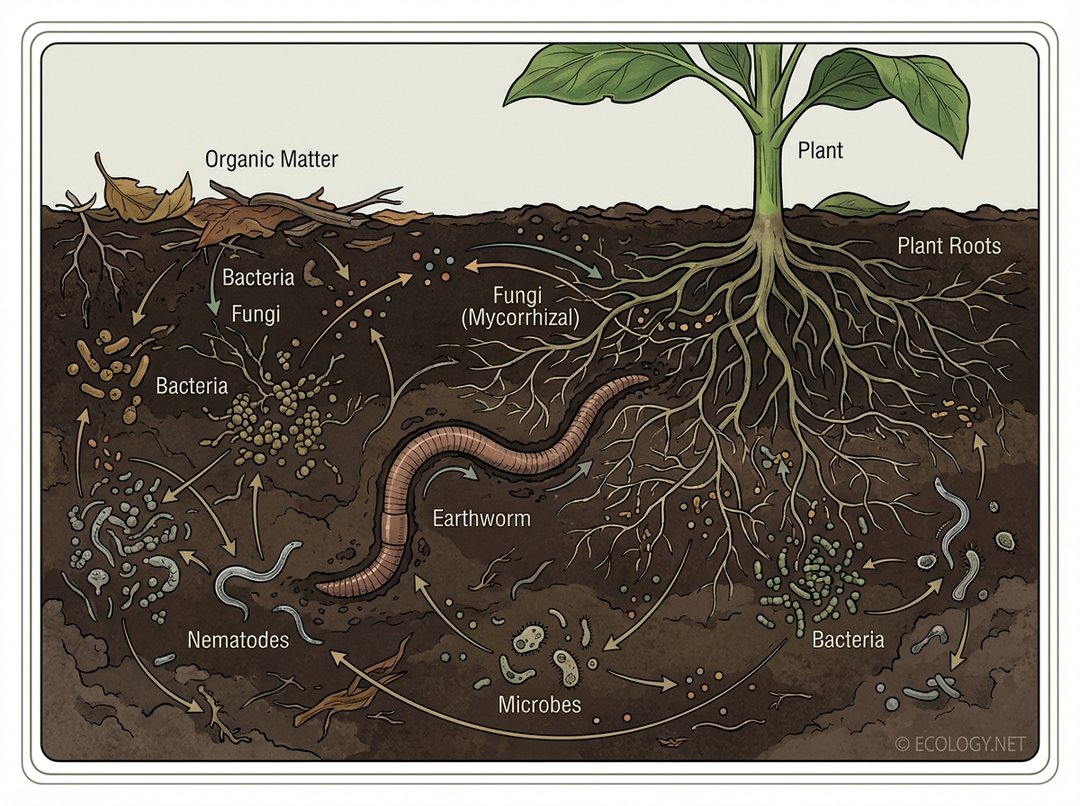
To nurture this vital underground world, organic gardeners focus on:
- Composting: Transforming kitchen scraps and yard waste into nutrient-rich humus. This adds organic matter, feeds soil microbes, and improves soil structure.
- Mulching: Covering the soil surface with organic materials like straw, wood chips, or leaves. Mulch conserves moisture, suppresses weeds, regulates soil temperature, and slowly breaks down to enrich the soil.
- Avoiding Tillage: Minimizing disturbance to the soil preserves its structure and the intricate fungal networks that are crucial for nutrient uptake by plants.
- Cover Cropping: Planting specific crops like clover or vetch during off-seasons to protect the soil from erosion, add organic matter, fix nitrogen, and suppress weeds.
Biodiversity: Strength in Numbers
A thriving organic garden is a diverse one. Monocultures, or planting large areas with a single crop, are rarely found in nature and are highly susceptible to pests and diseases. Organic gardening embraces biodiversity both above and below ground, creating a resilient and balanced ecosystem.
One of the most effective strategies for promoting biodiversity is ‘companion planting’. This involves strategically growing different plant species together that offer mutual benefits. For example:
- Tomatoes and Basil: Basil is believed to improve the flavor of tomatoes and repel tomato hornworms.
- Carrots and Rosemary: Rosemary can deter the carrot rust fly.
- Marigolds: These vibrant flowers are famous for repelling nematodes and other harmful pests with compounds released from their roots.
- Legumes (beans, peas): These plants fix nitrogen from the air into the soil, benefiting nearby nitrogen-hungry crops.
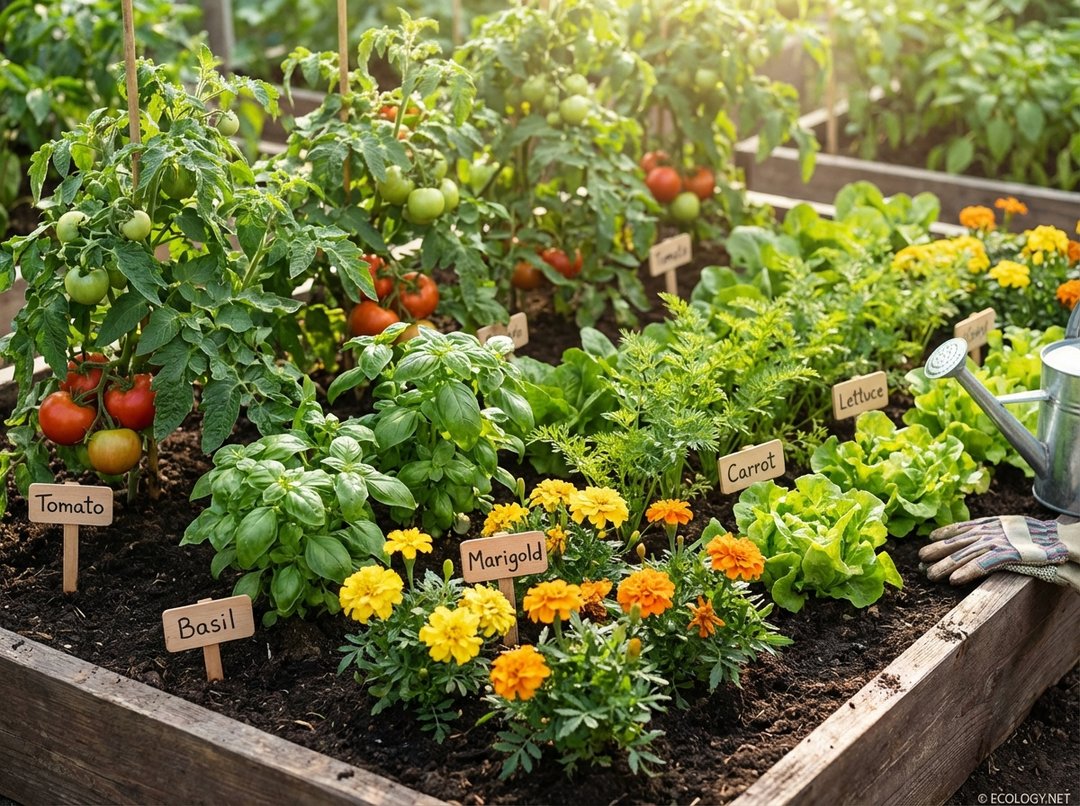
Beyond specific plant pairings, biodiversity also means attracting beneficial insects, birds, and other wildlife. Planting a variety of flowering plants provides nectar and pollen for pollinators like bees and butterflies, as well as for predatory insects like ladybugs and lacewings, which feast on garden pests.
Nutrient Cycling: The Circle of Life
In an organic system, nutrients are not simply added from external sources; they are continuously cycled within the garden. This closed-loop approach minimizes waste and maximizes the efficient use of resources, mimicking natural ecosystems where nothing is truly wasted.
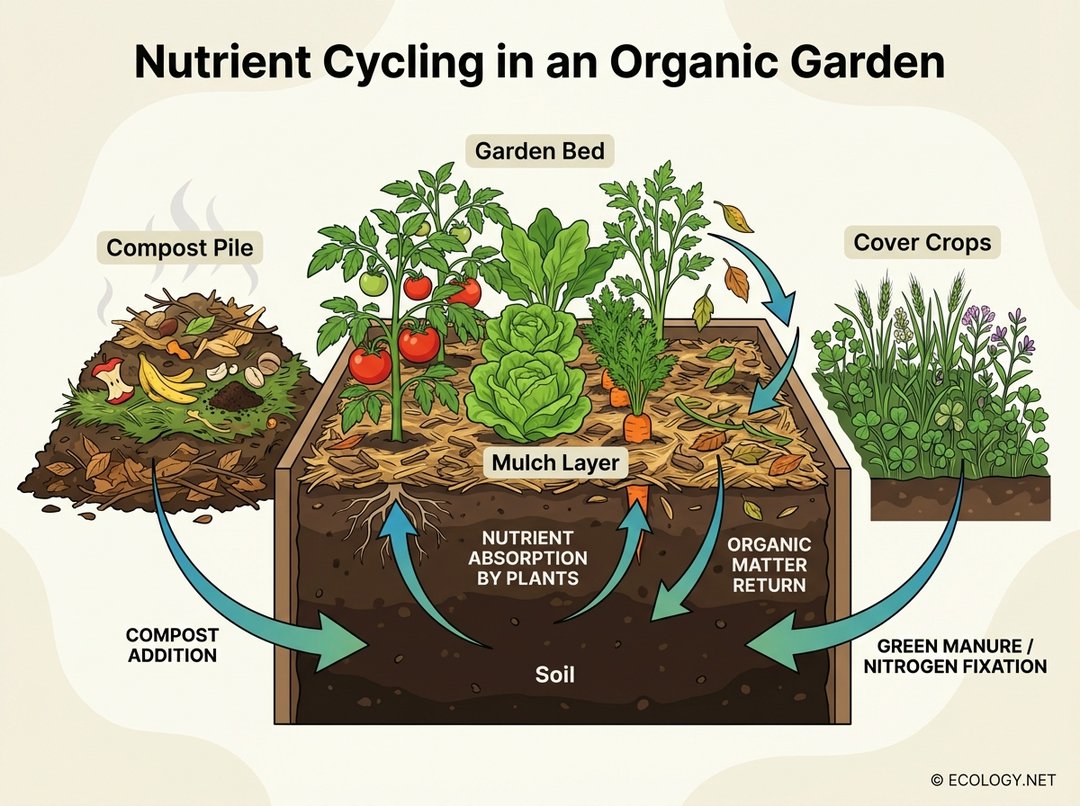
Key components of nutrient cycling include:
- Compost: As mentioned, compost is a powerhouse for returning nutrients to the soil. It is the ultimate recycler, turning what might be considered waste into a valuable soil amendment.
- Mulch: Organic mulches slowly decompose, releasing nutrients back into the soil over time.
- Cover Crops: When tilled into the soil (or “chopped and dropped” in no-till systems), cover crops add significant amounts of organic matter and nutrients. Leguminous cover crops specifically add nitrogen.
- Crop Rotation: Changing the location of crops each season helps prevent the depletion of specific nutrients in one area and can disrupt pest and disease cycles. For example, following a heavy feeder like corn with a nitrogen-fixing legume.
Practical Applications and Advanced Techniques
Once the foundational principles are understood, organic gardening offers a wealth of practical techniques to enhance garden productivity and resilience.
Natural Pest and Disease Management
Instead of reaching for synthetic pesticides, organic gardeners employ a suite of ecological strategies to manage pests and diseases. The goal is not eradication, but balance.
- Encouraging Beneficial Insects: Planting flowers that attract predators like ladybugs, lacewings, and parasitic wasps can keep pest populations in check.
- Hand-Picking: For larger pests like tomato hornworms or slugs, manual removal can be highly effective.
- Barriers: Row covers can protect young plants from flying insects, while copper tape can deter slugs.
- Crop Rotation: Disrupts the life cycles of soil-borne pests and diseases.
- Resistant Varieties: Choosing plant varieties known for their natural resistance to common diseases in your area.
- Healthy Soil, Healthy Plants: Strong, well-nourished plants are naturally more resistant to pests and diseases, much like a healthy immune system in humans.
- Organic Sprays: As a last resort, organic-approved sprays like neem oil or insecticidal soap can be used, but always with caution and understanding of their impact on beneficial insects.
Water Conservation
Water is a precious resource, and organic gardening emphasizes its efficient use.
- Mulching: A thick layer of mulch significantly reduces water evaporation from the soil surface.
- Drip Irrigation: Delivers water directly to the plant roots, minimizing waste from evaporation and runoff.
- Rainwater Harvesting: Collecting rainwater in barrels or cisterns provides a sustainable source of irrigation.
- Water-Wise Plant Selection: Choosing plants appropriate for your local climate and water availability.
- Improving Soil Structure: Soil rich in organic matter has a greater capacity to hold water, making it more drought-resistant.
Seed Saving and Heirloom Varieties
A truly self-sufficient organic garden often includes seed saving. This practice allows gardeners to preserve unique plant varieties, adapt plants to their specific growing conditions over generations, and reduce reliance on commercial seed suppliers. Heirloom varieties, passed down through generations, often possess superior flavor, nutritional value, and adaptability compared to many modern hybrids.
Garden Planning and Design
Thoughtful planning is crucial for an efficient organic garden.
- Sunlight Assessment: Understanding how sunlight moves across your garden throughout the day and year.
- Raised Beds: Can improve drainage, warm up faster in spring, and allow for better soil control.
- Pathways: Designing clear pathways minimizes soil compaction in planting areas.
- Succession Planting: Planting small batches of crops every few weeks to ensure a continuous harvest rather than a single large one.
The Profound Benefits of Organic Gardening
Embracing organic gardening extends far beyond the boundaries of a single plot, offering a cascade of benefits for individuals, communities, and the planet.
- Healthier Food: Organic produce is grown without synthetic pesticides, herbicides, or genetically modified organisms, leading to food that is often richer in nutrients and free from harmful residues.
- Environmental Stewardship:
- Soil Health: Builds fertile, living soil, reducing erosion and improving water retention.
- Water Quality: Prevents chemical runoff from contaminating waterways.
- Biodiversity: Supports a rich array of beneficial insects, birds, and microorganisms, contributing to local ecosystems.
- Climate Change Mitigation: Healthy soil sequesters carbon, helping to reduce greenhouse gases in the atmosphere.
- Economic Savings: By creating your own compost, saving seeds, and reducing the need for expensive synthetic inputs, organic gardening can be a cost-effective way to produce food.
- Personal Well-being: Gardening is a therapeutic activity, connecting individuals with nature, reducing stress, and providing a sense of accomplishment. The physical activity involved also contributes to overall fitness.
- Community Resilience: Local organic food systems can enhance food security and foster stronger community ties.
Conclusion
Organic gardening is more than a set of techniques; it is a philosophy that recognizes the interconnectedness of all life. It invites gardeners to become active participants in natural cycles, fostering a deeper respect for the environment and a greater understanding of where our food comes from. By nurturing the soil, embracing biodiversity, and working with nature’s rhythms, organic gardeners cultivate not just plants, but a healthier planet and a more sustainable future. The journey into organic gardening is an ongoing process of learning and discovery, yielding bountiful harvests and profound satisfaction for those who choose to walk this path.