Imagine a thin, vibrant film clinging to our planet, a miraculous zone where life, in all its astonishing forms, flourishes. This isn’t science fiction; it is the biosphere, Earth’s living skin, a place of breathtaking complexity and interconnectedness. From the highest mountain peaks where hardy lichens cling, to the deepest ocean trenches teeming with unique creatures, the biosphere encompasses every single living organism and the environments they inhabit.
Understanding the biosphere is not merely an academic exercise; it is crucial for comprehending our place in the natural world and the profound impact we have on it. This article will take you on a journey through this incredible realm, exploring its definition, its diverse components, the fundamental processes that sustain it, and the delicate balance that keeps life thriving.
What is the Biosphere? Earth’s Living Zone Defined
At its core, the biosphere is the global ecological system integrating all living beings and their relationships, including their interaction with the elements of the lithosphere (rocks), hydrosphere (water), and atmosphere (air). It is the sum of all ecosystems, a vast, self-regulating system where life interacts with its non-living surroundings to create the conditions necessary for its own existence.
Think of it as a grand, intricate tapestry woven from countless threads. Each thread represents an organism, a species, or an environmental factor, all interconnected and dependent on one another. This living zone extends from the deepest roots of trees to the highest reaches of the atmosphere where spores and microbes can be found, and from the surface of the land to the depths of the oceans.
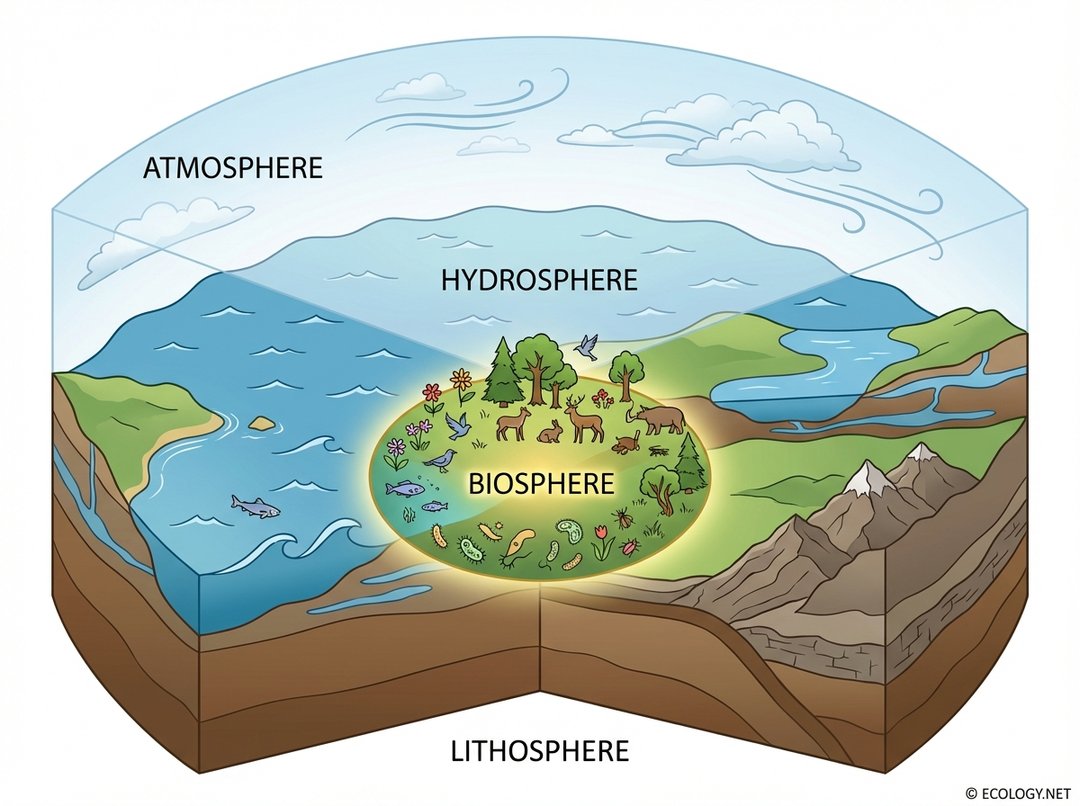
The biosphere is not a separate layer like the atmosphere or hydrosphere; rather, it is the region where these three spheres overlap and interact, creating the unique conditions that allow life to thrive. It is a dynamic system, constantly changing and evolving, driven by energy from the sun and the cycling of vital nutrients.
The Interacting Spheres: A Foundation for Life
Life on Earth is possible because of the intricate interplay between three fundamental non-living components:
- The Atmosphere: This is the gaseous envelope surrounding Earth, providing the air we breathe, regulating temperature, and protecting us from harmful solar radiation. It is a source of essential gases like oxygen, nitrogen, and carbon dioxide, all vital for life processes.
- The Hydrosphere: Comprising all the water on Earth, from oceans and lakes to rivers, glaciers, and groundwater. Water is the universal solvent, essential for all biological processes, and a habitat for countless aquatic species.
- The Lithosphere: This refers to Earth’s solid outer layer, including the crust and upper mantle. It provides the landmasses, soil, and minerals that support terrestrial life and form the base for ecosystems.
The biosphere is the incredible outcome of these three spheres coming together in a way that supports and sustains life.
Where Does Life Thrive? Exploring Earth’s Diverse Biomes
Within the vast expanse of the biosphere, life is not uniformly distributed. Instead, it organizes itself into distinct ecological communities known as biomes. Biomes are large regions characterized by their specific climate, dominant plant life, and the animal species adapted to those conditions. They are essentially the major habitats of the world, each with its own unique set of challenges and opportunities for life.
The diversity of biomes is astounding, reflecting the wide range of environmental conditions found across our planet. Let us explore some of the most prominent terrestrial biomes:
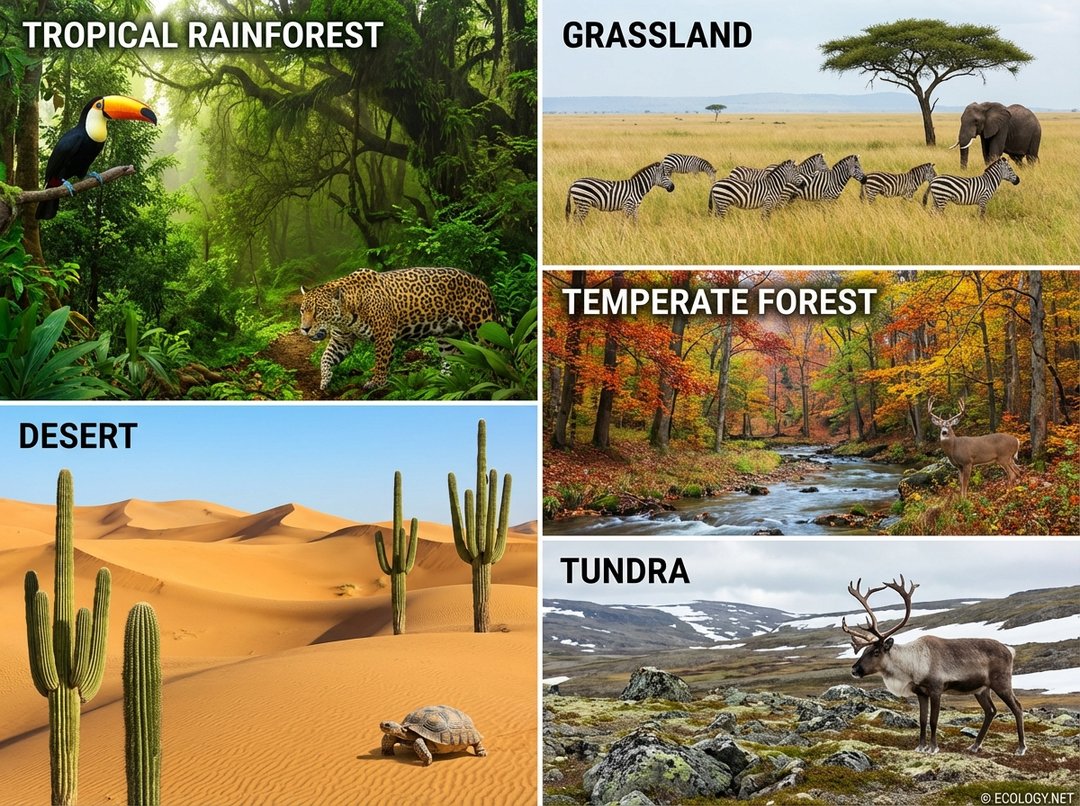
Major Terrestrial Biomes
- Tropical Rainforests: These are Earth’s most biodiverse biomes, found near the equator. Characterized by high rainfall, warm temperatures, and dense, multi-layered vegetation, they are home to an incredible array of species, from colorful birds and monkeys to jaguars and countless insects. The Amazon Rainforest in South America is a prime example.
- Deserts: Defined by their extreme aridity and sparse vegetation, deserts can be hot (like the Sahara) or cold (like the Gobi). Life here is highly specialized, with plants like cacti and animals such as camels and fennec foxes developing unique adaptations to conserve water and survive harsh conditions.
- Grasslands: Vast expanses dominated by grasses, these biomes experience moderate rainfall and distinct wet and dry seasons. They support large grazing animals like zebras and wildebeest in the African savannas, or bison in the North American prairies, along with their predators.
- Temperate Forests: Found in mid-latitude regions, these forests experience all four seasons, with trees like oaks, maples, and beeches shedding their leaves in autumn. They support diverse wildlife, including deer, bears, and various bird species.
- Tundra: Located in the Arctic regions and at high altitudes, the tundra is characterized by extremely cold temperatures, permafrost (permanently frozen ground), and low-growing vegetation like mosses, lichens, and dwarf shrubs. Animals like caribou, arctic foxes, and polar bears are adapted to these harsh conditions.
Beyond these terrestrial examples, aquatic biomes, including freshwater ecosystems (rivers, lakes, wetlands) and marine ecosystems (oceans, coral reefs, estuaries), also represent vast and diverse habitats within the biosphere.
The Engine of Life: Energy Flow and Nutrient Cycling
What powers this incredible living system? The answer is energy, primarily from the sun, and the continuous cycling of essential nutrients. These two fundamental processes are the engines that drive the biosphere, allowing life to persist and evolve.
Energy Flow: The Sun’s Gift
Almost all life on Earth ultimately depends on solar energy. This energy enters the biosphere through a remarkable process called photosynthesis, carried out by producers, primarily plants, algae, and some bacteria. These organisms convert sunlight, water, and carbon dioxide into glucose (sugar) and oxygen, forming the base of nearly every food web.
Energy then flows through the biosphere in a one-way direction, moving from one organism to another through feeding relationships. This transfer of energy is often illustrated as a food chain or, more realistically, a food web:
- Producers: Organisms like plants that create their own food using sunlight.
- Primary Consumers (Herbivores): Animals that eat producers, such as a grasshopper eating grass.
- Secondary Consumers (Carnivores/Omnivores): Animals that eat primary consumers, like a frog eating a grasshopper.
- Tertiary Consumers: Animals that eat secondary consumers, for example, a snake eating a frog.
- Quaternary Consumers: Apex predators that eat tertiary consumers, such as a hawk eating a snake.
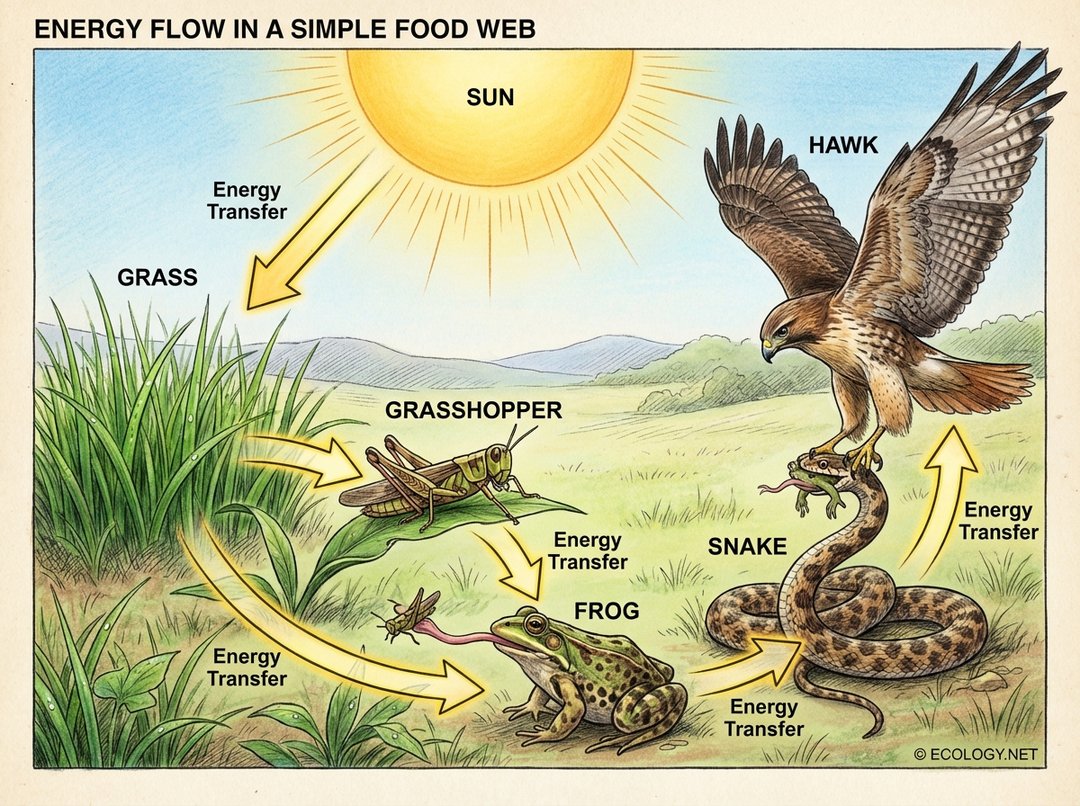
At each step, a significant amount of energy is lost as heat, which is why food chains typically have only a few links. This energy loss means that there are far fewer top predators than there are producers, illustrating the pyramid structure of biomass and energy within an ecosystem.
Nutrient Cycling: Recycling Life’s Building Blocks
Unlike energy, which flows through the system, essential nutrients like carbon, nitrogen, phosphorus, and water are continuously recycled within the biosphere. These biogeochemical cycles ensure that the limited supply of these elements remains available for living organisms.
- The Carbon Cycle: Carbon, a fundamental building block of life, moves between the atmosphere (as carbon dioxide), oceans, land (in living organisms and fossil fuels), and rocks. Photosynthesis takes carbon from the atmosphere, while respiration and decomposition release it back.
- The Nitrogen Cycle: Nitrogen is crucial for proteins and nucleic acids. Atmospheric nitrogen is converted into usable forms by bacteria in the soil and water, then taken up by plants, consumed by animals, and eventually returned to the soil and atmosphere through decomposition.
- The Water Cycle: Water continuously evaporates from bodies of water and land, forms clouds, precipitates as rain or snow, and flows back to oceans and lakes, sustaining all life processes.
These cycles are vital for maintaining the conditions necessary for life, demonstrating the biosphere’s incredible capacity for self-regulation and renewal.
Interconnectedness: The Delicate Balance of the Biosphere
The biosphere is a testament to the power of interconnectedness. Every species, every ecosystem, and every biogeochemical cycle is linked in a complex web of relationships. This intricate network provides essential ecosystem services, the benefits that humans receive from ecosystems.
- Oxygen Production: Forests and oceans produce the oxygen we breathe.
- Water Purification: Wetlands and forests filter pollutants from water.
- Pollination: Insects and other animals pollinate crops and wild plants.
- Climate Regulation: Oceans and forests absorb carbon dioxide, helping to stabilize global temperatures.
- Soil Formation: Decomposers and plant roots contribute to healthy, fertile soils.
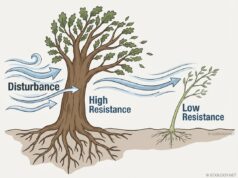
Biodiversity, the variety of life on Earth, is the cornerstone of these services. A diverse ecosystem is generally more resilient and productive, better able to withstand disturbances and adapt to change. Each species, no matter how small, plays a role in maintaining the health and stability of the entire system.
The biosphere is not just a collection of living things; it is a dynamic, self-regulating system where every component, from the smallest microbe to the largest whale, contributes to the overall health and stability of our planet.
Threats to the Biosphere and Our Role
Despite its resilience, the biosphere faces unprecedented challenges, largely due to human activities. Climate change, habitat destruction, pollution, and the overexploitation of resources are disrupting the delicate balance that has sustained life for millions of years.
- Climate Change: Altering global temperature and weather patterns, impacting biomes and species distribution.
- Habitat Loss: Conversion of natural areas for agriculture, urbanization, and industry, leading to species extinction.
- Pollution: Contaminating air, water, and soil with harmful substances, affecting both human and ecosystem health.
- Overexploitation: Unsustainable harvesting of resources like fish, timber, and water.
Understanding the biosphere empowers us to recognize these threats and take action. Protecting biodiversity, promoting sustainable practices, reducing our carbon footprint, and advocating for conservation are not just environmental issues; they are fundamental to our own well-being and the future of life on Earth.
Conclusion: Our Shared Home, Our Shared Responsibility
The biosphere is an extraordinary and precious gift, a vibrant testament to the power of life. It is our shared home, a complex and beautiful system that provides everything we need to survive and thrive. From the microscopic interactions within a single drop of water to the vast cycles that govern our planet, the biosphere is a constant source of wonder and a powerful reminder of our interconnectedness with all living things.
By deepening our understanding of this living zone, we can foster a greater appreciation for its intricate workings and recognize our profound responsibility to protect it. The health of the biosphere is inextricably linked to our own health and future. Let us embrace this knowledge and become stewards of this magnificent, living planet.