Beneath our feet lies a world teeming with life, a complex ecosystem that supports all terrestrial life on Earth: the soil. Far from being mere dirt, healthy soil is a vibrant, living entity, crucial for everything from growing our food to filtering our water and regulating our climate. Yet, human activities and natural processes can degrade this precious resource, leading to barren landscapes and diminished productivity. This is where the vital practice of soil enrichment comes into play, a set of strategies designed to restore, enhance, and sustain the health and fertility of our soils.
Soil enrichment is essentially the art and science of improving soil quality. It involves adding beneficial materials and adopting practices that foster a thriving soil environment. Understanding this concept is not just for farmers and gardeners; it is fundamental for anyone who cares about the planet and the future of food.
The Foundations of Soil Health: What Makes Soil Thrive?
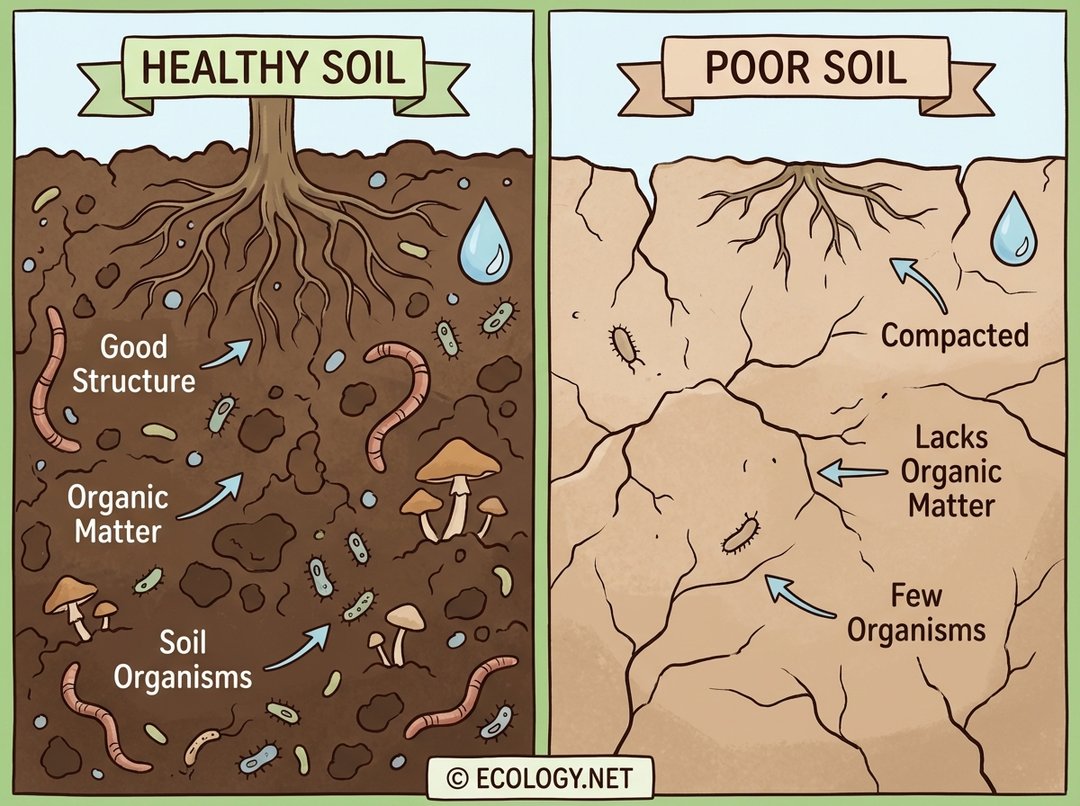
Imagine two gardens. One flourishes with vibrant plants, deep green leaves, and abundant harvests. The other struggles, plants are stunted, leaves are yellow, and yields are meager. The secret often lies beneath the surface, in the soil itself. Healthy soil is characterized by several key attributes:
- Rich Organic Matter: This is the decomposed remains of plants and animals, forming humus. It acts like a sponge, holding water and nutrients, and provides food for soil organisms.
- Good Structure: Healthy soil has a crumbly, porous texture, allowing air and water to penetrate easily, which is vital for root growth and microbial activity.
- Abundant Soil Life: A tablespoon of healthy soil contains billions of microorganisms, along with earthworms, insects, and fungi. These organisms are the unsung heroes, breaking down organic matter, cycling nutrients, and creating soil structure.
- Balanced Nutrients: It provides essential macro and micronutrients in forms readily available to plants.
Conversely, poor soil is often compacted, lacking organic matter, and deficient in the diverse life forms that make it productive. It struggles to retain water, nutrients leach away quickly, and plants find it difficult to establish strong root systems.
Why Soil Enrichment Matters: Beyond Just Bigger Yields
The benefits of enriching soil extend far beyond simply growing healthier plants. It is a holistic approach with profound ecological and economic impacts.
For Plants and Productivity
- Enhanced Growth and Yield: Nutrient-rich, well-structured soil provides an optimal environment for roots to expand, absorb water, and take up essential nutrients, leading to stronger plants and more abundant harvests.
- Increased Disease and Pest Resistance: Healthy soil fosters beneficial microorganisms that can suppress plant pathogens and deter pests, reducing the need for chemical interventions.
- Improved Water Use Efficiency: Organic matter acts like a sponge, significantly increasing the soil’s capacity to hold water, making plants more resilient during dry spells and reducing irrigation needs.
For the Environment
- Carbon Sequestration: Healthy soils, rich in organic matter, act as significant carbon sinks, drawing carbon dioxide from the atmosphere and storing it, which is crucial in mitigating climate change.
- Water Quality Protection: Improved soil structure reduces runoff and erosion, preventing pollutants and excess nutrients from entering waterways. The soil also acts as a natural filter, purifying water as it percolates through.
- Biodiversity Support: A thriving soil ecosystem supports a vast array of life, from microscopic bacteria and fungi to earthworms and insects, forming the base of a healthy food web.
For Human Well-being
- Nutrient-Dense Food: Plants grown in healthy, nutrient-rich soil tend to be more nutritious, contributing to better human health.
- Sustainable Agriculture: Soil enrichment practices are fundamental to sustainable and regenerative agriculture, ensuring long-term productivity without depleting natural resources.
Key Strategies for Effective Soil Enrichment
There are numerous practical ways to enrich soil, ranging from simple garden practices to large-scale agricultural techniques. The best approach often involves a combination of methods tailored to specific soil types and climates.
Composting: The Black Gold of the Garden
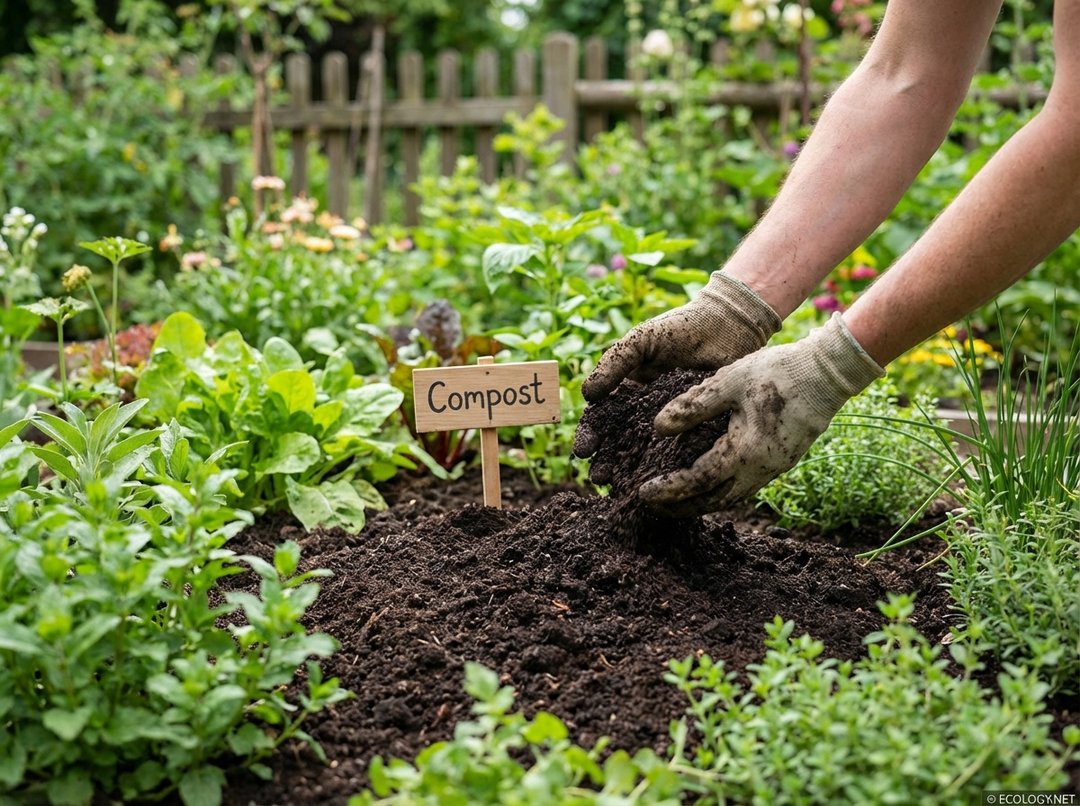
Composting is perhaps the most widely recognized and effective method of soil enrichment. It is the natural process of recycling organic matter, such as leaves, food scraps, and yard waste, into a rich, dark, crumbly material called compost or humus.
Example: A home gardener collects kitchen scraps (fruit and vegetable peels, coffee grounds) and yard waste (grass clippings, fallen leaves) in a compost bin. Over several months, with proper aeration and moisture, these materials decompose into a nutrient-rich soil amendment. This compost is then spread over garden beds, improving soil structure and fertility.
Benefits of Compost:
- Adds a wealth of organic matter.
- Improves soil structure, aeration, and drainage.
- Increases water retention capacity.
- Provides a slow-release source of essential plant nutrients.
- Introduces beneficial microorganisms to the soil.
Cover Cropping: Nature’s Green Blanket
Cover crops are plants grown specifically to protect and enrich the soil, rather than for harvest. They are typically planted during off-seasons or between cash crops.
Common Cover Crops:
- Legumes: Clover, vetch, peas. These plants have a symbiotic relationship with nitrogen-fixing bacteria, enriching the soil with natural nitrogen.
- Grasses: Rye, oats, wheat. These produce abundant biomass, adding organic matter and preventing erosion.
- Brassicas: Radishes, mustard. Some can break up compacted soil with deep taproots.
Example: After harvesting summer vegetables, a farmer plants a cover crop of crimson clover. The clover grows through the fall and winter, preventing soil erosion, suppressing weeds, and fixing nitrogen. In spring, the clover is tilled into the soil or cut and left as mulch, providing a boost of organic matter and nutrients for the next crop.
Incorporating Organic Matter: Beyond Compost
While compost is king, other forms of organic matter are also invaluable for soil enrichment.
- Aged Manure: From livestock, aged manure is a powerful soil amendment, rich in nutrients and organic matter. It must be aged to prevent burning plants and introducing pathogens.
- Leaf Mold: Decomposed leaves create a fantastic soil conditioner, improving soil structure and water retention.
- Green Manures: Similar to cover crops, these are plants grown specifically to be tilled into the soil while still green, adding fresh organic matter and nutrients.
No-Till or Minimum Tillage: Disturbing the Peace Less
Traditional plowing and tilling can disrupt soil structure, destroy fungal networks, and release carbon. No-till or minimum tillage practices aim to disturb the soil as little as possible.
Benefits:
- Preserves soil structure and the intricate networks of soil organisms.
- Reduces soil erosion from wind and water.
- Increases organic matter accumulation over time.
- Reduces fuel consumption and labor.
Crop Rotation: A Strategic Dance of Plants
Planting different crops in the same area in successive seasons helps maintain soil health and fertility.
Benefits:
- Prevents the depletion of specific nutrients, as different plants have different nutrient requirements.
- Disrupts pest and disease cycles that are specific to certain crops.
- Improves soil structure by varying root depths and types.
Example: A gardener might rotate a heavy feeder like corn, followed by a nitrogen-fixing legume like beans, then a root crop like carrots. This cycle helps to balance nutrient uptake and reduce the buildup of crop-specific pests.
Understanding the Soil Ecosystem: A Deeper Dive
For those seeking a more profound understanding, recognizing the soil as a living ecosystem is key. The concept of the soil food web illustrates the intricate network of organisms that live in the soil and their interactions. This web includes bacteria, fungi, protozoa, nematodes, arthropods, and earthworms, all playing crucial roles in nutrient cycling, decomposition, and maintaining soil structure.
When we enrich soil, we are not just adding nutrients for plants; we are feeding this entire microscopic metropolis. Organic matter provides the energy and building blocks for these organisms, which in turn make nutrients available to plants, improve water infiltration, and create a resilient soil environment. A healthy soil food web is the ultimate goal of soil enrichment, leading to a self-sustaining and productive system.
Practical Tips for Every Gardener and Farmer
Embarking on a journey of soil enrichment can seem daunting, but even small steps can make a significant difference.
- Start Small: Begin with a small section of your garden or a few raised beds. Observe the changes and learn what works best for your specific conditions.
- Observe Your Soil: Get to know your soil. Dig a small hole, feel its texture, smell it, and look for signs of life like earthworms. This direct observation is invaluable.
- Test Your Soil: A professional soil test can provide a detailed analysis of your soil’s nutrient levels, pH, and organic matter content. This information is crucial for making informed decisions about what amendments to add.
- Be Patient: Soil enrichment is a long-term investment. It takes time for organic matter to break down and for soil biology to flourish. Consistent effort will yield lasting results.
- Mulch, Mulch, Mulch: Applying a layer of organic mulch (like wood chips, straw, or leaves) around plants helps retain moisture, suppress weeds, regulate soil temperature, and slowly adds organic matter as it decomposes.
Conclusion: Cultivating Life from the Ground Up
Soil enrichment is more than just a gardening technique; it is a philosophy of stewardship, a commitment to nurturing the very foundation of life. By understanding the principles of soil health and implementing practical strategies like composting, cover cropping, and mindful tillage, we can transform depleted soils into vibrant, productive ecosystems. This not only leads to healthier plants and more abundant harvests but also contributes to a more resilient environment, cleaner water, and a stable climate. The future of our planet, and indeed our own well-being, is deeply intertwined with the health of the soil beneath our feet. Let us all become active participants in its enrichment.