Ponds, often overlooked in favor of their larger lake counterparts, are miniature worlds teeming with life and ecological significance. These small, shallow bodies of standing water are far more than just puddles; they are vital freshwater ecosystems that play a crucial role in global biodiversity and environmental health. Understanding ponds means appreciating their unique characteristics, the intricate web of life they support, and their indispensable contributions to the natural world.
What Exactly is a Pond? Defining a Dynamic Ecosystem
At its core, a pond is a relatively small, shallow body of standing water. While there is no universally agreed-upon scientific definition that precisely delineates a pond from a lake, several key characteristics help distinguish them. Ponds are typically shallow enough for sunlight to penetrate to the bottom across most of their surface, allowing rooted aquatic plants to grow throughout. This uniform light penetration often leads to a more consistent water temperature from surface to bottom, unlike the stratified layers found in deeper lakes.
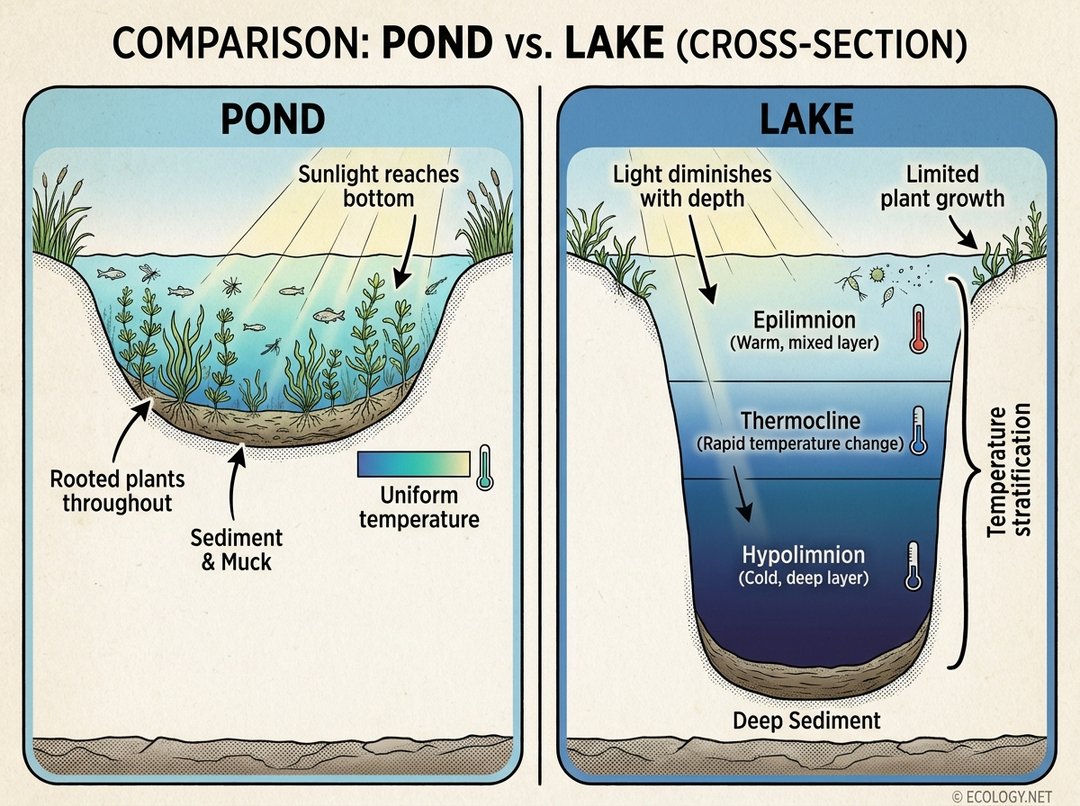
The distinction between a pond and a lake is often a matter of depth and size, with ponds generally being smaller and shallower. Here are some common differentiating factors:
- Depth: Ponds are typically shallow, allowing light to reach the bottom. Lakes are generally much deeper, with areas where light cannot penetrate.
- Vegetation: In ponds, rooted plants can grow across the entire bottom. In lakes, rooted plants are usually confined to the shallow edges, known as the littoral zone.
- Temperature: Ponds often have a uniform temperature from top to bottom. Lakes frequently exhibit temperature stratification, with distinct warm and cold layers.
- Wave Action: Ponds experience minimal wave action. Lakes can have significant wave action, especially larger ones, which influences their shorelines and sediment distribution.
Natural Versus Artificial Ponds
Ponds can be formed through various natural processes or created by human intervention. Natural ponds often arise from glacial activity, river oxbows, depressions in the landscape, or even beaver activity. Artificial ponds, on the other hand, are constructed for purposes such as:
- Agricultural use: For livestock watering or irrigation.
- Stormwater management: To collect and slowly release rainwater runoff.
- Ornamental purposes: For aesthetic beauty in gardens and parks.
- Wildlife habitats: Specifically designed to support local flora and fauna.
Regardless of their origin, all ponds share fundamental ecological principles and contribute to the broader aquatic landscape.
The Vibrant Web of Life in a Pond Ecosystem
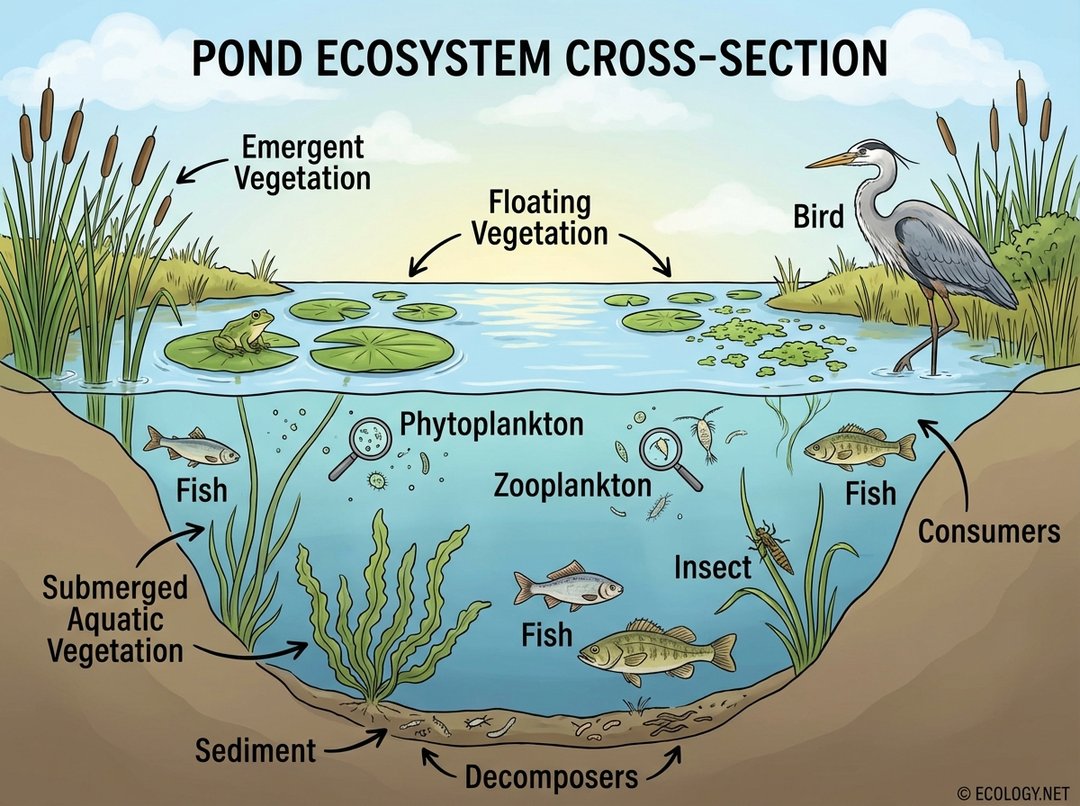
Ponds are bustling hubs of biodiversity, supporting an incredible array of life forms from microscopic organisms to larger vertebrates. The relatively shallow depth and abundant light create ideal conditions for a complex food web, making ponds exceptionally productive ecosystems.
Producers: The Foundation of Pond Life
The base of the pond food web consists of producers, organisms that create their own food through photosynthesis. These include:
- Phytoplankton: Microscopic algae that float in the water column, forming the primary food source for many small aquatic animals.
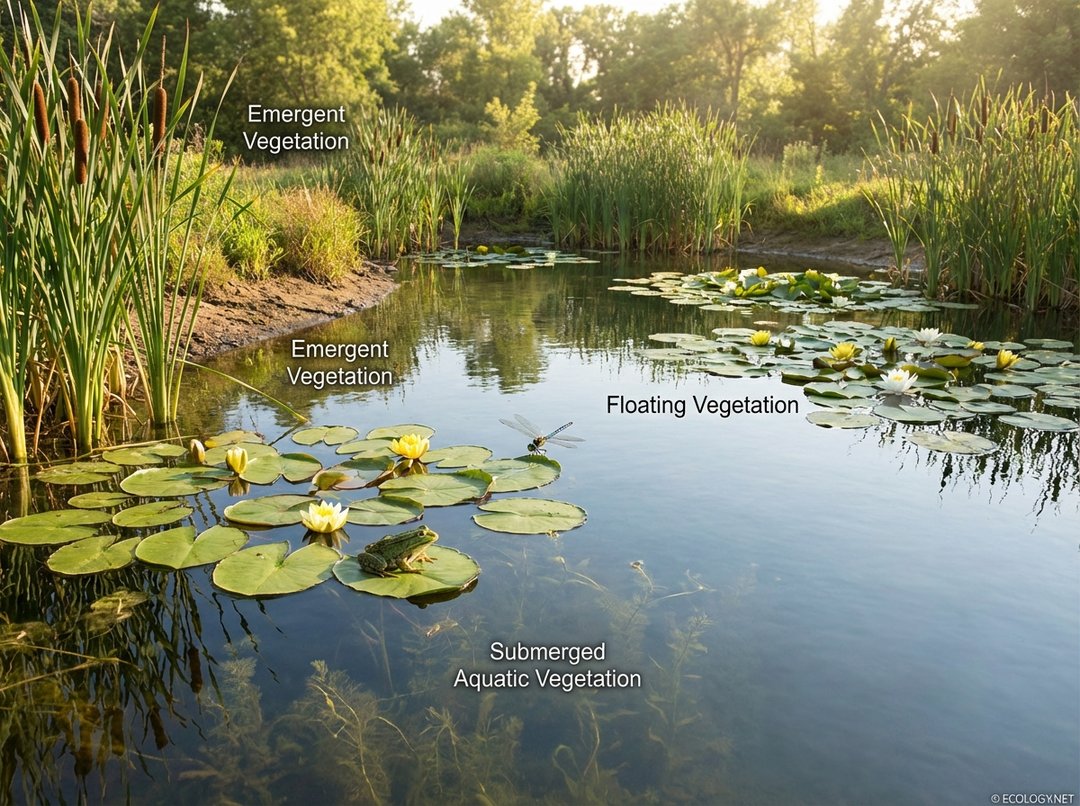
- Submerged Aquatic Vegetation (SAV): Plants like pondweed and coontail that grow entirely underwater, providing oxygen and habitat.
- Floating Vegetation: Plants such as lily pads and duckweed that float on the surface, offering shade and shelter.
- Emergent Vegetation: Plants like cattails, reeds, and rushes that grow along the pond’s edges, with roots in the water and stems extending above the surface. These plants stabilize shorelines and provide crucial habitat.
Consumers: A Diverse Cast of Characters
Ponds are home to a wide range of consumers, each playing a specific role in the ecosystem:
- Primary Consumers (Herbivores):
- Zooplankton: Microscopic animals that graze on phytoplankton.
- Aquatic Insects: Larvae of dragonflies, damselflies, mayflies, and caddisflies that feed on algae and plant matter.
- Snails and Tadpoles: Grazers that consume algae and decaying plant material.
- Secondary Consumers (Carnivores/Omnivores):
- Fish: Species like minnows, sunfish, and bass feed on insects, smaller fish, and zooplankton.
- Amphibians: Frogs, toads, and salamanders consume insects and other small invertebrates.
- Larger Aquatic Insects: Predatory diving beetles and water striders hunt smaller insects and tadpoles.
- Tertiary Consumers (Top Predators):
- Birds: Herons, kingfishers, and ducks feed on fish, amphibians, and insects.
- Mammals: Raccoons, muskrats, and otters forage for food in and around ponds.
- Larger Fish: Some fish species occupy the top predator niche within the pond.
Decomposers: Nature’s Recyclers
At the bottom of the food web, both literally and figuratively, are the decomposers. Bacteria, fungi, and detritivores (such as worms and certain insect larvae) break down dead organic matter from plants and animals. This process recycles essential nutrients back into the pond, making them available for producers to use again, thus sustaining the entire ecosystem.
The Ecological Importance of Ponds
Despite their modest size, ponds deliver outsized ecological benefits. They are critical components of the landscape, providing services that extend far beyond their immediate boundaries.
Biodiversity Hotspots
Ponds are often referred to as biodiversity hotspots. Their shallow, warm waters and abundant vegetation create a mosaic of microhabitats that support a greater density and variety of species than many larger aquatic systems. They are particularly important for:
- Amphibians: Many frog, toad, and salamander species rely on ponds for breeding and early life stages.
- Insects: Ponds are crucial breeding grounds for dragonflies, damselflies, and a multitude of other aquatic insects, which in turn provide food for birds and bats.
- Migratory Birds: Ponds serve as vital stopover points, feeding grounds, and nesting sites for numerous migratory waterfowl and wading birds.
- Rare Species: Many endangered or threatened species are specifically adapted to pond environments.
Water Quality Regulation and Hydrological Services
Ponds act as natural filters and regulators within the hydrological cycle:
- Water Filtration: Aquatic plants and microorganisms in ponds can filter out pollutants, excess nutrients, and sediments from runoff, improving water quality downstream.
- Groundwater Recharge: Many ponds contribute to groundwater recharge, replenishing underground aquifers.
- Flood Control: Ponds can temporarily store excess rainwater, reducing the risk of flooding in surrounding areas.
- Microclimate Regulation: The presence of ponds can moderate local temperatures and increase humidity, creating unique microclimates that benefit surrounding terrestrial ecosystems.
Threats and Conservation of Pond Ecosystems
Despite their immense value, pond ecosystems face numerous threats from human activities and environmental changes. Protecting and restoring these vital habitats is crucial for maintaining biodiversity and ecological balance.
Major Threats to Ponds
- Pollution: Runoff from agriculture (pesticides, fertilizers), urban areas (chemicals, litter), and industrial sites can introduce harmful substances and excess nutrients, leading to algal blooms and oxygen depletion.
- Habitat Loss and Fragmentation: Ponds are often filled in for development, agriculture, or road construction. This direct loss, along with the fragmentation of surrounding natural areas, isolates pond populations and reduces overall biodiversity.
- Invasive Species: Non-native plants and animals can outcompete native species, disrupt food webs, and alter pond structure and function. Examples include invasive aquatic plants like water hyacinth or animal species like bullfrogs in non-native ranges.
- Climate Change: Altered precipitation patterns, increased temperatures, and more frequent extreme weather events can lead to changes in water levels, temperature regimes, and species distribution, impacting pond health.
Practical Steps for Pond Conservation and Creation
Individuals and communities can make a significant difference in protecting and even creating pond habitats:
- Reduce Pollution: Support sustainable agricultural practices, minimize chemical use in gardens, and properly dispose of waste.
- Protect Existing Ponds: Advocate for the protection of natural ponds and their surrounding buffer zones.
- Create New Ponds: Constructing new ponds, even small garden ponds, can provide valuable habitat. When creating a pond, consider:
- Location: Choose a site away from large trees to minimize leaf litter and ensure adequate sunlight.
- Design: Incorporate varying depths and gently sloping sides to accommodate diverse plant and animal life.
- Native Plants: Use native aquatic plants to provide food and shelter for local wildlife.
- No Fish (for amphibian ponds): For amphibian breeding ponds, it is often best to avoid introducing fish, as they can prey on eggs and tadpoles.
- Manage Invasive Species: Learn to identify and remove invasive species from ponds and surrounding areas.
- Educate Others: Share knowledge about the importance of ponds and encourage others to participate in conservation efforts.
Conclusion: The Enduring Value of Ponds
Ponds are much more than simple puddles; they are dynamic, complex ecosystems that are indispensable to the health of our planet. From their role in supporting an astonishing array of biodiversity to their critical functions in water purification and flood control, ponds provide invaluable ecological services. By understanding their unique characteristics, appreciating the life they harbor, and actively participating in their conservation, we can ensure that these miniature aquatic worlds continue to thrive for generations to come, enriching both nature and human well-being.