In the intricate tapestry of life on Earth, countless elements play crucial roles, often unseen and unappreciated. Among these silent architects of our planet’s health, one stands out for its profound impact on everything from the food we eat to the air we breathe: organic matter. Far from being mere dirt, organic matter is a dynamic, living component of our ecosystems, a testament to the continuous cycle of life, death, and renewal.
Imagine the vibrant green of a forest, the rich bounty of a fertile farm field, or the clear waters of a healthy stream. What underpins their vitality? Often, it is the humble, yet powerful, presence of organic matter. This article will embark on a journey to uncover the secrets of this essential substance, exploring its definition, origins, immense importance, and how we can better understand and manage it for a healthier planet.
What Exactly Is Organic Matter?
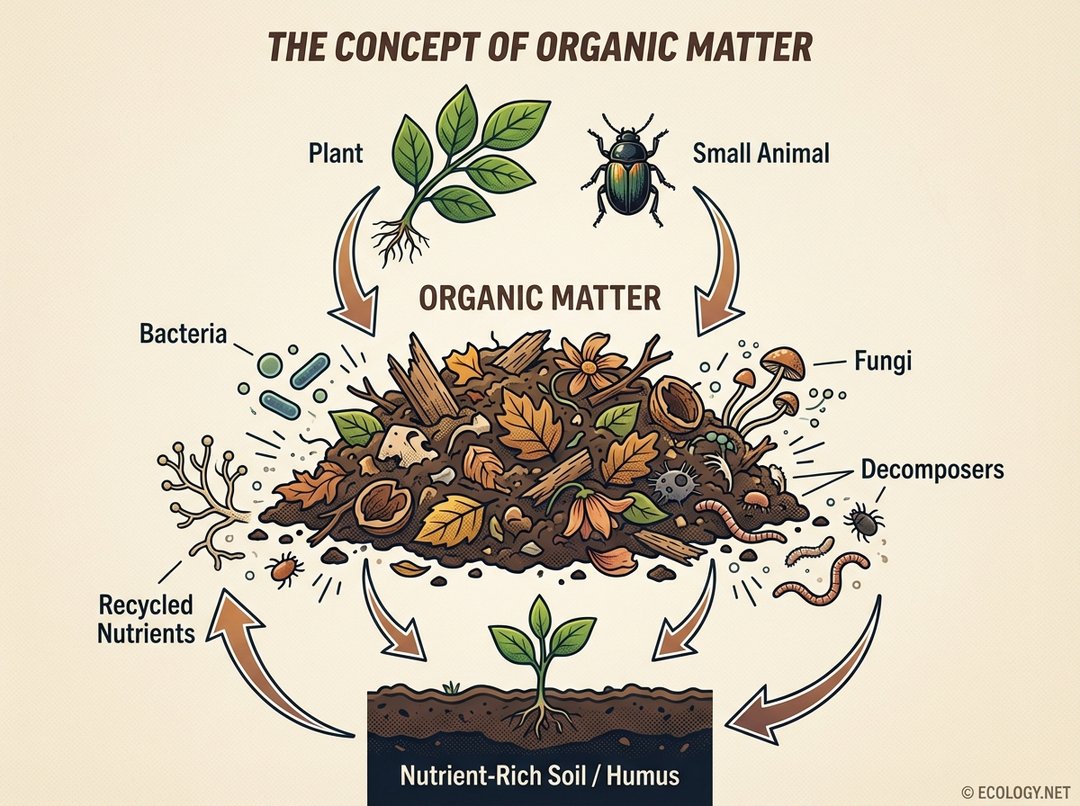
At its core, organic matter is any material that originated from living organisms. This broad definition encompasses a vast array of substances, from the freshly fallen leaf on a forest floor to the complex, stable compounds deep within the soil. It is the biological legacy of plants, animals, and microbes, undergoing a continuous process of transformation.
Think of it as nature’s recycling program. When a plant sheds its leaves, an animal dies, or a microbe completes its life cycle, their remains become raw material for organic matter. These materials are not static; they are constantly being broken down, altered, and synthesized by a diverse community of decomposers, primarily bacteria, fungi, and various invertebrates like earthworms.
The composition of organic matter is incredibly diverse, including:
- Fresh residues: Recently deceased plant and animal tissues.
- Decomposing organic matter: Materials in various stages of breakdown.
- Humus: Stable, highly decomposed organic matter that is resistant to further rapid decay. This dark, amorphous substance is crucial for long-term soil fertility.
- Living organisms: The microbes themselves, which are an integral part of the organic matter pool.
It is this dynamic interplay of living and non-living components, constantly transforming and interacting, that makes organic matter such a vital ingredient in all ecosystems.
Where Does Organic Matter Come From? The Great Cycle of Life
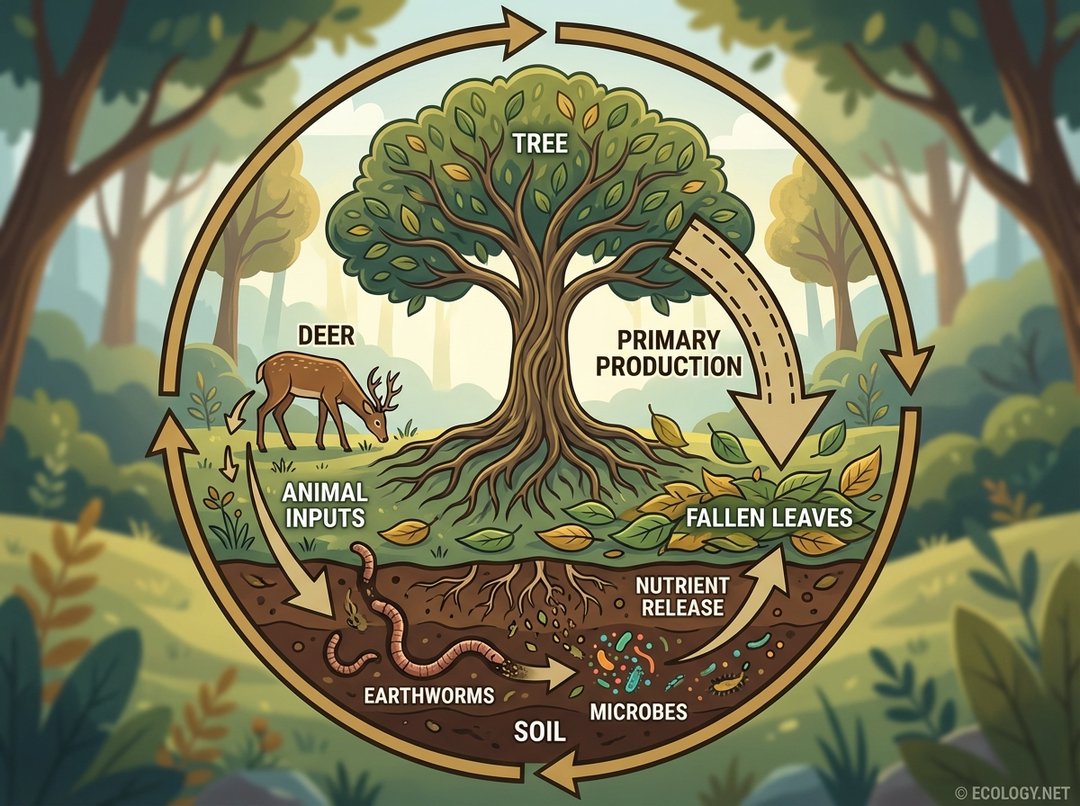
The origins of organic matter are as diverse as life itself, stemming from a continuous, elegant cycle that underpins all terrestrial and aquatic ecosystems. This cycle is a testament to nature’s efficiency, ensuring that nothing truly goes to waste.
The primary sources of organic matter can be broadly categorized:
- Plant Contributions (Primary Production): Plants are the ultimate producers of organic matter. Through photosynthesis, they convert sunlight, water, and carbon dioxide into sugars, which form the building blocks of their leaves, stems, roots, and fruits. When plants die, shed leaves, or drop branches, this vast biomass becomes the initial input of organic matter into the system. For example, a deciduous forest floor is annually blanketed by tons of fallen leaves, twigs, and bark, all destined to become organic matter.
- Animal Contributions: Animals contribute organic matter through their waste products (feces and urine) and their bodies after death. Grazing animals, for instance, deposit nutrient-rich manure directly onto the soil, while the remains of insects, birds, and mammals add to the organic pool upon their demise. Consider the role of a herd of bison on a prairie, whose grazing patterns and waste products significantly influence the soil’s organic content.
- Microbial Contributions: While often overlooked, microbes themselves are a significant source of organic matter. As bacteria, fungi, and other microorganisms live, grow, and die, their cellular material contributes to the overall organic pool. More importantly, microbes are the primary agents of decomposition, breaking down complex organic compounds into simpler forms, and in the process, creating new, more stable forms of organic matter.
This continuous input is then processed by an army of decomposers. Earthworms burrow through the soil, ingesting organic debris and mixing it with mineral particles. Fungi extend their hyphae through decaying wood, breaking down tough cellulose and lignin. Bacteria, the microscopic workhorses, metabolize a vast array of organic compounds. This decomposition process releases nutrients back into the ecosystem, making them available for new plant growth, thus completing the cycle.
Why is Organic Matter Important? The Unsung Hero of Ecosystems
The significance of organic matter extends far beyond its role as a mere byproduct of life. It is a cornerstone of ecological health, performing a multitude of functions that are vital for the survival of countless species, including our own.
Soil Health: The Foundation of Life
Perhaps the most widely recognized and critical role of organic matter is its profound influence on soil health. Healthy soil is the bedrock of agriculture, supporting the growth of crops that feed the world. Organic matter transforms ordinary dirt into a living, breathing medium capable of sustaining vibrant ecosystems.
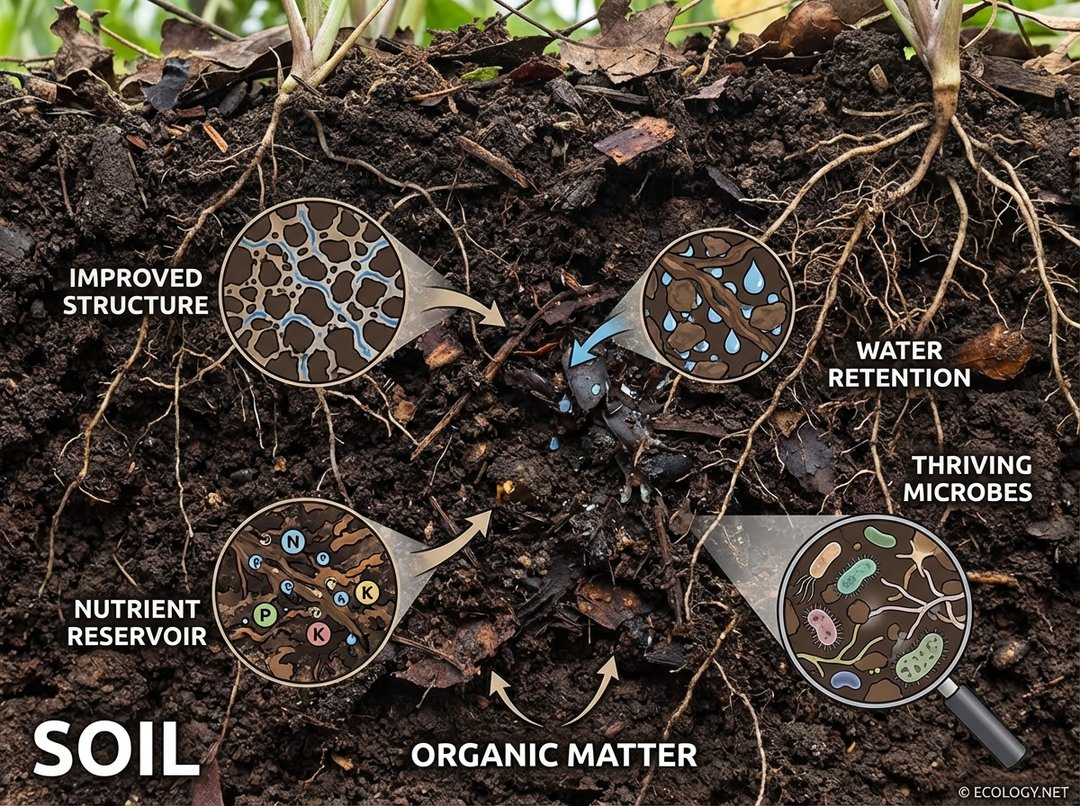
- Improved Soil Structure: Organic matter acts like a glue, binding mineral particles together to form stable aggregates. This aggregation creates a crumbly, porous soil structure that allows for better aeration and drainage. Imagine trying to grow plants in compacted clay versus loose, rich garden soil; the difference is largely due to organic matter.
- Enhanced Water Retention: Organic matter has an incredible capacity to absorb and hold water, much like a sponge. Soils rich in organic matter can retain significantly more moisture, making them more resilient to drought and reducing the need for irrigation. This is particularly crucial in arid regions or during dry spells, where every drop of water counts.
- Nutrient Reservoir and Cycling: Organic matter is a vast storehouse of essential plant nutrients, including nitrogen, phosphorus, and sulfur. As it decomposes, these nutrients are slowly released in forms that plants can readily absorb. This slow-release mechanism provides a steady supply of food for plants, reducing the reliance on synthetic fertilizers and preventing nutrient runoff into waterways.
- Habitat for Soil Microbes: Organic matter is the primary food source and habitat for the teeming microscopic life within the soil. A single teaspoon of healthy soil can contain billions of bacteria and miles of fungal hyphae. These microbes are essential for nutrient cycling, disease suppression, and overall soil vitality. Without organic matter, this vital underground ecosystem would collapse.
- Buffering Capacity: Organic matter helps buffer soil pH, making it more resistant to drastic changes in acidity or alkalinity. This stability is crucial for optimal nutrient availability and microbial activity.
Beyond Soil: Broader Ecological Roles
While its impact on soil is paramount, organic matter’s influence extends to broader ecological functions:
- Carbon Sequestration: Organic matter is a significant global carbon sink. Plants absorb carbon dioxide from the atmosphere, and when they die, a portion of that carbon is stored in the soil as organic matter. Increasing soil organic matter is a powerful strategy for mitigating climate change by drawing carbon out of the atmosphere and locking it away in the ground.
- Biodiversity Support: Healthy soils rich in organic matter support a greater diversity of life, both above and below ground. From microscopic nematodes to burrowing mammals, a thriving soil food web contributes to overall ecosystem resilience and health.
- Water Quality: By improving soil structure and water infiltration, organic matter reduces surface runoff and erosion. This, in turn, helps prevent pollutants and excess nutrients from entering rivers, lakes, and oceans, thereby improving water quality.
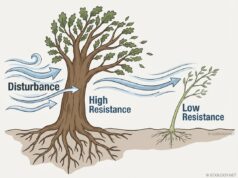
- Ecosystem Stability: In natural ecosystems like forests and wetlands, organic matter plays a critical role in maintaining stability. It provides a continuous source of energy and nutrients, supports complex food webs, and helps ecosystems recover from disturbances.
Types of Organic Matter: A Deeper Dive
Not all organic matter is created equal. Ecologists and soil scientists often categorize organic matter based on its stage of decomposition and its association with mineral particles. Understanding these distinctions provides a more nuanced view of its functions.
- Labile Organic Matter: This refers to the fresh, easily decomposable organic materials. It includes plant and animal residues that have recently entered the soil, as well as the living biomass of microbes. Labile organic matter is a readily available food source for soil organisms and drives much of the immediate nutrient cycling. However, it is short-lived, breaking down relatively quickly.
- Stable Organic Matter (Humus): This is the highly decomposed, recalcitrant fraction of organic matter. Humus is dark, amorphous, and resistant to further rapid microbial breakdown. It forms over long periods through complex biochemical processes. Humus is responsible for many of the long-term benefits of organic matter, such as improved soil structure, water retention, and nutrient storage. It can persist in the soil for decades, centuries, or even millennia.
- Particulate Organic Matter (POM): This fraction consists of physically identifiable plant and animal fragments that are still undergoing decomposition. It is larger than microbial cells but smaller than fresh residues. POM is an important intermediate stage, providing a bridge between fresh inputs and stable humus. It is often associated with nutrient cycling and provides habitat for certain soil organisms.
- Mineral-Associated Organic Matter (MAOM): This refers to organic matter that is chemically or physically bound to soil mineral particles, particularly clays. MAOM is highly stable and protected from decomposition due to its strong association with minerals. It represents a significant, long-term carbon sink in soils and plays a crucial role in the formation of stable soil aggregates.
The balance between these different types of organic matter is critical for a healthy, functioning soil ecosystem. A dynamic system will have a continuous input of labile organic matter to feed microbes, while also building up a stable reservoir of humus and MAOM for long-term benefits.
Managing Organic Matter: Practical Insights
Given its immense importance, actively managing and enhancing organic matter levels is a key strategy for sustainable land use, whether in agriculture, forestry, or urban landscapes. Here are some practical approaches:
In Agriculture and Gardening:
- Composting: Turning organic waste (food scraps, yard trimmings) into nutrient-rich compost is an excellent way to create stable organic matter for soil amendment. Composting diverts waste from landfills and returns valuable resources to the soil.
- Cover Cropping: Planting non-cash crops (e.g., clover, rye) during fallow periods helps protect the soil from erosion, suppress weeds, and, most importantly, add biomass that decomposes into organic matter.
- No-Till or Reduced Tillage: Minimizing soil disturbance through no-till or reduced tillage practices helps preserve existing organic matter, prevents its oxidation, and encourages the growth of beneficial soil fungi.
- Crop Rotation: Diversifying crops over time, especially including legumes and deep-rooted plants, can enhance organic matter inputs and improve soil health.
- Adding Manure and Biochar: Incorporating animal manure (composted or aged) and biochar (charcoal produced from biomass) can significantly boost soil organic matter content and its benefits.
- Mulching: Applying a layer of organic material (wood chips, straw, leaves) to the soil surface helps conserve moisture, suppress weeds, and slowly break down to add organic matter.
In Natural Ecosystems and Land Management:
- Forest Management: Sustainable forestry practices that minimize soil disturbance, retain woody debris, and encourage diverse tree species contribute to healthy forest floor organic matter.
- Wetland Preservation: Wetlands are natural powerhouses for organic matter accumulation, particularly peatlands, which store vast amounts of carbon. Protecting and restoring these ecosystems is crucial.
- Restoration Ecology: In degraded areas, introducing native plant species and promoting natural decomposition processes can help rebuild organic matter and restore ecosystem function.
- Fire Management: While destructive in excess, controlled burns can sometimes play a role in nutrient cycling and organic matter dynamics in fire-adapted ecosystems.
Understanding and actively promoting the accumulation and health of organic matter is not just an ecological ideal; it is a practical necessity for a sustainable future. It is a testament to the interconnectedness of life, where the remnants of the past nourish the growth of tomorrow.
Conclusion
Organic matter, often unseen and uncelebrated, is a true marvel of the natural world. From the microscopic processes of decomposition to its macroscopic impact on global climate, its influence is pervasive and profound. It is the lifeblood of our soils, the engine of nutrient cycles, and a critical buffer against environmental challenges.
By appreciating the intricate dance of life and death that creates and sustains organic matter, we gain a deeper understanding of the planet’s fundamental processes. Whether you are a farmer, a gardener, a conservationist, or simply someone who enjoys the beauty of a thriving ecosystem, recognizing the power of organic matter is the first step towards fostering a healthier, more resilient world. Let us champion this unsung hero, for in its vitality lies the promise of a sustainable future for all.