Unveiling the World of Heterotrophs: Earth’s Ultimate Consumers
Life on Earth is a vibrant tapestry woven from countless organisms, each playing a unique role in the grand ecological drama. At the heart of this intricate system lies a fundamental challenge for every living being: how to acquire the energy and nutrients necessary for survival, growth, and reproduction. While some organisms possess the remarkable ability to create their own sustenance, the vast majority rely on a different strategy, one that makes them the ultimate consumers of our planet. These are the heterotrophs, a diverse and indispensable group of organisms that power ecosystems by feeding on others.
The Core Distinction: Autotrophs vs. Heterotrophs
To truly understand heterotrophs, it is essential to first grasp the fundamental division in how life obtains energy. Imagine a world where all organisms could simply conjure food from thin air. While a fascinating thought, reality presents a more complex and interdependent picture.
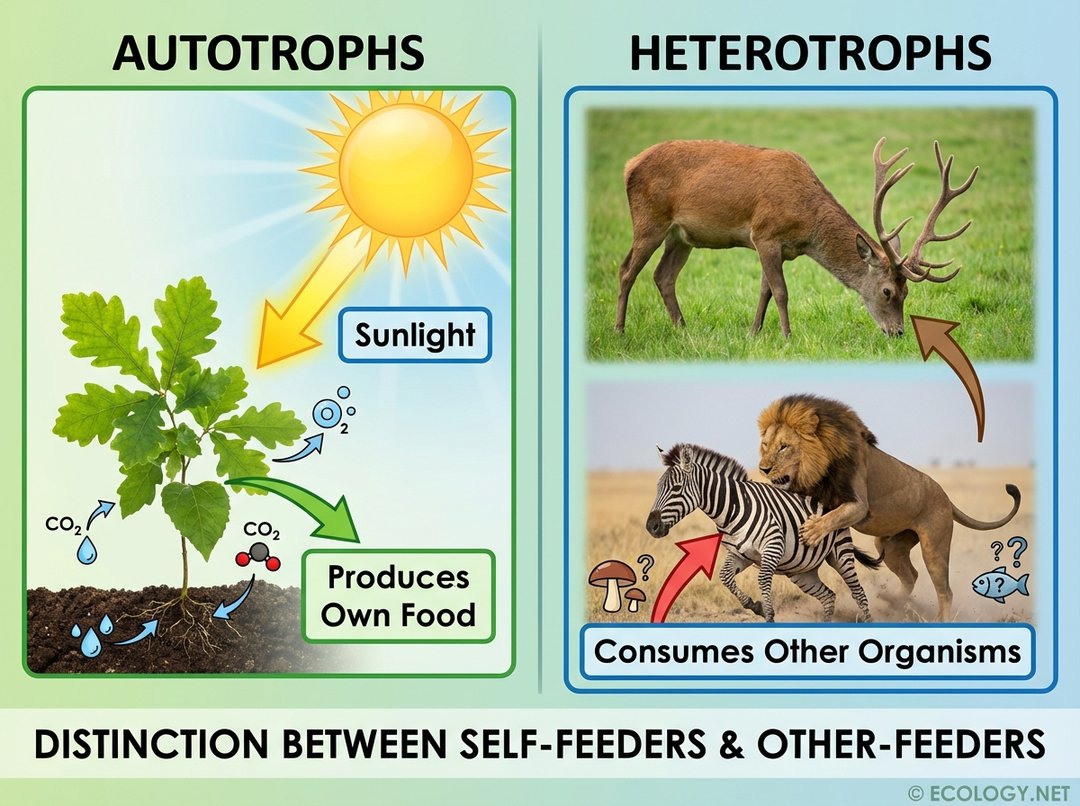
On one side are the autotrophs, often called “self-feeders” or producers. These incredible organisms, primarily plants, algae, and some bacteria, harness energy from non-living sources, most commonly sunlight through photosynthesis, to synthesize their own organic compounds. They are the bedrock of nearly every ecosystem, converting raw energy into usable forms that fuel all other life.
On the other side stand the heterotrophs, meaning “other-feeders” or consumers. Unlike autotrophs, heterotrophs cannot produce their own food. Instead, they must obtain energy and nutrients by consuming organic matter produced by other organisms. This reliance on external food sources defines their existence and places them in a critical position within the flow of energy through an ecosystem.
A Spectrum of Survival: Diverse Feeding Strategies of Heterotrophs
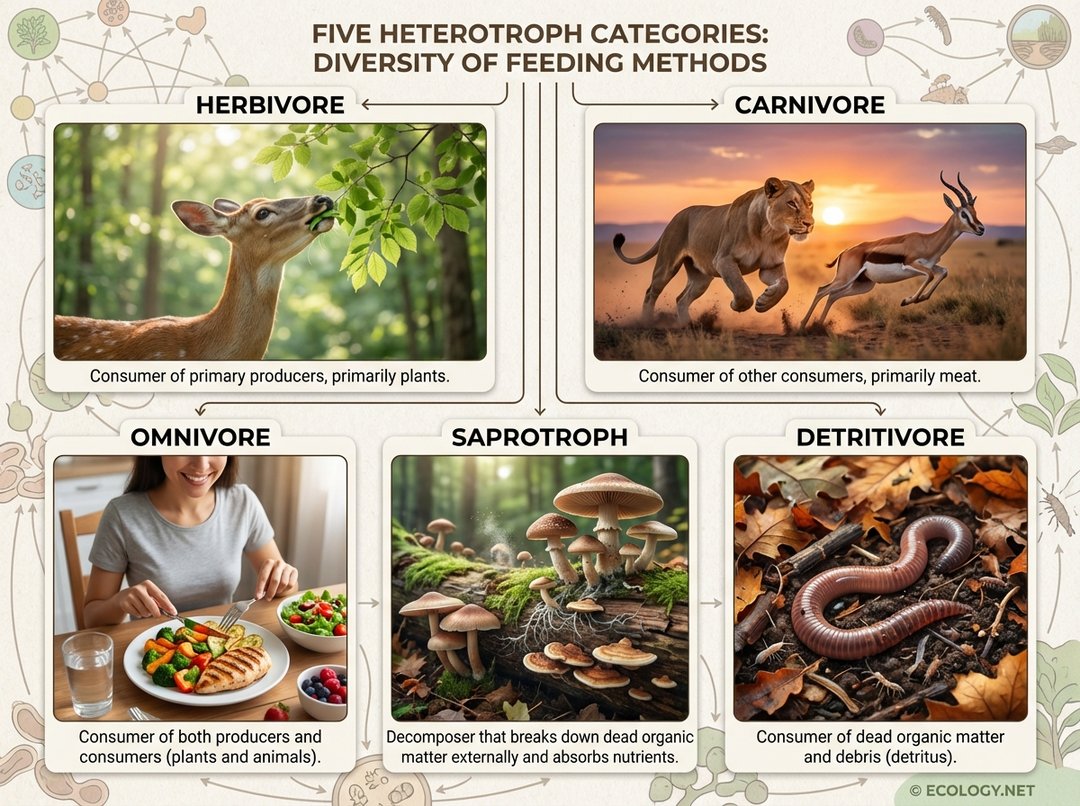
The term “heterotroph” encompasses an astonishing array of life forms, from microscopic bacteria to the largest whales. Their methods of acquiring food are as varied as the organisms themselves, leading to distinct classifications based on their dietary preferences. Understanding these categories reveals the intricate ways life adapts to its environment.
Herbivores: The Plant Eaters
Herbivores are heterotrophs that specialize in consuming plant material. They are the primary consumers in most ecosystems, directly feeding on producers. Their bodies are often adapted for processing tough plant fibers, with specialized teeth, digestive systems, and symbiotic gut bacteria to break down cellulose.
- Examples: Deer, rabbits, cows, elephants, caterpillars, grasshoppers, and many species of fish.
- Ecological Role: They transfer energy from plants to higher trophic levels, playing a crucial role in controlling plant populations and shaping vegetation landscapes.
Carnivores: The Meat Eaters
Carnivores are heterotrophs that primarily consume other animals. Their adaptations often include sharp teeth, claws, powerful jaws, keen senses, and predatory instincts to hunt, capture, and process animal prey. Carnivores can be further divided into predators, which hunt live prey, and scavengers, which feed on dead animals.
- Examples: Lions, wolves, eagles, sharks, spiders, and many snakes.
- Ecological Role: They regulate populations of herbivores and other carnivores, preventing overgrazing and maintaining ecosystem balance.
Omnivores: The Versatile Eaters
Omnivores are the generalists of the heterotrophic world, possessing the ability to consume both plant and animal matter. This flexible diet often provides them with a broader range of food sources, allowing them to thrive in diverse environments and adapt to changing conditions.
- Examples: Humans, bears, raccoons, pigs, chickens, and many bird species.
- Ecological Role: Their varied diet allows them to occupy multiple trophic levels, contributing to the stability and resilience of food webs.
Detritivores: Nature’s Clean-Up Crew
Detritivores are heterotrophs that feed on detritus, which consists of dead organic matter such as decaying plants, animals, and feces. They play an absolutely vital role in ecosystems by breaking down this material into smaller fragments, making nutrients available for other organisms.
- Examples: Earthworms, millipedes, dung beetles, woodlice, and some types of crabs.
- Ecological Role: They initiate the decomposition process, recycling organic matter and enriching soil quality, which is essential for plant growth.
Saprotrophs: The Decomposers Extraordinaire
Saprotrophs are a specialized type of heterotroph, primarily fungi and bacteria, that obtain nutrients by secreting digestive enzymes onto dead organic matter and then absorbing the broken-down molecules. Unlike detritivores, they do not ingest solid particles but rather digest externally.
- Examples: Mushrooms, molds, yeasts, and many species of bacteria.
- Ecological Role: They are the ultimate recyclers, completing the decomposition process started by detritivores and returning essential inorganic nutrients to the soil and atmosphere, making them available for producers once more.
The Interconnected Web: Heterotrophs and Trophic Levels
The feeding relationships among heterotrophs and autotrophs are not random; they form complex structures known as food webs. These webs illustrate the flow of energy and nutrients through an ecosystem, organized into distinct feeding positions called trophic levels.
Producers: The Foundation of Life
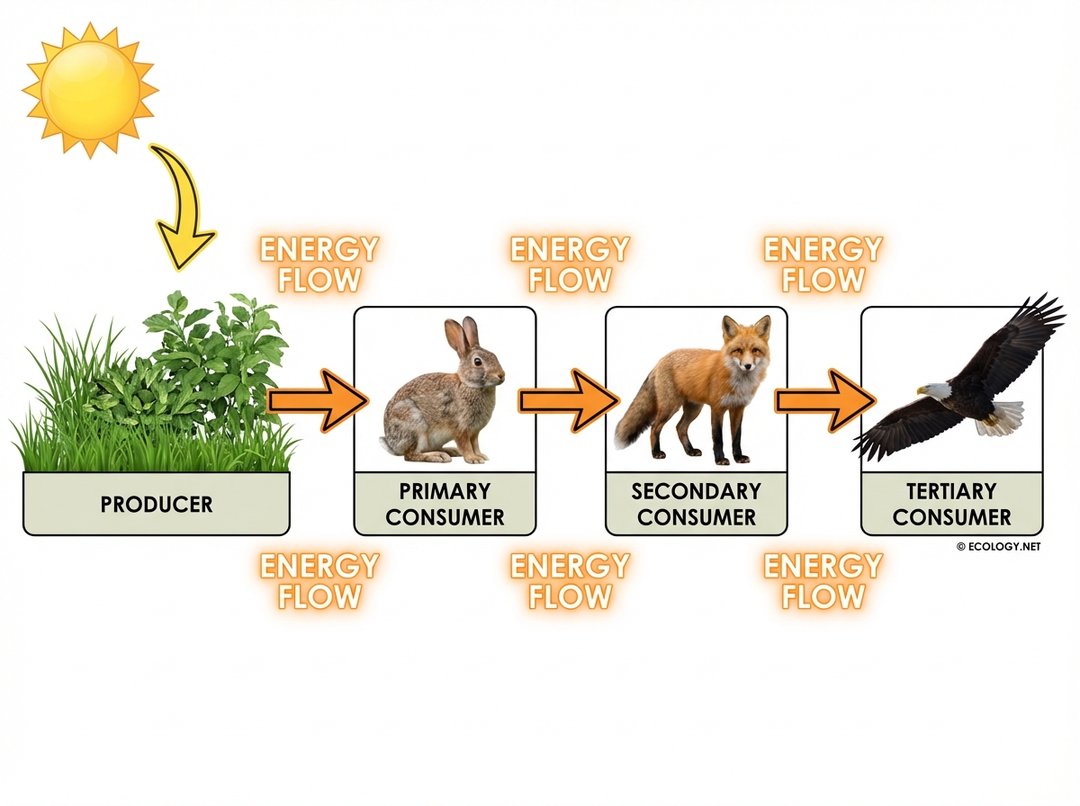
At the very bottom of every food web are the autotrophs, the producers. They convert solar or chemical energy into organic matter, forming the base upon which all other life depends.
Primary Consumers: First in Line
The next trophic level consists of the primary consumers, which are typically herbivores. They directly consume producers, transferring the energy stored in plants to the animal kingdom.
Secondary Consumers: Eating the Eaters
Secondary consumers occupy the third trophic level. These are carnivores or omnivores that feed on primary consumers. For example, a fox that eats a rabbit is a secondary consumer.
Tertiary Consumers and Beyond: Apex Predators
Higher trophic levels include tertiary consumers, which feed on secondary consumers, and sometimes quaternary consumers, which feed on tertiary consumers. Organisms at the very top of the food chain, with no natural predators, are often called apex predators.
The Vital Role of Decomposers in the Web
While not typically assigned a single trophic level in the linear food chain, detritivores and saprotrophs are integral to every level. They break down dead organic matter from all trophic levels, ensuring that nutrients are recycled back into the ecosystem, completing the cycle of life and death.
Energy flows upward through these trophic levels, but with each transfer, a significant amount of energy is lost, primarily as heat. This explains why there are fewer organisms at higher trophic levels and why food chains rarely extend beyond four or five links.
The Indispensable Role of Heterotrophs in Ecosystems
Heterotrophs are far more than just eaters; they are active architects and maintainers of ecological balance. Their collective actions drive many of the processes that make Earth habitable.
- Population Regulation: Predators keep herbivore populations in check, preventing overgrazing and allowing plant communities to thrive. Similarly, competition among herbivores can influence plant diversity.
- Nutrient Cycling: Detritivores and saprotrophs are the unsung heroes of nutrient cycling. Without them, dead organic matter would accumulate indefinitely, locking away essential nutrients and preventing new life from flourishing. They transform complex organic compounds into simpler inorganic forms that producers can reuse.
- Maintaining Biodiversity: The intricate relationships between heterotrophs and their food sources foster biodiversity. The presence of diverse consumers can lead to a mosaic of habitats and species interactions, promoting a richer and more resilient ecosystem.
- Ecosystem Engineering: Some heterotrophs, like earthworms, physically alter their environment, improving soil aeration and water infiltration, which benefits plant growth.
Humans, as highly successful omnivores, represent a dominant heterotrophic force on the planet. Our consumption patterns and resource demands have profound impacts on ecosystems globally, underscoring the immense power and responsibility that comes with being a consumer.
Conclusion: Celebrating Earth’s Diverse Consumers
From the smallest bacterium breaking down a fallen leaf to the largest whale filtering krill, heterotrophs are an essential and dynamic component of every ecosystem on Earth. They are the engines of energy transfer, the regulators of populations, and the tireless recyclers of nutrients. Their diverse feeding strategies and interconnected relationships form the very fabric of life, demonstrating the profound interdependence of all living things.
Understanding heterotrophs is not merely an academic exercise; it is key to appreciating the delicate balance of nature and recognizing our own place within this magnificent web of life. As we continue to explore and interact with the natural world, a deeper knowledge of these vital consumers helps us to better conserve and manage the precious biodiversity that sustains us all.