In the intricate tapestry of life, every organism plays a unique role, shaped by its environment and evolutionary history. One of the most fascinating ways ecologists categorize these diverse strategies is through the concept of r- and K-selection. Understanding these fundamental life history strategies provides profound insights into how species survive, reproduce, and interact within their ecosystems. This article delves deep into the world of r-selected species, exploring their defining characteristics, ecological roles, and why they are so crucial to the planet’s biodiversity.
What are R-Selected Species? A Fundamental Concept
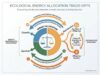
At the heart of ecological theory lies the idea that organisms face trade-offs in how they allocate their energy. Should they invest in producing many offspring with little care, or fewer offspring with significant investment? This question leads us to the distinction between r-selected and K-selected species, a concept derived from population growth models.
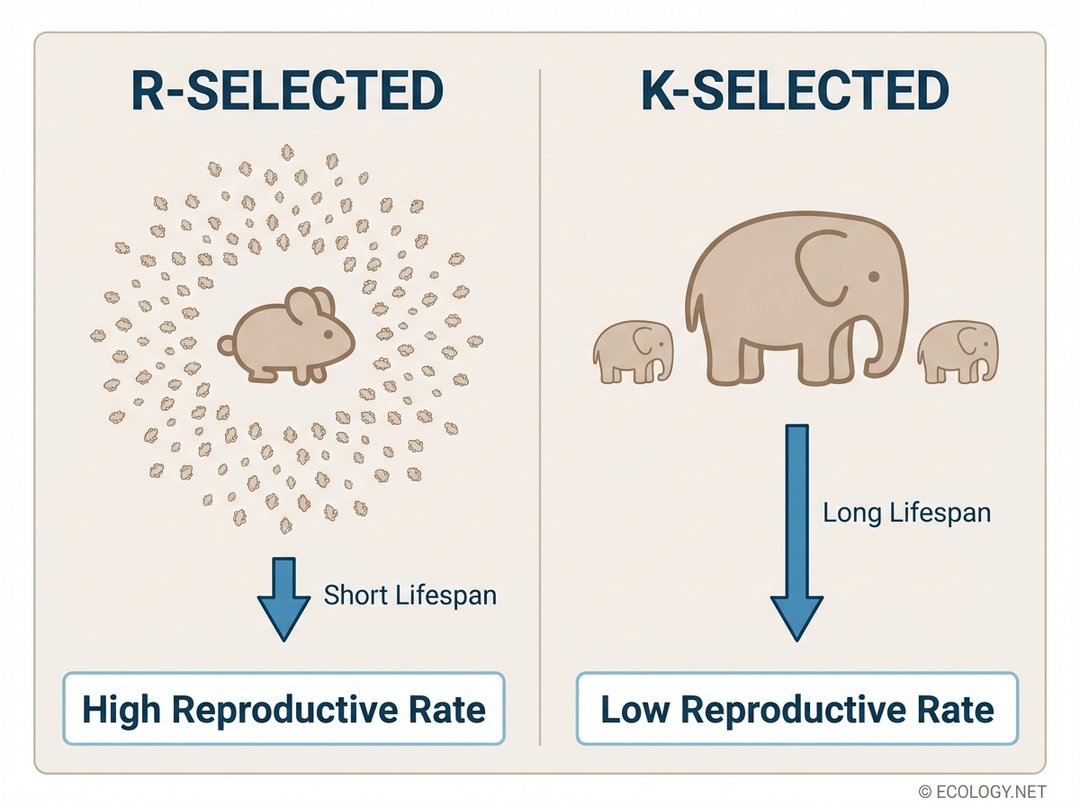
The “r” in r-selected refers to the intrinsic rate of natural increase, a measure of how quickly a population can grow under ideal conditions. R-selected species are those that prioritize rapid reproduction and high growth rates. They are masters of exploiting new or unstable environments, quickly colonizing and multiplying before conditions change or competition becomes too intense.
Conversely, K-selected species (where “K” represents the carrying capacity of an environment) invest in fewer, larger offspring, providing extensive parental care, and thriving in stable, competitive environments. The difference is stark and fundamental to understanding ecological dynamics.
Key Characteristics of R-Selected Species
R-selected species exhibit a suite of traits that collectively define their life history strategy. These characteristics are finely tuned to maximize population growth in environments where resources may be abundant but unpredictable, and mortality rates are often high.
- High Reproductive Rate: This is perhaps the most defining feature. R-selected organisms produce a large number of offspring in a single reproductive event or over a short period. The strategy is to overwhelm predators and environmental challenges through sheer numbers.
- Small Body Size: Generally, r-selected species are smaller in stature. This allows for faster development, less resource investment per individual, and quicker maturation.
- Short Lifespan: Their lives are often brief, sometimes lasting only days, weeks, or a few months. This rapid turnover allows for quick adaptation to changing conditions across generations.
- Early Maturation: R-selected species reach reproductive maturity quickly, often within a short period after birth. This ensures they can reproduce before adverse conditions or predators eliminate them.
- Limited or No Parental Care: Once offspring are produced, there is typically little to no parental investment in their upbringing. The sheer number of offspring means that even if many perish, enough will survive to continue the lineage.
- Good Dispersal Abilities: Many r-selected species have mechanisms for wide and rapid dispersal, such as wind-blown seeds, larval stages that drift in water, or highly mobile adult forms. This enables them to quickly find and colonize new, suitable habitats.
- Generalist Niche: They often have broad dietary preferences and can tolerate a wide range of environmental conditions, making them adaptable to various habitats.
- Thrive in Unstable or Disturbed Environments: R-selected species are pioneers. They excel in environments that are frequently disturbed, such as recently cleared land, floodplains, or areas after a fire. Their rapid reproduction allows them to quickly exploit these temporary resource booms.
Examples of R-Selected Species in the Wild
The natural world is teeming with examples of r-selected species, from the microscopic to the macroscopic. Their prevalence highlights the success of this strategy in various ecological niches.
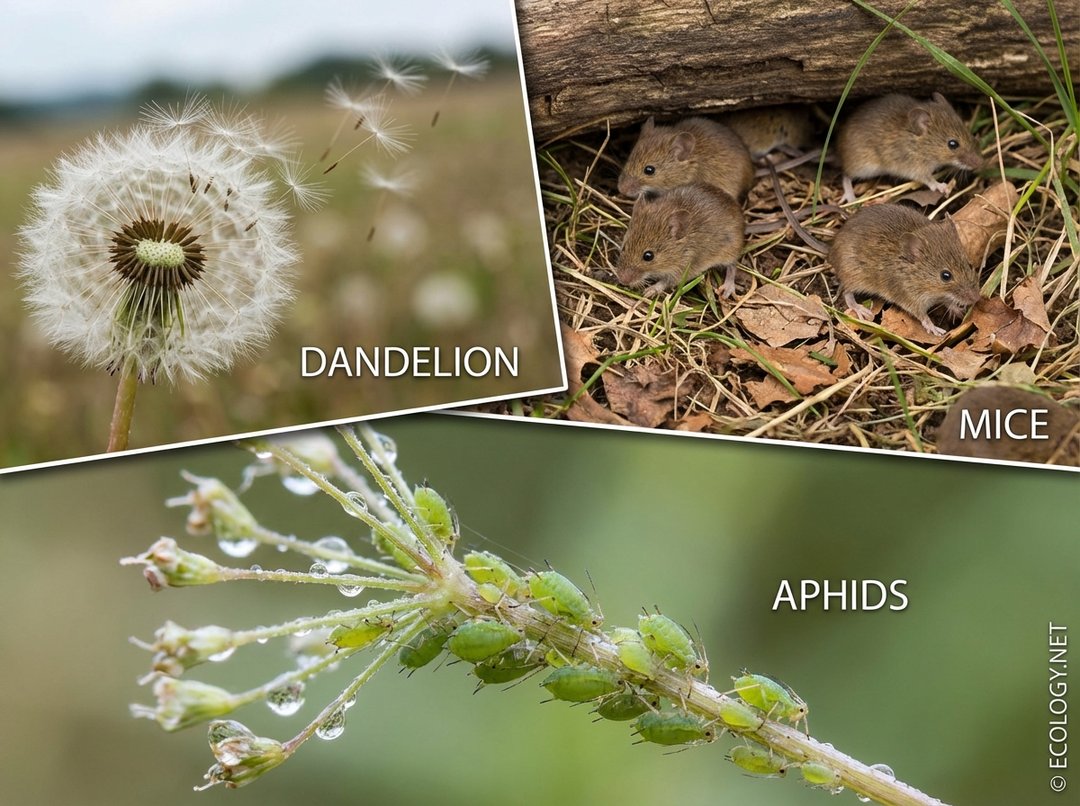
- Dandelions: These ubiquitous weeds are a classic example. They produce hundreds of lightweight seeds that are easily dispersed by wind, quickly colonizing disturbed soil in gardens, fields, and cracks in pavement.
- Mice and Rats: Small mammals like mice and rats are notorious for their rapid breeding cycles, large litter sizes, and quick maturation. They can quickly multiply in environments with abundant food and shelter, often becoming pests in human settlements.
- Aphids: These tiny insects reproduce at an astonishing rate, often through asexual reproduction (parthenogenesis), allowing a single aphid to quickly generate a large colony on a plant. Their short generation time and high fecundity make them significant agricultural pests.
- Bacteria and Viruses: On a microscopic scale, these organisms exemplify r-selection with their incredibly rapid reproduction rates and short lifespans, allowing them to quickly adapt and exploit new hosts or environments.
- Many Insects: Flies, mosquitoes, beetles, and many other insect species follow an r-selected strategy, producing numerous offspring that develop quickly.
- Weeds: Beyond dandelions, many common weeds like crabgrass or pigweed are r-selected, quickly colonizing open ground and outcompeting slower-growing plants.
- Fish (e.g., Cod, Sardines): While some fish are K-selected, many species, particularly those that lay millions of eggs, are r-selected. They release vast numbers of eggs into the water, relying on chance for survival.
Ecological Implications and Role in Ecosystems
R-selected species are not merely survivors; they are vital architects and maintainers of ecological balance. Their unique strategy has profound implications for how ecosystems function, particularly in the face of change.
Pioneers of Ecological Succession
One of the most critical roles of r-selected species is their function as pioneer species in ecological succession. When an area is disturbed, such as after a forest fire, a volcanic eruption, or human clearing, r-selected species are often the first to arrive and colonize the barren land. Their ability to quickly reproduce and disperse allows them to establish a foothold where other species cannot yet survive.
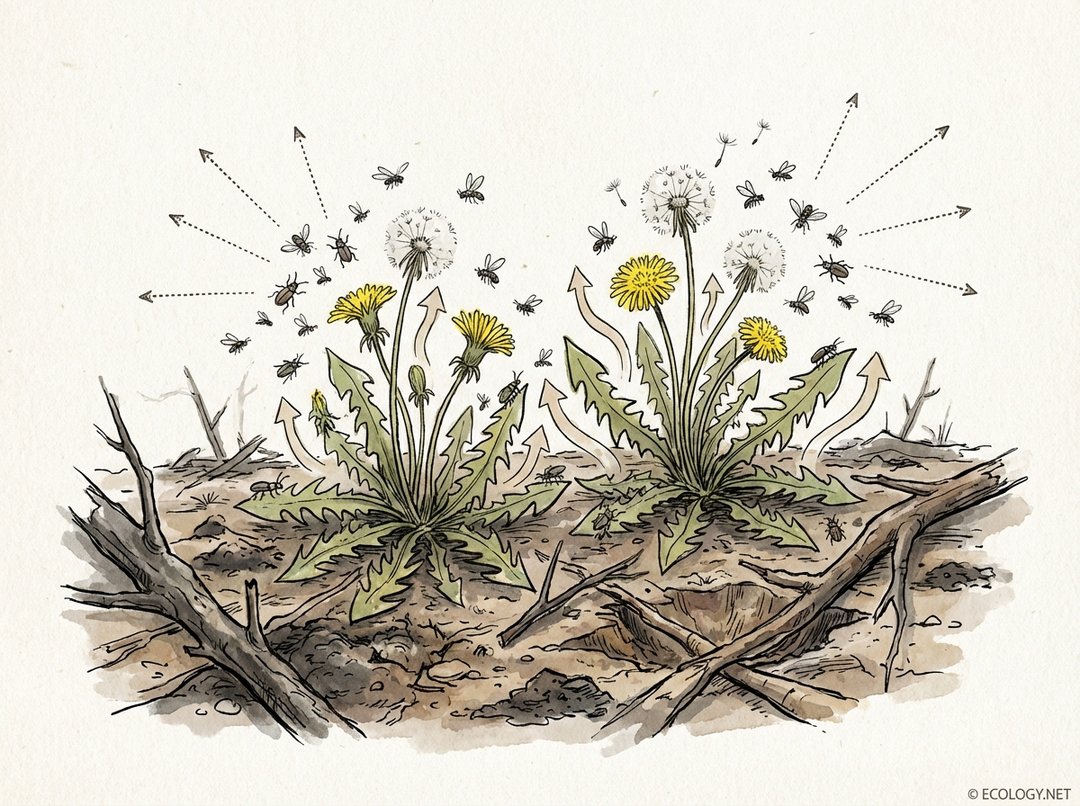
These early colonizers, like weeds and fast-growing insects, begin the process of soil formation, nutrient cycling, and creating microhabitats that eventually allow K-selected species to move in. They pave the way for more complex and stable communities.
Food Web Dynamics
The sheer abundance of r-selected species makes them a crucial food source for many K-selected predators. For example, populations of mice and insects provide sustenance for a wide array of birds, reptiles, and mammals. Their high reproductive rates ensure a continuous supply of prey, even when predator populations are high.
Adaptation to Unpredictable Environments
In environments characterized by frequent disturbances, fluctuating resources, or unpredictable events, r-selection is often the most successful strategy. Species in these habitats must be able to quickly capitalize on favorable conditions and recover rapidly from setbacks. This makes them incredibly resilient to short-term environmental changes.
Pest Species and Human Impact
The very traits that make r-selected species successful in nature can also make them problematic for humans. Many agricultural pests, invasive species, and disease vectors are r-selected. Their rapid reproduction, adaptability, and dispersal capabilities allow them to quickly infest crops, spread diseases, or outcompete native species in new environments. Understanding their life history helps in developing effective management strategies.
The R-K Continuum: A Spectrum, Not a Dichotomy
It is important to recognize that r- and K-selection represent two ends of a spectrum, rather than strict categories. Most species exhibit a mix of traits, falling somewhere along this continuum. For instance, some fish species lay millions of eggs (r-selected trait) but also live for many years (K-selected trait). The specific position of a species on this continuum is a reflection of the unique selective pressures it faces in its particular environment.
Environmental stability, resource availability, and predation pressure all influence where a species lands on the r-K spectrum. A species might lean more towards r-selection in one part of its range where conditions are harsh, and more towards K-selection in another, more stable area.
Conclusion: The Enduring Success of R-Selected Life
R-selected species, with their emphasis on rapid reproduction and quick colonization, are not merely simple organisms; they are ecological powerhouses. They are the pioneers, the quick responders, and the foundational food sources that underpin much of the planet’s biodiversity and ecological resilience. From the humble dandelion pushing through pavement to the vast swarms of insects that feed entire ecosystems, their strategy of “live fast, reproduce much” is a testament to the diverse and ingenious ways life finds to thrive.
Understanding r-selected species enriches our appreciation for the complexity of nature and provides crucial insights for fields ranging from conservation biology to pest management. They remind us that success in the natural world comes in many forms, and sometimes, the most effective strategy is simply to multiply and conquer.