The Silent Tide: Understanding and Combating Plastic Pollution
Plastic, a marvel of modern engineering, revolutionized countless aspects of daily life with its durability, versatility, and low cost. Yet, these very qualities have inadvertently unleashed one of the most pervasive environmental crises of our time: plastic pollution. From the highest mountains to the deepest ocean trenches, plastic debris now infiltrates every corner of our planet, posing an existential threat to ecosystems, wildlife, and potentially human health. Understanding this complex issue is the first step toward forging a sustainable future.
What Exactly is Plastic Pollution?
At its core, plastic pollution refers to the accumulation of plastic objects and particles in the Earth’s environment that adversely affects wildlife, wildlife habitat, or humans. Plastics are synthetic polymers, meaning they are large molecules made up of repeating smaller units. Unlike natural materials, most plastics do not biodegrade in the environment in a meaningful timeframe. Instead, they break down into smaller and smaller pieces, persisting for hundreds, even thousands, of years. This persistence is the root of the problem.
The Diverse Origins of Plastic Pollution
The journey of plastic from production to pollutant is multifaceted, originating from a surprising array of sources. It is not merely about litter on a beach, but a systemic issue deeply embedded in our consumption patterns and waste management practices.
Land-Based Waste: The Primary Culprit
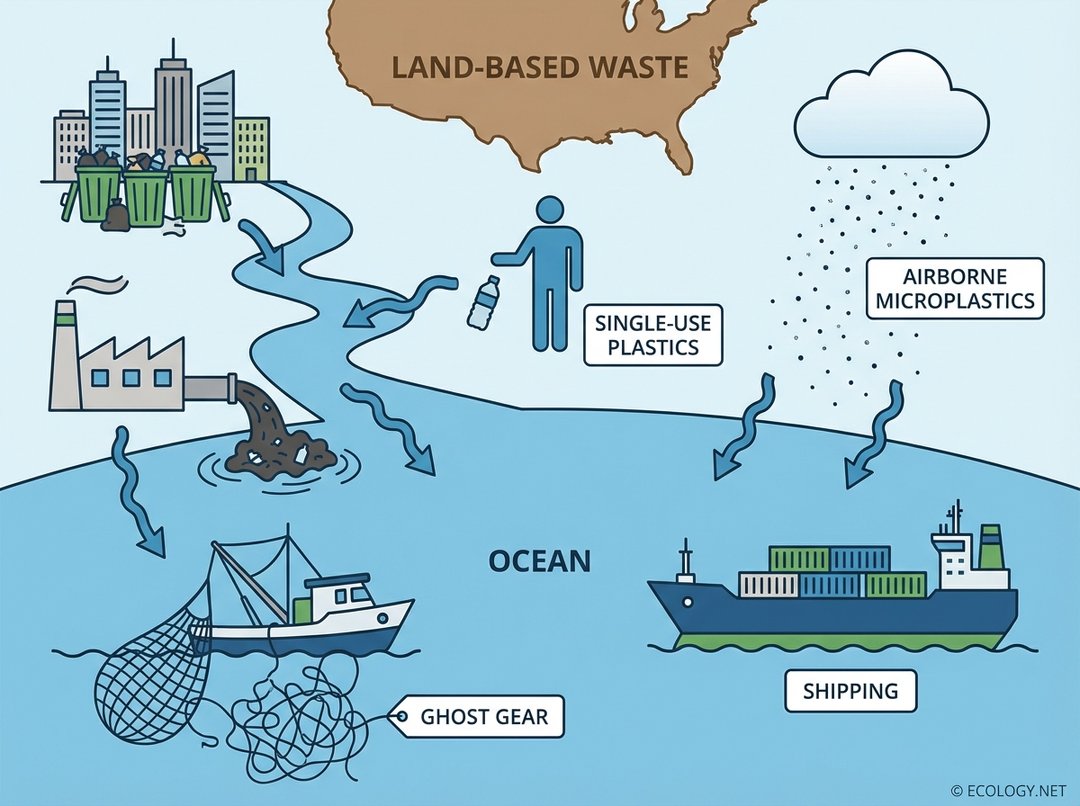
A staggering majority of ocean plastic, estimated to be around 80 percent, originates from land-based activities. This includes:
- Urban Runoff: Cities are major contributors. Overflowing trash bins, litter dropped on streets, and poorly managed landfills allow plastic bags, bottles, and packaging to be carried by wind and rain into rivers, which then flow into the sea.
- Industrial Discharge: Factories producing or using plastics can release plastic pellets, known as nurdles, into waterways. These tiny pellets are the raw material for almost all plastic products and are a significant, often overlooked, source of microplastic pollution.
- Agricultural Practices: Plastic mulches, irrigation pipes, and greenhouse films used in farming can degrade and fragment, leaving plastic residues in soil that eventually migrate to water bodies.
- Inadequate Waste Management: In many regions globally, waste collection and recycling infrastructure are insufficient, leading to open dumping and burning of plastic waste, much of which ultimately reaches the environment.
Marine-Based Sources: A Direct Threat
While less in volume, marine-based plastic pollution often consists of larger, more dangerous items directly impacting ocean ecosystems.
- Fishing Gear: Abandoned, lost, or otherwise discarded fishing gear, often referred to as “ghost gear,” is a particularly lethal form of marine plastic. Nets, lines, and traps continue to ensnare marine life for decades.
- Shipping and Boating: Commercial vessels, cruise ships, and recreational boats can inadvertently or deliberately release plastic waste, including packaging, containers, and even microfibers from laundry discharge.
- Aquaculture: Plastic components used in fish farming, such as cages, buoys, and ropes, can break down and contribute to marine debris.
Airborne Microplastics: The Invisible Rain
A more recently recognized source involves microplastics traveling through the atmosphere. Tiny plastic particles, shed from tires, synthetic clothing, and industrial processes, can become airborne and travel vast distances before settling on land or in water, even in remote polar regions.
The Devastating Impacts on Marine Life
The consequences of plastic pollution are profoundly visible in our oceans, where marine animals bear the brunt of our plastic addiction.
Entanglement: A Slow and Painful Death
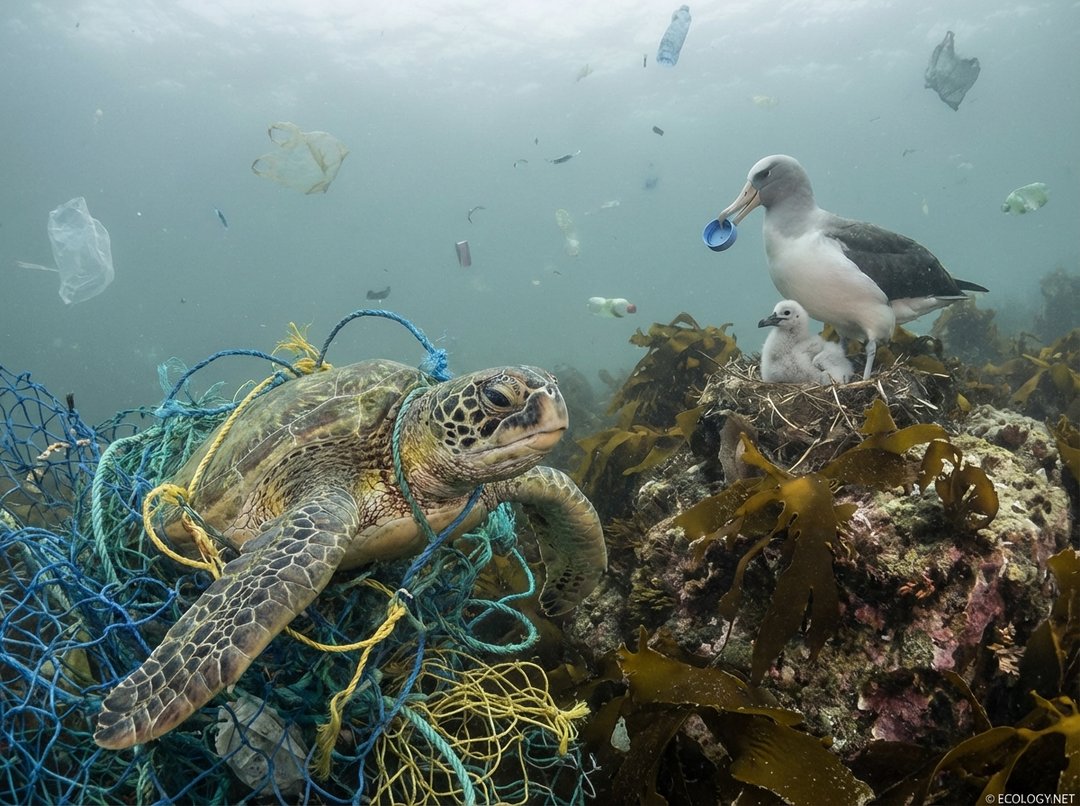
Larger pieces of plastic debris, especially ghost fishing gear, pose an immediate and often fatal threat through entanglement. Marine mammals, sea turtles, and seabirds can become trapped in nets, ropes, and plastic rings, leading to:
- Suffocation: Animals unable to surface for air.
- Drowning: Trapped underwater.
- Starvation: Inability to hunt or feed.
- Severe Injuries: Deep lacerations, infections, and loss of limbs, hindering movement and survival.
For example, a single discarded fishing net can continue to “ghost fish” for years, indiscriminately catching and killing countless marine creatures.
Ingestion: A Hidden Killer
Marine animals often mistake plastic for food. This is particularly prevalent with plastic bags resembling jellyfish, or small plastic fragments mimicking plankton or fish eggs. Ingestion leads to:
- False Satiation: Animals feel full without receiving any nutritional value, leading to starvation.
- Internal Injuries: Sharp plastic pieces can puncture internal organs, causing bleeding and infection.
- Blocked Digestive Tracts: Accumulation of plastic can prevent proper digestion and nutrient absorption.
- Toxicity: Plastics can leach harmful chemicals into the animals’ bodies, impacting their endocrine systems, reproduction, and overall health.
Studies have shown that nearly all seabirds have plastic in their stomachs, and a significant percentage of sea turtles and marine mammals are found with ingested plastic.
Habitat Destruction
Plastic debris can also physically damage critical marine habitats. Ghost nets can smother coral reefs, while plastic bags and films can cover seagrass beds, blocking sunlight and disrupting delicate ecosystems.
Microplastics: The Invisible Threat
Beyond the visible menace of large plastic items lies an even more insidious problem: microplastics. These are plastic particles less than 5 millimeters in size, roughly the size of a sesame seed or smaller. They originate from two main sources:
- Primary Microplastics: These are intentionally manufactured small plastics, such as microbeads found in some cosmetics and industrial abrasives, or plastic pellets (nurdles).
- Secondary Microplastics: These form from the breakdown of larger plastic debris through exposure to sunlight, waves, and physical abrasion. A single plastic bottle can fragment into thousands of microplastic particles over time.
Microplastics are ubiquitous, found in oceans, freshwater systems, soil, air, and even in bottled water and tap water. Their small size makes them easily ingested by a wide range of organisms, from the smallest plankton to the largest whales.
Biomagnification: Climbing the Food Web
One of the most concerning aspects of microplastic pollution is the phenomenon of biomagnification. This process describes the increasing concentration of a substance, in this case microplastics and the chemicals they carry, in the tissues of organisms at successively higher levels in a food chain.
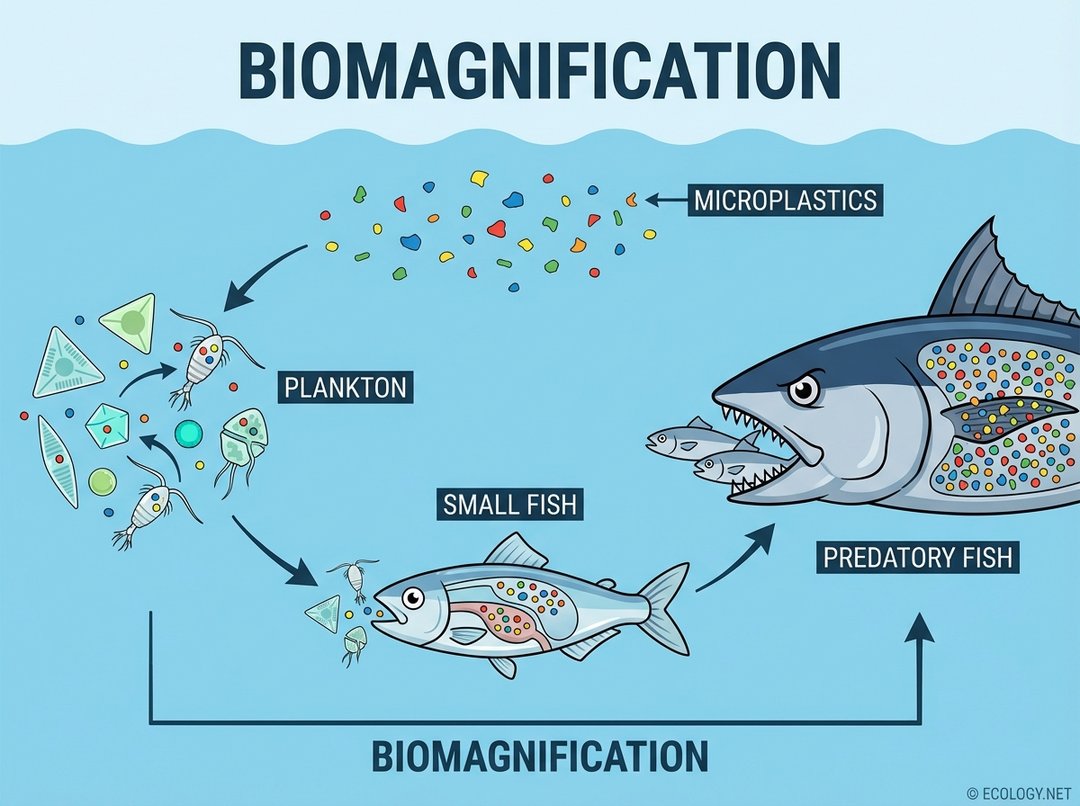
Here is how it typically unfolds:
- Microplastics in Water: Tiny plastic particles float in the water column.
- Ingestion by Plankton: Microscopic plankton, the base of the marine food web, ingest these microplastics, mistaking them for food.
- Accumulation in Small Fish: Small fish consume large quantities of plankton, accumulating the microplastics from many individual plankton in their own bodies.
- Concentration in Predatory Fish: Larger predatory fish then eat numerous smaller fish, leading to an even greater concentration of microplastics within their tissues.
This means that top predators, including species consumed by humans, can accumulate significantly higher levels of microplastics and associated toxins than organisms lower down the food chain. The long-term health implications for these animals and for humans who consume them are still being researched, but the potential for endocrine disruption, inflammation, and other health issues is a serious concern.
The Global Challenge and Pathways to Solution
The sheer scale of plastic pollution is daunting. Millions of tons of plastic enter our oceans annually, and the problem continues to grow. Addressing this crisis requires a multi-pronged approach involving individuals, industries, and governments.
The “Reduce, Reuse, Recycle” Hierarchy
The traditional three Rs remain fundamental, but with renewed emphasis:
- Reduce: This is the most critical step. Minimizing our consumption of single-use plastics, such as plastic bags, straws, coffee cups, and disposable packaging, directly cuts off the supply of potential pollutants. Choosing products with minimal or no plastic packaging is a powerful individual action.
- Reuse: Opting for reusable alternatives, like refillable water bottles, coffee mugs, shopping bags, and food containers, significantly extends the life of products and reduces the demand for new plastics.
- Recycle: While important, recycling is not a complete solution. Many plastics are not economically recyclable, and even those that are can only be recycled a finite number of times before their quality degrades. Furthermore, global recycling infrastructure is often inadequate. However, supporting effective recycling programs for eligible plastics is still vital to divert waste from landfills and the environment.
Beyond the Three Rs: Rethink and Innovate
Solving plastic pollution demands systemic change and innovative thinking:
- Policy and Regulation: Governments play a crucial role in implementing bans on problematic single-use plastics, establishing extended producer responsibility schemes where manufacturers are accountable for the entire lifecycle of their products, and investing in robust waste management infrastructure.
- Material Innovation: Research and development into truly biodegradable or compostable alternatives to conventional plastics are essential. These materials must be proven to break down harmlessly in natural environments.
- Circular Economy Principles: Shifting from a linear “take-make-dispose” model to a circular economy where resources are kept in use for as long as possible, extracting maximum value from them while in use, then recovering and regenerating products and materials at the end of each service life.
- Cleanup Technologies: While prevention is paramount, efforts to clean up existing plastic pollution, particularly in ocean gyres, are also underway. These technologies, however, are often expensive and can only address a fraction of the problem.
Individual Action and Collective Impact
Every choice matters. By consciously reducing plastic consumption, supporting businesses committed to sustainability, advocating for stronger environmental policies, and educating others, individuals contribute to a larger movement. Participating in local cleanups, for example, directly removes plastic from the environment and raises awareness.
A Call to Action for a Plastic-Free Future
Plastic pollution is a global challenge that transcends borders and affects every living being. Its pervasive nature, from visible debris to invisible microplastics, demands urgent and concerted action. By understanding its sources, recognizing its devastating impacts, and embracing a commitment to responsible consumption and innovative solutions, humanity can begin to turn the tide against this silent menace. The future of our planet, its diverse ecosystems, and our own well-being depend on the choices we make today to foster a truly plastic-free world.