Understanding Overhunting: A Silent Threat to Earth’s Biodiversity
The natural world is a delicate balance, a complex web of interactions where every species plays a vital role. When this balance is disrupted, the consequences can ripple through entire ecosystems, sometimes with devastating effects. One of the most significant threats to this intricate system is overhunting, a practice that has historically driven species to extinction and continues to imperil countless others today. This article delves into the multifaceted concept of overhunting, exploring its mechanisms, ecological impacts, historical lessons, and the urgent need for conservation.
What Exactly is Overhunting?
At its core, overhunting refers to the unsustainable harvesting of wild animal populations, where the rate of removal exceeds the species’ ability to reproduce and replenish its numbers. It is distinct from sustainable hunting, which is carefully managed to ensure that populations remain healthy and viable for future generations. The line between sustainable and overhunting can be thin, often determined by factors such as population size, reproductive rates, habitat quality, and the intensity of hunting pressure.
The Mechanisms Behind Population Decline
Overhunting doesn’t just reduce the sheer number of animals; it can also subtly undermine a species’ long-term survival through several interconnected mechanisms:
- Direct Population Reduction: The most obvious effect is a direct decrease in the number of individuals. If too many animals are removed, the remaining population may become too small to recover, leading to a downward spiral towards extinction.
- Altered Age and Sex Ratios: Hunters often target larger, healthier individuals, which are typically prime breeding animals. Removing these individuals can skew the age and sex structure of a population, leaving fewer experienced breeders and reducing overall reproductive success.
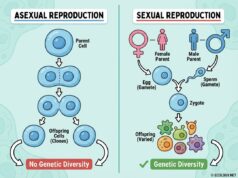
- Genetic Erosion: When specific traits, such as large antlers or tusks, are consistently targeted, individuals possessing these traits are removed from the gene pool. Over time, this can lead to a reduction in genetic diversity, making the population less resilient to diseases, environmental changes, or other stressors.
- Behavioral Disruption: Intensive hunting can force animals into less suitable habitats, alter their migration patterns, or change their social structures, all of which can negatively impact their survival and reproductive success.
Ecological Consequences: The Ripple Effect of Trophic Cascades
The impact of overhunting extends far beyond the targeted species itself. When a population is decimated, its role within the ecosystem diminishes, leading to a cascade of effects known as a trophic cascade.
A classic example of a trophic cascade involves the reintroduction of wolves to Yellowstone National Park. Before the wolves’ return, their eradication in the early 20th century led to an unchecked increase in elk populations. These abundant elk overgrazed riparian vegetation, impacting beaver populations, songbirds, and even altering the flow of rivers.
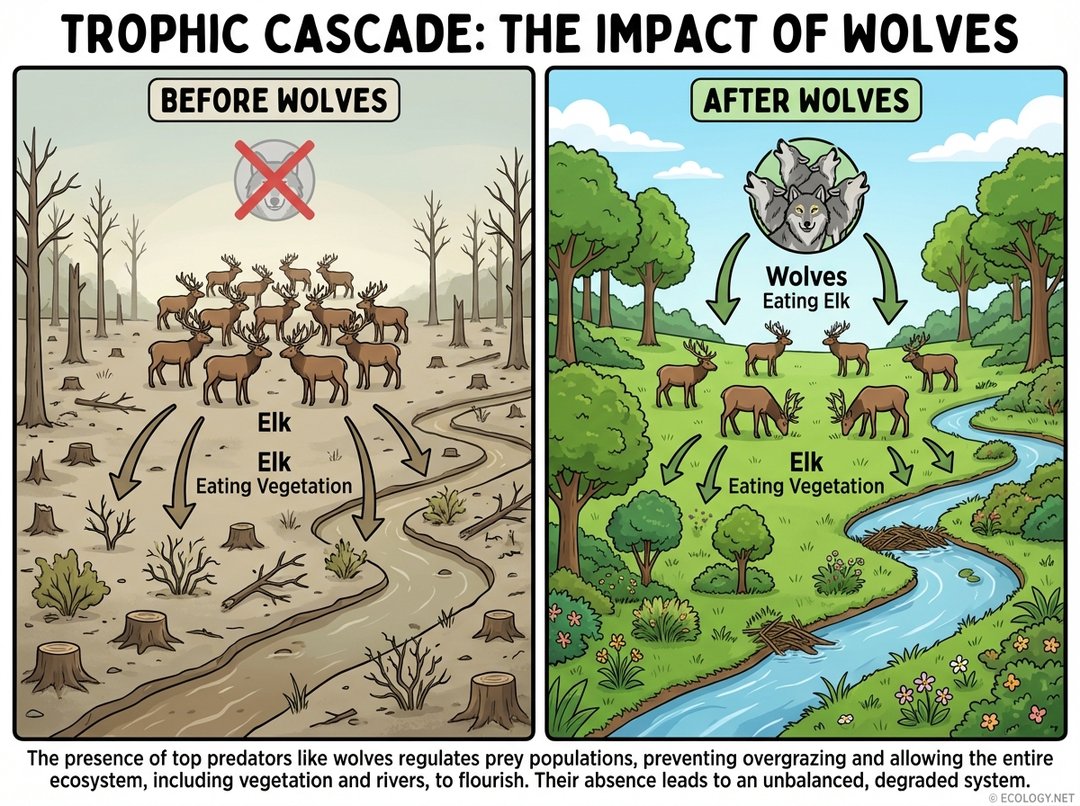
With the reintroduction of wolves, elk numbers became more balanced. This allowed vegetation to recover, stabilizing riverbanks, providing habitat for other species, and demonstrating how the presence or absence of a top predator can profoundly reshape an entire ecosystem. Overhunting, by removing key species, can initiate such cascades, leading to:
- Loss of Biodiversity: The decline or extinction of one species can directly affect others that depend on it for food, shelter, or other ecological services.
- Ecosystem Instability: Simplified ecosystems with fewer species are often less resilient and more vulnerable to disturbances like disease outbreaks or climate change.
- Habitat Degradation: Changes in herbivore populations due to predator removal can lead to overgrazing or undergrazing, altering plant communities and physical habitats.
Historical Perspective: Lessons from the Past
History is replete with cautionary tales of species driven to the brink, or beyond, by relentless hunting pressure. These historical examples serve as stark reminders of the potential consequences of unsustainable practices.
Perhaps the most poignant example is the Passenger Pigeon (Ectopistes migratorius). Once numbering in the billions, these birds darkened North American skies with their immense flocks. They were so abundant that many believed their numbers were inexhaustible. However, intensive hunting for food, combined with habitat destruction, led to a catastrophic decline. The last known Passenger Pigeon, Martha, died in captivity in 1914, a mere few decades after the species was considered one of the most numerous birds on Earth.

Other notable examples include the Great Auk, a flightless bird hunted to extinction for its feathers and meat, and the near-extinction of the American Bison, whose vast herds were decimated in the 19th century, primarily to clear land for agriculture and railroads, but also for their hides and meat.
Modern Challenges and Examples
While the scale of historical overhunting might seem like a relic of the past, the threat remains very real today, albeit often in different forms:
- Illegal Wildlife Trade (Poaching): The illicit trade in animal parts, such as rhino horn, elephant ivory, and pangolin scales, drives countless species towards extinction. Poaching is often highly organized and lucrative, making it a formidable challenge for conservationists.
- Bushmeat Crisis: In many parts of the world, particularly in tropical regions, the hunting of wild animals for food, known as bushmeat, is a significant threat. While subsistence hunting has long been a practice, increased human populations and improved hunting technologies have made it unsustainable in many areas.
- Overfishing: While often discussed separately, overfishing is essentially the aquatic equivalent of overhunting. Industrial fishing practices, often unregulated or poorly regulated, have depleted fish stocks worldwide, impacting marine ecosystems and the livelihoods of coastal communities.
- Trophy Hunting (Unsustainable): While regulated trophy hunting can sometimes contribute to conservation efforts, poorly managed or unethical practices can lead to the removal of genetically superior individuals, impacting population health.
Beyond Extinction: Subtler, Yet Significant Impacts
The most dramatic outcome of overhunting is extinction, but its effects can be far more insidious, subtly altering species and ecosystems over time:
- Evolutionary Changes: Persistent hunting pressure can act as a powerful selective force. For instance, in populations of bighorn sheep, continuous targeting of rams with the largest horns has led to a genetic shift towards smaller horns and earlier maturation, as individuals with these traits are less likely to be hunted. Similar trends have been observed in fish populations, where intense fishing pressure favors smaller, faster-reproducing individuals.
- Behavioral Adaptations: Animals in heavily hunted areas may become more nocturnal, secretive, or alter their foraging patterns to avoid human contact. While these adaptations might help individual survival, they can also disrupt ecological processes.
- Loss of Ecosystem Services: When key species are overhunted, the services they provide to the ecosystem diminish. For example, the loss of large predators can lead to an overabundance of herbivores, which in turn can degrade vegetation and impact water quality.
Solutions and Conservation Efforts
Addressing overhunting requires a multifaceted approach involving local, national, and international cooperation:
- Sustainable Hunting Practices: Implementing science-based quotas, regulating hunting seasons, and enforcing permits can ensure that hunting remains sustainable and even contributes to conservation funding.
- Protected Areas and Wildlife Corridors: Establishing and effectively managing national parks, wildlife reserves, and corridors allows populations to recover and move freely, reducing human-wildlife conflict.
- Anti-Poaching Initiatives: Strengthening law enforcement, deploying anti-poaching units, and using advanced technologies like drones are crucial in combating illegal wildlife trade.
- Community Engagement and Education: Empowering local communities to become stewards of their wildlife, providing alternative livelihoods, and educating the public about the value of biodiversity are vital for long-term success.
- International Cooperation: Treaties and agreements, such as CITES (Convention on International Trade in Endangered Species of Wild Fauna and Flora), play a critical role in regulating cross-border wildlife trade and protecting endangered species.
A Call to Action for Biodiversity
Overhunting stands as a stark reminder of humanity’s profound impact on the natural world. From the silent skies once filled with Passenger Pigeons to the ongoing struggles against poaching and overfishing, the lessons are clear: unchecked exploitation leads to ecological collapse. By understanding the mechanisms and consequences of overhunting, and by actively supporting and implementing sustainable practices, conservation efforts, and responsible consumption, humanity can strive to protect the planet’s invaluable biodiversity for generations to come. The future of countless species, and indeed the health of our global ecosystems, depends on collective action and a renewed respect for the delicate balance of life.