The Unseen Threat: Understanding Noise Pollution
Imagine a world where the constant hum of engines, the clamor of construction, and the blare of music never cease. This relentless assault on our ears is more than just an annoyance; it is a pervasive environmental pollutant with far reaching consequences for both ecosystems and human health. Often overlooked in favor of more visible forms of pollution, noise pollution silently disrupts natural processes, stresses wildlife, and diminishes our quality of life. Understanding this invisible threat is the first step towards creating a quieter, healthier planet.
What Exactly is Noise Pollution?
At its core, noise pollution is defined as unwanted or excessive sound that can disrupt human or animal life. Unlike chemical spills or smog, noise pollution is not a tangible substance; it is an energy form that travels through waves, yet its impact is profoundly real. The distinction between sound and noise is subjective, but generally, noise becomes pollution when it reaches levels that are harmful, annoying, or disruptive to an environment or its inhabitants.
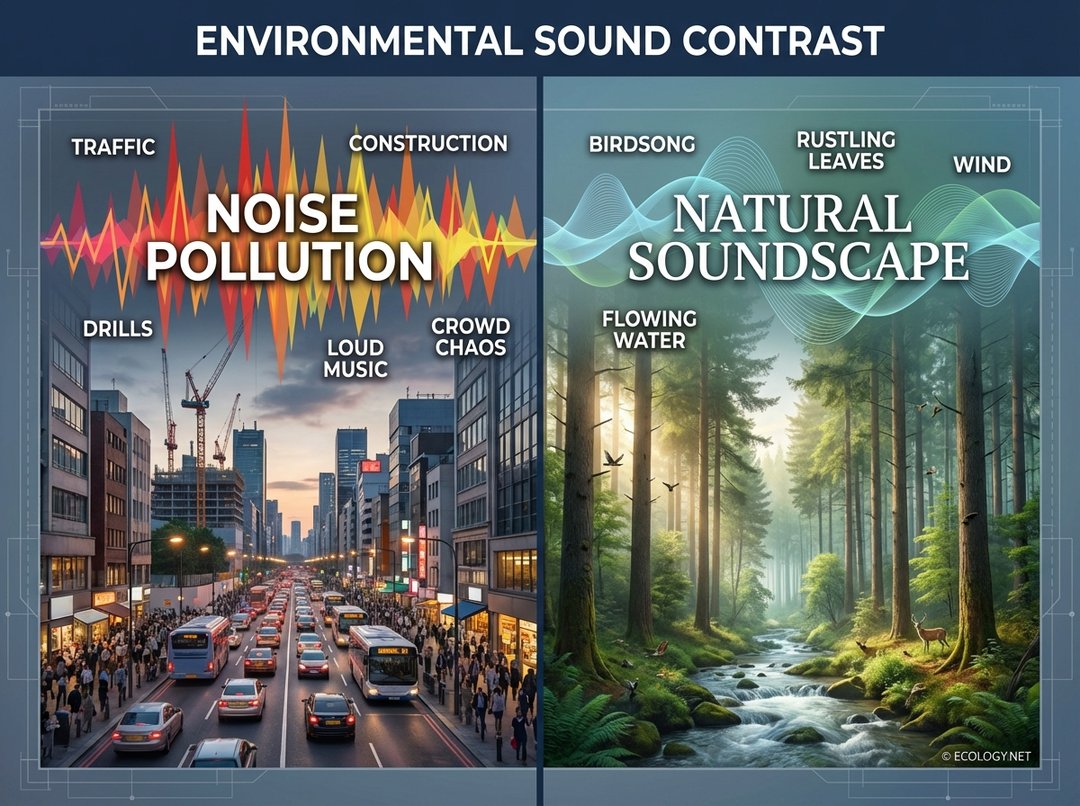
Sources of noise pollution are diverse and ubiquitous in modern society. They range from the roar of jet engines overhead to the persistent drone of traffic on a busy street, and even the cumulative sounds of everyday human activities. These sounds, when they become excessive, can interfere with communication, disturb sleep, and induce stress, creating a cascade of negative effects.
Everyday Sources of Unwanted Sound
The origins of noise pollution are deeply embedded in our industrialized world. They can be broadly categorized:
- Transportation Noise: This is arguably the most widespread source. It includes the constant flow of cars, trucks, and motorcycles on roads, the rumble of trains, and the deafening roar of aircraft taking off and landing. As urban areas expand, so does the reach of transportation noise.
- Industrial and Construction Noise: Factories, power plants, and construction sites are hubs of intense sound. Jackhammers, drills, heavy machinery, and industrial processes generate high levels of noise that can permeate surrounding communities and natural habitats.
- Domestic and Recreational Noise: Even within our homes and leisure activities, noise can accumulate. Loud music, household appliances, lawnmowers, leaf blowers, and recreational vehicles like ATVs and snowmobiles contribute significantly to local noise levels, especially in residential and natural park areas.
The Silent Crisis: How Noise Harms Wildlife
While humans often perceive noise as an inconvenience, for wildlife, it can be a matter of survival. Animals rely on sound for a multitude of critical behaviors, including communication, navigation, finding food, and avoiding predators. When human generated noise infiltrates their habitats, these vital processes are severely compromised.
Communication Interference: A Battle of Sounds
One of the most immediate and devastating impacts of noise pollution on wildlife is the disruption of communication. Many species, from birds to frogs to mammals, use vocalizations to attract mates, warn of danger, defend territories, and coordinate group activities. Anthropogenic noise can effectively mask these crucial signals, making them difficult or impossible to hear.
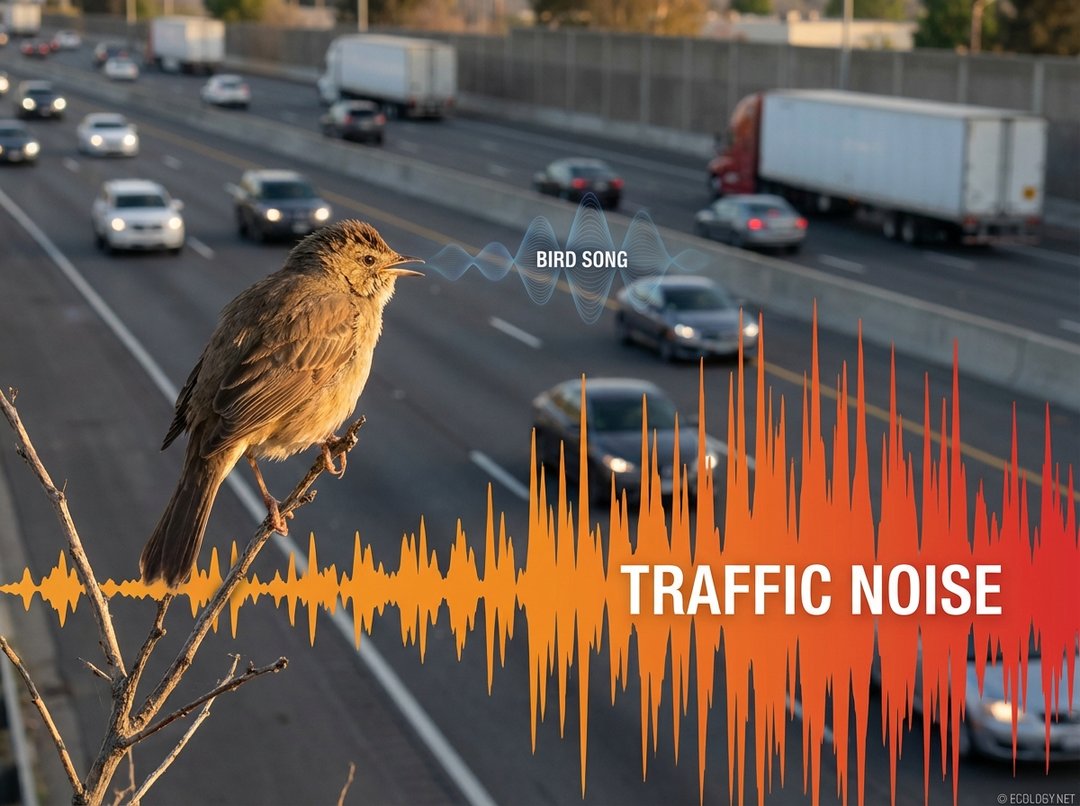
For example, songbirds living near highways or airports often have to sing louder or at higher frequencies to be heard over the din of traffic. This adaptation requires more energy and can reduce the effectiveness of their calls, potentially leading to fewer successful matings or increased vulnerability to predators. The subtle nuances of their songs, which convey important information about individual quality or species identity, can be lost in the cacophony.
Behavioral Shifts and Stress Responses
Beyond communication, noise pollution forces animals to alter fundamental behaviors. Birds may abandon nesting sites near noisy areas, even if those sites offer ideal foraging opportunities. Mammals might change their foraging patterns, avoiding areas during peak noise times, which can lead to reduced food intake or increased competition in quieter zones. Predator prey dynamics can also be affected, as both predators and prey may struggle to hear each other, leading to either missed hunting opportunities or increased predation risk.
Chronic exposure to noise also induces physiological stress in animals. Studies have shown elevated stress hormones, increased heart rates, and even suppressed immune systems in animals living in noisy environments. This constant state of alert can drain energy reserves, reduce reproductive success, and make animals more susceptible to disease, ultimately impacting population viability.
The Deep Roar: Noise Pollution in Our Oceans
While terrestrial noise pollution is often visible and audible to us, an equally profound and perhaps even more insidious form of noise pollution exists beneath the waves. Sound travels much farther and faster in water than in air, meaning that underwater noise can propagate across vast distances, impacting marine life over enormous areas.
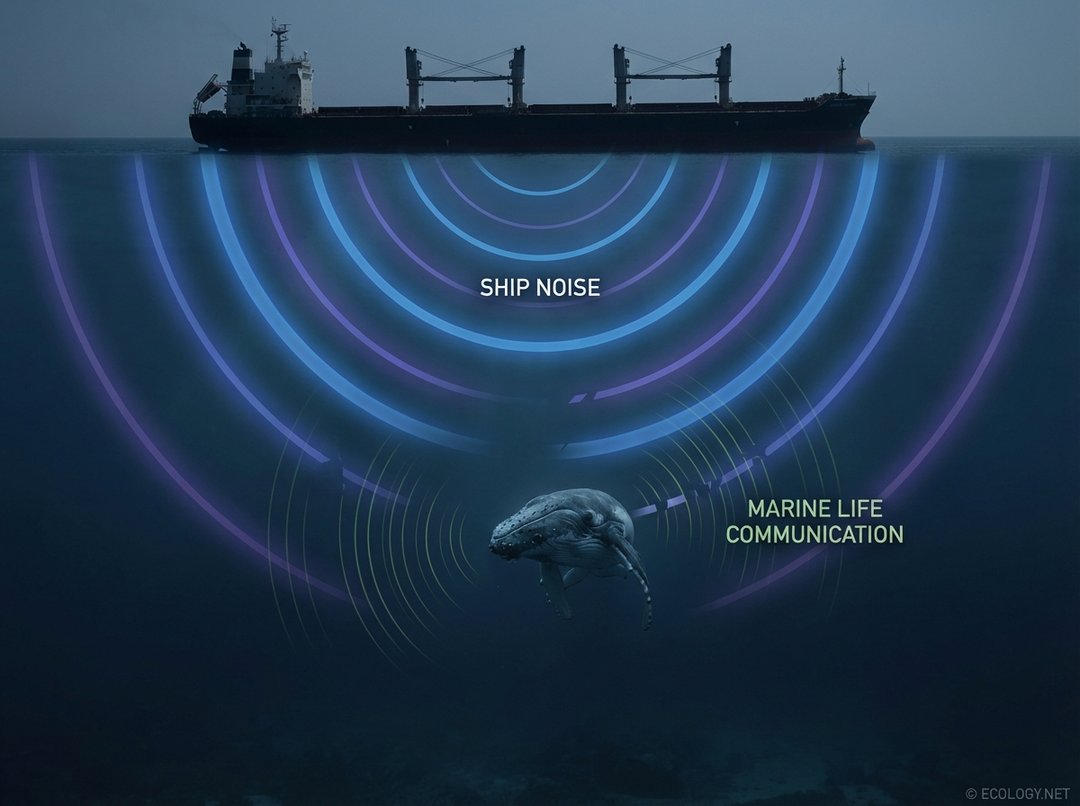
The primary sources of underwater noise pollution include large cargo ships, oil and gas exploration (seismic surveys), naval sonar, and offshore construction. These activities generate intense, low frequency sounds that can travel for hundreds or even thousands of kilometers, fundamentally altering the natural acoustic environment of the ocean.
Impacts on Marine Mammals and Ecosystems
Marine mammals, such as whales and dolphins, are particularly vulnerable to underwater noise pollution because they rely heavily on sound for almost every aspect of their lives. They use complex vocalizations for communication, navigating vast ocean expanses, finding mates, locating food, and detecting predators. The low frequency sounds produced by ships, for instance, overlap precisely with the frequencies used by many baleen whales, effectively drowning out their calls.
The consequences for marine life are severe:
- Disrupted Communication: Whales may struggle to hear each other’s calls, impacting their ability to find mates or coordinate group activities.
- Disorientation and Stranding: Intense sonar pings can disorient whales and dolphins, leading them to surface too quickly, suffer from decompression sickness, or even strand themselves on beaches.
- Habitat Avoidance: Marine animals may abandon critical feeding or breeding grounds if they become too noisy, forcing them into less suitable habitats.
- Physiological Stress: Like their terrestrial counterparts, marine animals experience increased stress levels, which can affect their health and reproductive success.
Beyond marine mammals, fish, invertebrates, and even plankton can be negatively affected by underwater noise, impacting entire marine food webs and ecosystem health.
Noise and Human Well Being
Humans are not immune to the detrimental effects of noise pollution. While we may have the option to close a window or wear headphones, chronic exposure to excessive noise takes a significant toll on our physical and mental health.
- Hearing Loss: Prolonged exposure to loud noise, whether from occupational sources or recreational activities, can lead to permanent hearing damage and tinnitus, a persistent ringing in the ears.
- Sleep Disruption: Noise, even at seemingly low levels, can interrupt sleep patterns, leading to fatigue, reduced cognitive function, and irritability. This is particularly problematic in urban areas where traffic noise persists throughout the night.
- Stress and Cardiovascular Issues: Constant exposure to noise elevates stress hormones like cortisol, which can contribute to high blood pressure, increased risk of heart disease, and other stress related health problems.
- Cognitive Impairment: For children, noise pollution in schools can hinder learning and concentration, affecting academic performance and cognitive development.
Quieting Our World: Solutions and Strategies
Addressing noise pollution requires a multi faceted approach, combining policy, technology, and individual responsibility. The goal is not to eliminate all sound, but to manage and reduce unwanted and harmful noise, restoring a healthier acoustic balance to our environments.
Measuring the Unseen: Decibels and Frequencies
To effectively manage noise, it must first be measured. Noise levels are typically quantified in decibels (dB), a logarithmic unit that reflects the intensity of sound. Different frequencies also play a role, as some sounds are more irritating or harmful than others. Specialized equipment is used to monitor noise levels in various environments, providing data essential for setting standards and evaluating mitigation efforts.
Mitigation Efforts: From Policy to Personal Choices
Strategies to combat noise pollution are being implemented at various levels:
- Urban Planning and Design: Thoughtful city planning can incorporate noise reduction measures, such as creating buffer zones between residential areas and noisy industrial or transportation corridors. Green spaces, sound barriers, and noise absorbing materials in buildings can also help.
- Technological Innovations: Advances in technology are leading to quieter engines for vehicles and aircraft, improved insulation in buildings, and quieter industrial machinery. Electric vehicles, for example, offer a significant reduction in noise compared to their internal combustion counterparts.
- Legislative Measures: Governments can enact noise ordinances and regulations that set limits on permissible noise levels for various activities and zones. Enforcement of these regulations is crucial for their effectiveness.
- Individual Actions: Personal choices also contribute. Opting for public transport, cycling, or walking reduces traffic noise. Using quieter appliances, being mindful of volume levels, and participating in local initiatives for noise reduction can collectively make a difference.
Conclusion: A Call for a Quieter Future
Noise pollution is a complex environmental challenge that demands our attention. Its impacts are far reaching, affecting the delicate balance of ecosystems, the survival of countless species, and the health and well being of human populations. By understanding its sources, recognizing its profound effects, and actively pursuing mitigation strategies, we can begin to restore the natural soundscapes of our world.
Creating a quieter future is not just about reducing unwanted sound; it is about fostering environments where life can thrive, where communication is clear, and where the subtle symphony of nature can once again be heard. It is a commitment to a more harmonious coexistence between human civilization and the natural world.