Imagine a place where two worlds collide, where the relentless flow of a river meets the rhythmic pulse of the ocean. This dynamic, ever-changing environment is an estuary, a truly remarkable ecosystem teeming with life and playing a critical role in the health of our planet. Often overlooked, these transitional zones are far more than just muddy coastlines; they are vibrant hubs of biodiversity, natural filters, and vital nurseries for countless species.
What Exactly is an Estuary? The Definition Unveiled
At its core, an estuary is a partially enclosed coastal body of brackish water with one or more rivers or streams flowing into it, and with a free connection to the open sea. The defining characteristic is the constant mixing of freshwater from land runoff with saltwater from the ocean. This creates a unique environment where salinity levels fluctuate dramatically with the tides, river flow, and even seasonal changes.
Think of it as nature’s grand mixing bowl. The freshwater, being less dense, often floats on top of the denser saltwater, creating a layered system. This constant interaction of forces, from tidal currents to river discharge, shapes the physical landscape and dictates the types of life that can thrive within these boundaries.
Diverse Estuary Types: A Geological Tapestry
Not all estuaries are created equal. Their formation is deeply tied to geological processes, resulting in several distinct types, each with its own unique characteristics and beauty. Understanding these differences helps us appreciate the varied landscapes they present across the globe.

The image above visually explains the different geological formations of estuaries, making the ‘Types of Estuaries’ section much easier to understand and differentiating between the various forms mentioned in the article.
- Coastal Plain Estuaries (Drowned River Valleys): These are the most common type, formed when rising sea levels flood existing river valleys. The Chesapeake Bay in the United States and the River Thames Estuary in England are prime examples. They are typically wide, shallow, and V-shaped in cross-section, gradually widening towards the sea.
- Bar-Built Estuaries: These form when a shallow lagoon or bay is partially cut off from the open ocean by a barrier island or sand spit. The Outer Banks of North Carolina, creating estuaries like Pamlico Sound, are a classic illustration. The barrier acts as a protective buffer, creating calmer waters within.
- Fjords: Carved by glaciers during the last ice age, fjords are deep, narrow estuaries with steep, high-sided walls. They are common in glaciated regions like Norway, Alaska, and New Zealand. Their deep basins often have a shallow sill at the mouth, which can restrict water circulation and lead to unique conditions.
- Tectonic Estuaries: Less common, these estuaries are formed when land subsides due to geological faults or earthquakes, allowing seawater to flood the depressed area. San Francisco Bay in California is a well-known example, formed by the movement of tectonic plates.
The Dynamic Environment: Life at the Edge
Life in an estuary is a constant negotiation with change. Organisms here must be incredibly adaptable to survive the daily fluctuations in salinity, temperature, and water levels. This dynamic environment, however, is also incredibly productive.
- Salinity Gradients: From nearly freshwater upstream to full ocean salinity at the mouth, estuaries present a challenging gradient. Many species have developed specialized physiological adaptations, such as osmoregulation, to cope with these shifts.
- Tides and Currents: The ebb and flow of tides drive water circulation, bringing in nutrients and flushing out waste. Strong currents can also shape the seabed, creating diverse habitats from muddy flats to sandy shoals.
- Sedimentation: Rivers carry vast amounts of sediment, which settles in the calmer waters of estuaries. This creates rich, muddy bottoms that are ideal for burrowing invertebrates like clams, worms, and crabs.
- Nutrient Richness: Estuaries act as nutrient traps. Both rivers and oceans deliver a constant supply of organic matter and dissolved nutrients. Combined with ample sunlight in shallow waters, this fuels a high rate of primary production by phytoplankton and seagrasses, forming the base of a complex food web.
Why are Estuaries Important? Cradles of Life and More
The ecological and economic importance of estuaries cannot be overstated. They are truly indispensable ecosystems, providing a multitude of benefits to both wildlife and human communities.
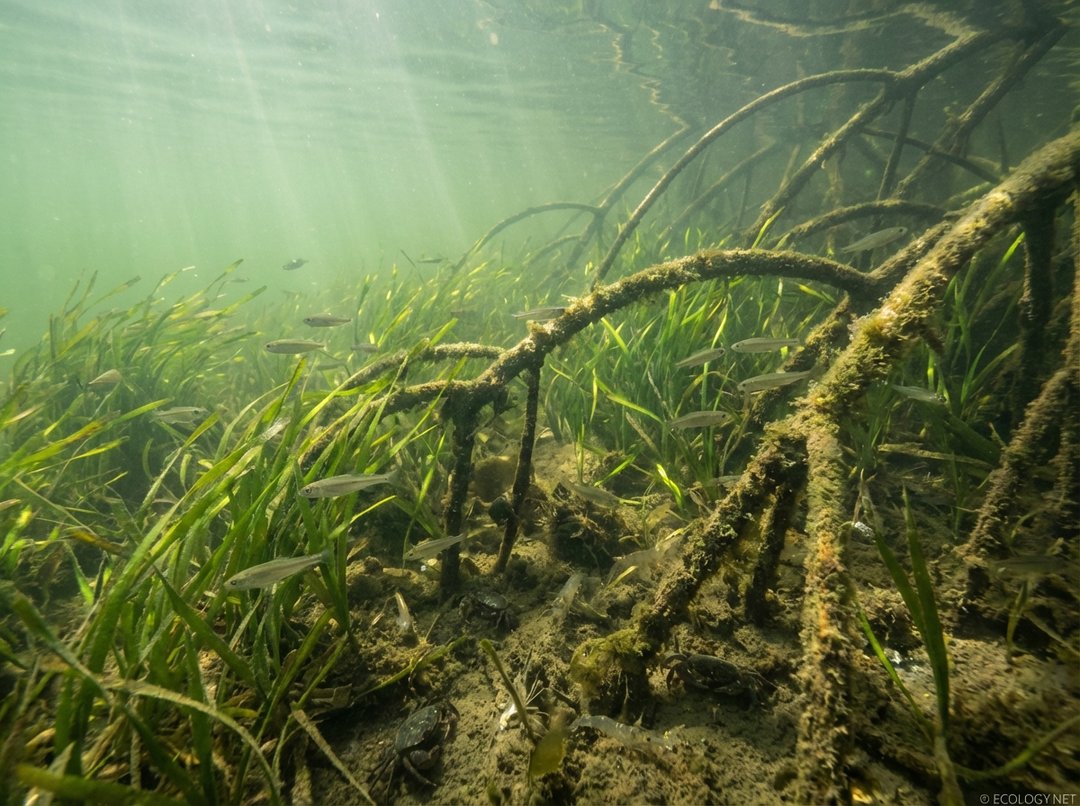
This photo-realistic image highlights one of the most crucial ecological roles of estuaries: serving as nurseries for marine life. It brings to life the description of estuaries as ‘cradles of life’ and ‘nurseries for marine life,’ making the ‘Why are Estuaries Important?’ section more engaging.
- Marine Nurseries: Perhaps their most celebrated role, estuaries are often called the “cradles of the ocean.” Their sheltered, nutrient-rich waters provide ideal breeding grounds and protective nurseries for the young of many marine species, including commercially important fish like salmon, flounder, and striped bass, as well as crabs and shrimp. Juvenile organisms find refuge from predators and abundant food supplies, giving them a crucial head start before venturing into the open ocean.
- Biodiversity Hotspots: Beyond nurseries, estuaries support a vast array of life adapted to brackish conditions. This includes unique species of birds, mammals, reptiles, amphibians, and a plethora of invertebrates. Migratory birds, for instance, rely on estuarine mudflats and marshes as critical stopover points for feeding and resting during their long journeys.
- Natural Water Filters: The dense vegetation in estuarine marshes and seagrass beds acts as a natural filter, trapping sediments and pollutants that flow from upstream. This process helps to improve water quality, protecting both marine ecosystems and human health.
- Coastal Protection: Estuarine wetlands, such as salt marshes and mangrove forests, serve as vital buffers against coastal erosion and storm surges. Their extensive root systems stabilize shorelines, and the vegetation absorbs wave energy, reducing the impact of storms on inland communities.
- Economic Value: Estuaries contribute significantly to local and national economies. They support thriving commercial and recreational fisheries, provide opportunities for tourism and recreation like boating, birdwatching, and kayaking, and are often home to major ports and shipping lanes.
Threats to Estuaries: A Call for Conservation
Despite their immense value, estuaries worldwide face significant threats, primarily from human activities. Their proximity to densely populated coastal areas makes them particularly vulnerable.
- Pollution: Runoff from agricultural lands, urban areas, and industrial sites introduces a cocktail of pollutants into estuaries. This includes excess nutrients (nitrogen and phosphorus) leading to harmful algal blooms and oxygen depletion (hypoxia), pesticides, heavy metals, and microplastics.
- Habitat Destruction: Coastal development, dredging for navigation, filling wetlands for construction, and alteration of natural shorelines directly destroy critical estuarine habitats like salt marshes, seagrass beds, and oyster reefs.
- Overfishing: Intensive fishing pressure can deplete fish stocks that rely on estuaries for part of their life cycle, disrupting the delicate balance of the food web.
- Climate Change: Rising sea levels threaten to inundate estuarine wetlands, while increased storm intensity can cause greater erosion and habitat damage. Changes in freshwater input due to altered rainfall patterns can also drastically affect salinity regimes, impacting sensitive species. Ocean acidification, though more pronounced in the open ocean, can also affect estuarine organisms with calcium carbonate shells.
Protecting Our Estuaries: What Can Be Done?
Given their critical importance, protecting estuaries is not just an environmental imperative but an economic and social necessity. Conservation efforts require a multi-faceted approach involving individuals, communities, and governments.
- Sustainable Land Use: Implementing responsible land management practices in watersheds, such as reducing fertilizer use, managing stormwater runoff, and protecting riparian buffers, can significantly reduce pollution entering estuaries.
- Habitat Restoration: Projects focused on restoring degraded salt marshes, replanting seagrass beds, and rebuilding oyster reefs can bring back vital habitats and improve ecosystem health.
- Effective Regulation and Policy: Strong environmental regulations, enforcement, and protected area designations are crucial for preventing further degradation and ensuring the long-term health of estuarine ecosystems.
- Public Awareness and Education: Educating the public about the value of estuaries and the threats they face can foster a sense of stewardship and encourage individual actions that support conservation.
- Individual Actions: Simple choices like reducing plastic consumption, properly disposing of waste, supporting sustainable seafood, and participating in local clean-up efforts can collectively make a significant difference.
A Vital Connection to Our World
Estuaries are truly extraordinary places, where the land, river, and ocean converge to create a unique and highly productive environment. They are not merely transitional zones but vibrant ecosystems that provide invaluable services, from nurturing marine life to protecting our coastlines and filtering our waters. Understanding their complexity and appreciating their beauty is the first step towards ensuring their preservation for future generations. By recognizing their profound importance and acting responsibly, we can help these vital ecosystems continue to thrive, sustaining both nature and humanity.