Humanity’s relationship with the natural world is a delicate dance, a constant negotiation between our needs and the planet’s capacity to provide. For centuries, this relationship was often one-sided, with human progress frequently coming at the expense of ecosystems. However, as our understanding of ecological limits grew, so did the realization that a more deliberate approach was needed. This is where the concept of environmental policy emerges: a crucial framework designed to guide our interactions with the environment, ensuring both human well-being and the long-term health of our planet.
At its heart, environmental policy is about finding equilibrium. It acknowledges that societies require resources, energy, and space to thrive, but also recognizes that these demands must be met without irreversibly damaging the very systems that sustain us. It is the art and science of managing human activities to prevent, reduce, or mitigate harmful effects on the environment, while simultaneously promoting sustainable resource use and conservation.
The Balancing Act: Why Environmental Policy Matters
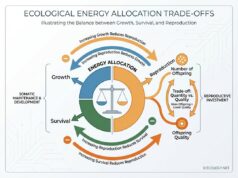
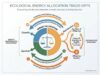
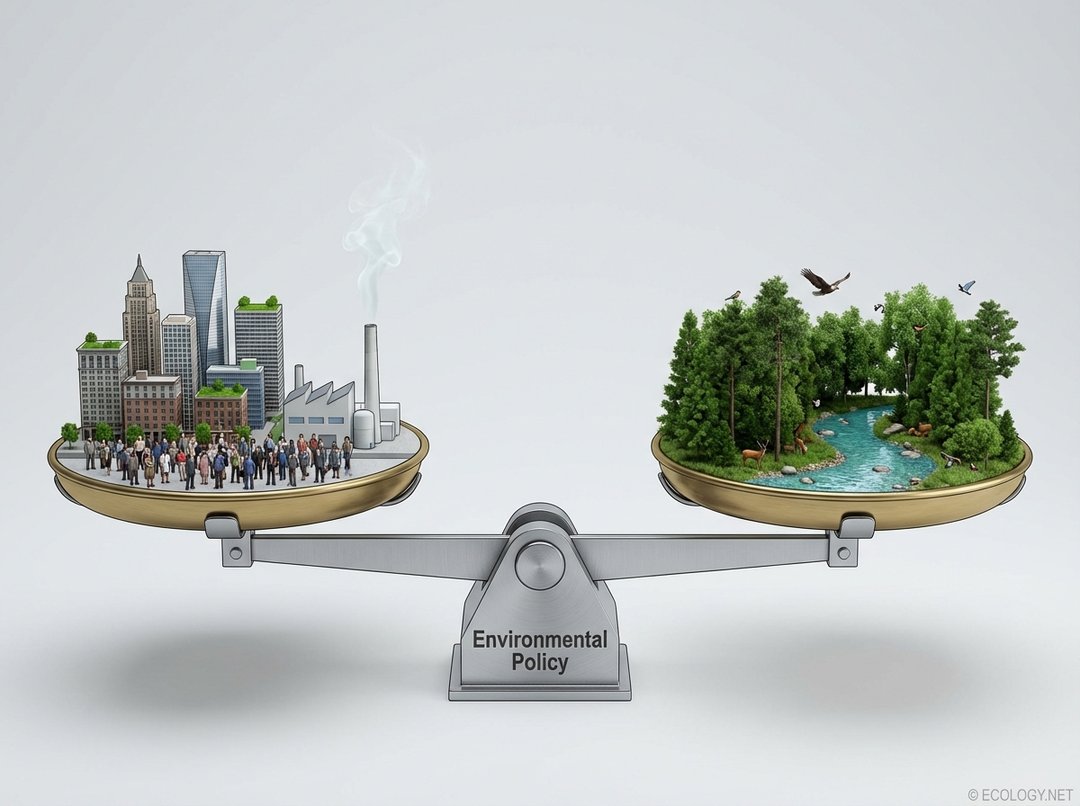
Imagine a perfectly balanced scale. On one side, you have the bustling activity of human society: cities, industries, agriculture, and the diverse needs of a growing population. On the other, you see the intricate web of nature: pristine forests, vibrant oceans, clean air, and the myriad species that call Earth home. The fulcrum of this scale is environmental policy. Its purpose is to ensure that neither side overwhelms the other, preventing a collapse that would ultimately harm both.
Without robust environmental policies, the consequences can be severe. Unchecked industrialization leads to widespread pollution, contaminating air and water, and harming human health. Deforestation for agriculture or development can lead to soil erosion, loss of biodiversity, and altered climate patterns. Overfishing depletes marine ecosystems, threatening food security and the livelihoods of coastal communities. Environmental policy steps in to address these challenges, setting boundaries and guiding actions to foster a more harmonious coexistence.
Core Objectives of Environmental Policy
- Pollution Control: Reducing emissions into the air, discharges into water, and proper management of waste.
- Resource Conservation: Protecting finite natural resources like water, minerals, and forests, and promoting sustainable use.
- Biodiversity Protection: Safeguarding species, habitats, and ecosystems from degradation and extinction.
- Climate Change Mitigation and Adaptation: Addressing the causes and impacts of global warming through emissions reductions and preparing for changes already underway.
- Public Health Protection: Ensuring a clean and safe environment for human well-being, as environmental quality is intrinsically linked to health.
Key Drivers Shaping Environmental Policy
Environmental policy does not emerge in a vacuum. It is shaped by a complex interplay of factors, reflecting societal values, scientific understanding, and economic realities.
Scientific Understanding and Research
The foundation of effective environmental policy lies in scientific evidence. Research into climate change, biodiversity loss, pollution pathways, and ecosystem services provides the critical data needed to identify problems, understand their causes, and predict potential impacts. For example, decades of research on ozone depletion led to international agreements like the Montreal Protocol, successfully phasing out ozone-depleting substances.
Public Awareness and Advocacy
Growing public concern about environmental issues often acts as a powerful catalyst for policy change. Grassroots movements, non-governmental organizations (NGOs), and media attention can pressure governments and corporations to adopt more sustainable practices and enact protective legislation. The widespread demand for clean energy and sustainable products, for instance, has spurred policy initiatives supporting renewable energy development.
Economic Considerations
While often perceived as a cost, environmental protection can also drive economic innovation and create new industries. Policies can incentivize green technologies, promote resource efficiency, and foster sustainable economic growth. However, economic trade-offs are also a significant factor, as policies must often balance environmental benefits with potential impacts on industries and livelihoods.
International Cooperation and Agreements
Many environmental challenges, such as climate change, transboundary pollution, and biodiversity loss, transcend national borders. This necessitates international collaboration and agreements. Treaties like the Paris Agreement on climate change or the Convention on Biological Diversity demonstrate how nations can collectively address global environmental issues, even if implementation varies.
The Environmental Policy Instruments Toolbox
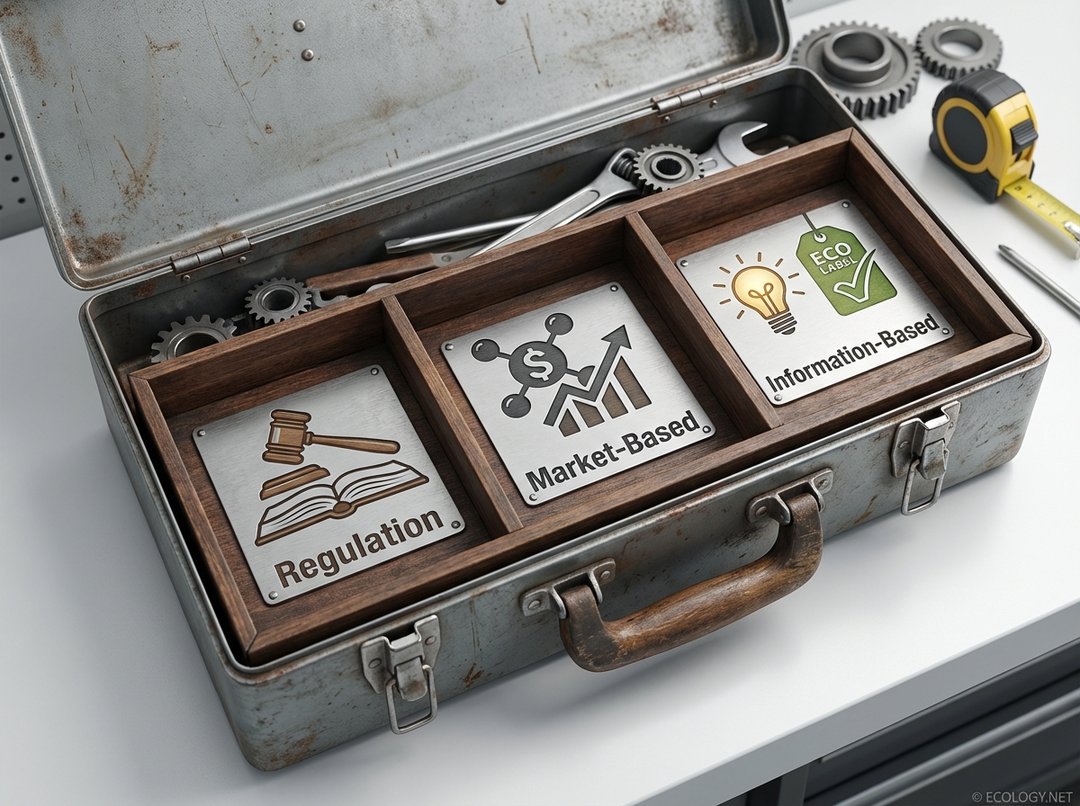
How do policymakers actually achieve their environmental goals? They employ a diverse set of tools, often categorized into three main types. Think of it as a specialized toolbox, with each instrument designed for a particular task.
1. Regulatory Instruments (Command and Control)
These are the most traditional and direct forms of environmental policy. They involve setting legally binding rules and standards that dictate what individuals and organizations can and cannot do. Non-compliance typically results in penalties.
- Examples:
- Emission Standards: Laws setting maximum permissible levels of pollutants that can be discharged from industrial facilities or vehicles. For instance, a power plant might be legally required to install scrubbers to reduce sulfur dioxide emissions.
- Zoning Laws: Regulations that designate specific land areas for particular uses, preventing industrial development in sensitive ecological zones or residential areas.
- Product Bans: Prohibiting the manufacture or sale of certain harmful substances, such as leaded gasoline or specific pesticides.
- Permitting Systems: Requiring businesses to obtain permits before undertaking activities that could impact the environment, like discharging wastewater, with conditions attached to ensure compliance.
Regulatory instruments are effective for addressing clear, identifiable environmental harms and ensuring a baseline level of protection. However, they can sometimes be inflexible and may not always encourage innovation beyond the minimum required standard.
2. Market-Based Instruments (MBIs)
MBIs use economic incentives and disincentives to encourage environmentally friendly behavior. They aim to internalize environmental costs, meaning that the price of goods and services reflects their true environmental impact, rather than externalizing these costs onto society or the environment.
- Examples:
- Carbon Taxes: A levy on carbon emissions, making activities that release greenhouse gases more expensive. This encourages industries to reduce their carbon footprint to save money.
- Cap-and-Trade Systems: Governments set an overall limit (cap) on a pollutant, then issue permits (allowances) to companies for a certain amount of emissions. Companies can buy and sell these allowances, creating a market that incentivizes emissions reductions.
- Subsidies for Green Technologies: Financial assistance or tax breaks for businesses and individuals adopting renewable energy, energy-efficient appliances, or sustainable agricultural practices.
- Deposit-Refund Systems: Consumers pay an extra charge when purchasing a product (e.g., a beverage bottle) which is refunded upon its return for recycling. This encourages responsible disposal and recycling.
Market-based instruments are often praised for their flexibility and cost-effectiveness, as they allow polluters to choose the most efficient way to reduce their environmental impact. They can also spur technological innovation.
3. Information-Based Instruments
These policies focus on influencing behavior by providing information, raising awareness, and fostering a sense of responsibility. They empower individuals and organizations to make more informed environmental choices.
- Examples:
- Eco-labeling: Certifications on products (e.g., “organic,” “fair trade,” “Energy Star”) that inform consumers about their environmental performance or production methods, allowing them to choose more sustainable options.
- Public Awareness Campaigns: Government or NGO-led initiatives to educate the public about environmental issues like water conservation, recycling, or the impacts of plastic pollution.
- Environmental Reporting Requirements: Mandating that companies disclose their environmental performance, emissions data, or sustainability efforts. This transparency can influence investor decisions and public perception.
- Voluntary Agreements: Non-binding commitments by industries or businesses to adopt certain environmental standards or practices, often in collaboration with government agencies or NGOs.
Information-based instruments are generally less coercive but can be highly effective in shifting cultural norms and consumer preferences over time. They work best when combined with other policy types.
Challenges and the Path Forward
Despite the critical importance of environmental policy, its implementation is rarely straightforward. Policymakers face numerous challenges:
- Political Will and Short-Termism: Environmental issues often require long-term solutions, which can conflict with short political cycles and immediate economic pressures.
- Economic Trade-offs: Balancing environmental protection with economic growth and job creation can lead to difficult decisions and resistance from affected industries.
- Scientific Uncertainty: While science provides a strong foundation, there can still be uncertainties, particularly with complex ecological systems, which can be exploited to delay action.
- Enforcement and Compliance: Even well-designed policies require robust enforcement mechanisms and a willingness from regulated entities to comply.
- Global Cooperation: Transboundary issues necessitate international agreements, which can be challenging to negotiate and enforce due to national sovereignty and differing priorities.
The future of environmental policy will likely involve an increasing emphasis on integrated approaches, combining different policy instruments to achieve synergistic effects. Adaptive management, where policies are regularly reviewed and adjusted based on new scientific information and outcomes, will also become more crucial. Furthermore, the focus will continue to shift towards fostering a circular economy, promoting resource efficiency, and leveraging technological innovations to decouple economic growth from environmental degradation.
Conclusion: A Shared Responsibility
Environmental policy is not merely a set of rules; it is a dynamic and evolving societal commitment to safeguarding our planet for current and future generations. It represents our collective effort to understand, manage, and mitigate the impacts of human activity on the natural world. From the local creek to the global atmosphere, these policies are the invisible threads that weave together human aspirations with ecological realities.
As our understanding of Earth’s intricate systems deepens and the pressures on our environment intensify, the role of effective environmental policy becomes ever more critical. It is a testament to our capacity for foresight and cooperation, reminding us that a healthy planet is not just an environmental issue, but a fundamental prerequisite for a thriving human society. Engaging with and supporting sound environmental policies is a shared responsibility, a vital investment in our collective future.