Unlocking Nature’s Recycling Secret: The Art and Science of Composting
Imagine a world where kitchen scraps and yard waste transform into a nutrient-rich elixir for your garden, a dark, crumbly treasure that breathes new life into soil. This isn’t magic, it’s composting, a powerful natural process that turns organic waste into a valuable resource. Far more than just a way to reduce landfill waste, composting is a cornerstone of sustainable living, enriching our planet one pile at a time. Join us on a journey to uncover the wonders of this ancient practice, from its fundamental ingredients to its profound benefits.
What Exactly is Composting?
At its heart, composting is controlled decomposition. It is the natural process where microorganisms, insects, and fungi break down organic materials into a stable, dark, earth-like substance called humus. This incredible transformation happens constantly in nature, but by creating an optimal environment, we can accelerate the process, harnessing its power for our gardens and the environment.
Think of your compost pile as a bustling city for microscopic life. These tiny workers consume organic matter, breaking it down into simpler compounds. The result is not just reduced waste, but a potent soil amendment that improves soil structure, retains moisture, and provides essential nutrients for plants.
The Key Ingredients: Browns and Greens
Just like a chef needs the right balance of ingredients for a perfect dish, a successful compost pile requires a specific mix of materials. These are broadly categorized into “browns” and “greens,” representing carbon-rich and nitrogen-rich components, respectively.

Browns: The Carbon Backbone
Brown materials are typically dry, woody, and provide the carbon necessary for the microorganisms’ energy. They also help create air pockets within the pile, which is crucial for aerobic decomposition. Examples include:
- Dried leaves
- Shredded paper and cardboard (non-glossy)
- Small twigs and wood chips
- Sawdust (from untreated wood)
- Straw and hay
Greens: The Nitrogen Boost
Green materials are generally fresh, moist, and rich in nitrogen, which is essential for the microorganisms’ growth and reproduction. They are the “protein” of your compost pile.
- Grass clippings
- Fruit and vegetable scraps
- Coffee grounds and tea bags
- Garden trimmings (fresh, soft plant material)
- Manure (from herbivores like cows, horses, chickens)
The Golden Ratio
The ideal balance for a thriving compost pile is approximately two parts browns to one part greens by volume. Too many greens can lead to a slimy, smelly pile, while too many browns can slow down decomposition significantly. Achieving this balance ensures a healthy, active compost system.
The Composting Process: From Waste to Wonder
The transformation of organic waste into compost is a dynamic journey, orchestrated by a succession of microbial communities. This process typically unfolds in four distinct phases:
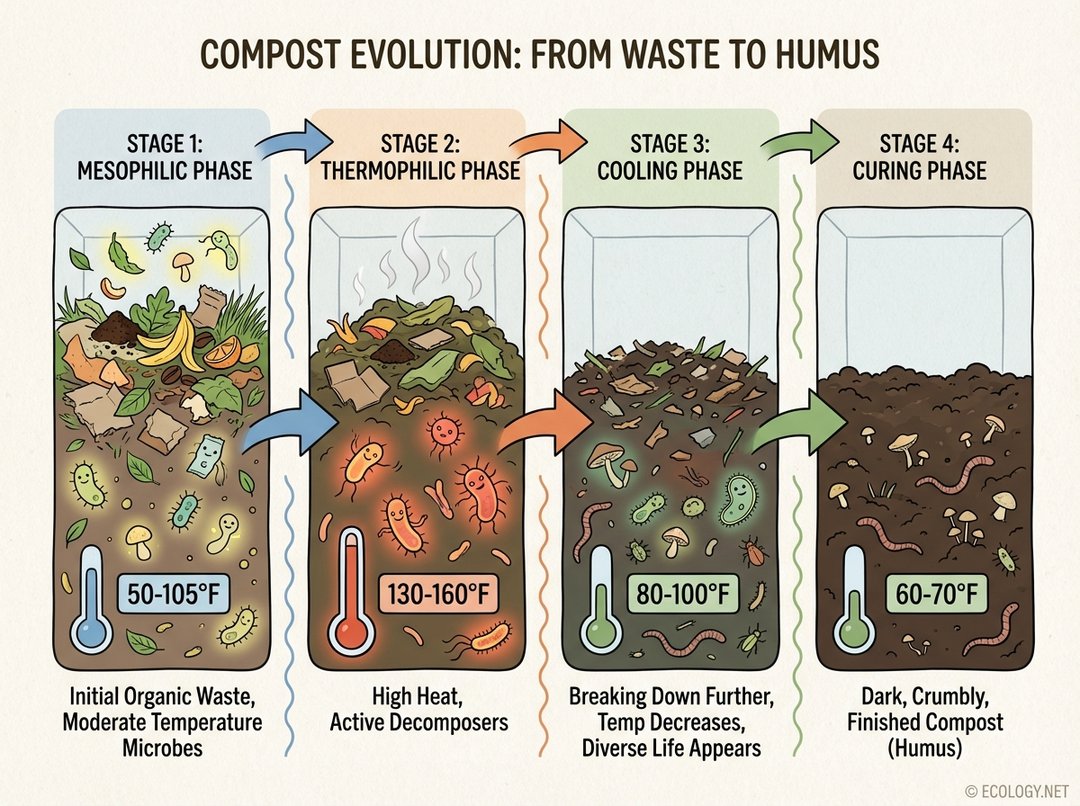
- Mesophilic Phase: The Warm-Up Act
This initial stage begins at ambient temperatures. Mesophilic microorganisms, which thrive in moderate temperatures (around 68-113°F or 20-45°C), start breaking down the readily available sugars and starches in the fresh organic matter. This activity generates heat, gradually raising the pile’s internal temperature. - Thermophilic Phase: The Hot Zone
As temperatures climb, thermophilic microorganisms take over. These heat-loving microbes flourish in temperatures ranging from 130-160°F (55-70°C). This intense heat is crucial, as it effectively kills most weed seeds, pathogens, and harmful bacteria, making the finished compost safe for gardening. This phase is the most active and can last from a few days to several weeks, depending on the pile’s size and composition. - Cooling Phase: The Transition
Once the easily digestible materials are consumed, the microbial activity slows, and the pile’s temperature gradually begins to drop. Different types of fungi and other microorganisms, including beneficial insects, begin to colonize the pile, further breaking down more resistant materials. - Curing Phase: The Maturation
Also known as the maturation phase, this is where the compost stabilizes. The temperature returns to ambient levels, and the remaining organic matter is converted into stable humus. This final product is dark, crumbly, and has an earthy smell. It is ready to be incorporated into your garden. This phase can take several weeks to months.
Setting Up Your Compost System
Starting your own compost journey is simpler than you might think. Here are some practical steps to get you started:
Choosing the Right Location
Select a spot that is:
- Shady or partially shady: This helps retain moisture and prevents the pile from drying out too quickly.
- Well-drained: Avoid areas where water pools.
- Accessible: Easy to add materials and turn the pile.
- Away from structures: To prevent potential moisture damage or pest attraction.
Types of Compost Bins
There are many options, from simple to sophisticated:
- Open Piles: The simplest method, just a heap of materials. Best for larger volumes of yard waste.
- Wire Bins: Cylindrical enclosures made from wire mesh, allowing good airflow.
- Plastic Bins: Enclosed bins with lids, often with access doors at the bottom for finished compost. Good for smaller spaces and deterring pests.
- Compost Tumblers: Sealed, rotating drums that make turning the compost easy and speed up decomposition.
What to Compost: The Do’s and Don’ts
Do Compost:
- Fruit and vegetable scraps
- Coffee grounds and filters, tea bags
- Eggshells (crushed)
- Yard waste: leaves, grass clippings, small twigs
- Shredded newspaper and cardboard
- Hair and pet fur
- Sawdust (untreated wood)
Do NOT Compost:
- Meat, bones, fish, dairy products: Attract pests and create odors.
- Oils and greasy foods: Attract pests and can slow decomposition.
- Pet waste (from carnivorous animals): May contain harmful pathogens.
- Diseased plants: Can spread diseases to your garden.
- Weeds with seeds: Can introduce unwanted plants to your garden.
- Chemically treated wood or plants: Introduce harmful substances.
Maintaining Your Compost Pile for Success
A little attention goes a long way in ensuring your compost pile thrives.
Moisture is Key
Your compost pile should feel like a wrung-out sponge, moist but not soggy. If it is too dry, decomposition slows. If it is too wet, it can become anaerobic and smelly. Add water if it is dry, or add more browns if it is too wet.
Aeration: Let it Breathe
Microorganisms need oxygen to do their work efficiently. Turning your compost pile regularly (once a week or every few weeks) introduces air, prevents compaction, and helps distribute moisture and heat evenly. This also speeds up the composting process.
Troubleshooting Common Issues
- Smelly Pile: Usually indicates too much nitrogen (greens) or lack of oxygen. Add more browns and turn the pile.
- Slow Decomposition: Often due to lack of moisture, insufficient nitrogen, or poor aeration. Check moisture, add greens, and turn.
- Pests: Attracted by meat, dairy, or uncovered food scraps. Ensure you are only adding appropriate materials and bury food scraps deep within the pile.
The Benefits of Compost: Turning Waste into Wonder
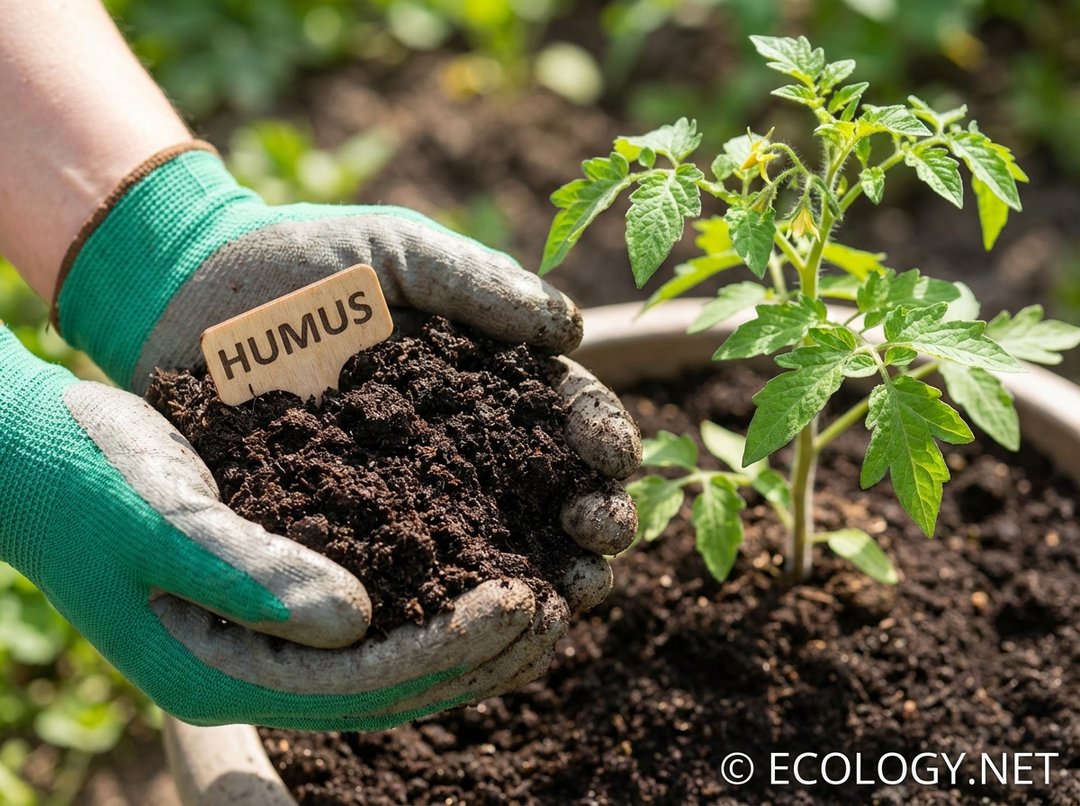
The true reward of composting lies in the rich, dark, earthy product it yields: humus. This finished compost is a powerhouse for your garden and the environment.
Soil Enrichment and Structure Improvement
Compost acts as a natural soil conditioner, improving soil structure by binding sandy soils to retain water and nutrients, and loosening clay soils to improve drainage and aeration. It creates a hospitable environment for beneficial soil organisms.
Nutrient Delivery
While not a fast-acting fertilizer, compost provides a slow-release source of essential plant nutrients, reducing the need for synthetic fertilizers. It also helps make existing soil nutrients more available to plants.
Enhanced Water Retention
The organic matter in compost significantly increases the soil’s capacity to hold water, meaning plants require less frequent watering, especially during dry spells. This is a crucial benefit in water-scarce regions.
Disease and Pest Suppression
Healthy, biologically active soil enriched with compost can help suppress plant diseases and deter pests, leading to stronger, more resilient plants.
Waste Reduction and Environmental Impact
Composting diverts a significant portion of household waste from landfills, where it would otherwise decompose anaerobically and produce methane, a potent greenhouse gas. By composting, we actively reduce our carbon footprint and contribute to a circular economy.
Advanced Composting Techniques: For the Curious Composter
Once you master the basics, you might be interested in exploring more specialized composting methods:
Vermicomposting: Composting with Worms
This method utilizes specific species of earthworms, primarily red wigglers (Eisenia fetida), to break down organic waste. Worms consume food scraps and excrete nutrient-rich “castings,” which are an excellent soil amendment. Vermicomposting is ideal for indoor use or small spaces, as it is odorless and efficient.
Bokashi Composting: Fermentation First
Bokashi is a Japanese method that involves fermenting food waste using a special inoculant (usually bran inoculated with beneficial microorganisms). This process pickles the food scraps, preventing putrefaction and odors. The fermented material is then buried in the garden or added to a traditional compost pile for final breakdown. It is excellent for composting items not typically added to traditional piles, like meat and dairy.
Hot Composting vs. Cold Composting
- Hot Composting: This method focuses on creating and maintaining high temperatures (130-160°F) to rapidly decompose materials. It requires careful layering of browns and greens, regular turning, and monitoring. The result is finished compost in a matter of weeks or months.
- Cold Composting: This is a more passive approach, simply piling up organic materials and letting nature take its course. It requires less effort but takes much longer, often a year or more, to produce finished compost.
Embrace the Cycle: Your Role in a Greener Future
Composting is more than just a gardening technique; it is a profound act of ecological stewardship. It transforms what was once considered waste into a vital resource, closing the loop in our natural systems. By understanding the science and embracing the practice of composting, individuals can make a tangible difference in reducing landfill burden, enriching soil, and fostering healthier ecosystems.
Whether you start with a small kitchen scrap bin or a large backyard pile, every bit of organic material diverted and transformed contributes to a more sustainable and vibrant world. So, roll up your sleeves, gather your browns and greens, and begin your journey into the wonderful world of composting. Your garden, and the planet, will thank you for it.