The Earth’s climate has always experienced natural fluctuations, cycles of warming and cooling that have shaped our planet over millennia. However, what scientists observe today is a rapid and unprecedented shift, largely driven by human activities. This phenomenon, commonly known as climate change, represents one of the most significant challenges facing humanity and the natural world.
Understanding climate change begins with grasping its fundamental mechanisms, tracing its causes, recognizing its widespread impacts, and exploring the solutions available to mitigate and adapt to its effects. This comprehensive guide aims to demystify the complexities of climate change, offering insights into its science, implications, and the collective actions needed to forge a sustainable future.
The Earth’s Natural Thermostat: The Greenhouse Effect
At the heart of climate change lies a natural process essential for life on Earth: the greenhouse effect. Without it, our planet would be a frozen, uninhabitable wasteland, with an average temperature far below freezing. The greenhouse effect works much like a greenhouse for plants, trapping some of the sun’s warmth to maintain a habitable temperature.
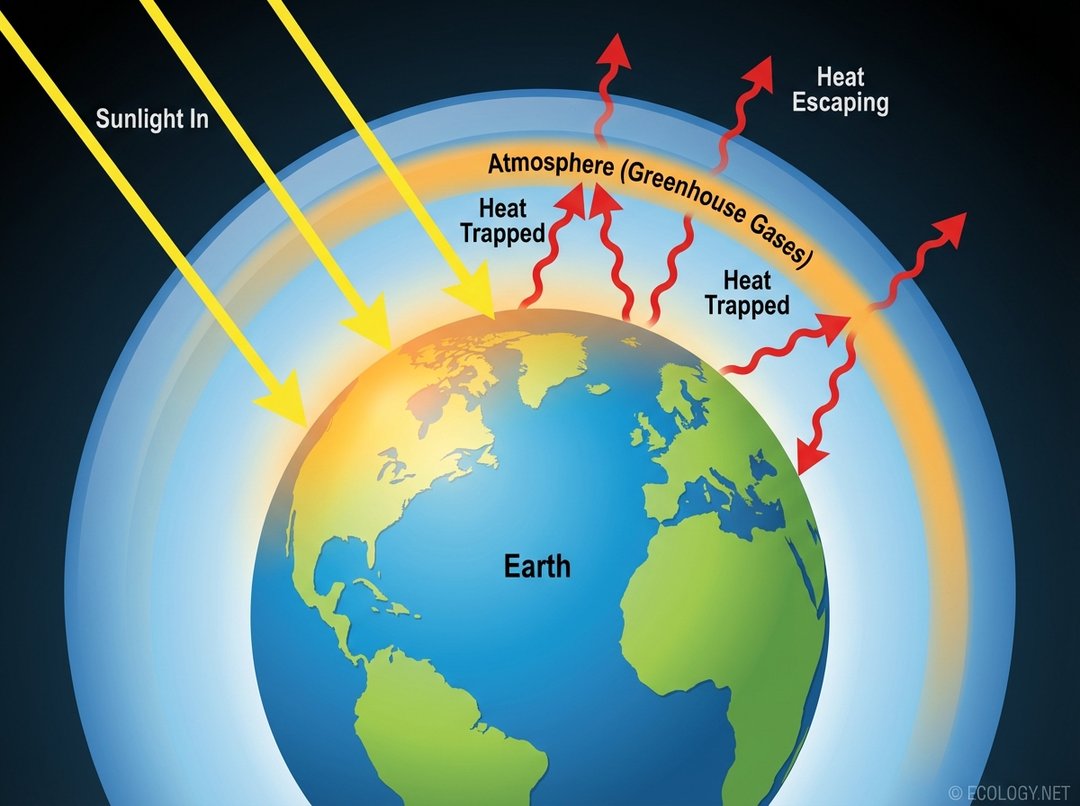
Here is how it functions:
- Sunlight In: Solar radiation from the sun passes through Earth’s atmosphere and warms the planet’s surface.
- Heat Radiating Out: The Earth’s surface then radiates some of this heat back towards space as infrared radiation.
- Heat Trapped: Certain gases in the atmosphere, known as greenhouse gases, absorb some of this outgoing infrared radiation, preventing it from escaping directly into space. They then re-emit this energy in all directions, including back towards the Earth’s surface, further warming the planet.
Key greenhouse gases include carbon dioxide (CO2), methane (CH4), nitrous oxide (N2O), and water vapor. These gases are naturally present in the atmosphere, forming a vital blanket that keeps our planet warm enough to support diverse ecosystems and human civilization.
The Anthropogenic Amplification
While the natural greenhouse effect is beneficial, human activities have significantly increased the concentration of these gases in the atmosphere, particularly since the Industrial Revolution. This amplification of the natural process is what leads to global warming and the broader phenomenon of climate change. It is akin to adding extra blankets to the Earth, causing it to warm beyond its natural equilibrium.
What’s Driving the Change? Human Activities
The scientific consensus is clear: the rapid increase in greenhouse gas concentrations over the past century is overwhelmingly due to human actions. These activities release vast amounts of heat-trapping gases into the atmosphere, disrupting the delicate balance of Earth’s climate system.
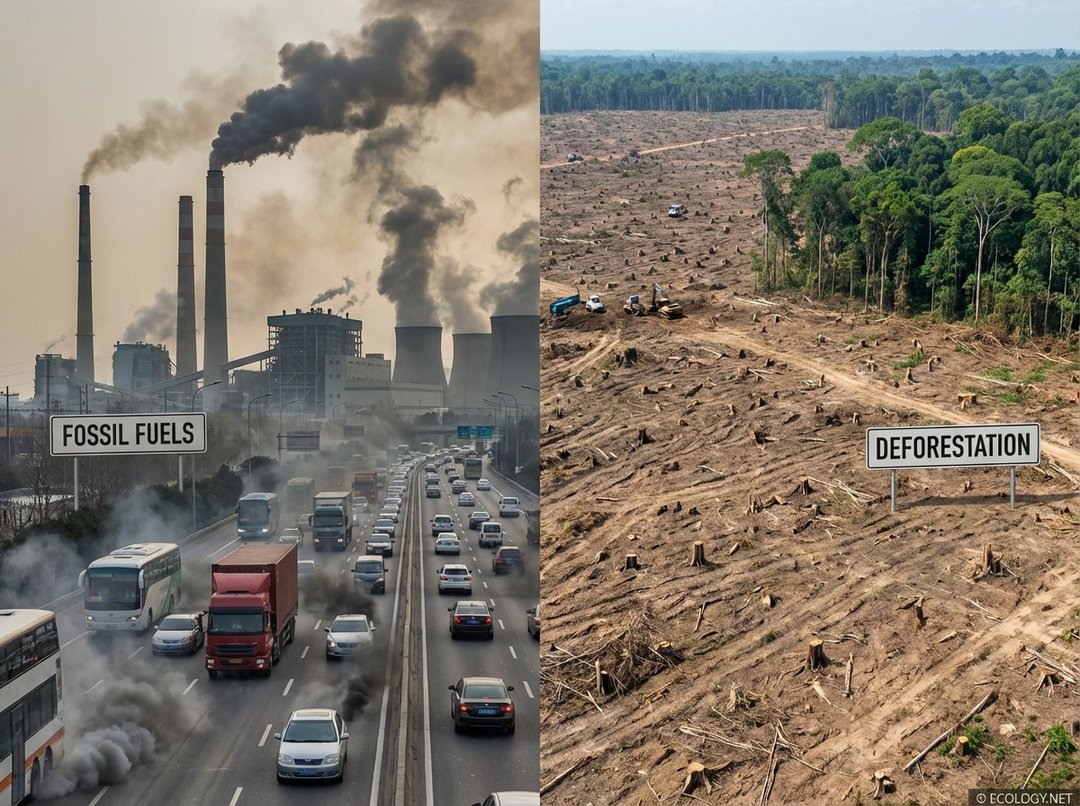
The primary drivers include:
- Burning Fossil Fuels: This is the single largest contributor. When coal, oil, and natural gas are burned for electricity generation, transportation, industrial processes, and heating, they release large quantities of carbon dioxide into the atmosphere. For example, a typical coal-fired power plant emits millions of tons of CO2 annually.
- Deforestation: Forests act as vital carbon sinks, absorbing CO2 from the atmosphere through photosynthesis. When forests are cleared for agriculture, logging, or development, not only is this carbon absorption capacity lost, but the carbon stored in the trees is also released back into the atmosphere when they decompose or are burned. The Amazon rainforest, for instance, has seen vast tracts cleared, releasing billions of tons of stored carbon.
- Agriculture: Certain agricultural practices contribute significantly to greenhouse gas emissions. Livestock farming, particularly cattle, produces large amounts of methane through their digestive processes. The use of synthetic fertilizers releases nitrous oxide, a potent greenhouse gas. Rice cultivation in flooded paddies also produces methane.
- Industrial Processes: Many industrial activities, beyond just burning fossil fuels for energy, release greenhouse gases. For example, the production of cement, steel, and chemicals involves processes that directly emit CO2 and other gases.
- Waste Management: Landfills are a major source of methane as organic waste decomposes without oxygen. Wastewater treatment can also release methane and nitrous oxide.
These activities collectively create an imbalance, leading to an accelerated warming trend that is altering climate patterns worldwide.
The Far-Reaching Impacts of Climate Change
The consequences of an amplified greenhouse effect are profound and multifaceted, affecting every corner of the globe. These impacts are not theoretical future threats but are already being observed and felt today.
Rising Global Temperatures
The most direct and widely recognized impact is the increase in Earth’s average surface temperature. Each of the last four decades has been successively warmer than any decade since 1850. This warming trend leads to:
- More Frequent and Intense Heatwaves: Cities around the world are experiencing record-breaking temperatures, posing serious health risks, especially for vulnerable populations.
- Changes in Seasonal Patterns: Spring arrives earlier in many regions, affecting agricultural cycles and the timing of biological events like bird migrations.
Melting Ice and Rising Sea Levels
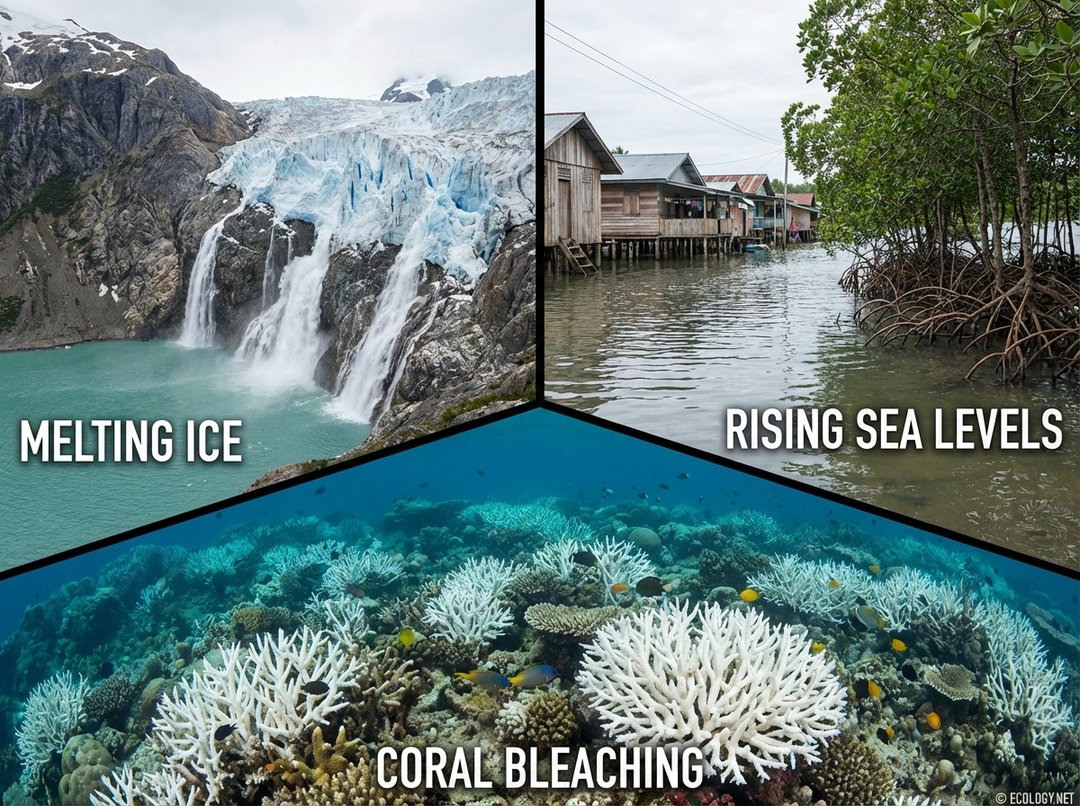
As global temperatures rise, ice sheets and glaciers are melting at an accelerated rate. This meltwater, combined with the thermal expansion of warming ocean water, leads to a steady rise in global sea levels. Coastal communities, from low-lying islands to major cities like Miami or Jakarta, face increased risks of:
- Coastal Flooding: More frequent and severe inundation of coastal areas, damaging infrastructure and displacing communities.
- Erosion: The loss of beaches and coastal land.
- Saltwater Intrusion: Seawater contaminating freshwater aquifers, impacting drinking water supplies and agriculture.
Extreme Weather Events
Climate change is intensifying many extreme weather events:
- More Intense Storms: Warmer ocean waters provide more energy for tropical storms and hurricanes, leading to stronger winds and heavier rainfall.
- Increased Droughts and Wildfires: Prolonged periods of high temperatures and reduced rainfall contribute to severe droughts, particularly in regions like the American Southwest and parts of Africa, increasing the risk and intensity of wildfires.
- Heavier Rainfall and Flooding: While some areas face drought, others experience more intense rainfall events, leading to flash floods and riverine flooding, as seen in recent events across Europe and Asia.
Ocean Acidification and Marine Life
The oceans absorb a significant portion of the excess CO2 from the atmosphere. While this helps to slow atmospheric warming, it comes at a cost: the CO2 reacts with seawater to form carbonic acid, making the oceans more acidic. This phenomenon, known as ocean acidification, has severe implications for marine ecosystems:
- Coral Bleaching: Warmer and more acidic waters stress corals, causing them to expel the algae living in their tissues, leading to “bleaching” and often death. Iconic reefs like the Great Barrier Reef have suffered extensive bleaching events.
- Impacts on Shell-Forming Organisms: Acidification makes it harder for organisms like oysters, clams, and pteropods (sea snails) to build and maintain their shells, threatening the base of the marine food web.
Threats to Biodiversity and Ecosystems
Species are struggling to adapt to rapid environmental changes. Shifting climate zones force animals and plants to migrate, but many cannot move fast enough or face habitat fragmentation. This leads to:
- Habitat Loss: Melting Arctic ice threatens polar bears, while rising sea levels inundate coastal wetlands crucial for migratory birds.
- Extinction Risk: A significant percentage of species could face extinction if global warming continues unchecked.
- Disruption of Ecosystem Services: Changes in pollination patterns, water purification, and pest control provided by healthy ecosystems are being disrupted.
Socio-Economic Impacts
The impacts of climate change extend to human societies, affecting livelihoods, health, and security:
- Food Security: Changes in rainfall patterns, increased droughts, and extreme weather events threaten agricultural productivity, leading to crop failures and food shortages.
- Human Health: Heatwaves cause heatstroke and exacerbate respiratory and cardiovascular diseases. Changes in vector-borne disease patterns (e.g., malaria, dengue fever) are also observed as mosquitoes expand their range.
- Displacement and Migration: People are forced to leave their homes due to sea level rise, extreme weather events, and resource scarcity, leading to climate refugees and increased social instability.
Addressing Climate Change: Mitigation and Adaptation
Responding to climate change requires a two-pronged approach: mitigation, which involves reducing greenhouse gas emissions to slow or halt global warming, and adaptation, which means adjusting to the current and future impacts of climate change.
Mitigation Strategies: Reducing Emissions
The most crucial aspect of mitigation is transitioning away from fossil fuels and embracing cleaner energy sources:
- Renewable Energy Transition: Investing heavily in solar, wind, hydro, geothermal, and tidal power. Countries like Germany and Denmark have made significant strides in integrating renewables into their energy grids.
- Energy Efficiency and Conservation: Improving the energy efficiency of buildings, vehicles, and industrial processes. This includes better insulation, LED lighting, and electric vehicles.
- Sustainable Land Use and Reforestation: Protecting existing forests, undertaking large-scale tree planting initiatives, and adopting sustainable agricultural practices that sequester carbon in soils.
- Carbon Capture, Utilization, and Storage (CCUS): Technologies that capture CO2 emissions from industrial sources or directly from the air, then store them underground or use them in other processes. While promising, these technologies are still developing and costly.
- Policy and International Cooperation: Governments implementing carbon pricing, regulations on emissions, and international agreements like the Paris Agreement to set global targets for emissions reductions.
Adaptation Strategies: Building Resilience
Even with aggressive mitigation, some degree of climate change is inevitable due to past emissions. Therefore, adaptation is essential to protect communities and ecosystems:
- Building Resilient Infrastructure: Constructing sea walls and levees to protect coastal areas, designing buildings to withstand extreme weather, and upgrading drainage systems to cope with heavier rainfall.
- Water Management: Developing drought-resistant crops, improving irrigation efficiency, and implementing water conservation measures in regions facing water scarcity.
- Early Warning Systems: Enhancing systems for predicting extreme weather events like hurricanes, floods, and heatwaves, allowing communities to prepare and evacuate if necessary.
- Ecosystem-Based Adaptation: Protecting and restoring natural ecosystems like mangroves, coral reefs, and wetlands, which can provide natural defenses against storms and sea level rise.
- Public Health Initiatives: Developing heat action plans, improving surveillance for climate-sensitive diseases, and strengthening healthcare systems to cope with climate-related health challenges.
A Collective Future
Climate change is a global challenge that transcends national borders and requires unprecedented cooperation. It demands a fundamental shift in how societies produce and consume energy, manage land, and interact with the natural world. While the scale of the challenge can seem daunting, the knowledge, technologies, and solutions exist to address it.
From individual choices like reducing energy consumption and supporting sustainable businesses, to large-scale governmental policies and international agreements, every action contributes to the collective effort. Understanding the science, recognizing the impacts, and embracing both mitigation and adaptation strategies are crucial steps towards securing a stable climate and a thriving planet for future generations. The journey to a sustainable future is complex, but it is a journey we must embark on together, with urgency, innovation, and unwavering commitment.