Imagine a world where every living thing, from the smallest microbe to the largest whale, plays a vital role in an intricate, interconnected web of life. This vibrant, complex system is what scientists call biodiversity, a term that encapsulates the astounding variety of life on Earth. It is far more than just a count of different species; it is the very fabric that sustains our planet and, by extension, humanity itself.
Biodiversity is the foundation of healthy ecosystems, providing us with everything from the air we breathe and the water we drink to the food we eat and the medicines that heal us. Understanding biodiversity is not merely an academic exercise; it is crucial for appreciating our place in the natural world and for making informed decisions about its future.
What is Biodiversity? A Tapestry of Life
At its core, biodiversity refers to the variety of life on Earth at all its levels, from genes to ecosystems. It is the sum of all the different kinds of living organisms and the communities they form. To truly grasp this concept, it is helpful to break it down into three fundamental levels.
The Three Levels of Life’s Richness

This image visually explains the foundational concept of biodiversity existing at genetic, species, and ecosystem levels, as described in the ‘Levels of Biodiversity’ section.
- Genetic Diversity: The Blueprint of Adaptation
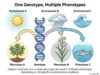
This is the variation in genes within a single species. Think of a field of sunflowers; while they are all the same species, some might be taller, some more resistant to disease, and others might produce more seeds. This genetic variation is like a species’ survival toolkit, allowing it to adapt to changing environments, resist diseases, and evolve over time. For example, different varieties of rice or corn, each with unique genetic traits, ensure food security by offering resilience against pests or droughts.
- Species Diversity: The Variety of Life Forms
Perhaps the most commonly understood level, species diversity refers to the number of different species in a particular area or on the planet. From the majestic elephants of the savanna to the microscopic bacteria in our soil, every species contributes to the overall richness of life. A rainforest, for instance, boasts incredibly high species diversity, with countless insects, birds, mammals, and plants coexisting in a complex web of interactions. A healthy ecosystem typically features a wide array of species, each filling a specific niche.
- Ecosystem Diversity: The Mosaic of Habitats
This level encompasses the variety of different ecosystems on Earth, such as forests, deserts, oceans, grasslands, wetlands, and coral reefs. Each ecosystem has its own unique set of species and physical characteristics, creating distinct environments that support different forms of life. A vibrant coral reef, teeming with marine life, is vastly different from a sprawling desert, yet both are crucial components of global biodiversity. The interactions between these diverse ecosystems also contribute to the planet’s overall health and stability.
Why is Biodiversity Indispensable? Our Life Support System
The intricate web of biodiversity provides an astonishing array of benefits, often referred to as ecosystem services, that are absolutely essential for human survival and well-being. These services are often taken for granted, yet their value is immeasurable.
Essential Ecosystem Services
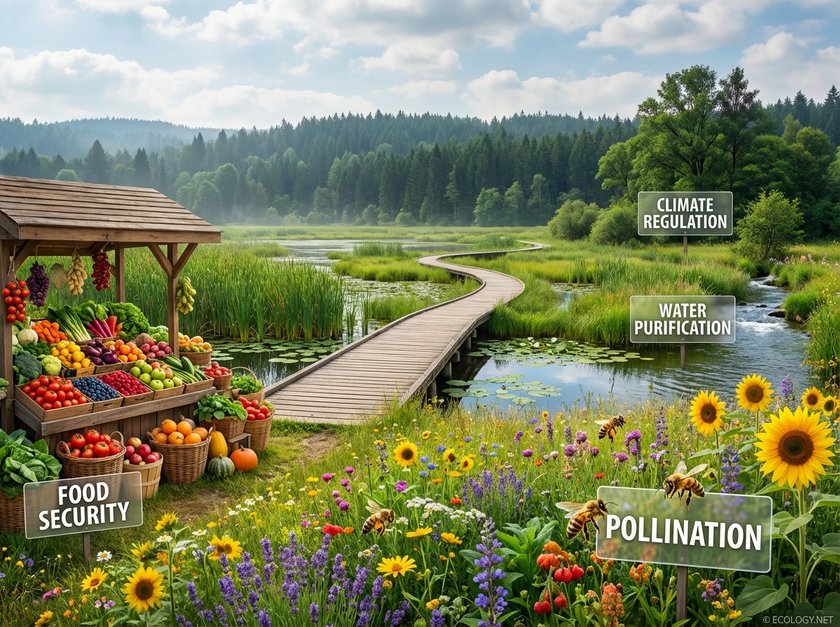
This image illustrates the critical ‘Ecosystem Services’ that biodiversity provides, reinforcing why it’s fundamental to human well-being, as detailed in the ‘Why is Biodiversity Important?’ section.
- Pollination: The Foundation of Our Food
Many of the fruits, vegetables, and nuts we eat rely on animals, particularly insects like bees, butterflies, and beetles, to transfer pollen between flowers. Without these diligent pollinators, agricultural yields would plummet, severely impacting global food supplies. Imagine a world without apples, almonds, or coffee; that is the stark reality without biodiversity’s pollinators.
- Water Purification: Nature’s Filter
Wetlands, forests, and healthy soil act as natural filters, removing pollutants and impurities from water as it cycles through the environment. Mangrove forests, for example, filter coastal waters, protecting coral reefs and providing nurseries for fish. This natural purification process reduces the need for costly artificial water treatment plants.
- Climate Regulation: A Stable Planet
Forests, especially vast rainforests, absorb massive amounts of carbon dioxide from the atmosphere, helping to regulate global temperatures and mitigate climate change. Oceans also play a critical role in absorbing carbon and distributing heat around the globe. Biodiversity helps maintain the delicate balance of gases in our atmosphere, making the planet habitable.
- Food and Medicine: Our Natural Pharmacy and Pantry
All our food, whether directly from plants and animals or indirectly through their products, originates from biodiversity. Furthermore, a significant portion of modern medicines, from antibiotics to anti-cancer drugs, are derived from natural compounds found in plants, fungi, and microorganisms. The loss of species means the potential loss of future cures and food sources.
- Soil Fertility: The Earth’s Living Skin
Microorganisms, fungi, and invertebrates in the soil break down organic matter, recycle nutrients, and create healthy soil structure. This biodiversity below ground is essential for growing crops and supporting all terrestrial life. Without it, soil degrades, leading to desertification and reduced agricultural productivity.
- Cultural and Aesthetic Value: Enriching Human Experience
Beyond the tangible services, biodiversity enriches human lives in countless ways. Natural landscapes provide opportunities for recreation, inspiration, and spiritual connection. Many cultures are deeply intertwined with local flora and fauna, and the beauty of nature contributes significantly to our mental and emotional well-being.
The Alarming Decline: Major Threats to Biodiversity
Despite its immense value, biodiversity is facing unprecedented threats, largely driven by human activities. The rate of species extinction today is estimated to be hundreds to thousands of times higher than the natural background rate, signaling a profound crisis for life on Earth.
Human Impact on the Natural World

This image visually summarizes the primary ‘Threats to Biodiversity’ discussed in the article, making the human impact on biodiversity more tangible and understandable.
- Habitat Loss and Fragmentation: Shrinking Homes
The single greatest threat to biodiversity is the destruction and degradation of natural habitats. As human populations expand, forests are cleared for agriculture and development, wetlands are drained, and oceans are overfished. This not only eliminates the physical space for species to live but also fragments remaining habitats, isolating populations and making them more vulnerable to extinction. Consider the Amazon rainforest, a biodiversity hotspot, shrinking due to deforestation for cattle ranching and soy cultivation.
- Climate Change: A Shifting World
Rising global temperatures, altered precipitation patterns, and more frequent extreme weather events are forcing species to adapt or perish. Coral reefs are bleaching due to warmer ocean temperatures, polar bears are losing their hunting grounds as Arctic ice melts, and many plant and animal species are struggling to migrate fast enough to keep pace with changing climatic zones. Climate change disrupts entire ecosystems, pushing many species to the brink.
- Pollution: Poisoning Our Planet
From plastic waste choking marine life to chemical runoff contaminating freshwater systems and air pollution impacting respiratory health, pollution takes many forms and has devastating effects on biodiversity. Pesticides, for example, can harm non-target species like bees, while industrial pollutants can accumulate in food chains, poisoning top predators. The widespread presence of microplastics in even the most remote environments illustrates the pervasive nature of this threat.
- Invasive Species: Unwelcome Guests
When non-native species are introduced to new environments, either intentionally or accidentally, they can outcompete native species for resources, prey on them, or introduce diseases. Without natural predators or controls, these invasive species can rapidly spread, disrupting delicate ecological balances and leading to the decline or extinction of native flora and fauna. The brown tree snake, introduced to Guam, decimated native bird populations, showcasing the dramatic impact of invasive species.
- Overexploitation: Taking Too Much
The unsustainable harvesting of wild plants and animals, including overfishing, overhunting, and illegal wildlife trade, directly depletes populations and can drive species to extinction. The demand for exotic pets, traditional medicines, or luxury goods often fuels this overexploitation, pushing iconic species like rhinos, tigers, and pangolins to critical levels.
Protecting Our Planet’s Wealth: Conservation Strategies
Addressing the biodiversity crisis requires a multifaceted approach, involving actions at local, national, and global scales. Conservation efforts aim to protect existing biodiversity, restore degraded ecosystems, and promote sustainable practices that allow both nature and humanity to thrive.
Global to Local Actions
- Establishing Protected Areas: Sanctuaries for Life
Creating national parks, wildlife reserves, and marine protected areas safeguards critical habitats and the species within them from human exploitation. These areas serve as vital refuges, allowing populations to recover and ecosystems to function naturally.
- Promoting Sustainable Practices: Living in Harmony
Encouraging sustainable agriculture, forestry, and fishing practices reduces the human footprint on natural resources. This includes adopting organic farming, selective logging, and responsible fishing quotas to ensure that resources are not depleted faster than they can regenerate.
- Restoration Efforts: Healing Degraded Landscapes
Actively restoring degraded ecosystems, such as reforesting cleared lands, rehabilitating wetlands, or cleaning up polluted rivers, can bring back biodiversity and ecosystem services. These projects often involve planting native species and removing invasive ones.
- Policy and Education: Driving Change
Strong environmental policies, international agreements, and effective enforcement are crucial for regulating human activities that impact biodiversity. Equally important is public education, raising awareness about the value of biodiversity and empowering individuals to make environmentally conscious choices.
- Combating Climate Change: A Universal Imperative
Reducing greenhouse gas emissions through renewable energy, energy efficiency, and sustainable transportation is fundamental to mitigating one of the greatest threats to biodiversity. Global cooperation on climate action directly benefits biodiversity conservation.
Conclusion: A Shared Responsibility for a Thriving Future
Biodiversity is not just a scientific concept; it is the very essence of life on Earth, a complex and beautiful web that supports every living organism, including ourselves. From the genetic variations that allow species to adapt, to the vast array of species that perform essential ecosystem services, and the diverse ecosystems that provide unique habitats, biodiversity is indispensable.
The threats it faces are significant, but so is our capacity to make a difference. By understanding the intricate value of biodiversity, recognizing the dangers it faces, and actively participating in conservation efforts, we can work towards a future where both human societies and the natural world can flourish. Protecting biodiversity is not just about saving individual species; it is about safeguarding the health and resilience of our planet, ensuring a vibrant and sustainable future for generations to come. It is a shared responsibility, and the time to act is now.