Life on Earth is a breathtaking tapestry, woven with countless species, each playing a unique role in the grand design of our planet. Yet, this intricate web is under immense strain. The concept of extinction, the permanent disappearance of a species, is a natural part of life’s evolutionary journey. Species have always come and gone, adapting to changing environments or fading into history when they could not. However, the current rate of species loss is anything but natural, signaling a profound crisis for biodiversity and the health of our world.
Understanding Extinction: A Natural Process Under Threat
At its core, extinction is the ultimate end for any species. When the last individual of a particular species dies, that species is declared extinct. This process has shaped life on Earth for billions of years, allowing new species to evolve and fill ecological niches. For most of Earth’s history, species have disappeared at a relatively slow and steady pace, known as background extinction.
However, there have been periods of dramatic, widespread loss known as mass extinctions. These catastrophic events, often triggered by massive volcanic eruptions, asteroid impacts, or rapid climate shifts, have wiped out a significant percentage of all life forms in a relatively short geological timeframe. Earth has experienced five major mass extinctions in its past, each reshaping the course of evolution. The most famous example is the Cretaceous-Paleogene extinction event, which saw the demise of the non-avian dinosaurs.
Today, scientists warn that we are living through the early stages of a sixth mass extinction, one driven not by cosmic impacts or ancient geological forces, but by human activities. The rate of species loss is estimated to be hundreds to thousands of times higher than the background extinction rate, a pace unprecedented in recent geological history.
The Drivers of the Modern Extinction Crisis
The current wave of extinctions is primarily anthropogenic, meaning it originates from human actions. These drivers often interact, creating a complex web of threats that push species towards the brink.
Habitat Loss and Fragmentation
The single greatest threat to biodiversity is the destruction and degradation of natural habitats. As human populations grow and expand, forests are cleared for agriculture, wetlands are drained for development, and natural landscapes are converted into urban areas or infrastructure. This not only eliminates the places where species live but also fragments remaining habitats into isolated patches, making it difficult for populations to thrive, find mates, or access resources.
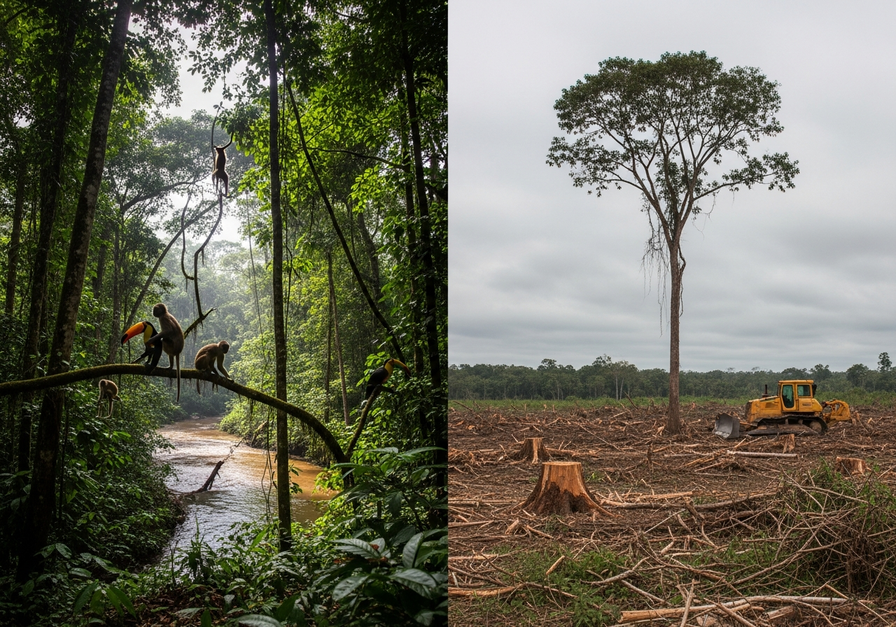
This image visually represents the article’s discussion of habitat loss as a major driver of extinction, contrasting untouched wilderness with human-altered landscapes.
Consider the Amazon rainforest, a biodiversity hotspot. Vast areas are being cleared for cattle ranching and soy cultivation, directly destroying the homes of countless species, from jaguars to unique insect species. Similarly, coastal development encroaches on critical mangrove forests and coral reefs, vital nurseries for marine life.
Climate Change
The alteration of Earth’s climate due to greenhouse gas emissions is profoundly impacting ecosystems worldwide. Rising global temperatures lead to shifts in weather patterns, more frequent and intense extreme weather events, and changes in sea levels and ocean chemistry. Many species are highly adapted to specific climatic conditions and struggle to cope with rapid changes.
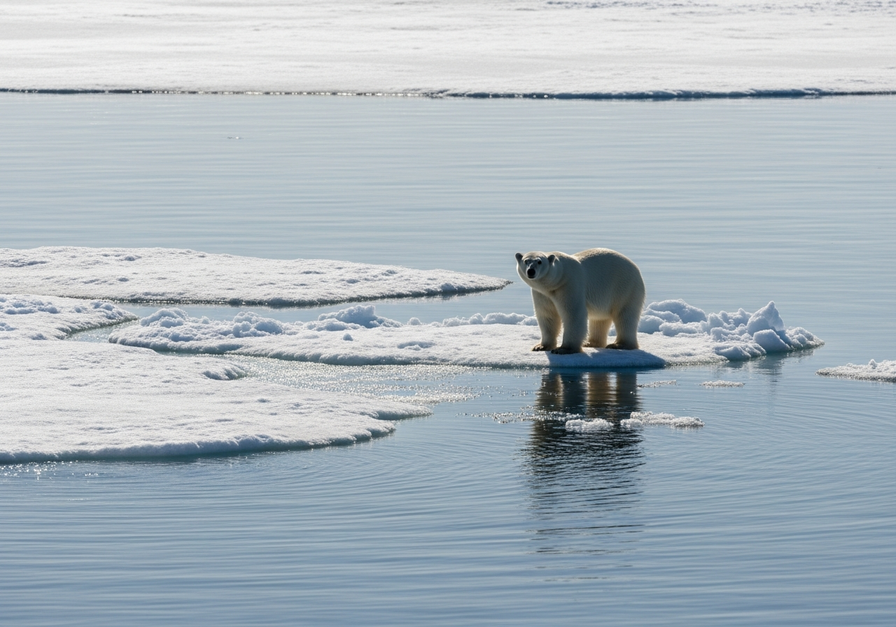
This image illustrates the article’s section on climate change, showing how warming temperatures threaten species such as polar bears that rely on sea ice.
Polar bears, for instance, rely on Arctic sea ice as a platform for hunting seals. As the ice melts earlier and freezes later, their hunting season shortens, leading to starvation and reduced reproductive success. Coral reefs, the “rainforests of the sea,” are suffering from ocean warming and acidification, causing widespread coral bleaching and the collapse of entire reef ecosystems.
Overexploitation
The unsustainable harvesting of wild plants and animals for food, medicine, pets, or other products is another significant driver of extinction. When species are hunted, fished, or collected faster than their populations can replenish, their numbers dwindle, sometimes to the point of no return.
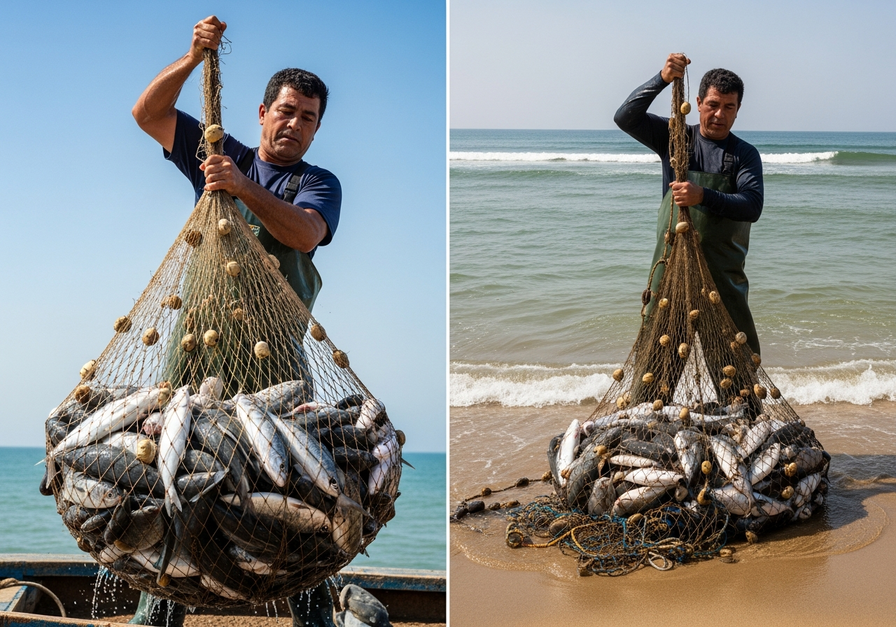
This illustration emphasizes overexploitation—one of the key extinction drivers outlined in the article—by contrasting a thriving fish population with its depleted counterpart.
Overfishing has decimated many marine populations, leading to the collapse of once-abundant fisheries. The Atlantic cod fishery, for example, was once a cornerstone of coastal economies but suffered severe declines due to intense fishing pressure. Similarly, illegal wildlife trade continues to threaten iconic species like rhinos for their horns, elephants for their ivory, and pangolins for their scales, pushing them closer to extinction.
Pollution
Pollution, in its many forms, contaminates ecosystems and harms species. Chemical pollutants from industrial activities and agriculture, such as pesticides and heavy metals, can poison wildlife directly or accumulate in the food chain. Plastic pollution chokes marine animals and introduces toxins into their systems. Even light and noise pollution can disrupt animal behaviors, affecting migration, reproduction, and foraging.
For example, the widespread use of DDT in the mid-20th century led to severe declines in bird populations, particularly raptors like bald eagles and peregrine falcons, by causing eggshell thinning. Today, microplastics are found in virtually every corner of the planet, from the deepest oceans to the highest mountains, impacting a vast array of organisms.
Invasive Species
When species are introduced to new environments outside their native range, either intentionally or accidentally, they can become invasive. Without natural predators or competitors, these non-native species can outcompete native species for resources, prey upon them, introduce diseases, or alter habitats, leading to the decline or extinction of local flora and fauna.
A classic example is the brown tree snake, accidentally introduced to Guam after World War II. With no natural predators on the island, it rapidly multiplied, decimating native bird populations, many of which are now extinct. Similarly, zebra mussels, introduced to the Great Lakes via ship ballast water, have outcompeted native mussels and altered aquatic ecosystems.
The Far-Reaching Consequences of Extinction
The loss of a single species is not an isolated event; it sends ripples through entire ecosystems. Every species plays a role, and its disappearance can unravel the delicate balance of nature, leading to cascading effects that impact other species and even human well-being.
- Ecosystem Disruption: The extinction of a keystone species, such as a top predator or a critical pollinator, can lead to the collapse of entire food webs and ecosystem functions. For instance, the loss of pollinators like bees and butterflies directly threatens the reproduction of many plant species, including those vital for human food supply.
- Loss of Ecosystem Services: Healthy ecosystems provide invaluable services that support human life, often without us realizing it. These include clean air and water, soil fertility, climate regulation, and natural pest control. Biodiversity loss weakens these services, making ecosystems less resilient to disturbances and less able to support human societies.
- Reduced Genetic Diversity: Each species represents a unique repository of genetic information. Extinction means the permanent loss of this genetic material, which could hold keys to future medicines, agricultural resilience, or technological innovations.
- Impact on Human Well-being: Beyond direct resources, biodiversity enriches human lives culturally, spiritually, and aesthetically. The loss of unique wildlife and natural landscapes diminishes our shared natural heritage and our connection to the living world.
Stemming the Tide: Conservation and Action
While the challenges are immense, the good news is that extinction is not an inevitable outcome for every threatened species. Conservation efforts around the globe are working tirelessly to protect biodiversity and restore ecosystems. These efforts range from large-scale international initiatives to local community actions.
Conservation Strategies
- Protected Areas: Establishing national parks, wildlife reserves, and marine protected areas safeguards critical habitats and provides safe havens for endangered species.
- Species Recovery Programs: These involve captive breeding, reintroduction programs, and direct intervention to boost populations of critically endangered species. The recovery of the California condor and the black-footed ferret are notable successes.
- Sustainable Resource Management: Implementing sustainable fishing practices, responsible forestry, and eco-friendly agriculture helps ensure that human needs are met without depleting natural resources beyond recovery.
- Policy and Legislation: Strong environmental laws, international treaties like CITES (Convention on International Trade in Endangered Species of Wild Fauna and Flora), and national regulations are crucial for protecting species and their habitats.
- Restoration Ecology: Efforts to restore degraded ecosystems, such as reforesting cleared lands or revitalizing wetlands, can bring back lost habitats and support returning wildlife.
Individual Actions
Every individual has a role to play in mitigating the extinction crisis. Our daily choices, when aggregated, can make a significant difference.
- Reduce Your Footprint: Consciously reduce consumption, reuse items, and recycle. Opt for energy-efficient choices and sustainable transportation.
- Support Sustainable Products: Choose products that are sustainably sourced, certified by reputable organizations, and avoid those linked to deforestation or overexploitation.
- Educate and Advocate: Learn more about local and global conservation issues. Share your knowledge with others and advocate for stronger environmental policies.
- Support Conservation Organizations: Donate time or resources to reputable organizations working on the front lines of conservation.
- Be a Responsible Tourist: When traveling, choose eco-tourism options that support local conservation efforts and minimize your impact on natural environments.
A Future for Life on Earth
The current extinction crisis is a stark reminder of humanity’s profound impact on the planet. However, it also presents an opportunity for collective action and a reevaluation of our relationship with the natural world. By understanding the drivers of extinction and embracing conservation, we can work towards a future where the rich tapestry of life continues to thrive. The fate of countless species, and ultimately our own, rests on the choices we make today.