The Great Eaters: Unpacking the Role of Consumers in Nature
Every living thing needs energy to survive, to grow, and to reproduce. While some organisms are masters of making their own food, the vast majority rely on others. These are the consumers, the eaters, the dynamic force driving energy through every ecosystem on Earth. Without them, the intricate web of life would unravel, and the planet would be a very different, much emptier place.
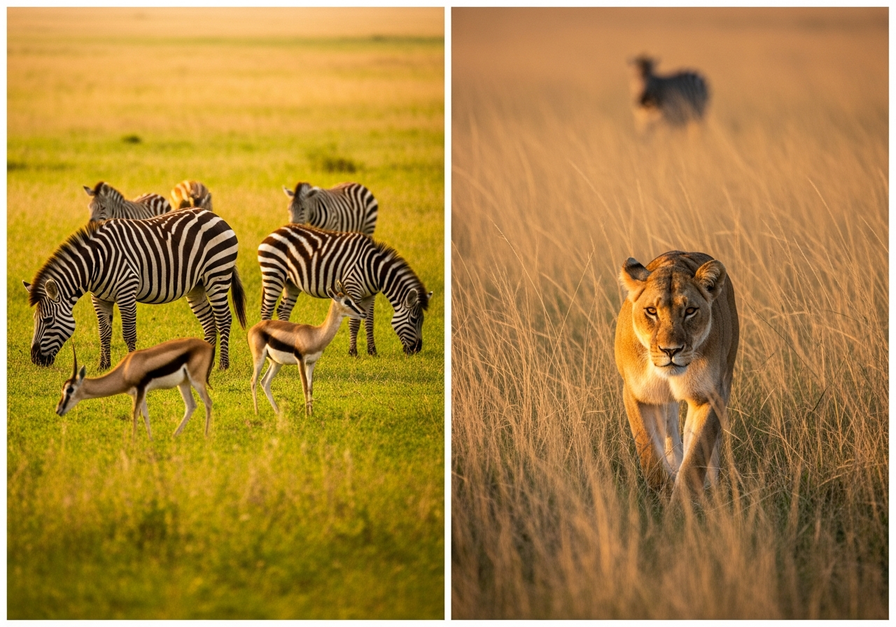
Consumers are the linchpin that connects producers and decomposers, transferring the energy captured by plants to the higher trophic levels. Their presence ensures that nutrients cycle back into the soil, sustaining the base of the food chain and maintaining ecological balance.
What Exactly is a Consumer?
At its core, a consumer is an organism that obtains energy by feeding on other organisms or their organic remains. Unlike producers, which create their own food through processes like photosynthesis (using sunlight) or chemosynthesis (using chemical reactions), consumers must “consume” to live. Think of it as a universal food chain where everyone has a vital role to play in the grand cycle of energy and nutrients.
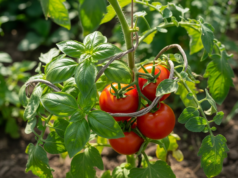
- Producers: The foundation of nearly all ecosystems, like plants, algae, and some bacteria, which convert inorganic matter into organic food.
- Consumers: The diverse group that eats producers or other consumers.
- Decomposers: The essential recyclers, breaking down dead organic matter and waste products, returning nutrients to the soil or water for producers to use again.
The Tiers of Consumption: A Hierarchy of Hunger
Consumers are not a monolithic group. Ecologists categorize them into different trophic levels based on what they eat. This classification helps us understand the flow of energy through an ecosystem.
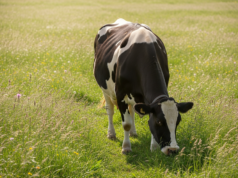
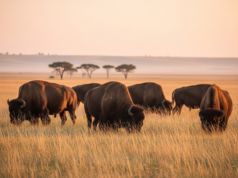
- Primary Consumers (Herbivores): These are the first eaters, directly feeding on producers. They form the second trophic level.
- Examples: A deer grazing on grass, a rabbit munching on clover, a caterpillar devouring a leaf, a cow eating hay, a tiny zooplankton filtering algae in the ocean, a parrot eating seeds.
- Secondary Consumers (Carnivores or Omnivores): These organisms eat primary consumers. They occupy the third trophic level.
- Examples: A fox hunting a rabbit, a snake eating a mouse, a spider catching a fly, a bird eating a caterpillar, a small fish eating zooplankton, a human eating a beef burger.
- Tertiary Consumers (Carnivores or Omnivores): They feed on secondary consumers. These are at the fourth trophic level.
- Examples: An eagle preying on a snake, a shark eating a smaller fish that ate other fish, a lion hunting a hyena, a human eating a tuna sandwich (where tuna ate smaller fish).
- Quaternary Consumers (Carnivores or Omnivores): Less common, these organisms eat tertiary consumers. They represent the fifth trophic level.
- Examples: A polar bear eating a seal that ate fish, a killer whale eating a shark, a very large predatory fish eating smaller predatory fish.
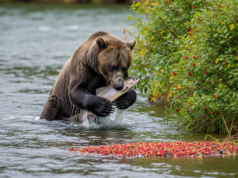
It is important to remember that many organisms, especially humans, are omnivores and can occupy multiple trophic levels simultaneously, eating both plants and animals. For instance, a bear eating berries is a primary consumer, but a bear eating a salmon is a secondary or tertiary consumer.
Beyond the Bite: Different Feeding Strategies
The way consumers acquire food is as diverse and fascinating as life itself. Each strategy represents an evolutionary adaptation to a specific niche.
- Herbivores: Organisms that primarily eat plants.
- Grazers: Eat grasses and low-lying vegetation (e.g., cows, sheep, wildebeest).
- Browsers: Eat leaves, shoots, and twigs from shrubs and trees (e.g., deer, giraffes, goats).
- Frugivores: Eat fruit (e.g., fruit bats, some birds, monkeys, orangutans).
- Nectarivores: Eat nectar from flowers (e.g., hummingbirds, bees, some butterflies).
- Granivores: Eat seeds (e.g., squirrels, many birds like finches, ants).
- Folivores: Eat leaves (e.g., sloths, koalas, caterpillars).
- Carnivores: Organisms that primarily eat meat.
- Predators: Hunt and kill other animals (prey) for food (e.g., lions, wolves, eagles, sharks, praying mantises).
- Scavengers: Eat dead animals (carrion) that they did not kill themselves (e.g., vultures, hyenas, some beetles, crabs).
- Omnivores: Organisms that eat both plants and animals. This flexible diet allows them to thrive in various environments (e.g., bears, raccoons, humans, pigs, chickens).
- Detritivores: Organisms that feed on dead organic matter, often macroscopic fragments of decaying plants and animals. These are crucial for decomposition and nutrient cycling (e.g., earthworms, millipedes, dung beetles, woodlice). These are distinct from decomposers (like bacteria and fungi) which break down matter at a molecular level.
The Intricate Dance: Deeper Insights into Consumer Ecology
Moving beyond the basic definitions, the study of consumers reveals complex ecological interactions, profound evolutionary adaptations, and critical roles in ecosystem stability and change. Understanding these deeper dynamics is essential for appreciating the true complexity of the natural world.
Energy Transfer and Ecological Pyramids
The flow of energy through trophic levels is a fundamental concept in ecology. When one organism consumes another, only a fraction of the energy stored in the consumed organism is transferred to the next level. Much of it is lost.
The 10% Rule: On average, only about 10% of the energy from one trophic level is incorporated into the biomass of the next trophic level. The remaining 90% is lost as heat during metabolic processes, used for daily activities, or remains unconsumed and undigested.
This inefficiency explains why food chains rarely have more than four or five trophic levels and why there are far fewer top predators than primary consumers. This concept is vividly visualized through ecological pyramids:
- Pyramid of Numbers: Shows the number of individual organisms at each trophic level. Typically, the number of individuals decreases significantly at higher trophic levels. For example, many grass plants support fewer deer, which in turn support even fewer wolves.
- Pyramid of Biomass: Represents the total mass (biomass) of organisms at each trophic level. Generally, biomass decreases at higher levels. However, inverted pyramids can occur in some aquatic systems, where a small, fast-reproducing biomass of phytoplankton (producers) supports a larger biomass of longer-lived zooplankton (primary consumers).
- Pyramid of Energy: Always upright, illustrating the total energy content at each trophic level. It always decreases as you move up the trophic levels, reflecting the inevitable energy loss at each transfer. This pyramid best represents the true energy flow in an ecosystem.
Co-evolutionary Arms Races: Predator and Prey
The relationship between consumers and their food sources, particularly between predators and prey, is a powerful driver of evolution. This dynamic leads to co-evolution, where adaptations in one species exert selective pressure, driving the evolution of adaptations in another species.
- Prey Adaptations: These are strategies developed to avoid being eaten.
- Camouflage: Blending seamlessly into the environment to avoid detection (e.g., stick insects resembling twigs, chameleons changing color, snowshoe hares turning white in winter).
- Mimicry: Resembling a dangerous, toxic, or unpalatable species to deter predators (e.g., harmless hoverflies mimicking stinging wasps, viceroy butterflies mimicking toxic monarch butterflies).
- Warning Coloration (Aposematism): Bright, conspicuous colors or patterns signaling toxicity, venom, or danger to potential predators (e.g., poison dart frogs, monarch butterflies, skunks).
- Physical Defenses: Spines, shells, tough hides, toxins, speed, agility, or group defense behaviors (e.g., porcupines, turtles, pufferfish, gazelles, musk oxen forming a defensive circle).
- Predator Adaptations: These are strategies developed to more effectively capture and consume prey.
- Enhanced Senses: Highly developed eyesight, hearing, or smell for locating prey (e.g., owls with exceptional night vision and hearing, wolves with an acute sense of smell, bats using echolocation).
- Speed and Agility: For chasing down fast-moving prey (e.g., cheetahs, falcons).
- Stealth and Camouflage: For ambush hunting, blending into the background to surprise prey (e.g., leopards, praying mantises, crocodiles).
- Specialized Tools: Sharp claws, powerful jaws, venom, webs, electric organs, or specialized beaks (e.g., eagles, snakes, spiders, electric eels, anteaters).
- Intelligence and Cooperation: Complex hunting strategies, often involving pack hunting (e.g., wolves, orcas, lions).
Keystone Consumers and Trophic Cascades
Not all consumers are created equal in their impact on an ecosystem. Some play disproportionately large roles, influencing the structure and health of entire communities.
- Keystone Species: A species whose presence and role within an ecosystem has a disproportionately large effect on other organisms within the system. Without keystone species, the ecosystem would be dramatically different or, in some cases, cease to exist altogether.
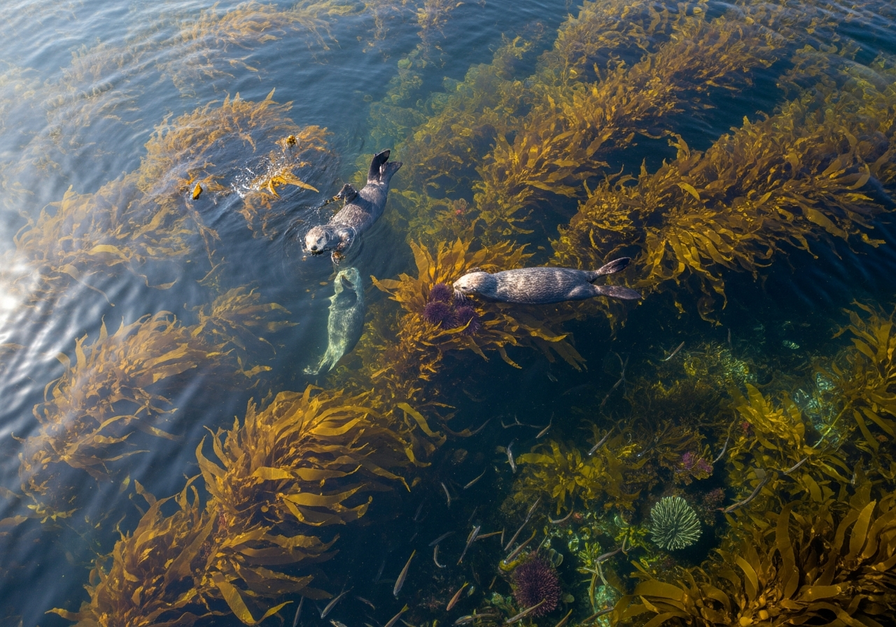
- Example: Sea otters are keystone predators in kelp forest ecosystems along the Pacific coast. They primarily eat sea urchins, which in turn graze voraciously on kelp. Without otters, urchin populations explode, decimating kelp forests and the many fish, invertebrates, and marine mammals that rely on them for food and shelter.
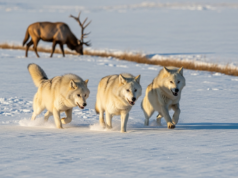
- Example: Wolves in Yellowstone National Park. Their reintroduction in the 1990s led to a decrease in the overgrazing elk populations, allowing riparian vegetation (like willow and aspen) to recover. This recovery stabilized riverbanks, improved water quality, and created better habitat for beavers, fish, and songbirds.
- Trophic Cascades: Powerful indirect interactions that can control entire ecosystems, occurring when a trophic level in a food web is suppressed. These can be “top-down” (predator affects prey, which affects producers) or “bottom-up” (producer affects primary consumer, which affects secondary consumer).
- Example (Top-Down): The reintroduction of wolves (top predator) in Yellowstone reduced elk (herbivore) numbers. This reduction in grazing pressure allowed willow and aspen (producers) to grow taller and more abundantly along rivers. The increased vegetation then created better habitat for beavers (herbivores) and songbirds, demonstrating a cascade effect from the top of the food chain down to the producers.
Human Impact and the Future of Consumers
Humans, as highly adaptable omnivores, are arguably the most impactful consumers on the planet. Our activities profoundly influence consumer populations and entire food webs, often with far-reaching consequences.
- Overharvesting: The unsustainable removal of consumer species, such as the depletion of fish stocks through overfishing, or the historical hunting of large mammals to near extinction.
- Habitat Loss and Fragmentation: The destruction and division of natural environments, which directly reduces the living space and food sources available for countless consumer species, from insects to apex predators.
- Pollution: The introduction of harmful substances into ecosystems. Toxins can accumulate in food chains through a process called biomagnification, affecting top consumers most severely. For example, pesticides like DDT once caused thin eggshells in birds of prey, leading to population declines.
- Climate Change: Altering food availability, disrupting migration patterns, changing breeding cycles, and shifting species distributions, forcing consumers to adapt or face extinction.
- Introduction of Invasive Species: Non-native consumers can outcompete native species for resources, prey on them, or introduce diseases, leading to declines in native consumer populations.
- Conservation Efforts: Recognizing these impacts, strategies are underway to protect keystone species, restore habitats, reduce pollution, and mitigate climate effects. Effective conservation hinges on understanding consumer roles and maintaining balanced ecosystems.
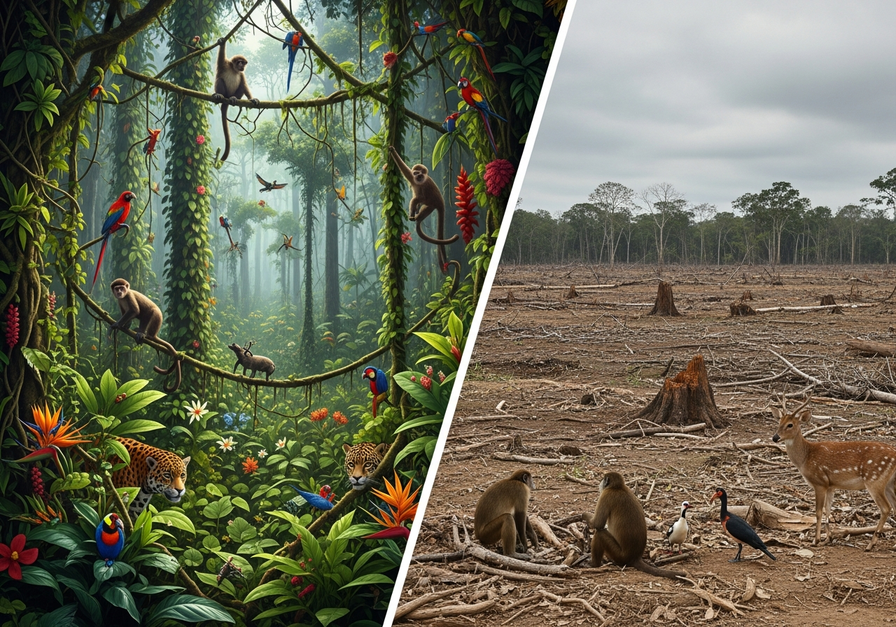
Effective conservation relies on protecting these dynamic engines of every ecosystem. By preserving the diversity and health of consumers, we safeguard the integrity of entire food webs and the resilience of our natural world.
The Unseen Architects of Life’s Flow
From the smallest plankton grazing on algae to the largest whale filtering krill, from the humble earthworm digesting detritus to the apex predator stalking its prey, consumers are the dynamic engines of every ecosystem. They are not merely passive recipients of energy; they are active participants, shaping landscapes, driving evolution, and maintaining the delicate balance of life on Earth. Recognizing their diverse roles and the intricate connections they forge allows for a deeper appreciation of nature’s complexity and underscores the profound responsibility humans bear in safeguarding these essential players for generations to come. The health of our planet, and indeed our own species, is inextricably linked to the vibrant, consuming life that surrounds us.