Planting the Future: Understanding the Power of Afforestation
Forests are the lungs of our planet, vital ecosystems that sustain life in countless ways. They regulate climate, purify air and water, and provide homes for an incredible diversity of species. Yet, human activities have led to widespread deforestation, diminishing these crucial natural assets. In response, a powerful solution has emerged: afforestation. This proactive approach to land management is not merely about planting trees; it is about intentionally creating new forests where none existed before, transforming barren or agricultural lands into thriving ecological powerhouses.
Afforestation vs. Reforestation: A Crucial Distinction
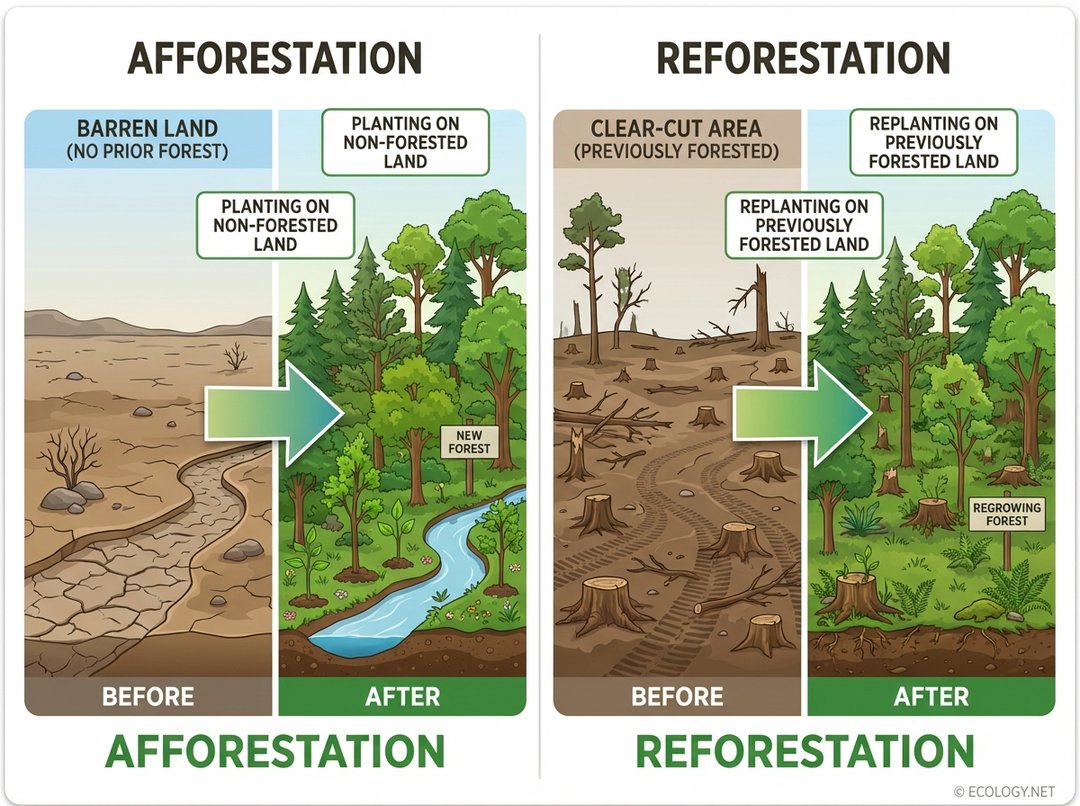
While often used interchangeably, afforestation and reforestation represent distinct ecological processes, each with unique implications and applications. Understanding this difference is fundamental to appreciating the scope of tree-planting initiatives.
- Afforestation: This refers to the establishment of a forest or stand of trees in an area where there was no previous tree cover for a significant period, typically decades or even centuries. Imagine a vast, open grassland or a degraded agricultural field being transformed into a new woodland. This process fundamentally changes the land use and creates a novel ecosystem.
- Reforestation: In contrast, reforestation involves replanting trees in areas that were previously forested but have been cleared due to logging, fires, disease, or other disturbances. The goal here is to restore a forest ecosystem that once existed. Think of a clear-cut logging site where new saplings are planted to bring back the original forest.
Both are critical for ecological restoration and climate change mitigation, but afforestation represents a more profound shift, creating entirely new carbon sinks and habitats.
The Ecological Symphony: Why Afforestation Matters
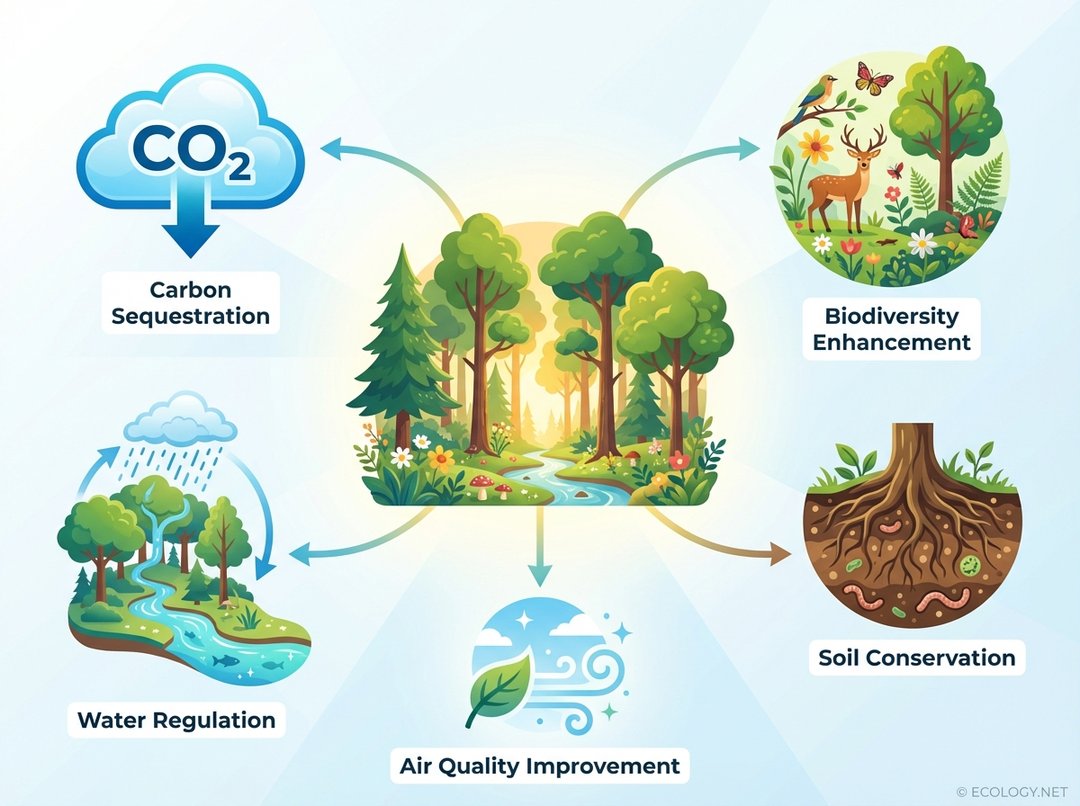
The benefits of afforestation extend far beyond simply adding greenery to a landscape. It initiates a cascade of positive ecological changes, contributing significantly to environmental health and human well-being.
- Carbon Sequestration: Trees are nature’s most efficient carbon capture technology. Through photosynthesis, they absorb vast amounts of atmospheric carbon dioxide, storing it in their biomass, roots, and the soil. New forests created through afforestation act as powerful carbon sinks, playing a critical role in mitigating climate change by reducing greenhouse gas concentrations.
- Biodiversity Enhancement: A newly established forest provides habitat for a multitude of species. As the forest matures, it attracts insects, birds, mammals, and a diverse understory of plants, enriching the local ecosystem and contributing to regional biodiversity. This is particularly important in areas where natural habitats have been fragmented or lost.
- Soil Conservation: Tree roots bind soil particles together, preventing erosion caused by wind and water. This is especially crucial in degraded or arid regions where soil loss can lead to desertification. Forests also improve soil structure and fertility by adding organic matter, creating a healthier foundation for plant life.
- Water Regulation: Forests act like natural sponges, absorbing rainfall and releasing it slowly into streams and groundwater systems. This process helps regulate water cycles, reduces the risk of floods, and ensures a more consistent supply of clean water. The canopy also reduces evaporation, helping to conserve moisture in the landscape.
- Air Quality Improvement: Beyond carbon dioxide, trees filter other air pollutants such as particulate matter, nitrogen oxides, and sulfur dioxide. Their leaves trap dust and absorb harmful gases, contributing to cleaner, healthier air for nearby communities.
- Climate Change Mitigation and Adaptation: By sequestering carbon, afforestation directly combats the root cause of climate change. Additionally, new forests can help communities adapt to changing climates by providing shade, reducing urban heat island effects, and protecting against extreme weather events.
The Art and Science of Afforestation: A Step-by-Step Journey
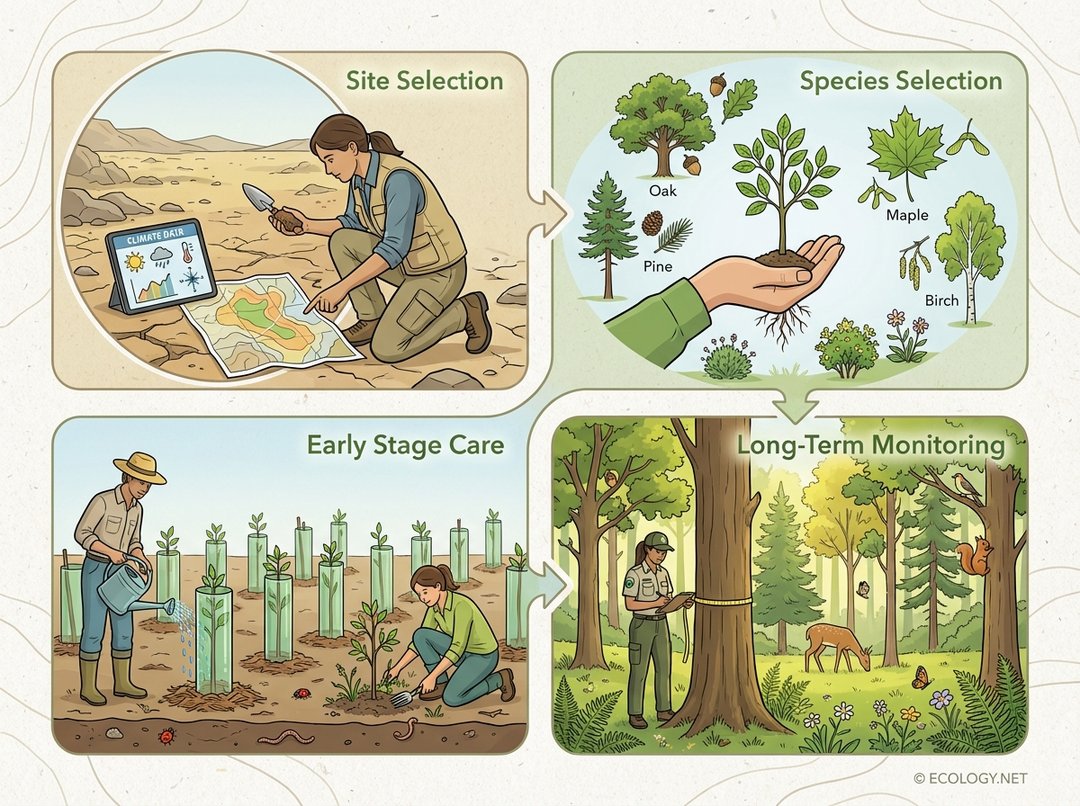
Creating a successful new forest is a complex endeavor that requires careful planning, scientific understanding, and long-term commitment. It is a journey from barren land to a vibrant ecosystem.
- Site Selection and Planning:
- The first crucial step involves identifying suitable land. Factors such as soil type, climate, topography, existing vegetation, and historical land use are meticulously assessed.
- Detailed site surveys, hydrological studies, and community consultations are essential to ensure the chosen location can support a forest and that the project aligns with local needs and regulations.
- Planning also involves setting clear objectives: Is the primary goal carbon sequestration, biodiversity, timber production, or a combination?
- Species Selection: The Right Trees for the Right Place:
- Choosing the correct tree species is paramount for the long-term success of an afforestation project. Native species are generally preferred as they are adapted to the local climate and soil conditions, support local wildlife, and are less likely to become invasive.
- Consideration is given to species diversity to create a resilient ecosystem, rather than a monoculture, which can be vulnerable to pests and diseases.
- Factors like growth rate, drought tolerance, disease resistance, and ecological role are all weighed.
- Planting Techniques:
- Once seedlings are ready, proper planting techniques are vital. This includes preparing the soil, ensuring correct planting depth, and providing initial support.
- Methods can range from manual planting by individuals to large-scale mechanical planting, depending on the project size and terrain.
- Often, protective measures like tree shelters or fencing are used to shield young saplings from browsing animals and harsh weather.
- Early Stage Care and Protection:
- The first few years are critical for the survival of young trees. Regular watering, especially during dry periods, is often necessary.
- Weed control is important to reduce competition for water and nutrients.
- Protection from pests, diseases, and fire is also a continuous effort.
- Monitoring the health and growth of the saplings allows for timely interventions.
- Long-Term Monitoring and Management:
- Afforestation is not a one-time event; it is a long-term commitment. Ongoing monitoring tracks forest health, growth rates, biodiversity changes, and carbon sequestration.
- Adaptive management strategies are employed to respond to unforeseen challenges or opportunities. This might include thinning, enrichment planting, or managing invasive species.
- The goal is to foster a self-sustaining, resilient forest ecosystem that continues to provide its ecological benefits for generations.
Challenges and Considerations in Afforestation
While the promise of afforestation is immense, its implementation is not without hurdles. Addressing these challenges is key to successful and sustainable projects.
- Land Availability and Ownership: Finding suitable land for large-scale afforestation can be challenging, especially in densely populated areas or regions with intensive agriculture. Land tenure issues and competing land uses often require careful negotiation and community engagement.
- Water Scarcity: Establishing new forests, particularly in arid or semi-arid regions, can place significant demands on water resources. Careful species selection and innovative irrigation techniques are crucial to avoid exacerbating water stress.
- Invasive Species: The introduction of non-native tree species can sometimes lead to invasive problems, outcompeting native vegetation and disrupting local ecosystems. Strict adherence to using native, locally sourced species is a best practice.
- Community Engagement and Livelihoods: Successful afforestation projects often depend on the active participation and support of local communities. Projects must consider the livelihoods of people living near the proposed sites, ensuring that new forests do not negatively impact their access to resources or traditional practices. Integrating local knowledge and providing economic benefits can foster long-term stewardship.
- Financial Investment and Long-Term Commitment: Afforestation requires substantial upfront investment for planning, planting, and initial care, as well as ongoing funding for monitoring and management over decades. Securing consistent financial support is a significant challenge.
Real-World Impact: Inspiring Examples of Afforestation
Across the globe, ambitious afforestation projects are demonstrating the transformative power of planting new forests, offering hope for a greener future.
- The Great Green Wall of Africa: This monumental initiative aims to grow an 8,000-kilometer natural wonder across the entire width of Africa, from Senegal to Djibouti. Its goal is to combat desertification, restore degraded land, and improve food security and livelihoods for millions of people in the Sahel region. It involves planting drought-resistant native trees and restoring degraded ecosystems.
- China’s Greening Programs: China has undertaken some of the world’s largest afforestation and reforestation programs, notably the “Grain for Green” program and the “Three-North Shelterbelt Program.” These initiatives aim to combat desertification, control soil erosion, and improve air quality, transforming vast areas of barren land into new forests and grasslands.
- Local Community-Led Initiatives: Beyond large-scale government projects, countless smaller, community-led afforestation efforts are making a significant difference. These often focus on restoring local watersheds, creating urban green spaces, or establishing community forests that provide both ecological benefits and local resources. Examples include school planting programs, urban park expansions, and indigenous land restoration projects.
A Greener Tomorrow: The Enduring Promise of Afforestation
Afforestation is more than just an environmental strategy; it is an investment in the future of our planet. By understanding its principles, embracing its challenges, and supporting its implementation, we can collectively contribute to creating healthier, more resilient ecosystems and a more sustainable world. The act of planting a tree, when scaled through thoughtful afforestation, becomes a powerful force for positive change, breathing new life into landscapes and offering a tangible solution to some of our most pressing environmental concerns. The forests we plant today will be the legacy we leave for generations to come.