From the towering redwood forests to the delicate mosses clinging to rocks, plants are the silent architects of our world. They paint our landscapes with vibrant greens, provide the air we breathe, and form the very foundation of life on Earth. Yet, their profound importance often goes unnoticed in our daily lives. Understanding plants is not just a matter of botany; it is key to comprehending the intricate web of life that sustains us all.
This exploration delves into the remarkable world of plants, uncovering their fundamental characteristics, their indispensable roles in ecosystems, and their deep connection to human civilization. Prepare to see the green world around you with new eyes, appreciating the quiet power and enduring significance of these essential organisms.
What Defines a Plant? The Autotrophic Advantage
At their core, plants are defined by a singular, extraordinary ability: they are autotrophs. This means they produce their own food, converting inorganic matter into organic compounds. Unlike animals, which must consume other organisms, plants harness energy directly from their environment. The most iconic example of this is photosynthesis.
Photosynthesis: The Engine of Life
Photosynthesis is the biochemical process by which plants, algae, and some bacteria convert light energy into chemical energy. Using chlorophyll, the green pigment found in their cells, plants capture sunlight. They then combine carbon dioxide from the atmosphere and water absorbed through their roots to create glucose, a sugar that serves as their energy source. A remarkable byproduct of this process is oxygen, which is released into the atmosphere, making it breathable for countless other life forms, including humans.
This fundamental process is not just about plant survival; it is the primary energy conversion mechanism on Earth, fueling nearly all ecosystems.
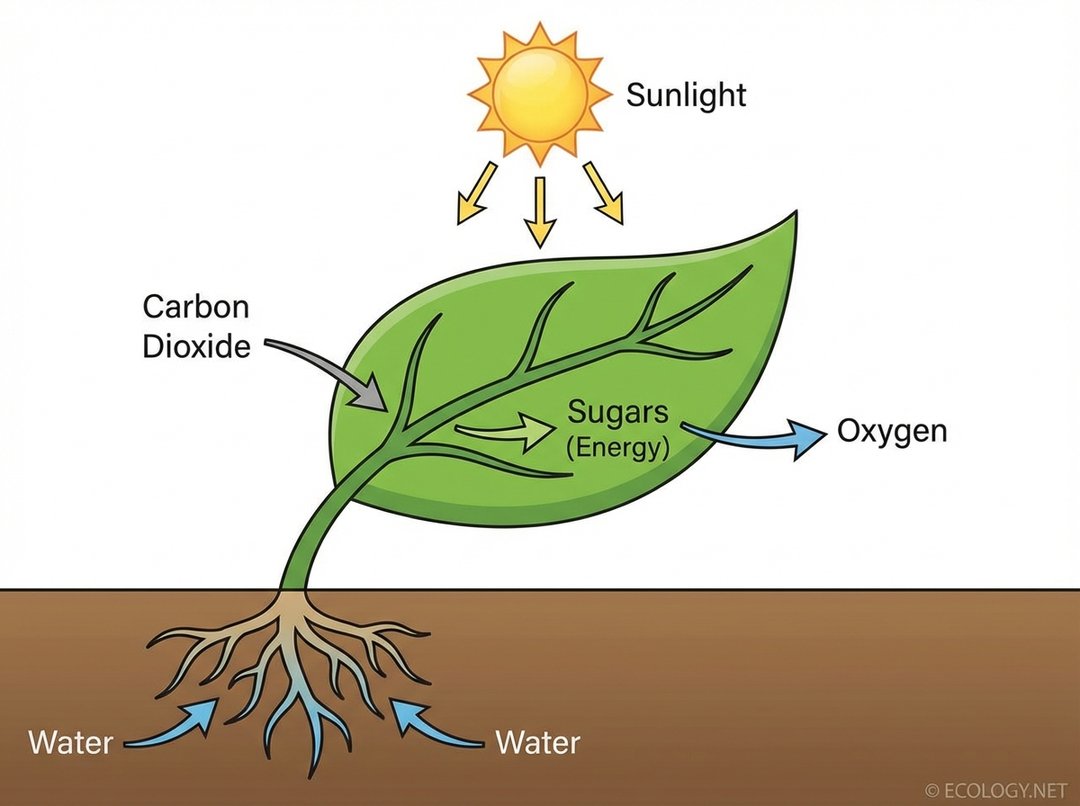
This image visually explains the fundamental process by which plants produce their own food, releasing oxygen, which is crucial for understanding their role as autotrophs and primary producers as described in the ‘What Defines a Plant?’ section.
Key Characteristics of Plants
Beyond photosynthesis, plants share several defining features:
- Multicellularity: Plants are complex organisms composed of many specialized cells.
- Cell Walls: Plant cells are encased in rigid cell walls made primarily of cellulose, providing structural support.
- Stationary Lifestyle: Most plants are sessile, meaning they are rooted in one place and do not move freely.
- Alternation of Generations: Their life cycles involve distinct multicellular haploid (gametophyte) and diploid (sporophyte) stages.
- Cuticle: A waxy layer on their leaves helps prevent water loss, especially important for terrestrial plants.
Primary Producers: The Base of the Food Web
Because plants produce their own food through photosynthesis, they occupy the crucial role of primary producers in almost every ecosystem. They are the initial source of energy for nearly all other life forms, forming the very foundation of food webs.
Energy Flow in Ecosystems
Consider a simple grassland. The grasses, wildflowers, and shrubs are the primary producers. They convert sunlight into chemical energy stored in their tissues. Herbivores, such as deer, rabbits, or insects, then consume these plants, becoming primary consumers. The energy from the plants is transferred to these herbivores. Subsequently, carnivores, like foxes or birds of prey, eat the herbivores, becoming secondary or tertiary consumers, further transferring energy up the food chain.
Without plants, the entire energy flow would collapse, leading to the demise of most animal life. This makes plants indispensable for maintaining ecological balance and biodiversity.
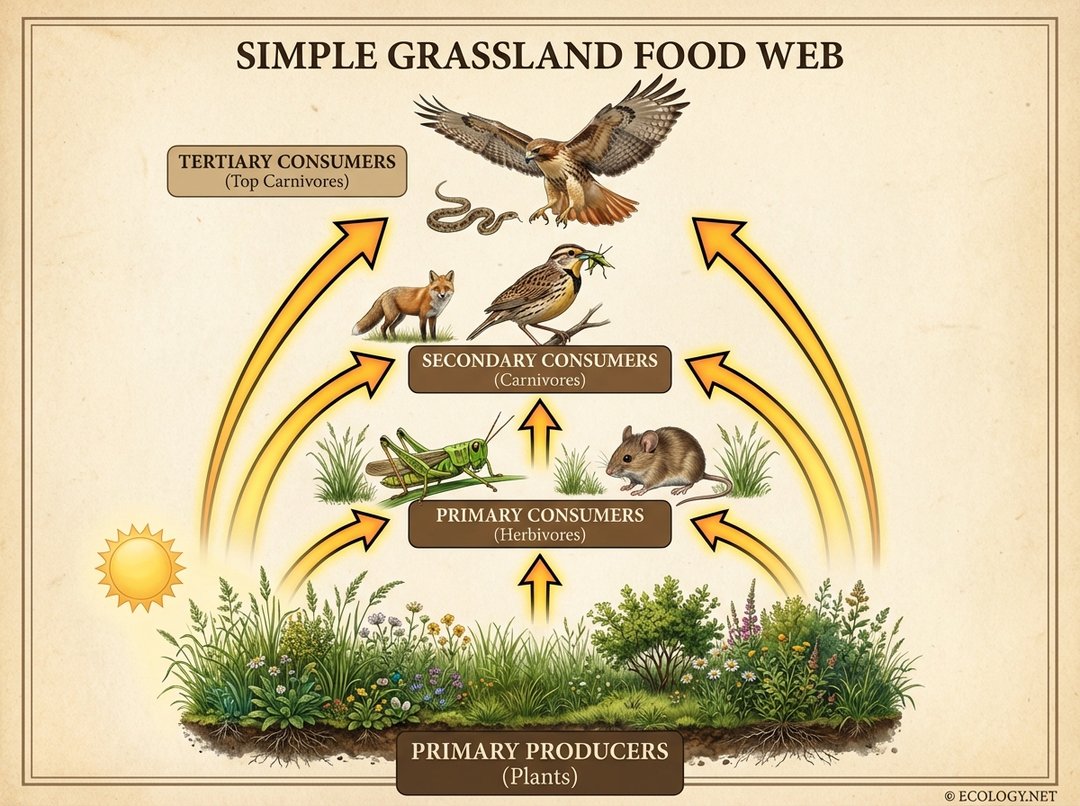
This image clearly illustrates the concept of plants as ‘Primary Producers’ and the base of nearly all food webs, as explained in the article’s ‘Primary Producers: The Base of the Food Web’ section.
Ecological Importance Beyond Food
The role of plants extends far beyond simply providing food and oxygen. They are vital engineers of their environments, shaping landscapes and regulating global systems.
Soil Formation and Stabilization
Plant roots are unsung heroes of the underground world. They penetrate the soil, breaking down rocks over time and contributing to the formation of new soil. More importantly, their intricate networks bind soil particles together, preventing erosion by wind and water. This stabilization is critical for maintaining fertile land, especially in agricultural areas and along coastlines.
Roots also improve soil structure, creating channels for water infiltration and aeration. They release organic matter as they grow and decompose, enriching the soil with nutrients and supporting a diverse community of microorganisms. This dynamic interaction between plants and soil is a cornerstone of healthy terrestrial ecosystems.
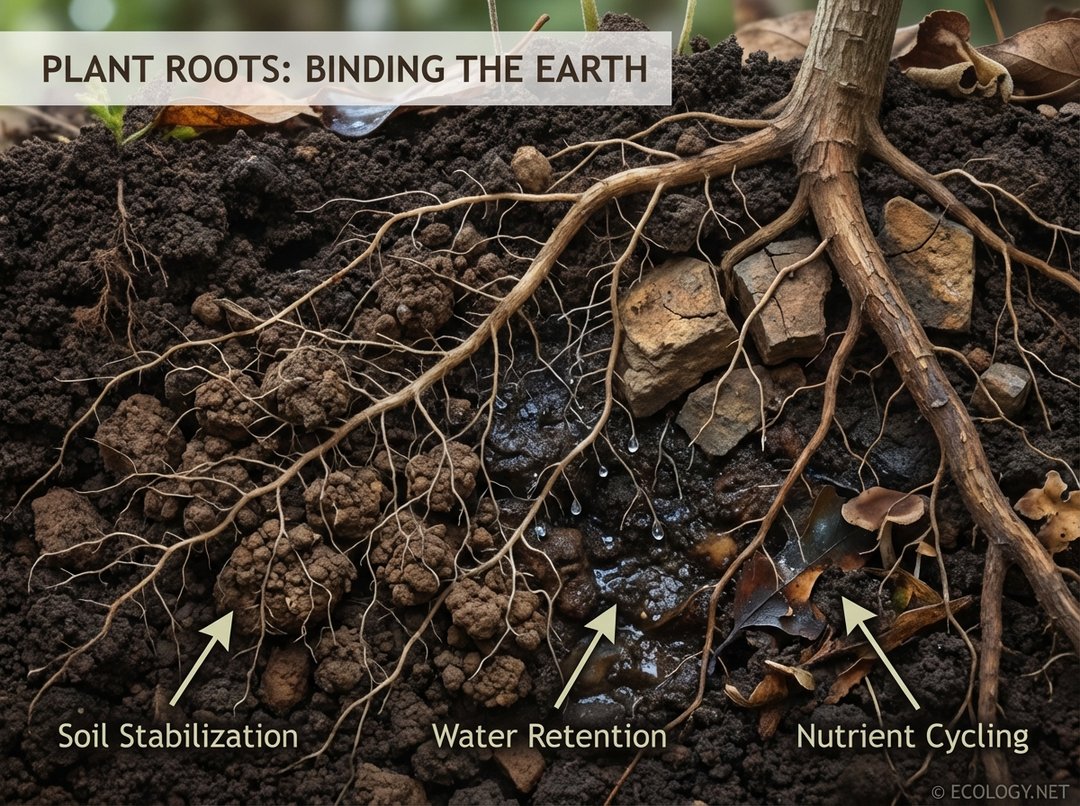
This image visually supports the article’s explanation of how ‘Plant roots play a crucial role in soil formation and stabilization,’ enhancing understanding of their ecological importance in maintaining soil health and preventing erosion.
Water Cycle Regulation
Plants play a significant role in the global water cycle through transpiration. Water absorbed by roots travels up the plant and evaporates from the leaves into the atmosphere. This process contributes to cloud formation and precipitation, especially in large forested areas like the Amazon rainforest, which can generate its own rainfall.
Climate Regulation
By absorbing vast amounts of carbon dioxide during photosynthesis, plants act as massive carbon sinks, helping to mitigate the greenhouse effect and regulate Earth’s climate. Forests, in particular, store enormous quantities of carbon in their biomass and soils, making their preservation crucial for climate stability.
Habitat and Biodiversity
Plants create habitats for countless other species. From the smallest insects to the largest mammals, many organisms rely on plants for shelter, nesting sites, and protection from predators. The diversity of plant life directly supports the diversity of animal life, forming complex and resilient ecosystems.
The Astonishing Diversity of the Plant Kingdom
The plant kingdom, or Kingdom Plantae, is incredibly diverse, encompassing an estimated 390,000 species. This vast array of life forms has evolved over millions of years to thrive in nearly every environment on Earth, from arid deserts to lush rainforests, and even aquatic habitats.
Major Plant Groups
While the classification of plants can be complex, they are broadly categorized into several major groups:
- Bryophytes: These are non-vascular plants, meaning they lack specialized tissues for transporting water and nutrients. Examples include mosses, liverworts, and hornworts. They typically live in damp environments.
- Pteridophytes: These are vascular plants that reproduce via spores. Ferns, horsetails, and clubmosses fall into this category. They have true roots, stems, and leaves.
- Gymnosperms: These are vascular plants that produce “naked” seeds, meaning the seeds are not enclosed within an ovary. Conifers (pines, spruces, firs), cycads, and ginkgo are well-known examples.
- Angiosperms: Also known as flowering plants, these are the most diverse and dominant group of plants. They produce seeds enclosed within a fruit. This group includes everything from grasses and herbs to deciduous trees and vibrant flowers.
Adaptations for Survival
Plants have developed an astonishing array of adaptations to survive and flourish in diverse conditions:
- Desert Plants (Xerophytes): Cacti, for instance, have thick, waxy cuticles, reduced leaves (spines), and succulent stems to store water. Their roots often spread widely to capture scarce rainfall.
- Aquatic Plants (Hydrophytes): Water lilies have large, flat leaves that float on the surface to maximize sunlight absorption, while their stems are often hollow for buoyancy.
- Carnivorous Plants: Pitcher plants and Venus flytraps have evolved specialized leaves to trap and digest insects, supplementing their nutrient intake in poor soils.
- Epiphytes: Orchids and bromeliads grow on other plants, typically trees, using them for support but not as parasites. They absorb moisture and nutrients from the air and rain.
Plants and Humanity: An Indispensable Relationship
Human civilization, in all its complexity, is fundamentally reliant on plants. Our connection to the plant kingdom is deep and multifaceted, touching every aspect of our lives.
Food Security
The most obvious reliance is for food. Cereals like wheat, rice, and corn feed billions. Fruits, vegetables, legumes, and nuts provide essential vitamins, minerals, and energy. Livestock, in turn, often feed on plants, making plants indirectly responsible for meat and dairy production.
Medicine and Health
Many modern medicines have their origins in plants. Aspirin was derived from willow bark, and quinine, used to treat malaria, comes from the cinchona tree. Traditional medicine systems worldwide continue to rely heavily on plant-based remedies. Even today, scientists explore plant compounds for new treatments for diseases like cancer and Alzheimer’s.
Materials and Resources
Plants provide an incredible array of materials: timber for construction and furniture, cotton and linen for textiles, rubber for tires, and pulp for paper. Biofuels derived from plants offer a renewable energy alternative, though their environmental impact requires careful consideration.
Cultural and Aesthetic Value
Beyond their practical uses, plants enrich our lives aesthetically and culturally. Gardens, parks, and natural landscapes provide beauty, recreation, and spiritual solace. Flowers are symbols of love, celebration, and remembrance across cultures. The presence of plants in our homes and urban environments has been shown to improve mental well-being and reduce stress.
Conservation: Protecting Our Green Future
Despite their immense importance, plants face unprecedented threats from habitat destruction, climate change, pollution, and invasive species. Deforestation, for example, not only reduces biodiversity but also exacerbates climate change and soil erosion.
Protecting plant diversity is not merely an ecological concern; it is a matter of human survival and well-being. Conservation efforts range from establishing protected areas and seed banks to promoting sustainable agriculture and reforestation initiatives. Every effort to conserve plant life contributes to a healthier planet and a more secure future for all.
Conclusion
Plants are far more than just green decorations in our world. They are the silent powerhouses that sustain life, regulate our climate, build our soils, and provide us with an endless bounty of resources. From the microscopic algae to the colossal sequoias, each plant plays a vital role in the intricate tapestry of Earth’s ecosystems.
By understanding and appreciating the profound significance of plants, we can foster a deeper connection to the natural world and become better stewards of our planet. The next time you see a tree, a flower, or even a blade of grass, remember the incredible work it is doing, quietly and tirelessly, to make life on Earth possible.