Unveiling the Magic Beneath Your Feet: The Essential Guide to Mulching
In the intricate dance of nature, where every element plays a crucial role, mulching stands out as a remarkably simple yet profoundly effective practice for nurturing healthy ecosystems, particularly in our gardens and landscapes. Far more than just a decorative layer, mulch is a protective blanket that offers a multitude of benefits, transforming ordinary soil into a thriving haven for plants and beneficial organisms alike. This comprehensive guide delves into the world of mulching, exploring its fundamental advantages, the diverse materials available, and its deeper ecological significance.
The Core Benefits: Why Mulch Matters
Imagine a natural forest floor, perpetually covered with fallen leaves, twigs, and decaying organic matter. This natural blanket is nature’s mulch, and it performs vital functions that keep the forest healthy. When we apply mulch in our gardens, we are essentially mimicking this natural process, bestowing a cascade of advantages upon our plants and soil.
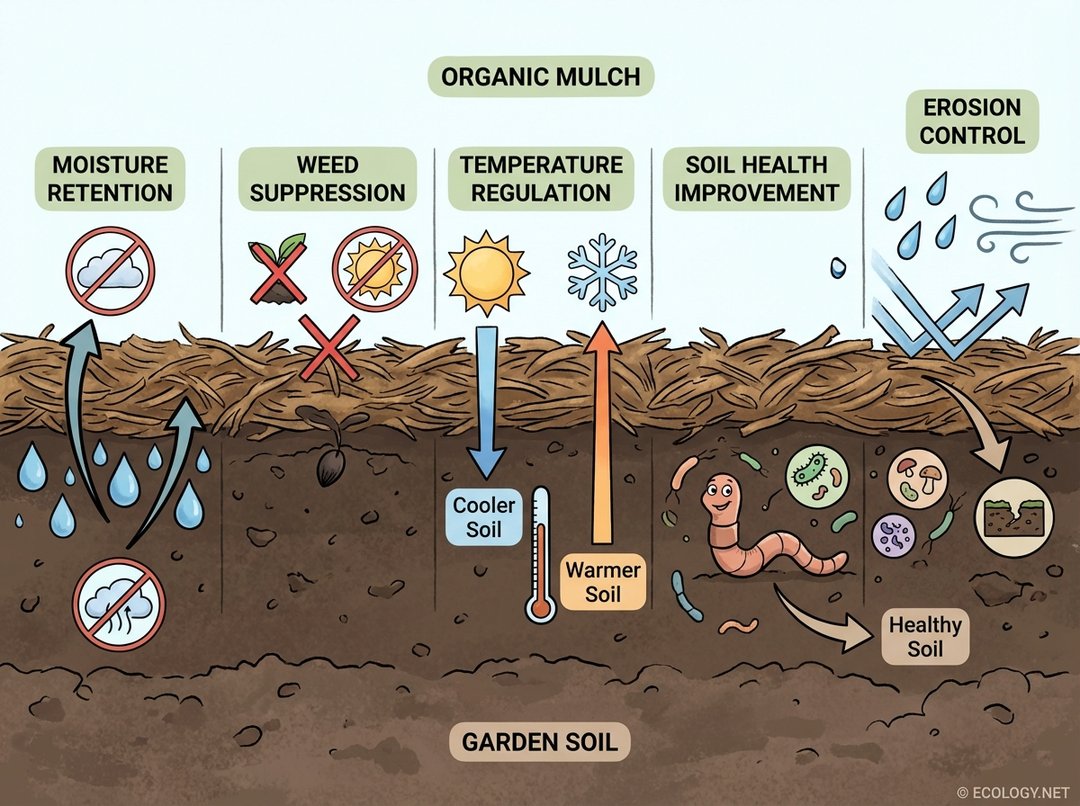
The primary advantages of mulching are multifaceted and interconnected:
- Moisture Retention: One of the most celebrated benefits of mulch is its ability to conserve soil moisture. A layer of mulch acts as a barrier, significantly reducing evaporation from the soil surface. This means less frequent watering is needed, saving precious resources and ensuring plants have a consistent supply of hydration, especially during dry spells.
- Weed Suppression: Weeds are relentless competitors for water, nutrients, and sunlight. A thick layer of mulch effectively smothers existing weeds and prevents new weed seeds from germinating by blocking sunlight. This dramatically reduces the time and effort spent on weeding, allowing desirable plants to flourish unimpeded.
- Temperature Regulation: Mulch acts as an insulating layer for the soil. In summer, it keeps the soil cooler, protecting delicate roots from scorching heat. In winter, it helps to moderate soil temperatures, preventing extreme fluctuations that can damage plants and offering a degree of frost protection. This stable environment is crucial for root health.
- Soil Health Improvement: Organic mulches, as they decompose, gradually release vital nutrients into the soil. This slow feeding process enriches the soil structure, increases organic matter content, and fosters a vibrant community of beneficial microorganisms, earthworms, and other soil life. Over time, compacted soils become looser and more aerated.
- Erosion Control: Exposed soil is vulnerable to the erosive forces of wind and rain. A layer of mulch provides a protective cover, absorbing the impact of raindrops and preventing soil particles from being washed or blown away. This is particularly important on sloped areas or in regions prone to heavy rainfall.
These core benefits collectively contribute to healthier, more resilient plants and a more sustainable garden ecosystem, making mulching an indispensable practice for any gardener or land steward.
Choosing the Right Mulch: A Guide to Materials
The world of mulch offers a diverse palette of materials, each with its own characteristics, benefits, and aesthetic appeal. Understanding these differences is key to selecting the best mulch for specific needs and garden styles. Mulches are broadly categorized into organic and inorganic types.
Organic Mulches
These materials are derived from living or once-living organisms and decompose over time, enriching the soil.
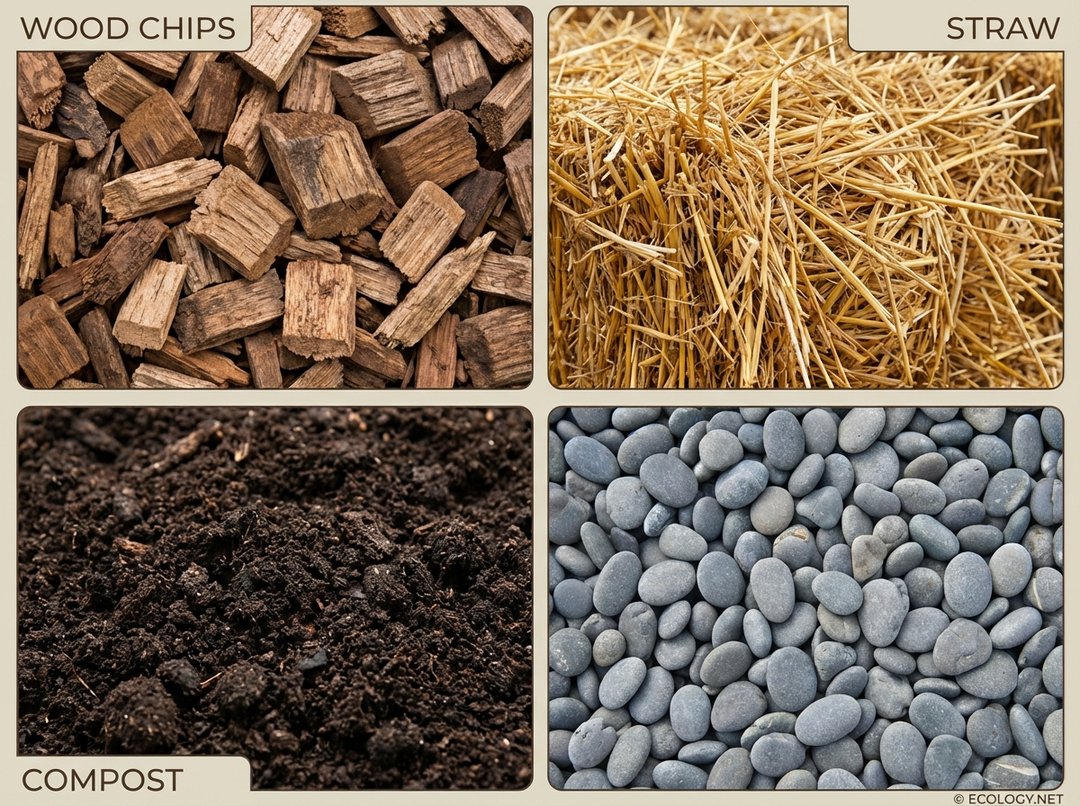
- Wood Chips: Consisting of shredded or chipped wood, these are excellent for long-term mulching around trees, shrubs, and in permanent beds. They decompose slowly, provide good weed suppression, and offer a natural, rustic appearance. Examples include hardwood chips, cedar mulch, or pine bark.
- Straw: Often used in vegetable gardens or around newly planted annuals, straw is lightweight, inexpensive, and decomposes relatively quickly. It is excellent for moisture retention and temperature moderation. Be sure to use weed-free straw, not hay, which can contain weed seeds.
- Compost: A gardener’s gold, finished compost is rich in nutrients and teeming with beneficial microbes. It improves soil structure, fertility, and water retention. While it breaks down quickly, it offers immediate soil benefits and can be used as a top dressing or mixed into the soil.
- Leaves: Shredded leaves are a fantastic, free, and readily available mulch. They decompose into a rich humus, mimicking a forest floor. They are excellent for enriching soil and providing habitat for beneficial insects.
- Pine Needles: Ideal for acid-loving plants like rhododendrons, azaleas, and blueberries, pine needles create a slightly acidic environment as they decompose. They interlock, resisting displacement by wind or water.
- Grass Clippings: If applied in thin layers (to prevent matting and odor), grass clippings can be a good source of nitrogen and organic matter. Ensure they are free of herbicides.
Inorganic Mulches
These materials do not decompose and primarily offer weed suppression, temperature moderation, and aesthetic benefits.
- Gravel and Stones: Durable and long-lasting, gravel and decorative stones are excellent for rock gardens, pathways, or around plants that prefer dry conditions, such as succulents. They do not add nutrients to the soil but are effective at weed suppression and heat retention, which can be beneficial in cooler climates.
- Rubber Mulch: Made from recycled tires, rubber mulch is extremely durable and does not decompose. It is often used in playgrounds or around shrubs. However, it does not offer the soil-enriching benefits of organic mulches and can sometimes leach chemicals.
- Landscape Fabric: While not a traditional mulch material, landscape fabric is often used beneath other mulches or stones to provide an additional barrier against weeds. It allows water and air to pass through but can impede the natural exchange of organic matter with the soil over time.
When choosing a mulch, consider the specific needs of your plants, the aesthetic you desire, and the long-term goals for your garden.
Applying Mulch: Practical Steps for Success
Proper application is just as important as choosing the right mulch. A few simple guidelines can ensure maximum benefits and avoid common pitfalls.
- Prepare the Area: Before applying mulch, clear the area of any existing weeds. Water the soil thoroughly if it is dry.
- Determine the Depth: For most organic mulches, a layer of 2 to 4 inches is ideal. Thicker layers can suffocate plants, especially smaller ones, and create anaerobic conditions. For inorganic mulches like gravel, a 1 to 2 inch layer is usually sufficient.
- Mind the “Mulch Volcano”: A critical mistake is piling mulch directly against the stems or trunks of plants and trees. This creates a “mulch volcano” which can trap moisture, encourage rot, and invite pests. Always leave a small gap, typically 2 to 3 inches, around the base of plants and tree trunks.
- Extend the Mulch Zone: For trees and shrubs, extend the mulch out to the drip line (the edge of the canopy) if possible. This maximizes the benefits for the root zone.
- Replenish as Needed: Organic mulches decompose over time, so they will need to be replenished annually or biennially to maintain the desired depth.
Beyond the Basics: The Ecology of Mulch
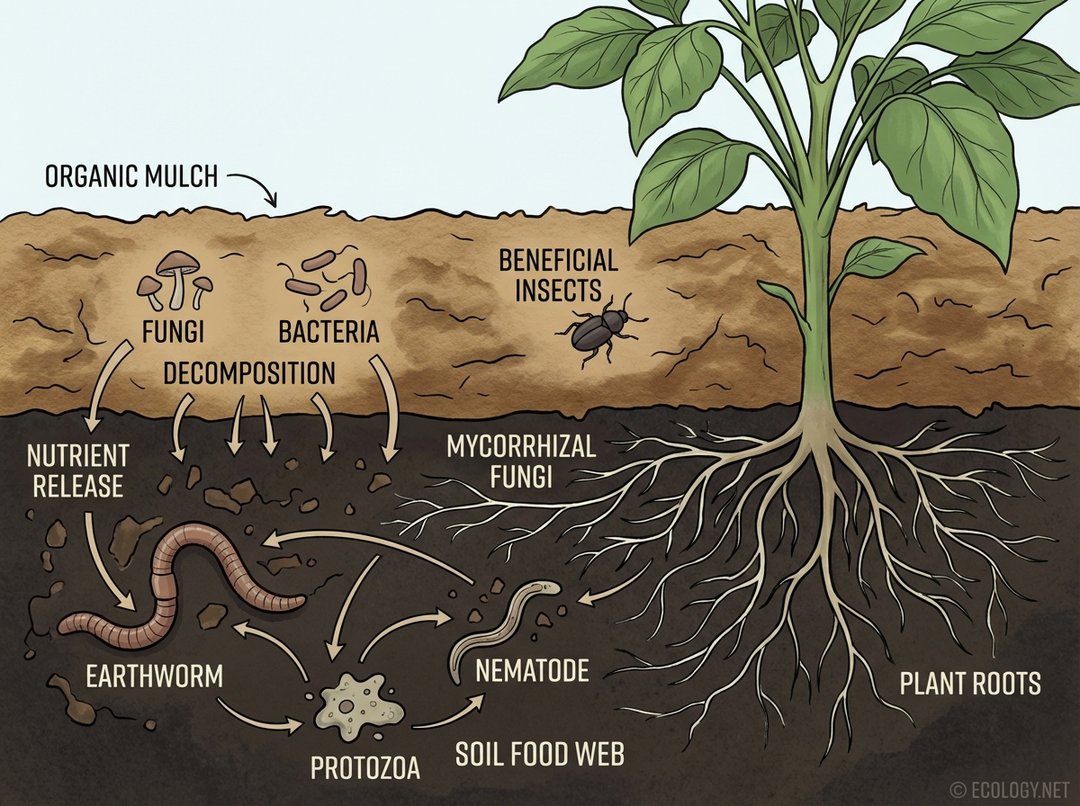
While the practical benefits of mulching are widely recognized, its ecological impact extends far deeper, fostering a complex and vibrant underground world that is essential for plant health and overall ecosystem resilience. Organic mulches, in particular, are not just passive coverings but active participants in the soil food web.
Decomposition and Nutrient Cycling
The decomposition of organic mulch is a cornerstone of nutrient cycling. Fungi, bacteria, and other microorganisms break down the complex organic compounds in the mulch, converting them into simpler forms that plants can absorb. This slow-release fertilization process provides a steady supply of nutrients, reducing the need for synthetic fertilizers. The rich, dark humus that results from decomposition also improves soil structure, increasing its capacity to hold water and air.
Enhancing the Soil Food Web
A healthy soil is a living soil, teeming with an incredible diversity of organisms. Organic mulch provides food and habitat for a vast array of creatures, from microscopic bacteria and fungi to nematodes, protozoa, earthworms, and various arthropods. This intricate “soil food web” is responsible for nutrient cycling, disease suppression, and maintaining soil structure. Earthworms, for instance, tunnel through the soil, improving aeration and drainage, while their castings enrich the soil with nutrients.
The Mycorrhizal Connection
Beneath the mulch and within the soil, an extraordinary partnership often flourishes: the mycorrhizal fungi. These beneficial fungi form symbiotic relationships with plant roots, extending their reach far beyond what the roots could achieve alone. The fungal hyphae act as an extensive secondary root system, efficiently scavenging for water and nutrients, particularly phosphorus, and delivering them to the plant. In return, the plant provides the fungi with sugars produced through photosynthesis. Organic mulches create an ideal environment for these crucial fungal networks to thrive.
Habitat for Beneficial Insects
The mulch layer also serves as a vital microhabitat for a variety of beneficial insects. Ground beetles, spiders, and predatory mites find shelter, moisture, and hunting grounds within the mulch. These natural predators help to control pest populations, reducing the reliance on chemical pesticides and promoting a more balanced ecosystem.
blockquote>
The ecological benefits of mulching transcend simple garden aesthetics, fostering a complex web of life that underpins the health and vitality of our plants and the broader environment.
Common Mulching Mistakes to Avoid
Even with the best intentions, mulching can go awry if certain common mistakes are made. Awareness of these pitfalls can save time, effort, and prevent harm to plants.
- Too Much Mulch: Over-mulching, especially with fine-textured materials, can suffocate plant roots by blocking air and water penetration. It can also create an ideal environment for rodents and fungal diseases. Stick to the recommended 2 to 4 inch depth.
- Mulch Against Stems/Trunks: As mentioned, the “mulch volcano” is detrimental. It can lead to rot, pest infestations, and girdling of tree trunks. Always keep mulch a few inches away from plant stems and tree trunks.
- Using Uncomposted Materials: Fresh wood chips or other uncomposted organic materials can temporarily tie up nitrogen in the soil as they decompose, potentially starving nearby plants of this essential nutrient. Allow materials to age or compost them before applying, or supplement with a nitrogen source if using fresh materials.
- Mulching Weedy Areas Without Preparation: Applying mulch over existing weeds will only temporarily suppress them. Many persistent weeds will eventually grow through the mulch. Always clear weeds thoroughly before mulching.
- Ignoring Soil Conditions: Mulch is a supplement, not a cure-all for poor soil. While organic mulches improve soil over time, severely compacted or nutrient-deficient soils may require initial amendment before mulching.
Embracing the Mulch Revolution
Mulching is a cornerstone of sustainable gardening and ecological landscape management. It is a practice that offers immediate, tangible benefits while simultaneously contributing to the long-term health and resilience of our soil and plant communities. From conserving water and suppressing weeds to enriching the soil and fostering a thriving underground ecosystem, the advantages of mulching are profound and far-reaching. By understanding the different types of mulch, applying them correctly, and appreciating their deeper ecological role, gardeners and land stewards can unlock a powerful tool for cultivating healthier, more vibrant, and more sustainable environments. Embrace the mulch revolution, and watch your garden flourish with renewed vitality.