Horticulture, a term often associated simply with gardening, is in fact a profound and multifaceted discipline that intertwines science, art, and a deep understanding of the natural world. It is the science and art of cultivating plants, encompassing everything from the food on our plates to the beautiful landscapes that enrich our lives. Far more than just planting seeds, horticulture involves intricate knowledge of plant biology, soil science, ecology, and even design principles, making it a cornerstone of human civilization and environmental stewardship.
At its core, horticulture is about managing plants for human benefit. This can range from growing fruits and vegetables for sustenance to cultivating ornamental plants for aesthetic pleasure, or even restoring natural habitats. It is a field that constantly evolves, adapting to new scientific discoveries and technological advancements, all while remaining rooted in ancient practices of plant cultivation.
The Broad Scope of Horticulture: A Multifaceted Discipline
To truly appreciate horticulture, one must understand its expansive nature. It is not merely a hobby but a vital field that impacts food security, environmental health, and human well-being. It draws upon numerous scientific disciplines and artistic sensibilities to achieve its goals.
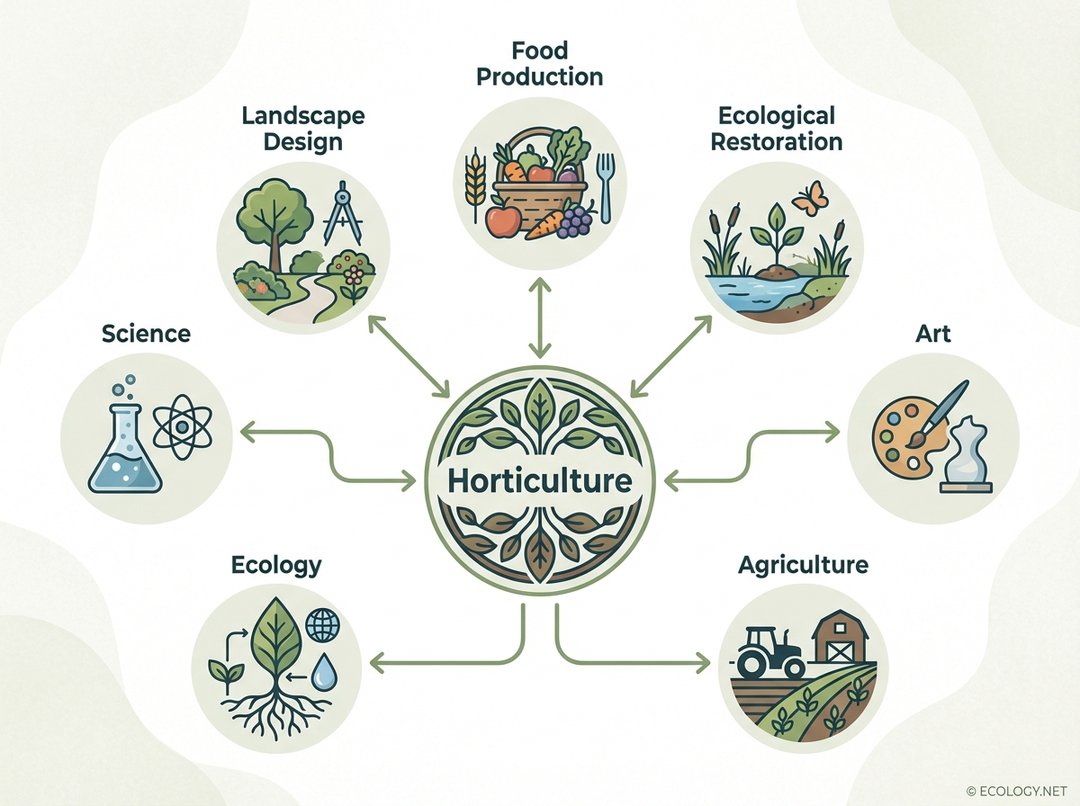
Consider the various facets that define horticulture:
- Science: Horticultural practices are deeply rooted in botany, plant physiology, genetics, soil science, and entomology. Understanding how plants grow, what nutrients they need, how to breed new varieties, and how to manage pests and diseases are all scientific endeavors.
- Art: The aesthetic arrangement of plants in gardens, parks, and urban spaces is a testament to the artistic side of horticulture. Landscape design, floristry, and even the careful pruning of trees demonstrate a keen eye for beauty and form.
- Ecology: Horticulturists often work to understand and mimic natural ecosystems, promoting biodiversity and sustainable practices. This includes selecting native plants, creating pollinator gardens, and engaging in ecological restoration.
- Agriculture: While distinct from large-scale agriculture, horticulture contributes significantly to food production, particularly for high-value crops, fruits, vegetables, and specialty items often grown in intensive systems.
- Food Production: From orchards yielding apples to vegetable patches providing fresh greens, horticulture directly contributes to the global food supply, often focusing on quality, flavor, and nutritional value.
- Landscape Design: This branch involves planning and creating outdoor spaces, integrating plants with hardscapes to form functional and aesthetically pleasing environments.
- Ecological Restoration: Horticulturists play a crucial role in restoring degraded ecosystems by propagating and planting native species, helping to bring back ecological balance and biodiversity.
Specialized Branches of Horticulture: Cultivating Expertise
Within the vast realm of horticulture, several specialized branches have emerged, each focusing on particular types of plants or specific applications. These specializations allow for deep expertise and innovation in various aspects of plant cultivation.
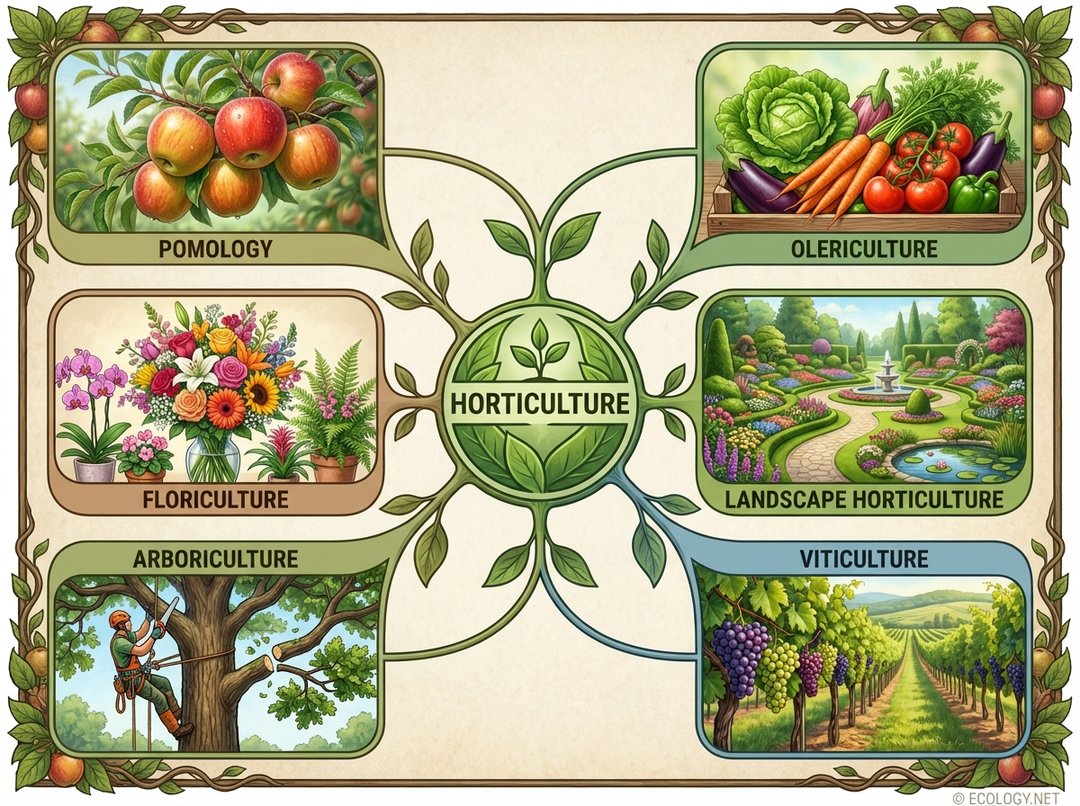
The main branches include:
-
Pomology
Pomology is the science and practice of growing fruit. This includes a wide array of crops such as apples, pears, peaches, berries, and citrus fruits. Pomologists study everything from fruit tree genetics and breeding to orchard management, pest control, and post-harvest handling to ensure high-quality yields.
For example, a pomologist might develop a new apple variety that is more resistant to disease or can thrive in a specific climate, ensuring a stable and delicious fruit supply.
-
Olericulture
Olericulture is dedicated to the cultivation of vegetables. This branch covers leafy greens like lettuce and spinach, root crops such as carrots and potatoes, and fruiting vegetables like tomatoes and peppers. Olericulturists focus on optimizing growing conditions, improving crop yields, and developing sustainable methods for vegetable production.
An olericulturist might research optimal soil compositions for organic carrot farming or develop techniques for extending the growing season of tender greens.
-
Floriculture
Floriculture is the cultivation of flowering and ornamental plants. This includes cut flowers for bouquets, potted plants for indoor decoration, and bedding plants for gardens and public spaces. Floriculturists are concerned with plant breeding for desirable traits, propagation techniques, and the aesthetic presentation of flowers.
Think of the vibrant rose gardens in public parks or the intricate floral arrangements at special events, all products of floricultural expertise.
-
Landscape Horticulture
This branch focuses on the design, installation, and maintenance of outdoor spaces, including residential gardens, public parks, golf courses, and urban green spaces. Landscape horticulturists select appropriate plants for specific environments, considering factors like climate, soil type, and aesthetic appeal, to create functional and beautiful landscapes.
A landscape horticulturist might design a drought-tolerant garden for a dry region or plan a vibrant urban park that provides habitat for local wildlife.
-
Arboriculture
Arboriculture is the cultivation, management, and study of individual trees, shrubs, vines, and other perennial woody plants. Arborists are experts in tree health, pruning, disease diagnosis, pest management, and safe tree removal, often working in urban and suburban environments to maintain the health and safety of trees.
When a city tree needs careful pruning to avoid power lines or a heritage tree requires specialized care to extend its life, an arborist is called upon.
-
Viticulture
Viticulture is the science and practice of grape cultivation, primarily for wine production, but also for table grapes and raisins. Viticulturists manage vineyards, focusing on grape variety selection, soil management, pruning techniques, pest and disease control, and harvest timing to produce grapes with optimal characteristics for their intended use.
The quality of a fine wine begins in the vineyard, where viticulturists meticulously tend to the grapevines, influencing everything from sugar content to flavor profiles.
Why Horticulture Matters: Impact on Our World
The importance of horticulture extends far beyond mere aesthetics or specialized cultivation. It plays a critical role in addressing some of the most pressing global challenges.
- Food Security and Nutrition: Horticulture provides a diverse range of fruits, vegetables, and nuts that are essential for a balanced diet. It contributes to local food systems, reduces reliance on long supply chains, and offers fresh, nutrient-rich options.
- Environmental Benefits:
- Urban Greening: Plants in urban areas improve air quality, reduce the urban heat island effect, manage stormwater runoff, and provide vital habitats for urban wildlife.
- Biodiversity: Horticultural practices can support biodiversity by cultivating native plants and creating pollinator-friendly gardens.
- Soil Health: Sustainable horticultural practices, such as composting and cover cropping, enhance soil fertility and structure, preventing erosion and supporting microbial life.
- Economic Impact: The horticultural industry is a significant economic driver, supporting nurseries, garden centers, landscape companies, florists, and fruit and vegetable growers. It creates jobs and contributes to local and national economies.
- Health and Well-being: Engaging in gardening and being surrounded by green spaces has proven benefits for mental and physical health, reducing stress, promoting physical activity, and fostering a connection with nature. Horticultural therapy uses plant-related activities to improve physical and mental health.
Modern Horticultural Innovations: Growing the Future
Horticulture is not a static field. It is constantly evolving, driven by scientific research and technological advancements aimed at increasing efficiency, sustainability, and productivity. Modern innovations are reshaping how we grow plants, especially in the face of climate change and increasing global populations.
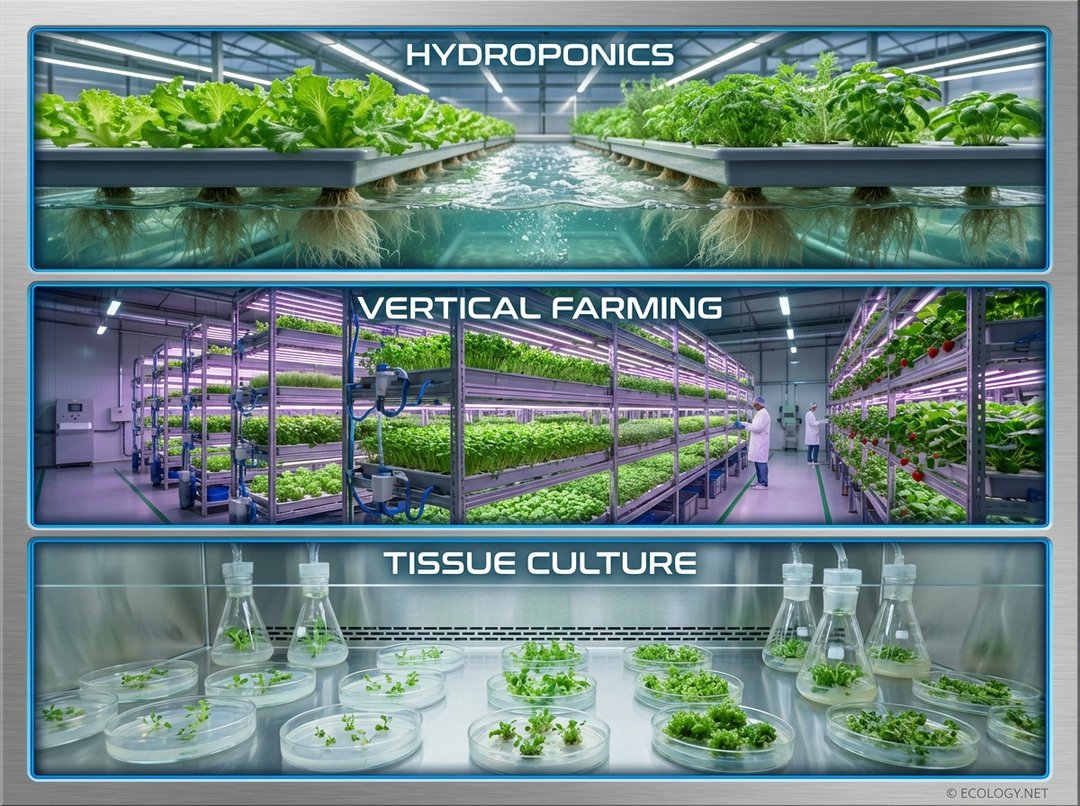
Some of the most exciting developments include:
-
Hydroponics
Hydroponics is a method of growing plants without soil, using mineral nutrient solutions dissolved in water. This technique allows for precise control over nutrient delivery, often resulting in faster growth and higher yields while using significantly less water than traditional soil-based farming. It is particularly effective for leafy greens and herbs.
Imagine growing crisp lettuce in a sterile, water-filled environment, free from soil-borne pests and diseases, right in an urban warehouse. This is the power of hydroponics.
-
Vertical Farming
Vertical farming involves growing crops in vertically stacked layers, often indoors in controlled environments. This method maximizes space utilization, making it ideal for urban areas where land is scarce. It frequently incorporates hydroponic or aeroponic systems and relies on LED lighting to optimize plant growth, offering year-round production regardless of external climate conditions.
Skyscrapers transformed into food factories, producing fresh produce for city dwellers with minimal transportation costs, exemplify the potential of vertical farming.
-
Tissue Culture
Tissue culture, also known as micropropagation, is a biotechnological technique used to grow plants from a small piece of tissue or a single cell in a sterile, nutrient-rich medium. This method allows for the rapid production of large numbers of genetically identical plants, especially valuable for propagating disease-free plants, rare species, or new cultivars that are difficult to reproduce by conventional means.
A single, disease-resistant orchid plant can be multiplied into thousands of identical, healthy clones through tissue culture, ensuring its widespread availability.
-
Precision Horticulture
Leveraging sensors, drones, artificial intelligence, and robotics, precision horticulture optimizes growing conditions at a highly localized level. This can involve automated irrigation based on real-time plant water needs, targeted nutrient application, and robotic harvesting, leading to reduced resource use and increased efficiency.
-
Sustainable Practices
Modern horticulture increasingly emphasizes sustainability. This includes integrated pest management (IPM) to minimize pesticide use, water-saving irrigation techniques, composting and vermicomposting to recycle organic waste, and the use of native and drought-tolerant plants to reduce environmental impact.
A Career in Horticulture
For those passionate about plants and the environment, horticulture offers a diverse range of career paths. Professionals can work as landscape architects, arborists, plant breeders, nursery managers, viticulturists, urban farmers, horticultural therapists, or researchers. Each role contributes to the health of our planet and the well-being of its inhabitants, combining scientific knowledge with practical application.
Conclusion
Horticulture is a dynamic and essential field that bridges the gap between humanity and the plant kingdom. It is a discipline that feeds us, beautifies our surroundings, heals our environment, and inspires innovation. From the ancient practice of cultivating a simple garden to the cutting-edge technologies of vertical farms, horticulture continues to shape our world in profound ways. Understanding and appreciating this intricate science and art allows us to better connect with the natural world and work towards a more sustainable and verdant future for all.