The intricate dance between human society and the natural world has always been a delicate balance. As our understanding of ecological systems deepens and the impact of human activities becomes more apparent, a crucial framework has emerged to guide our interactions with the planet: environmental law. Far from being a dry collection of statutes, environmental law is a dynamic and evolving field that seeks to protect the environment, conserve natural resources, and ensure a healthy planet for current and future generations.
Imagine a world without clean air to breathe, pure water to drink, or vibrant ecosystems teeming with life. Environmental law acts as the guardian against such a scenario, establishing rules and regulations that govern everything from pollution control to wildlife protection. It is the legal backbone of sustainability, translating scientific understanding and ethical considerations into enforceable actions.
The Bedrock: Core Principles of Environmental Law
At its heart, environmental law is built upon several foundational principles that guide its application and development. These principles are not merely academic concepts; they are powerful ideas that shape policy and legal decisions globally, ensuring a consistent approach to environmental protection.
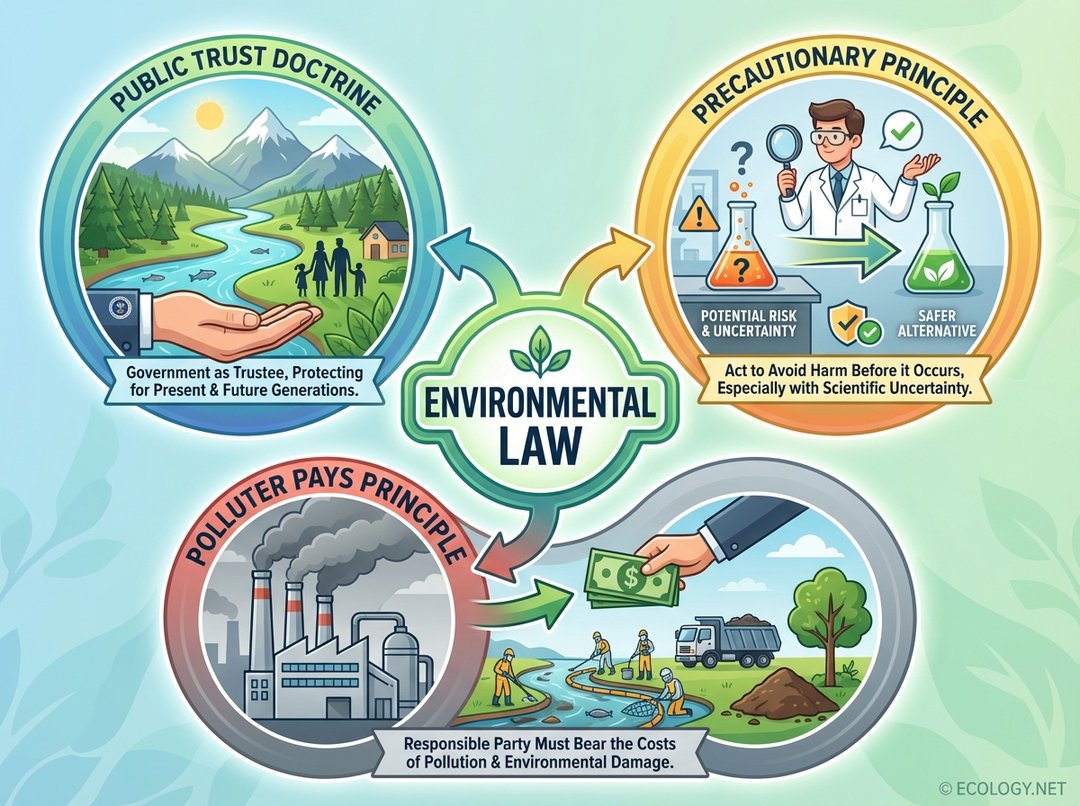
- The Public Trust Doctrine: Guardians of Shared Resources
This ancient principle, with roots stretching back to Roman law, posits that certain natural resources, such as navigable waters, shorelines, and sometimes even wildlife, are held in trust by the government for the benefit of all citizens. The government, as trustee, has a fiduciary duty to protect these resources from degradation and ensure their availability for public use and enjoyment. Think of a pristine national park or a public beach; these are often protected under the umbrella of the Public Trust Doctrine, preventing private exploitation that would harm the collective good. - The Precautionary Principle: Better Safe Than Sorry
When there is a threat of serious or irreversible damage to the environment, but full scientific certainty is lacking, the Precautionary Principle dictates that protective measures should not be postponed. In simpler terms, if an activity has the potential for significant environmental harm, even without conclusive proof, it is prudent to take action to prevent that harm. This principle shifts the burden of proof, often requiring those proposing potentially harmful activities to demonstrate their safety rather than waiting for irreversible damage to occur. For example, the regulation of new chemicals often follows this principle, requiring extensive testing before widespread use. - The Polluter Pays Principle: Accountability for Environmental Harm
This principle is straightforward: those who cause pollution or environmental damage should bear the costs of preventing, controlling, and remediating that pollution. It aims to internalize environmental costs, making polluters financially responsible for the harm they inflict rather than externalizing these costs onto society or the environment. This incentivizes industries to adopt cleaner technologies and practices to avoid costly cleanups and penalties. Imagine a factory responsible for a chemical spill; the Polluter Pays Principle ensures they fund the cleanup and restoration efforts.
Environmental Law in Action: Protecting Our Planet’s Treasures
The principles of environmental law are translated into tangible protections through a vast array of statutes, regulations, and international agreements. These legal instruments address specific environmental challenges, from safeguarding endangered species to ensuring clean air and water.
Safeguarding Biodiversity: The Case of Endangered Species
One of the most compelling applications of environmental law is in the protection of biodiversity. Laws like the Endangered Species Act in the United States or similar legislation globally provide a legal safety net for species facing extinction and their critical habitats. These laws can halt development projects, restrict human activities, and mandate recovery plans to bring species back from the brink.

Consider the majestic California Condor, a symbol of conservation success. Once reduced to a mere 22 individuals in the wild, intensive conservation efforts, backed by strong environmental laws, have allowed its population to slowly recover. These laws protect not only the condors themselves but also the vast, rugged canyon landscapes they call home, ensuring their survival and the health of their ecosystem.
Ensuring Clean Air and Water
Environmental law plays a critical role in regulating pollution to protect human health and ecological integrity. Legislation like the Clean Air Act and Clean Water Act establishes standards for emissions and discharges, mandates permits for industrial activities, and sets limits on pollutants. These laws have led to significant improvements in air quality in many urban areas and have made countless rivers and lakes safe for recreation and wildlife once again.
The legal framework for clean air and water is a testament to the power of environmental law to transform public health and ecological well-being.
Waste Management and Hazardous Substances
From everyday trash to highly toxic chemicals, environmental law dictates how waste is managed, transported, and disposed of. Regulations aim to prevent contamination of soil and water, promote recycling, and ensure the safe handling of hazardous materials. This includes stringent rules for industrial waste, nuclear waste, and even the proper disposal of household electronics, all designed to minimize environmental harm.
Beyond the Basics: Valuing Nature’s Unseen Contributions
As environmental law matures, it increasingly incorporates more sophisticated ecological and economic concepts. One such concept, crucial for a deeper understanding of environmental protection, is “Ecosystem Services.”
Ecosystem Services: Nature’s Essential Gifts
Ecosystem services are the myriad benefits that humans receive from ecosystems. These are not just aesthetic pleasures but fundamental life-support functions that nature provides for free. Recognizing and valuing these services strengthens the legal and economic arguments for conservation.
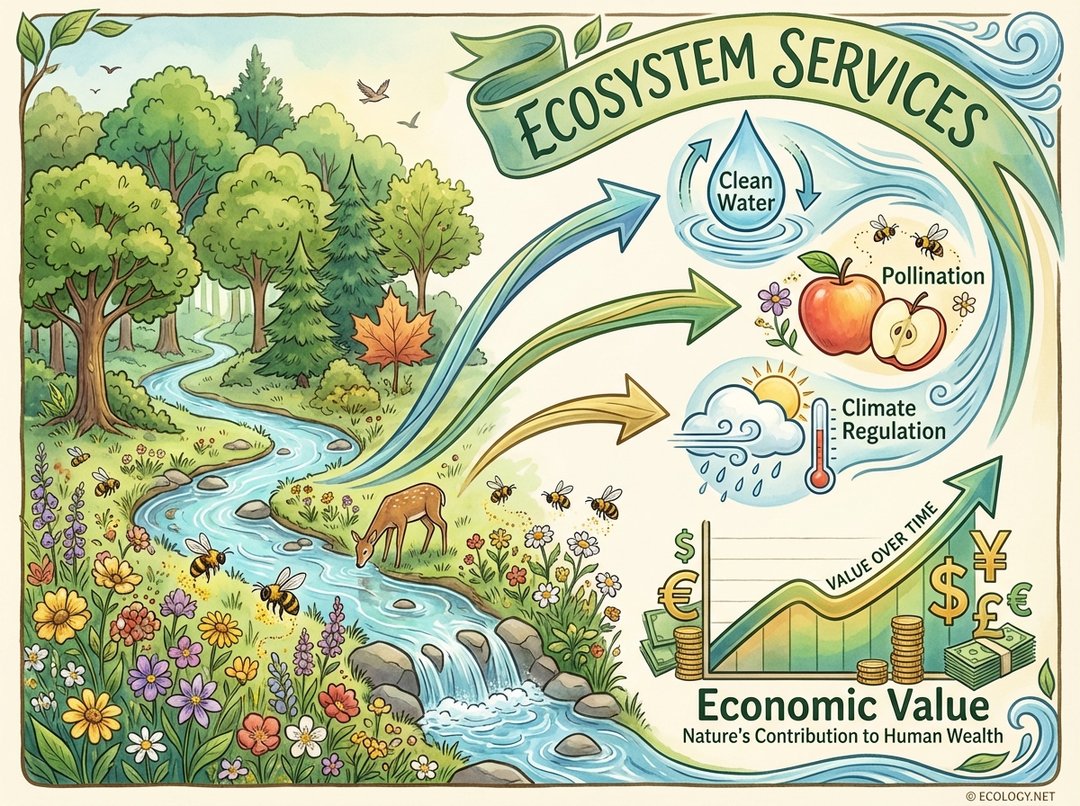
Examples of ecosystem services include:
- Provisioning Services: The production of food, fresh water, timber, and fiber.
- Regulating Services: The control of climate, disease, floods, and waste detoxification. Think of wetlands filtering pollutants from water or forests absorbing carbon dioxide.
- Cultural Services: Recreational, spiritual, and aesthetic benefits derived from ecosystems.
- Supporting Services: Fundamental processes like nutrient cycling, soil formation, and primary production that underpin all other services.
Environmental law increasingly seeks to protect the integrity of ecosystems precisely because they provide these invaluable services. For instance, laws protecting wetlands are not just about saving a specific habitat; they are also about preserving natural flood control, water purification, and biodiversity hotspots that benefit human communities downstream.
Assigning Economic Value to Nature
While the intrinsic value of nature is undeniable, assigning economic value to ecosystem services has become a powerful tool in environmental law and policy. By quantifying the monetary benefits derived from healthy ecosystems, policymakers can better justify conservation investments and integrate environmental considerations into economic decision-making. For example, calculating the cost savings from natural water filtration by a forest compared to building a new water treatment plant can demonstrate the economic wisdom of forest preservation.
The Evolving Landscape of Environmental Law
Environmental law is not static; it constantly adapts to new scientific discoveries, emerging environmental threats, and societal values. Challenges like climate change, plastic pollution, and biodiversity loss demand innovative legal solutions and international cooperation. The future of environmental law will likely see continued emphasis on:
- International Cooperation: Addressing global issues like climate change and transboundary pollution requires harmonized laws and treaties across nations.
- Climate Change Litigation: Legal actions against governments and corporations for their roles in climate change are becoming more frequent, pushing for greater accountability.
- Environmental Justice: Ensuring that environmental protections are applied equitably and that no community disproportionately bears the burden of environmental pollution.
- Technological Integration: Utilizing new technologies for monitoring, enforcement, and sustainable resource management.
Environmental law is a testament to humanity’s growing understanding of its place within the natural world and its commitment to stewardship. It is a vital tool for navigating the complexities of modern life while safeguarding the planet’s health and ensuring a sustainable future for all.