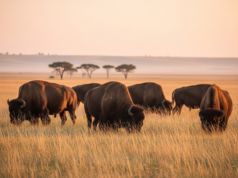
The rustle of leaves, the scent of damp earth, the symphony of unseen life; these are the hallmarks of a forest. For millennia, these vital ecosystems have shaped our planet, providing sustenance, shelter, and the very air we breathe. Yet, across the globe, these green cathedrals are falling at an alarming rate, a phenomenon known as deforestation. Understanding this complex issue is not merely an academic exercise; it is crucial for the future health of our planet and all its inhabitants.
What is Deforestation?
At its core, deforestation is the permanent removal of forests to make the land available for other uses. This is distinct from sustainable logging, where trees are harvested but the forest is allowed to regenerate or is replanted. Deforestation involves a fundamental change in land use, often converting forestland into agricultural fields, pastures, urban areas, or mining sites.
Types of Deforestation
- Clear Cutting: This method involves removing all trees from an area, leaving behind a barren landscape. It is often employed for large scale agriculture or timber operations.
- Selective Logging: While seemingly less destructive, poorly managed selective logging can still lead to significant forest degradation, as infrastructure built for logging can open up areas to further exploitation.
- Slash and Burn: A traditional method, particularly in tropical regions, where forests are cut down and then burned to clear land for agriculture. While historically sustainable on a small scale, its modern application on vast tracts of land is a major driver of deforestation.
The Engines of Destruction: Why Forests Disappear
The reasons behind deforestation are multifaceted, driven by a complex interplay of economic, social, and political factors. Understanding these drivers is the first step towards finding effective solutions.
- Agricultural Expansion: This is arguably the largest driver globally. Vast areas of forest are cleared to make way for:
- Cattle Ranching: Especially prevalent in the Amazon, where demand for beef fuels the conversion of rainforest into pastureland.
- Soybean Cultivation: Primarily for animal feed, soy farms expand rapidly into forested areas.
- Palm Oil Plantations: In Southeast Asia, particularly Indonesia and Malaysia, rainforests are destroyed to cultivate oil palm, an ingredient found in countless consumer products.
- Logging and Timber Demand: The global demand for wood products, including timber for construction, pulp for paper, and wood for fuel, places immense pressure on forests. Illegal logging operations, often driven by corruption and weak governance, exacerbate this problem, plundering protected areas and old growth forests.
- Mining Operations: The extraction of minerals like gold, iron ore, and bauxite often requires clearing large tracts of forest, not only for the mines themselves but also for associated infrastructure like roads and processing plants.
- Infrastructure Development: The construction of roads, dams, and urban settlements fragments and destroys forest habitats, opening up previously inaccessible areas to further exploitation.
- Wildfires: While some fires are natural, human activities, including agricultural burning and arson, often lead to uncontrolled wildfires that devastate vast forest areas, particularly in drier climates. Climate change also intensifies these events.
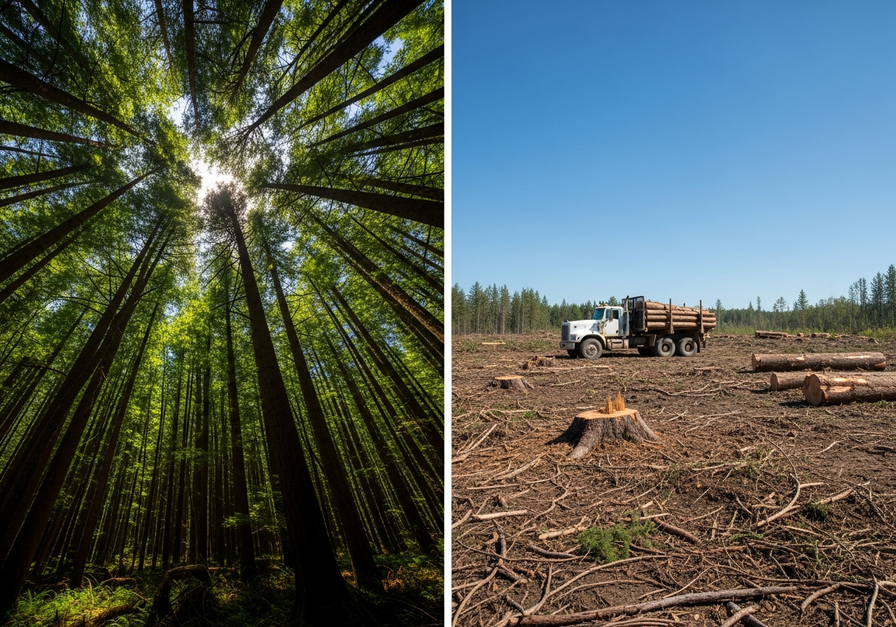
This image visually represents the article’s discussion of timber demand and illegal logging as primary drivers of deforestation, highlighting how a vibrant ecosystem can be rapidly converted into clearings.
The Far-Reaching Consequences: A Cascade of Impacts
The removal of forests triggers a devastating cascade of environmental and social consequences, affecting everything from global climate patterns to local livelihoods.
Climate Change Acceleration
Forests are often called the “lungs of the Earth” for good reason. They absorb vast amounts of carbon dioxide, a potent greenhouse gas, through photosynthesis, acting as crucial carbon sinks. When forests are cleared or burned, this stored carbon is released back into the atmosphere, contributing significantly to global warming. Furthermore, the loss of forests reduces the planet’s capacity to absorb future emissions, creating a dangerous feedback loop.
Biodiversity Loss
Tropical rainforests, in particular, are biodiversity hotspots, home to an estimated 80% of the world’s terrestrial species. Deforestation destroys these intricate habitats, leading to species extinction at an alarming rate. Animals like orangutans, tigers, and countless insect and plant species lose their homes, food sources, and breeding grounds, pushing them towards the brink of oblivion. The loss of even a single species can disrupt entire ecosystems, with unpredictable consequences.
Soil Erosion and Land Degradation
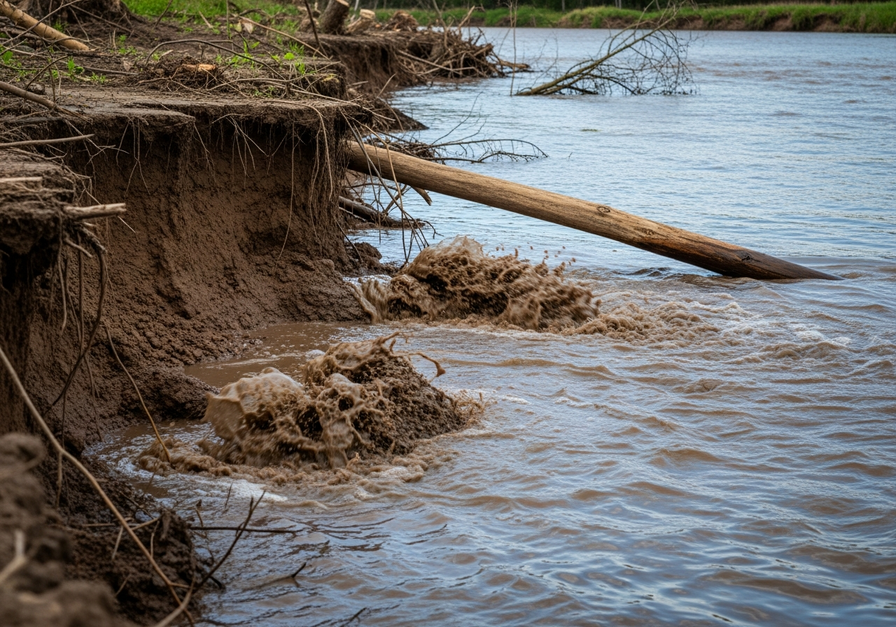
Tree roots play a vital role in anchoring soil, preventing it from being washed away by rain or blown away by wind. When forests are removed, the soil becomes exposed and vulnerable. This leads to severe soil erosion, reducing soil fertility, silting up rivers and dams, and increasing the risk of landslides. The land becomes less productive, often turning into barren wasteland.
This image illustrates the article’s explanation of soil erosion and land degradation that follows the removal of tree roots, showing the direct physical consequences of deforestation on the landscape.
Disruption of the Water Cycle
Forests are integral to the global water cycle. They release moisture into the atmosphere through transpiration, contributing to cloud formation and rainfall. Deforestation can lead to reduced rainfall in affected regions, exacerbating droughts and impacting agriculture. It can also increase the severity of floods, as the land loses its ability to absorb rainwater effectively.
Impact on Indigenous Communities
Millions of indigenous people around the world rely directly on forests for their livelihoods, culture, and spiritual well being. Deforestation often displaces these communities, destroys their traditional ways of life, and leads to conflicts over land rights. Their traditional knowledge of forest management, accumulated over generations, is also lost.
A Deeper Dive: The Ecological Mechanics of Forest Loss
Beyond the immediate impacts, the ecological consequences of deforestation are complex and far reaching, involving intricate feedback loops and the loss of invaluable ecosystem services.
Ecosystem Services at Risk
Forests provide a multitude of “ecosystem services” that are essential for human survival and well being, often without a monetary value attached until they are lost. These include:
- Carbon Sequestration: Storing atmospheric carbon in biomass and soil.
- Water Purification: Forest ecosystems filter pollutants and regulate water flow, ensuring clean freshwater supplies.
- Air Purification: Trees absorb pollutants and release oxygen.
- Pollination: Forests provide habitat for pollinators crucial for agriculture.
- Climate Regulation: Beyond carbon, forests influence local and regional temperatures and rainfall patterns.
- Genetic Resources: A vast reservoir of potential medicines, food crops, and genetic diversity for adaptation.
The destruction of forests represents a massive loss of these services, often requiring expensive technological solutions to replace them, if replacement is even possible.
Albedo Effect and Regional Climate
Forests have a lower albedo, meaning they absorb more solar radiation compared to cleared land or agricultural fields, which reflect more sunlight. While this might seem counterintuitive, the evapotranspiration from forests also creates a cooling effect. Large scale deforestation can alter regional temperatures and rainfall patterns, potentially leading to localized warming and increased drought frequency, further stressing remaining forest fragments.
The Edge Effect
When forests are fragmented by deforestation, the remaining forest patches experience what is known as the “edge effect.” The edges of these fragments are exposed to different environmental conditions, such as increased sunlight, wind, and drier air, compared to the interior of a dense forest. This can negatively impact species that require stable, interior forest conditions, leading to further biodiversity loss even within protected areas.
Seeds of Hope: Solutions and Restoration
Despite the grim realities, there is significant hope and ongoing effort to combat deforestation and restore degraded landscapes. Collective action, from international policy to individual choices, is vital.
Sustainable Forest Management
Implementing sustainable forestry practices ensures that forests are managed for long term ecological, social, and economic benefits. This includes selective logging, replanting harvested areas, protecting biodiversity, and respecting the rights of local communities. Certification schemes, such as those from the Forest Stewardship Council (FSC), help consumers identify sustainably sourced wood products.
Reforestation and Afforestation
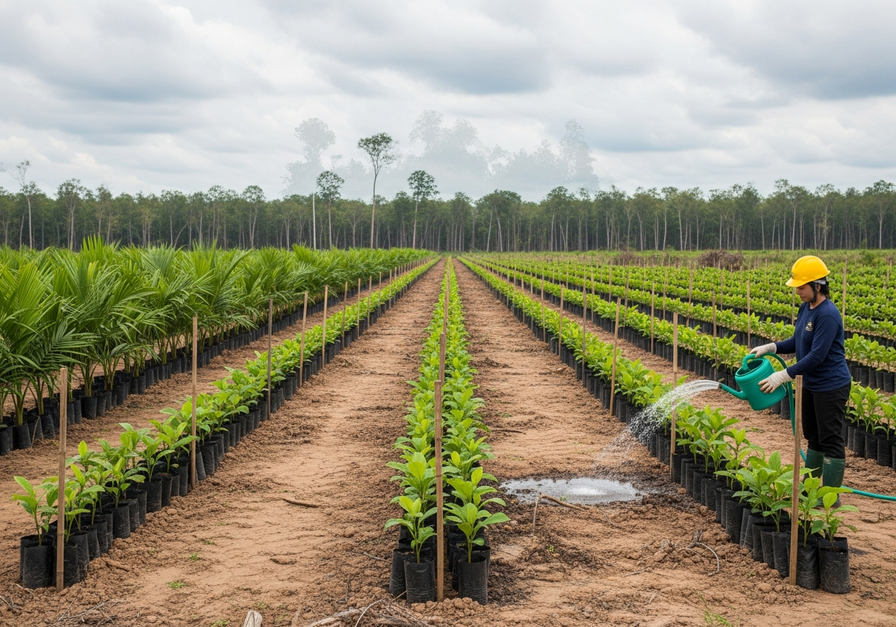
Reforestation involves replanting trees in areas that were previously forested but have been cleared. Afforestation is the process of planting trees in areas where there was no forest cover historically. These initiatives are crucial for restoring ecological functions, sequestering carbon, and providing habitat. Large scale projects, often involving local communities, are demonstrating success in bringing back forest cover.
This illustration ties directly to the article’s sections on secondary forests and reforestation, showcasing a concrete, hopeful solution to counteract the negative impacts of deforestation.
Establishing Protected Areas and Conservation
Creating national parks, wildlife reserves, and other protected areas is a fundamental strategy to safeguard remaining forests and their biodiversity. Effective enforcement and community involvement are key to the success of these initiatives.
Reducing Demand and Promoting Sustainable Consumption
Consumers play a powerful role. By choosing products that are certified as deforestation free, reducing consumption of products linked to deforestation (like unsustainably produced palm oil or beef), and recycling paper products, individuals can influence market demand. Supporting companies committed to ethical sourcing also sends a strong message.
Policy, Governance, and Economic Incentives
Strong government policies, effective law enforcement against illegal logging, and international agreements are essential. Economic incentives, such as payments for ecosystem services, can encourage forest conservation by valuing the benefits forests provide beyond timber.
Conclusion
Deforestation is a formidable challenge, but it is not insurmountable. The intricate web of life within forests, their profound influence on our climate, and their direct impact on human well being underscore their irreplaceable value. By understanding the causes and consequences, and by actively supporting and participating in solutions, we can shift the narrative from one of loss to one of restoration and sustainable coexistence. The future of our planet, and indeed our own species, depends on the health of our forests.