In the intricate tapestry of nature, plants rarely grow in isolation. They form complex communities, interacting with each other and their environment in myriad ways. This fundamental ecological principle is at the heart of an ancient and increasingly popular gardening practice known as companion planting. Far more than just arranging plants aesthetically, companion planting is a strategic approach to gardening that harnesses the natural synergies between different species to create a healthier, more productive, and resilient garden ecosystem.
At its core, companion planting involves growing specific plants in close proximity for mutual benefit. These benefits can range from deterring pests and attracting beneficial insects to improving soil health, enhancing nutrient uptake, and even providing physical support. It is a testament to nature’s wisdom, offering gardeners a powerful, organic tool to cultivate thriving landscapes without relying on synthetic chemicals.
The Science Behind the Synergy
The success of companion planting is not merely anecdotal; it is rooted in observable ecological interactions. Understanding these mechanisms allows gardeners to make informed choices and unlock the full potential of their plant communities.
Pest Deterrence and Attraction of Beneficials
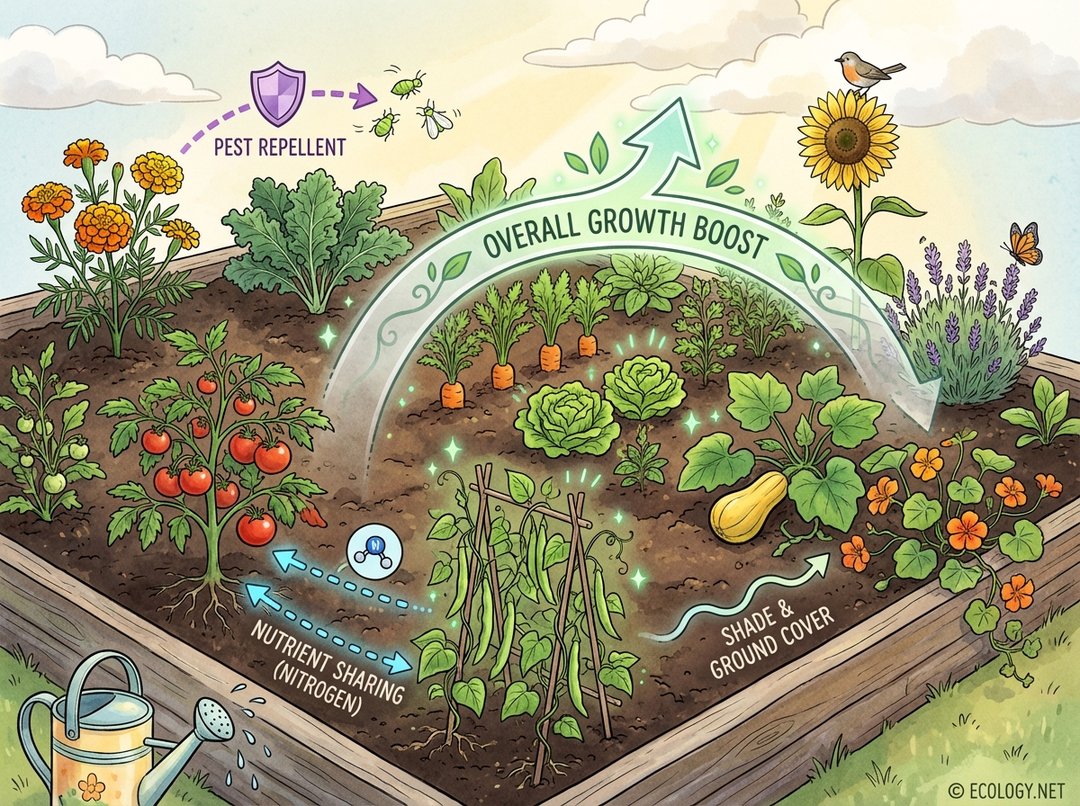
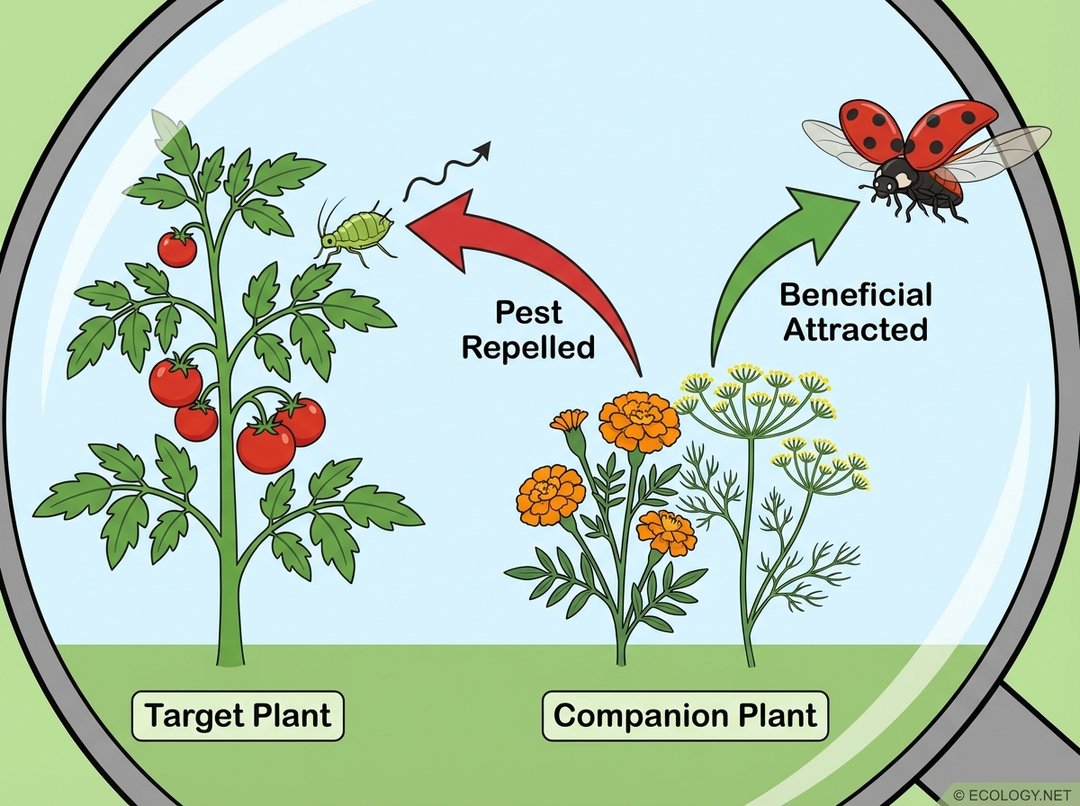
One of the most celebrated aspects of companion planting is its role in natural pest management. Certain plants possess properties that can either repel unwanted insects or attract those that prey on garden pests.
- Repellent Plants: Many aromatic herbs and flowers release volatile compounds that confuse or deter pests. For instance, marigolds are well-known for repelling nematodes and other soil-borne pests, while strong-smelling herbs like basil and rosemary can mask the scent of vulnerable vegetables, making them harder for pests to locate.
- Trap Cropping: Some plants act as “sacrificial lambs,” drawing pests away from more valuable crops. Nasturtiums, for example, are often planted near brassicas (cabbage, broccoli) to attract aphids, which prefer the nasturtiums, thereby protecting the main crop.
- Attracting Beneficial Insects: A diverse garden ecosystem includes a host of beneficial insects, such as ladybugs, lacewings, and parasitic wasps, which are natural predators of common garden pests. Plants with small flowers, like dill, cilantro, and cosmos, provide nectar and pollen for these beneficials, encouraging them to take up residence in the garden.
Nutrient Cycling and Soil Health
Plants are not just passive recipients of soil nutrients; they actively participate in nutrient cycling. Companion planting can enhance this process, leading to healthier soil and more vigorous growth.
- Nitrogen Fixation: Legumes, such as beans and peas, have a symbiotic relationship with nitrogen-fixing bacteria in their root nodules. These bacteria convert atmospheric nitrogen into a form usable by plants, enriching the soil for neighboring crops.
- Dynamic Accumulators: Some plants, often referred to as dynamic accumulators, have deep taproots that draw up minerals from deeper soil layers. When these plants die back or are chopped and dropped as mulch, they release these nutrients back into the topsoil, making them available to shallower-rooted companions. Comfrey and borage are excellent examples.
- Soil Structure Improvement: Diverse root systems contribute to better soil structure, aeration, and water infiltration. Different root depths explore various soil horizons, preventing compaction and fostering a robust microbial community.
Physical Support and Microclimates
Beyond chemical interactions, companion plants can offer tangible physical benefits.
- Structural Support: Tall, sturdy plants can serve as natural trellises for climbing vines, eliminating the need for artificial supports.
- Shade and Wind Protection: Taller plants can provide shade for sun-sensitive companions during hot periods or act as windbreaks, protecting delicate plants from harsh conditions. Conversely, ground cover plants can help keep the soil cool and moist.
Weed Suppression
Dense plantings, particularly those involving ground cover companions, can effectively suppress weeds by shading the soil and outcompeting unwanted plants for light, water, and nutrients. This reduces the need for manual weeding and promotes a tidier garden space.
Classic Companion Planting Combinations
Throughout history, gardeners have discovered and refined numerous successful companion planting combinations. These time-tested pairings offer excellent starting points for any gardener.
The Three Sisters: A Timeless Guild
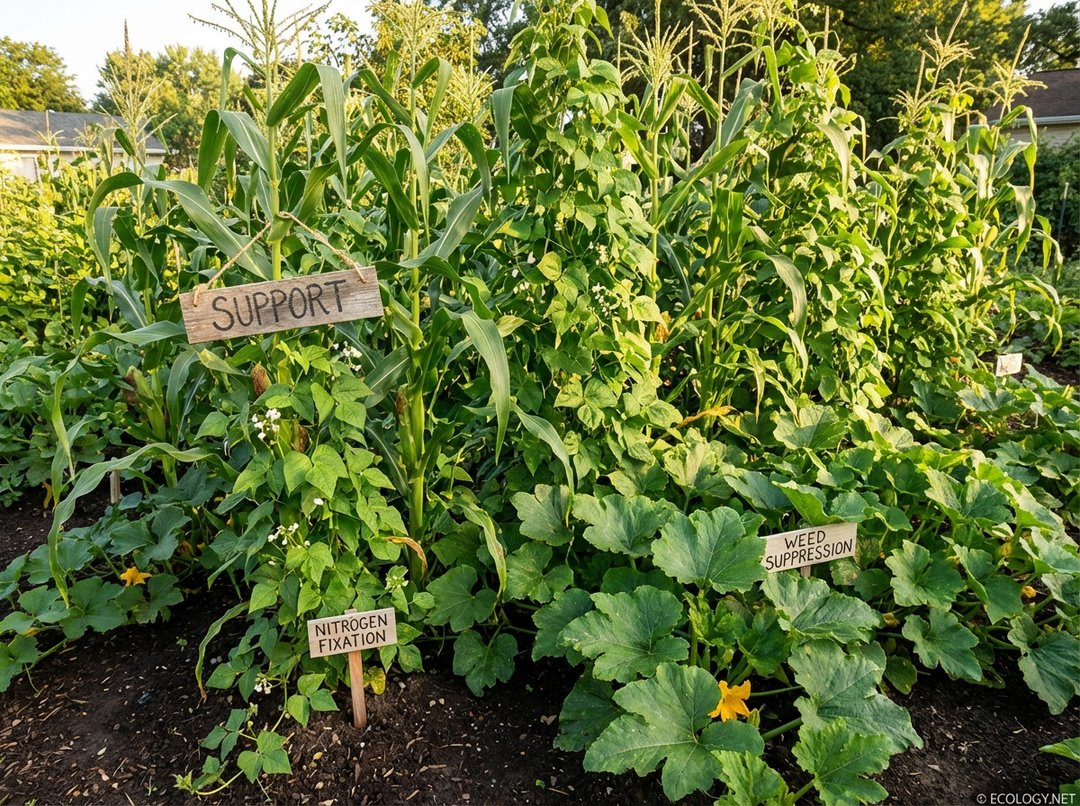
Perhaps the most iconic example of companion planting is the “Three Sisters” method, practiced for centuries by indigenous peoples of North America. This guild involves growing corn, beans, and squash together in a mutually beneficial arrangement.
- Corn: Provides a sturdy stalk for the beans to climb, offering natural support.
- Beans: Fix nitrogen in the soil, enriching it for the heavy-feeding corn and squash.
- Squash: Spreads its broad leaves across the ground, shading the soil to suppress weeds, conserve moisture, and deter pests with its prickly stems.
Other Popular Pairings
- Tomatoes and Basil: Basil is believed to improve the flavor of tomatoes and repel tomato hornworms and flies.
- Carrots and Rosemary: Rosemary can deter carrot rust flies, protecting the carrot crop.
- Marigolds and Most Vegetables: French marigolds are excellent for repelling nematodes and other soil pests, making them a beneficial companion for almost any vegetable.
- Lettuce and Tall Plants: Taller plants like corn or sunflowers can provide shade for lettuce during hot summer months, preventing it from bolting.
- Cabbage and Dill: Dill can attract beneficial insects like parasitic wasps, which prey on cabbage worms.
- Potatoes and Horseradish: Horseradish is thought to protect potatoes from blight.
- Onions/Garlic and Roses: Planting onions or garlic near roses is believed to deter aphids and other pests, and some even claim it enhances the rose’s fragrance.
Designing Your Companion Garden
Implementing companion planting requires thoughtful planning and observation. It is not about simply throwing plants together, but about understanding their individual needs and how they interact.
Planning and Observation
Before planting, consider the specific challenges and goals for your garden. Are you battling a particular pest? Is your soil lacking nutrients? Observing your garden’s microclimates and existing plant health will guide your choices. Research the specific needs and known companions for the plants you wish to grow.
Crop Rotation Integration
Companion planting works synergistically with crop rotation. While companion plants offer immediate benefits, rotating crops annually helps prevent the buildup of soil-borne diseases and pests over the long term. Integrate your companion planting schemes into your rotation plan for maximum effectiveness.
Understanding Plant Families
Generally, it is wise to avoid planting members of the same plant family together, as they often share common pests and diseases. For example, avoid planting tomatoes (Solanaceae) with potatoes (also Solanaceae) as they can share blight issues. Instead, aim for diversity across plant families.
Beyond the Basics: Advanced Considerations
For those seeking to deepen their understanding, companion planting delves into more nuanced ecological principles.
Allelochemicals and Their Role
Plants communicate and interact through a complex array of biochemicals, known as allelochemicals. These compounds can be released from roots, leaves, or decaying plant matter and can have various effects on neighboring plants, including inhibiting growth, attracting pollinators, or deterring pests. For example, some plants release compounds that suppress weed seed germination, while others might release chemicals that are detrimental to specific pests. Understanding these subtle chemical interactions is key to advanced companion planting strategies.
Trap Cropping
While mentioned earlier, trap cropping can be a sophisticated strategy. It involves deliberately planting a crop that is more attractive to a specific pest than your main crop. The trap crop is then either harvested and destroyed with the pests, or treated to eliminate the pests, thereby protecting the desired crop. This requires careful timing and monitoring to be effective.
Biodiversity and Ecosystem Resilience
Ultimately, companion planting contributes to increased biodiversity within the garden ecosystem. A diverse array of plants supports a wider range of insects, microbes, and other organisms, creating a more stable and resilient system. This resilience means the garden is better equipped to handle environmental stresses, pest outbreaks, and disease pressures without human intervention. It fosters a self-regulating system that mimics natural ecosystems.
Cultivating a Harmonious Garden
Companion planting is more than just a gardening technique; it is a philosophy that embraces the interconnectedness of nature. By strategically pairing plants, gardeners can create vibrant, productive, and resilient ecosystems that thrive with minimal external inputs. It reduces reliance on synthetic pesticides and fertilizers, promotes soil health, and invites a rich diversity of life into the garden. Whether a novice or an experienced green thumb, incorporating companion planting principles can transform your garden into a harmonious haven, yielding bountiful harvests and a deeper connection to the natural world.