Understanding Browsing: Nature’s Selective Gardeners
In the intricate tapestry of ecosystems, the interactions between plants and animals are fundamental. Among these, a process known as browsing plays a pivotal, yet often misunderstood, role. Far from random munching, browsing is a sophisticated form of herbivory, a selective art practiced by many animals that profoundly shapes landscapes and influences the health of entire forests.
At its core, browsing refers to the feeding behavior of herbivores that consume the leaves, soft shoots, or fruits of woody plants such as shrubs, trees, or vines. Unlike grazing, which focuses on grasses and other herbaceous ground cover, browsing targets the woody vegetation that forms the structural backbone of many terrestrial environments. This distinction is crucial for understanding how different herbivores impact their habitats.
What Exactly is Browsing?
Imagine a deer delicately plucking leaves from a young sapling, or a moose stripping bark from a willow branch in winter. These are classic examples of browsing. The animals involved, known as browsers, possess specific adaptations for this diet, including specialized teeth and digestive systems capable of breaking down tougher plant material. Their feeding is often selective, targeting specific species or parts of plants based on nutritional value, palatability, or availability.
This selective feeding is not merely about sustenance for the animal, it is a constant dialogue between herbivore and plant, driving evolutionary adaptations in both. Plants develop defenses like thorns, bitter compounds, or tough leaves, while browsers evolve strategies to overcome these obstacles.
Here is a visual representation of browsing in action:

This image captures a red deer in the act of browsing, demonstrating the selective consumption of woody plant shoots. The visible bite marks on the leaves make the abstract concept of browsing tangible and visually engaging.
Browsing Versus Grazing: A Key Distinction
While both browsing and grazing are forms of herbivory, they are fundamentally different in their dietary focus and ecological impact. Understanding this difference is vital for appreciating the unique role of browsers.
- Browsing:
- Target Plants: Woody vegetation, including leaves, twigs, buds, and bark of trees, shrubs, and vines.
- Examples of Browsers: Deer, moose, elk, goats, giraffes, black rhinos.
- Impact: Shapes forest structure, influences tree regeneration, creates open spaces.
- Grazing:
- Target Plants: Herbaceous vegetation, primarily grasses, forbs, and other non-woody plants found closer to the ground.
- Examples of Grazers: Cattle, sheep, horses, zebras, wildebeest.
- Impact: Maintains grasslands, influences soil health, prevents shrub encroachment in open areas.
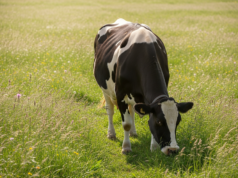
Consider a meadow adjacent to a forest. The cattle in the meadow are grazing, keeping the grass short. The deer at the forest edge are browsing, nipping at the young saplings. Both are herbivores, but their ecological roles are distinct.
Browsing Versus Defoliation: A Different Scale of Impact
Another important distinction to make is between browsing and defoliation. While both involve the removal of leaves, the scale, selectivity, and agents involved are typically very different.
- Browsing:
- Nature: Generally selective and gradual. A browser might eat a few leaves here, a twig there, moving through an area.
- Agents: Primarily large mammalian herbivores.
- Impact: Often localized, contributing to the overall shaping of plant form and community structure over time.
- Defoliation:
- Nature: Often widespread and rapid, involving the removal of a significant portion, or even all, of a plant’s leaves.
- Agents: Commonly insect outbreaks (e.g., caterpillars, beetles), but can also be caused by diseases or extreme weather.
- Impact: Can lead to severe stress or death for affected plants, especially if repeated, and can dramatically alter forest appearance in a short period.
To illustrate this difference, imagine a single deer nibbling on a few leaves versus an entire swarm of caterpillars stripping a tree bare. The former is browsing, the latter is defoliation.
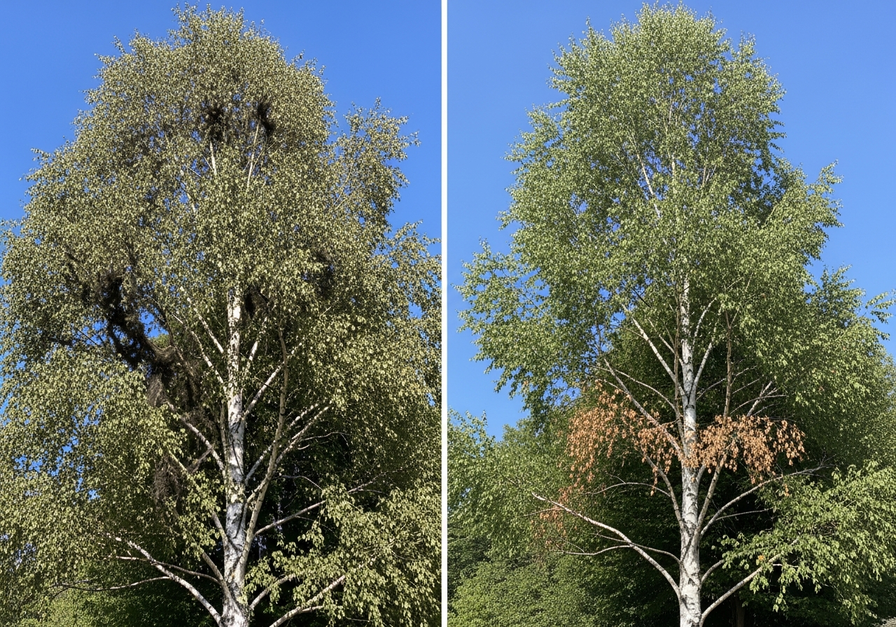
This split-screen image visually differentiates browsing from defoliation. The left side shows a birch tree completely stripped of leaves by caterpillars, while the right side illustrates selective leaf removal by a deer, highlighting the distinct processes and their impacts.
The Ecological Architects: How Browsing Shapes Ecosystems
Beyond simply providing food for animals, browsing acts as a powerful ecological force, influencing everything from plant evolution to landscape structure. Its effects are far-reaching and complex, making browsers true architects of their environments.
Shaping Plant Communities and Forest Structure
Browsing is a primary driver of plant community composition. By selectively consuming certain species or individuals, browsers can:
- Favor Resistant Species: Plants that are unpalatable, toxic, or have strong physical defenses (like thorns) are often left untouched, allowing them to thrive and dominate.
- Reduce Dominance: Highly palatable species, if browsed heavily, may struggle to regenerate, preventing them from becoming overly dominant.
- Create Gaps and Openings: Intense browsing can prevent the establishment of dense understories, creating open areas within forests. This allows more light to reach the forest floor, benefiting shade-intolerant plants and increasing overall biodiversity.
- Influence Tree Regeneration: Young saplings are particularly vulnerable to browsing. The presence or absence of browsing pressure can determine which tree species successfully grow into the canopy.
The visual impact of browsing on forest structure can be dramatic, as seen when comparing browsed and unbrowsed areas.
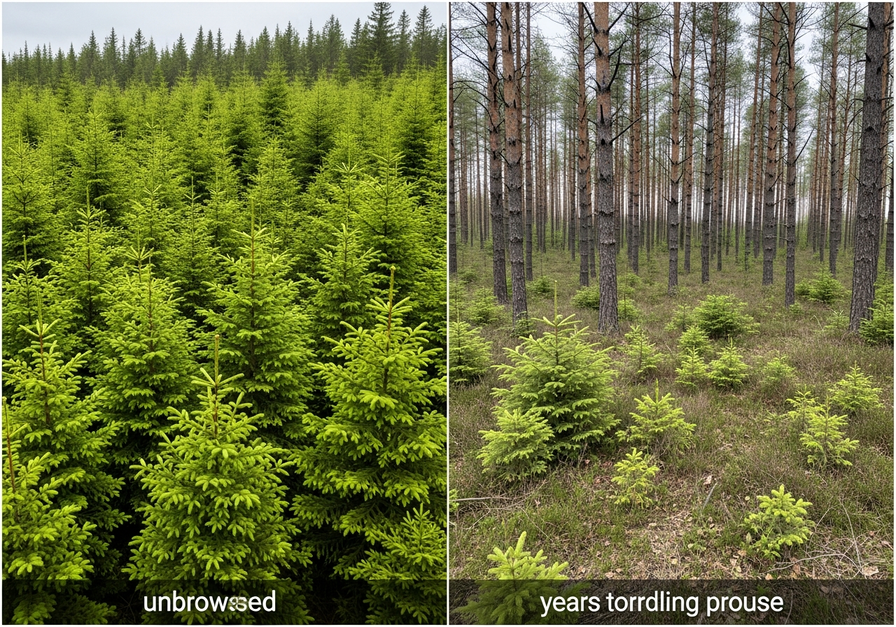
This split-screen image illustrates the ecological role of browsing in shaping vegetation structure. The contrast between the dense, unbrowsed spruce stand on the left and the gappy, stunted, heavily browsed area on the right clearly shows how browsing maintains open woodland structure and influences plant community composition.
Beyond Structure: Other Ecological Roles
- Nutrient Cycling: Browsers consume plant biomass and return nutrients to the soil through their waste products, contributing to nutrient redistribution within the ecosystem.
- Seed Dispersal: While not their primary role, some seeds may pass through a browser’s digestive tract unharmed and be dispersed to new locations, aiding plant propagation.
- Habitat Creation: By altering vegetation structure, browsers can create diverse microhabitats that benefit other species, such as birds that prefer open understories or insects that thrive in specific plant communities.
- Evolutionary Pressure: The constant pressure from browsing has driven the evolution of a vast array of plant defenses, from chemical compounds to physical deterrents, leading to greater biodiversity.
The Delicate Balance: Consequences of Imbalanced Browsing
Like many natural processes, browsing operates within a delicate balance. When this balance is disrupted, either by too little or too much browsing, the consequences for ecosystems can be severe.
Under-browsing: When Browsers are Absent or Scarce
In areas where browser populations are low or absent, perhaps due to habitat loss or overhunting, the ecosystem can suffer from a lack of natural disturbance. This can lead to:
- Dense Understories: Without browsing pressure, palatable saplings and shrubs can grow unchecked, forming dense thickets that outcompete other plants.
- Reduced Biodiversity: A lack of structural diversity can lead to a decrease in species richness, as specialized habitats disappear.
- Increased Fire Risk: Accumulation of woody biomass can create fuel ladders, increasing the intensity and frequency of wildfires.
- Forest Stagnation: Without the selective pressure of browsing, forest regeneration patterns can become uniform, reducing resilience to disease or climate change.
Over-browsing: When Browsers are Too Numerous
Conversely, when browser populations become too high, often due to a lack of natural predators or abundant food resources, the impact can be devastating:
- Forest Degradation: Young trees are repeatedly eaten back, preventing them from reaching maturity. This can lead to a lack of forest regeneration and an aging, declining forest.
- Shift to Unpalatable Species: Browsers will consume all palatable plants, leaving only those that are toxic or physically defended. This can drastically alter the plant community, creating a “browse line” where all vegetation below a certain height is gone.
- Soil Erosion: Loss of vegetation cover, especially in the understory, can expose soil to wind and rain, leading to erosion and nutrient loss.
- Reduced Wildlife Habitat: The simplification of vegetation structure can negatively impact other wildlife species that rely on diverse plant communities for food and shelter.
- Economic Impacts: Over-browsing can damage commercial timber operations and agricultural crops.
Managing Browsing for Healthy Ecosystems
Given the profound influence of browsing, effective wildlife and land management often involves understanding and, where necessary, managing browser populations. This can include:
- Population Monitoring: Regularly assessing browser numbers to ensure they are within the carrying capacity of the ecosystem.
- Habitat Restoration: Creating diverse habitats that can support a balanced browser population and a resilient plant community.
- Predator Reintroduction: In some cases, reintroducing natural predators can help regulate browser numbers.
- Exclosures: Using fences or other barriers to protect specific areas or young plants from browsing pressure, allowing them to regenerate.
- Sustainable Hunting: Regulated hunting can be a tool to manage browser populations and maintain ecological balance.
Conclusion: Browsing, a Force of Nature’s Design
Browsing is far more than just animals eating plants. It is a fundamental ecological process, a dynamic interaction that shapes landscapes, drives evolution, and maintains biodiversity. From the gentle nibble of a deer to the widespread impact on forest structure, browsers are integral to the health and complexity of many ecosystems.
Understanding browsing allows us to appreciate the intricate connections within nature and provides crucial insights for conservation and land management. By recognizing the delicate balance required, we can work towards fostering environments where both browsers and the plants they consume can thrive, ensuring the continued vitality of our natural world.