Imagine soaring high above the Earth, observing the vast tapestry of life below. From the steamy depths of a tropical rainforest to the icy expanses of the tundra, our planet is a mosaic of distinct environments, each teeming with unique life forms adapted to their surroundings. These grand ecological divisions are what scientists call biomes.
Understanding biomes is fundamental to comprehending the intricate web of life on Earth. They are not merely geographical regions but dynamic systems where climate, geology, and biology intertwine to create specific conditions that dictate which plants and animals can thrive. This article will journey through the fascinating world of biomes, exploring their definitions, major types, and profound ecological significance.
What Defines a Biome?
At its core, a biome is a large ecological area characterized by its dominant plant and animal life, which are primarily determined by climate. While an ecosystem can be as small as a pond, a biome encompasses vast regions sharing similar climatic conditions and, consequently, similar types of flora and fauna.
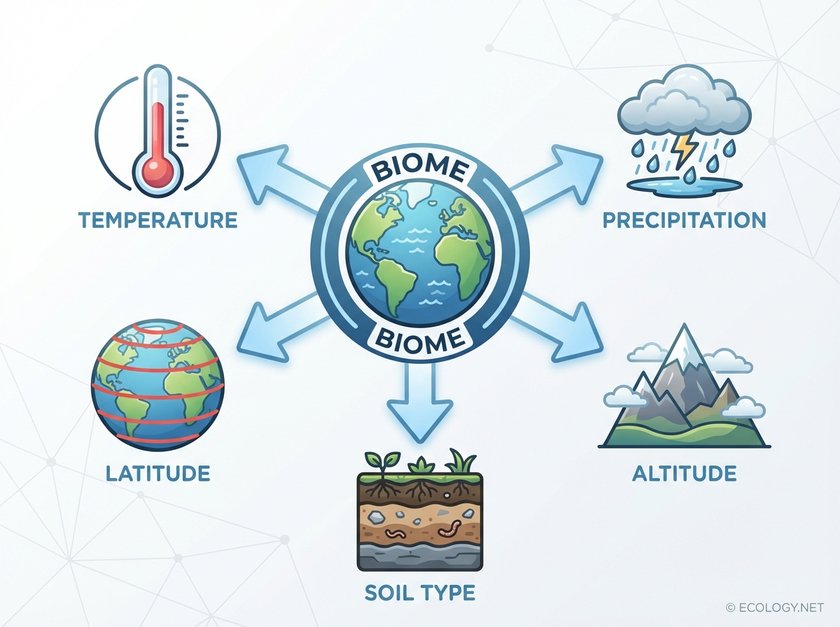
Several key environmental factors act as the architects of these global ecosystems, shaping the very essence of a biome:
- Temperature: The average annual temperature and its seasonal variations are crucial. Some biomes, like tropical rainforests, experience consistently warm temperatures, while others, such as the tundra, endure extreme cold.
- Precipitation: The amount of rainfall, snowfall, or other forms of moisture an area receives is equally vital. Deserts are defined by their scarcity of water, whereas lush forests require abundant precipitation.
- Latitude: A location’s distance from the equator significantly influences its climate. Areas closer to the equator generally receive more direct sunlight, leading to warmer temperatures and often higher precipitation, fostering biomes like tropical rainforests.
- Altitude: As elevation increases, temperatures typically decrease, and atmospheric pressure changes. This means that climbing a tall mountain can be like traveling through different biomes, from temperate forests at the base to alpine tundra near the summit.
- Soil Type: The composition and fertility of the soil play a critical role in determining what types of plants can grow, which in turn influences the animal life present. Rich, nutrient-dense soils support different vegetation than sandy or rocky soils.
These factors do not act in isolation but interact in complex ways to create the unique environmental fingerprint of each biome.
The Major Biomes: A Global Overview
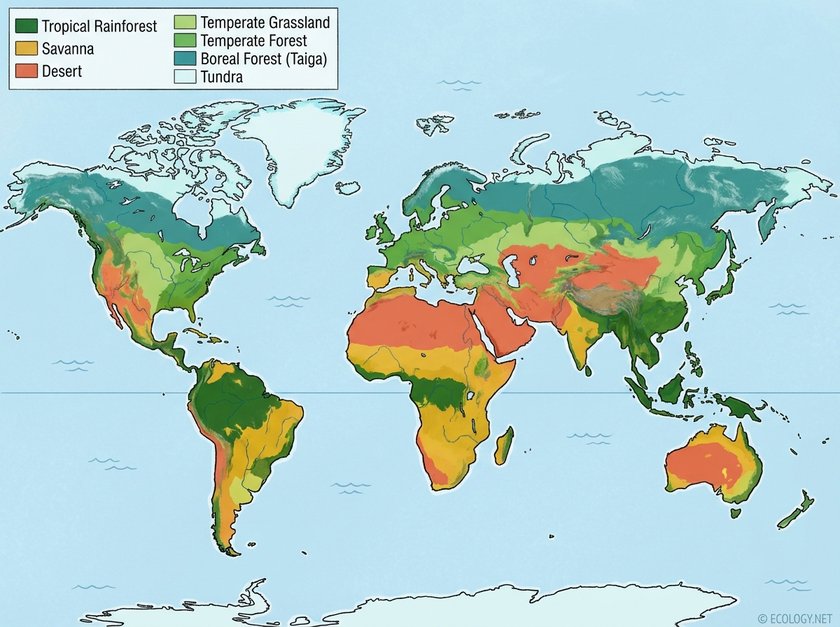
While the exact classification can vary, ecologists generally recognize several major terrestrial biomes, each with distinct characteristics and inhabitants. Let us explore some of the most prominent ones.
Tropical Rainforest
These are Earth’s most biodiverse terrestrial biomes, found near the equator. Characterized by high annual temperatures and abundant rainfall, tropical rainforests boast an incredible array of plant and animal species. Towering trees form a dense canopy, creating multiple layers of vegetation, from the forest floor to the emergent layer. Examples include the Amazon Rainforest in South America and the Congo Rainforest in Africa. Life here is incredibly specialized, with species like jaguars, sloths, and countless insect species thriving in this humid environment.
Savanna
Often found adjacent to tropical rainforests, savannas are grasslands with scattered trees. They experience distinct wet and dry seasons. The vegetation is dominated by grasses, which support large herds of grazing animals like zebras, wildebeest, and giraffes, along with their predators such as lions and cheetahs. African savannas are perhaps the most iconic examples.
Desert
Deserts are defined by their extreme aridity, receiving very little precipitation. They can be hot, like the Sahara Desert, or cold, like the Gobi Desert. Life in the desert is highly adapted to conserve water and withstand extreme temperatures. Cacti, succulents, and drought-resistant shrubs are common plants, while animals like camels, fennec foxes, and various reptiles have evolved remarkable survival strategies.
Temperate Grassland
These biomes are found in the middle latitudes, characterized by moderate rainfall, hot summers, and cold winters. Dominated by grasses, temperate grasslands include the North American prairies, the Eurasian steppes, and the South American pampas. Historically, they supported vast herds of bison and wild horses, and today are often converted for agriculture due to their fertile soils.
Temperate Forest
Temperate forests experience distinct seasons, with warm summers and cold winters, and moderate to high precipitation distributed throughout the year. Deciduous trees, which shed their leaves in autumn, are characteristic of these biomes, such as oak, maple, and beech. Animals like deer, bears, and various bird species are common. These forests are found across much of eastern North America, Europe, and parts of Asia.
Boreal Forest (Taiga)
The boreal forest, or taiga, is the largest terrestrial biome, stretching across vast northern latitudes in North America, Europe, and Asia. It is characterized by long, cold winters and short, mild summers. Coniferous trees, such as spruce, fir, and pine, dominate the landscape, adapted to withstand the cold and snow. Animals like moose, bears, wolves, and lynx are well-suited to this harsh environment.
Tundra
The tundra is Earth’s coldest biome, found in the Arctic regions and at high altitudes (alpine tundra). It features permafrost, a permanently frozen layer of soil beneath the surface, which prevents the growth of deep-rooted trees. Vegetation consists of low-growing shrubs, mosses, lichens, and grasses. Animals like caribou, arctic foxes, polar bears, and lemmings are adapted to its extreme conditions.
Beyond the Basics: Ecotones and Aquatic Worlds
While we often categorize biomes into distinct types, nature rarely adheres to rigid boundaries. The real world is far more fluid and interconnected.
Ecotones: Where Biomes Meet
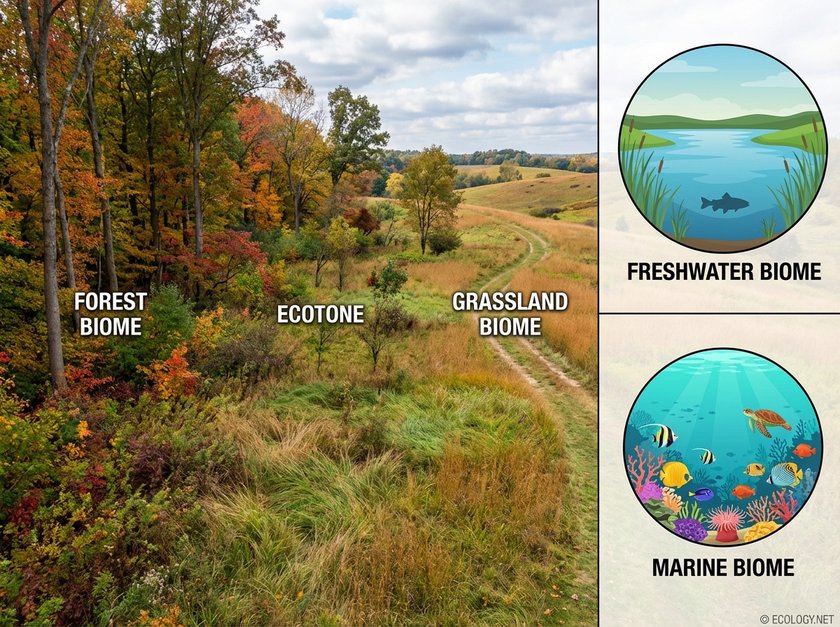
An ecotone is a transitional zone between two different biomes or ecosystems. These areas are often characterized by a rich diversity of species from both adjacent biomes, as well as unique species adapted to the transitional conditions. For example, the edge where a forest gradually gives way to a grassland is an ecotone. These zones are incredibly important for biodiversity and ecological resilience, acting as natural corridors and buffers.
Aquatic Biomes: The Watery Realms
Beyond the terrestrial landscapes, a vast and equally diverse world exists beneath the surface of Earth’s waters. Aquatic biomes are categorized primarily by their salinity, depth, and water flow.
Freshwater Biomes
These include lakes, ponds, rivers, streams, and wetlands. They are vital sources of drinking water and support a wide array of life. Lakes and ponds are standing bodies of water, while rivers and streams are flowing. Wetlands, such as marshes and swamps, are areas where the land is saturated with water, providing critical habitats and filtering pollutants.
Marine Biomes
Covering about 70 percent of Earth’s surface, marine biomes encompass oceans, coral reefs, and estuaries. The vast ocean is divided into zones based on depth and light penetration, each supporting different communities of organisms, from microscopic plankton to colossal whales. Coral reefs, often called the “rainforests of the sea,” are incredibly biodiverse ecosystems found in warm, shallow waters. Estuaries are unique transitional zones where freshwater rivers meet the saltwater ocean, creating brackish environments that are crucial nurseries for many marine species.
Why Biomes Matter: Ecological Significance and Human Impact
Biomes are more than just interesting geographical classifications; they are the fundamental units of Earth’s life support system. Their ecological significance is profound:
- Biodiversity Hotspots: Many biomes, particularly tropical rainforests and coral reefs, are home to an extraordinary concentration of species, contributing immensely to global biodiversity.
- Ecosystem Services: Biomes provide invaluable services to humanity, often without us realizing it. Forests regulate climate, produce oxygen, and filter water. Wetlands purify water and prevent floods. Oceans regulate global temperatures and provide food.
- Climate Regulation: Different biomes play distinct roles in the global carbon cycle and climate regulation. Forests absorb carbon dioxide, while oceans act as massive carbon sinks.
Unfortunately, human activities are profoundly impacting biomes worldwide. Deforestation, urbanization, pollution, and climate change are altering the delicate balance of these natural systems. The conversion of temperate grasslands for agriculture, the destruction of rainforests for logging or cattle ranching, and the degradation of coral reefs due to ocean warming and acidification are just a few examples of the pressures biomes face.
Understanding biomes is the first step towards appreciating their value and recognizing the urgent need for conservation. Protecting these vast ecological regions is not just about saving individual species; it is about preserving the intricate processes that sustain all life on Earth, including our own.
Conclusion
From the scorching sands of the desert to the vibrant depths of the coral reef, biomes represent the grand tapestry of life on our planet. They are shaped by the powerful forces of climate and geography, giving rise to unique communities of plants and animals perfectly adapted to their environments. By exploring the characteristics of each major biome, we gain a deeper appreciation for Earth’s incredible diversity and the interconnectedness of all living things.
As stewards of this planet, recognizing the importance of biomes and the threats they face empowers us to make informed decisions for their protection. Our collective future depends on the health and resilience of these magnificent natural wonders.