Water, the very essence of life, covers over 70% of our planet. From the vast oceans to the meandering rivers, the serene lakes to the hidden groundwater reservoirs, these aquatic environments are vital for every living organism. Yet, this precious resource faces an insidious threat: water pollution. Understanding water pollution is not just an academic exercise; it is crucial for safeguarding the health of our planet and ourselves.
What Exactly is Water Pollution?
At its core, water pollution occurs when harmful substances, chemicals, or microorganisms contaminate a body of water, degrading its quality and rendering it toxic to humans or the environment. This contamination can come from a myriad of sources, transforming pristine waters into hazardous zones. It is a complex issue, often invisible to the naked eye, but its consequences ripple through entire ecosystems.
The Two Main Culprits: Point Source and Nonpoint Source Pollution
To effectively combat water pollution, it is essential to understand where it originates. Scientists generally categorize pollution sources into two main types:
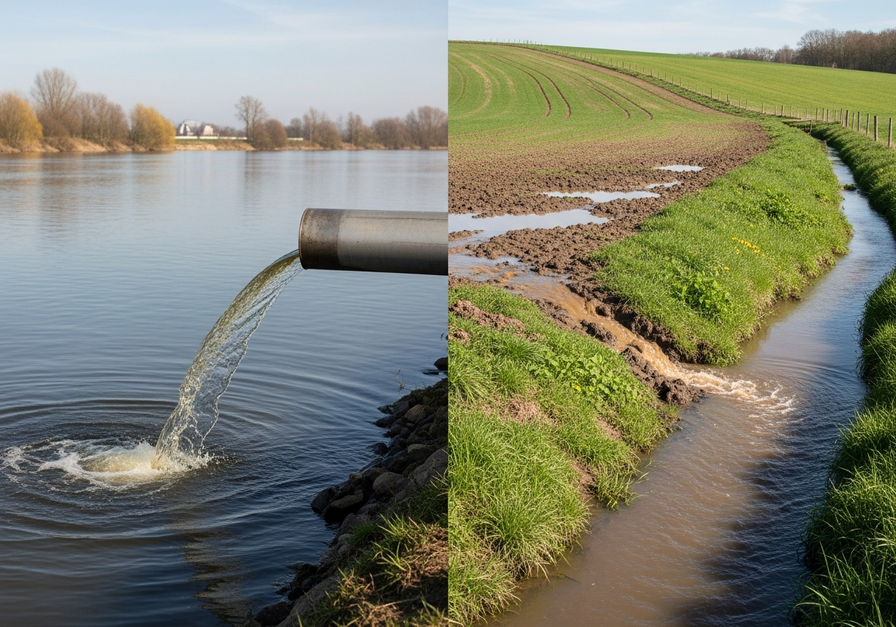
- Point Source Pollution: This refers to contamination that comes from a single, identifiable source. Think of a pipe discharging industrial waste directly into a river, or a ditch carrying runoff from a specific factory. These sources are relatively easy to pinpoint and regulate because their origin is clear.
- Nonpoint Source Pollution: This is far more diffuse and challenging to control. It arises from multiple, widespread sources and cannot be traced to a single point of origin. Examples include agricultural runoff carrying fertilizers and pesticides from vast fields, urban stormwater washing oil and debris from streets, or atmospheric deposition of pollutants settling into water bodies.
The distinction between these two types is critical for developing effective prevention and mitigation strategies.
A Deeper Dive: Common Types of Water Pollutants
Water pollution is not a monolithic problem; it encompasses a wide array of contaminants, each with its own unique impact.
- Nutrient Pollution: The Overfeeding of Water Bodies
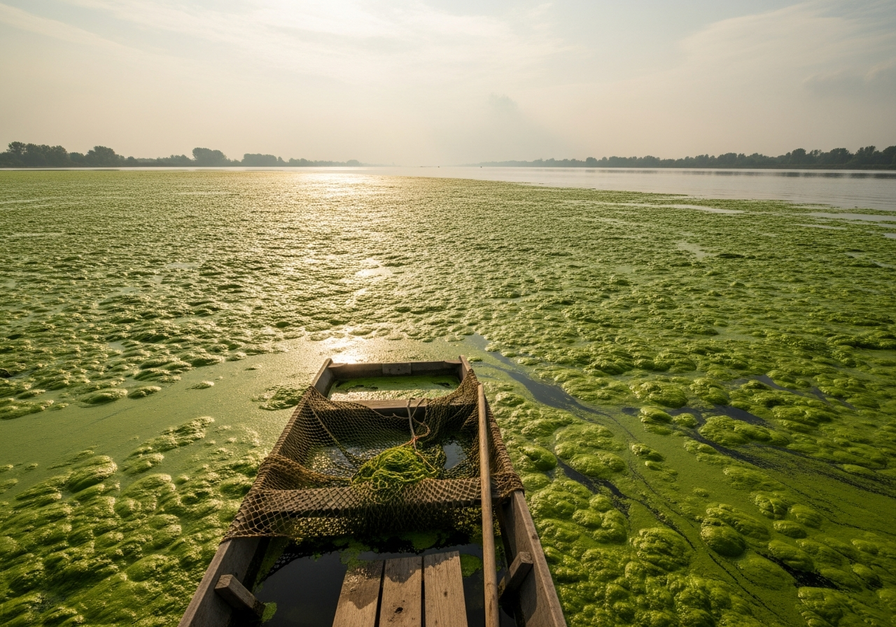
This type of pollution is primarily caused by an excess of nutrients, particularly nitrogen and phosphorus, entering water systems. These nutrients often come from agricultural fertilizers, livestock waste, and inadequately treated sewage. While nutrients are essential for life, too much of a good thing can be disastrous.When excessive nutrients enter lakes, rivers, or coastal waters, they act as a super-fertilizer for algae and aquatic plants. This leads to rapid and uncontrolled growth known as an algal bloom. These blooms can be vibrant green, red, or brown, often blanketing the water’s surface.
While alive, the algae block sunlight from reaching submerged vegetation, killing it off. When the massive algal bloom eventually dies, bacteria decompose the organic matter, consuming vast amounts of dissolved oxygen in the process. This creates dead zones, areas where oxygen levels are so low that most aquatic life, like fish and shellfish, cannot survive. The result is a barren underwater landscape, devoid of the biodiversity it once supported.
- Chemical Pollution: The Invisible Threat
Industrial discharges, agricultural runoff, and even household products introduce a vast array of chemicals into our water. These can include heavy metals (like lead, mercury, and cadmium), pesticides, herbicides, industrial solvents, and pharmaceuticals. Many of these chemicals are toxic, persistent in the environment, and can accumulate in the food chain, posing serious risks to both wildlife and human health. - Pathogen Pollution: The Unseen Invaders
Pathogens are disease-causing microorganisms such as bacteria, viruses, and parasites. They typically enter water bodies through untreated sewage, agricultural runoff containing animal waste, or failing septic systems. Contaminated water can lead to outbreaks of serious illnesses like cholera, typhoid, dysentery, and giardiasis, making safe drinking water a critical public health concern. - Sediment Pollution: The Muddled Waters
Erosion from construction sites, agricultural fields, deforested areas, and urban development can wash large amounts of soil and sediment into rivers and lakes. This makes the water murky, reducing light penetration and harming aquatic plants. Sediment can also smother fish eggs, clog the gills of fish, and fill in important aquatic habitats. - Thermal Pollution: The Heat is On
This less obvious form of pollution occurs when industries, particularly power plants, discharge heated water into natural water bodies. While it might seem benign, increased water temperatures can reduce dissolved oxygen levels, stress aquatic organisms, alter their metabolic rates, and disrupt delicate ecosystem balances. - Plastic Pollution: The Persistent Problem
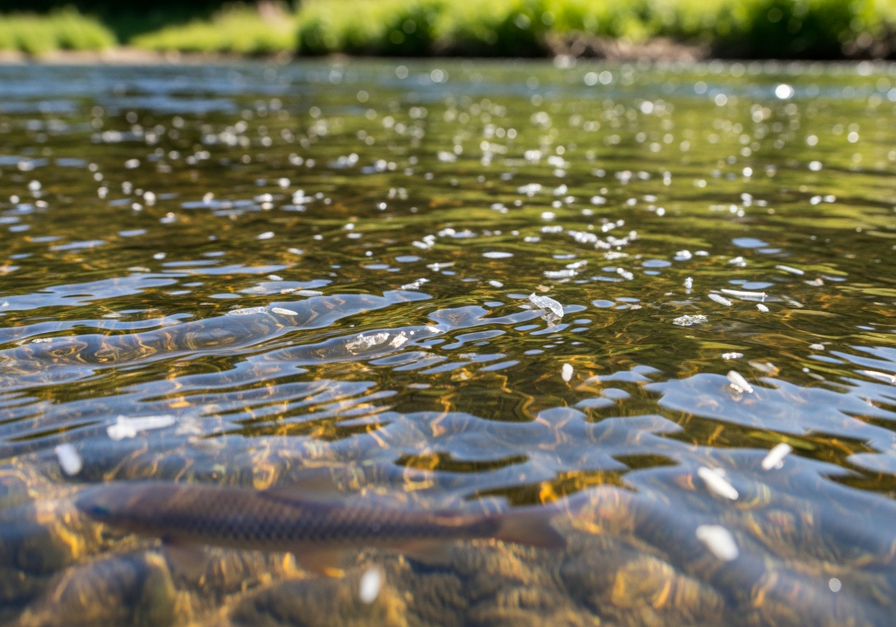
From discarded plastic bottles to fishing nets, plastic waste is a pervasive pollutant. Plastics do not biodegrade; instead, they break down into smaller and smaller pieces called microplastics. These tiny fragments, often less than 5 millimeters in size, are ubiquitous in freshwater and marine environments.Microplastics are ingested by a wide range of aquatic organisms, from zooplankton to fish, and can transfer up the food chain. Their long-term effects on ecosystems and human health are still being researched, but concerns include physical harm to organisms, transfer of toxins, and potential impacts on human consumption of seafood.
The Ripple Effect: Impacts of Water Pollution
The consequences of water pollution are far-reaching, affecting every aspect of life on Earth.
Environmental Impacts
- Ecosystem Disruption and Biodiversity Loss: Pollutants can kill aquatic organisms directly, destroy habitats, and alter food webs. For example, dead zones caused by nutrient pollution decimate fish populations, impacting predators and scavengers alike.
- Habitat Degradation: Sedimentation can bury coral reefs and seagrass beds, vital nurseries for marine life. Chemical pollution can render areas uninhabitable for sensitive species.
- Food Chain Contamination: Persistent pollutants, like heavy metals and certain organic chemicals, can bioaccumulate in organisms and biomagnify up the food chain. This means that as larger animals consume smaller contaminated ones, the concentration of toxins increases, posing a threat to top predators, including humans.
Human Health Impacts
- Drinking Water Contamination: Polluted water sources can directly lead to unsafe drinking water, causing a range of illnesses from gastrointestinal diseases to long-term health problems associated with chemical exposure.
- Food Safety Concerns: Consuming fish or shellfish from polluted waters can expose humans to accumulated toxins, heavy metals, and microplastics.
- Recreational Hazards: Swimming or engaging in other water sports in polluted waters can lead to skin rashes, infections, and other health issues.
Economic Impacts
- Fisheries and Aquaculture: Pollution can devastate fish stocks, leading to economic losses for fishing communities and industries.
- Tourism and Recreation: Polluted beaches, lakes, and rivers deter tourists, impacting local economies reliant on these attractions.
- Water Treatment Costs: Contaminated water requires extensive and expensive treatment processes to make it safe for consumption, increasing costs for municipalities and consumers.
- Agricultural Losses: Polluted water can harm crops if used for irrigation, or sicken livestock, leading to reduced yields and economic hardship for farmers.
Tackling the Tide: Solutions and Prevention
Addressing water pollution requires a multi-faceted approach involving governments, industries, communities, and individuals.
Regulatory Measures and Policy
- Stronger Laws and Enforcement: Implementing and enforcing strict regulations on industrial discharges, agricultural runoff, and wastewater treatment is fundamental.
- Water Quality Standards: Establishing clear standards for various pollutants helps monitor and manage water quality effectively.
- International Cooperation: Many water bodies cross national borders, necessitating international agreements and collaborative efforts to manage shared resources.
Technological Solutions
- Advanced Wastewater Treatment: Modern wastewater treatment plants can remove a wide range of pollutants, including nutrients, pathogens, and some chemicals, before water is discharged.
- Green Infrastructure: Solutions like rain gardens, permeable pavements, and constructed wetlands can help manage stormwater runoff, filtering pollutants naturally before they reach water bodies.
- Industrial Pre-treatment: Industries can implement technologies to treat their wastewater on-site before discharging it into municipal systems or natural waters.
Individual and Community Actions
- Reduce, Reuse, Recycle: Minimizing waste, especially plastics, reduces the likelihood of it entering water systems.
- Proper Disposal: Never pour chemicals, pharmaceuticals, or oils down drains or on the ground. Dispose of hazardous waste responsibly.
- Water Conservation: Using less water reduces the amount of wastewater that needs to be treated.
- Support Sustainable Practices: Choose products that are environmentally friendly and support businesses committed to reducing their environmental footprint.
- Educate and Advocate: Spreading awareness and advocating for stronger environmental policies can drive significant change.
Agricultural Best Practices
- Nutrient Management: Implementing precision agriculture techniques, soil testing, and timing fertilizer application can reduce nutrient runoff.
- Erosion Control: Practices like cover cropping, no-till farming, and riparian buffers (vegetated strips along waterways) help prevent soil erosion and sediment runoff.
- Integrated Pest Management: Reducing reliance on chemical pesticides and herbicides minimizes their entry into water systems.
A Shared Responsibility for Our Blue Planet
Water pollution is a global challenge with local impacts, affecting every corner of our planet and every living being. From the microscopic world of microplastics to the vast devastation of dead zones, the problem is complex and multifaceted. However, understanding its causes and consequences empowers us to act. By embracing sustainable practices, supporting robust policies, and fostering a collective sense of responsibility, we can work towards cleaner, healthier waters for all. The future of our blue planet, and indeed our own well-being, depends on the choices we make today to protect this most vital resource.