Forests are more than just collections of trees; they are vast, intricate ecosystems known as forest biomes, covering approximately one-third of the Earth’s land surface. These incredible natural systems are defined by their dominant tree vegetation and the unique climatic conditions that shape them. From the steamy, vibrant tropics to the cold, resilient northern latitudes, each forest biome is a world unto itself, teeming with life and playing a critical role in the planet’s health.
Understanding forest biomes is essential for appreciating the diversity of life on Earth and recognizing the profound impact these ecosystems have on global climate, water cycles, and human well-being. They are not merely green spaces but dynamic, interconnected webs of life where every organism, from the smallest microbe to the tallest tree, plays a vital part.
What Defines a Forest Biome?
A forest biome is essentially a large geographical area characterized by a prevailing climate that supports a dense growth of trees. The specific type of forest that develops in a region is primarily determined by several key environmental factors:
- Climate: Temperature and precipitation are the most influential factors. Different biomes require specific ranges of warmth and rainfall.
- Soil: The composition, nutrient content, and drainage of the soil dictate which tree species can thrive.
- Topography: Elevation, slope, and aspect (the direction a slope faces) can influence local climate and soil conditions, affecting forest distribution.
- Sunlight: The amount of available sunlight influences photosynthesis and the growth patterns of plants within the forest layers.
Trees, as the dominant life forms, create the fundamental structure of these biomes. Their canopies intercept sunlight, their roots anchor the soil, and their leaves contribute to nutrient cycling. This structural complexity provides a multitude of habitats for an astonishing array of plants, animals, fungi, and microorganisms, making forests some of the most biodiverse places on Earth.
Exploring Earth’s Major Forest Biomes
While forests exist in many forms, ecologists typically categorize them into several major biomes, each with distinct characteristics and inhabitants. Let us delve into some of the most prominent types.
Tropical Rainforests: Earth’s Green Jewels
Tropical rainforests are arguably the most complex and biodiverse terrestrial ecosystems on the planet. Found near the equator, they are characterized by consistently warm temperatures and abundant rainfall throughout the year, creating an ideal environment for lush, continuous growth.
- Climate: High temperatures (averaging 20-35°C or 68-95°F) and extremely high annual rainfall (often exceeding 2,000 mm or 80 inches).
- Vegetation: Dominated by broadleaf evergreen trees that form a multi-layered canopy. This stratification includes emergent trees, the main canopy, an understory, and a forest floor. Epiphytes, such as orchids and bromeliads, are common, growing on other plants.
- Biodiversity: Home to over half of the world’s plant and animal species, despite covering only about 6% of the Earth’s land surface. Examples include jaguars, monkeys, toucans, sloths, and countless insect species.
- Location: Major rainforests are found in the Amazon Basin (South America), the Congo Basin (Africa), and parts of Southeast Asia (e.g., Borneo, New Guinea).
The constant warmth and moisture allow for rapid decomposition, meaning nutrients are quickly recycled from dead organic matter back into living plants. This rapid cycling supports the incredible density of life found here.

This image showcases the incredible biodiversity and lushness of tropical rainforests, the biome highlighted in the article as the planet’s most diverse terrestrial ecosystem.
Temperate Deciduous Forests: The Rhythms of Seasons
Temperate deciduous forests are a testament to nature’s adaptability, thriving in regions with distinct seasons, including a warm growing season and a cold winter. Their defining characteristic is the annual shedding of leaves by their dominant broadleaf trees.
- Climate: Moderate temperatures with four distinct seasons. Summers are warm and humid, while winters are cold. Precipitation is relatively evenly distributed throughout the year (750-1,500 mm or 30-60 inches).
- Vegetation: Dominated by deciduous trees such as oak, maple, beech, hickory, and elm. These trees lose their leaves in autumn to conserve water and energy during the colder months, leading to spectacular displays of fall foliage.
- Biodiversity: Supports a variety of wildlife, including deer, bears, squirrels, raccoons, and numerous bird species that often migrate seasonally.
- Location: Found in eastern North America, Western and Central Europe, parts of East Asia (e.g., China, Japan), and southeastern Australia.
The annual leaf fall creates a rich layer of organic matter on the forest floor, which decomposes and returns vital nutrients to the soil, supporting a diverse understory of shrubs, herbs, and wildflowers that bloom in spring before the tree canopy fully develops.
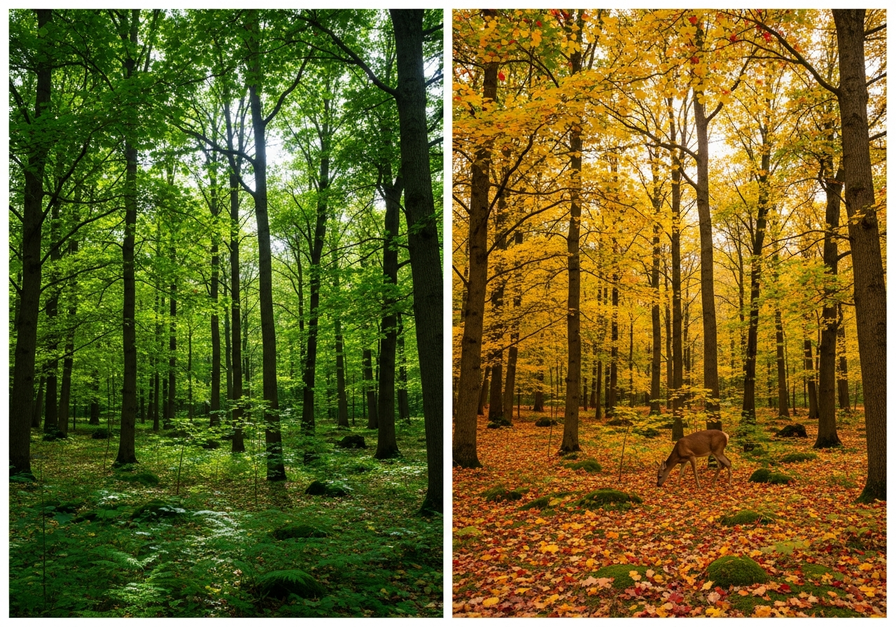
The dual panels illustrate the distinct seasonal changes described in the article’s section on temperate deciduous forests, highlighting how leaf fall shapes the ecosystem’s structure.
Boreal Forests (Taiga): The Northern Evergreen Belt
Boreal forests, also known as taiga, form the largest terrestrial biome on Earth, stretching across vast northern latitudes. These forests are characterized by long, cold winters and short, cool summers, making them a challenging environment for life.
- Climate: Extremely cold winters (often below -20°C or -4°F) and short, mild summers. Precipitation is relatively low (300-850 mm or 12-33 inches), often falling as snow.
- Vegetation: Dominated by coniferous evergreen trees, primarily spruce, fir, and pine. Their needle-like leaves and conical shape are adaptations to shed snow and conserve water during freezing temperatures. Deciduous trees like birch and aspen are also present, especially in disturbed areas.
- Biodiversity: Wildlife includes large mammals adapted to cold, such as moose, bears, wolves, lynx, and various species of birds, many of which migrate.
- Location: Spans across Canada, Alaska, Scandinavia, and Russia.
The cold temperatures slow down decomposition, leading to a thick layer of acidic needle litter on the forest floor. This, combined with the short growing season, results in less species diversity compared to tropical or temperate forests, but the sheer scale of the taiga makes it globally significant.
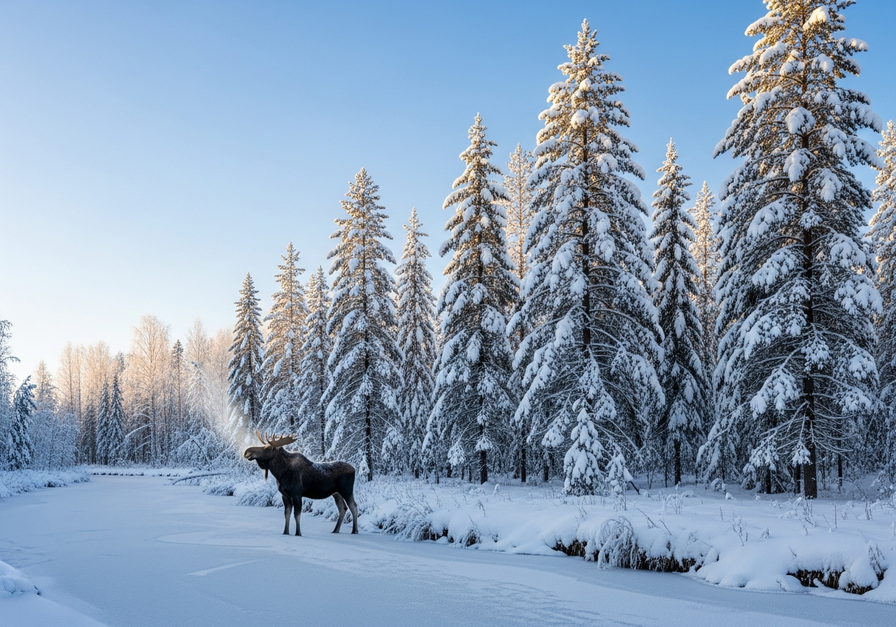
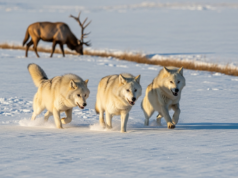
This image captures the harsh, cold environment of boreal forests, emphasizing the conifer dominance and wildlife that the article identifies as characteristic of the taiga biome.
The Profound Ecological Importance of Forest Biomes
Beyond their intrinsic beauty, forest biomes provide an astonishing array of ecological services that are fundamental to the functioning of the planet and the survival of countless species, including humans.
Biodiversity Hotspots
Forests are unparalleled reservoirs of biodiversity. They provide habitat, food, and shelter for an immense variety of life forms, from microscopic organisms in the soil to apex predators. The structural complexity of forests, with their multiple layers of vegetation, creates numerous niches that allow diverse species to coexist.
Climate Regulation
Forests are crucial in regulating Earth’s climate. They act as massive “carbon sinks,” absorbing vast amounts of carbon dioxide (CO2) from the atmosphere during photosynthesis and storing it in their biomass (wood, leaves, roots) and in the soil. This process helps to mitigate climate change by reducing greenhouse gas concentrations. Additionally, forests release oxygen, essential for most life on Earth.
Water Cycle Management
Forests play a pivotal role in the global water cycle. Through a process called transpiration, trees release water vapor into the atmosphere, contributing to cloud formation and rainfall. Their canopies intercept rainfall, reducing erosion, and their root systems help water infiltrate the soil, recharging groundwater supplies and regulating stream flow. This prevents floods and maintains water quality.
Soil Health and Stability
The dense network of tree roots stabilizes soil, preventing erosion by wind and water. The constant input of organic matter from falling leaves, branches, and dead organisms enriches the soil, providing essential nutrients and supporting a healthy soil microbiome. This fertile soil is vital for plant growth and overall ecosystem productivity.
Human Benefits and Resources
Humans rely on forest biomes for a multitude of resources and services. These include timber for construction and fuel, medicinal plants, food (fruits, nuts, mushrooms), and raw materials for various industries. Forests also offer immense recreational opportunities, such as hiking, camping, and wildlife observation, contributing to human health and well-being. Furthermore, many indigenous cultures have deep spiritual and cultural connections to forest ecosystems.
Threats and Conservation: Protecting Our Forest Biomes
Despite their immense value, forest biomes worldwide face significant threats, largely driven by human activities. Understanding these challenges is the first step towards effective conservation.
Major Threats to Forest Biomes:
- Deforestation: The clearing of forests for agriculture (cattle ranching, soy plantations, palm oil), logging, mining, and urban development is the most significant threat. This leads to habitat loss, species extinction, increased CO2 emissions, and soil degradation.
- Climate Change: Rising global temperatures can alter forest distributions, increase the frequency and intensity of wildfires, exacerbate pest outbreaks, and lead to drought stress, particularly in already vulnerable areas.
- Pollution: Acid rain, air pollution, and water contamination can damage trees, reduce forest health, and disrupt ecological processes.
- Invasive Species: Non-native plants, insects, and diseases can outcompete native species, disrupt food webs, and cause widespread tree mortality.
Conservation Efforts and Solutions:
Protecting forest biomes requires a multi-faceted approach involving local, national, and international efforts.
- Sustainable Forest Management: Practices that ensure forests are managed to meet the needs of the present without compromising the ability of future generations to meet their own needs. This includes selective logging, reforestation, and certification programs.
- Protected Areas: Establishing national parks, wildlife reserves, and other protected areas helps to safeguard critical forest habitats and their biodiversity.
- Reforestation and Afforestation: Planting new trees in deforested areas (reforestation) or on land that has not historically been forested (afforestation) helps restore forest cover and carbon sequestration capacity.
- Policy and Legislation: Strong environmental laws, international agreements, and enforcement are crucial for regulating deforestation, promoting sustainable land use, and combating illegal logging.
- Community Involvement: Engaging local communities and indigenous peoples in conservation efforts is vital, as their traditional knowledge and stewardship are often key to successful forest protection.
- Consumer Choices: Supporting products from sustainably managed forests and reducing consumption that drives deforestation (e.g., unsustainable palm oil, beef) can make a difference.
The future of forest biomes, and indeed the planet, depends on our collective commitment to their protection and restoration. By understanding their complexity and appreciating their invaluable contributions, we can work towards a future where these magnificent ecosystems continue to thrive.
Conclusion
Forest biomes are extraordinary natural wonders, each a unique tapestry of life shaped by climate and geography. From the unparalleled biodiversity of tropical rainforests to the seasonal drama of temperate deciduous forests and the resilient beauty of the boreal taiga, these ecosystems are indispensable. They regulate our climate, purify our water, enrich our soils, and provide homes for countless species, including our own.
As stewards of this planet, recognizing the intricate value of forest biomes is paramount. Their health is inextricably linked to our own, and by championing their conservation, we ensure a vibrant, stable, and life-sustaining world for generations to come. The continued existence of these green giants is not just an ecological imperative, but a testament to the enduring power and beauty of nature.