Imagine an archway, grand and sturdy. At its very top, there is a single, central stone that holds the entire structure together. Remove that one stone, and the entire arch collapses. In the intricate architecture of nature, certain species play a remarkably similar role. These are known as keystone species, and their presence or absence can dramatically reshape an entire ecosystem.
The concept of a keystone species was first introduced by zoologist Robert Paine in 1969, after his groundbreaking research on the rocky intertidal zones of the Pacific Northwest. He observed that when a particular starfish species, Pisaster ochraceus, was removed from its habitat, the diversity of other species plummeted. This revelation highlighted that not all species are equal in their ecological impact; some exert an influence far greater than their abundance might suggest.
What Makes a Species a “Keystone”?
A keystone species is defined by its disproportionately large effect on its natural environment relative to its abundance. Unlike dominant species, which are abundant and have a large impact simply due to their numbers, keystone species are often not the most numerous. Their importance stems from their unique ecological role, which can include:
- Controlling populations of other species.
- Creating or modifying habitats.
- Providing critical food sources.
- Facilitating nutrient cycling.
The removal of a keystone species can trigger a cascade of negative effects, leading to a significant decline in biodiversity or even the collapse of an entire ecosystem. Understanding these vital players is crucial for effective conservation and maintaining the health of our planet.
Diverse Roles: Types of Keystone Species
Keystone species come in many forms, each playing a distinct and essential role in their respective ecosystems. Let us explore some of the most recognized categories.
Predator Keystone Species
These species keep the populations of herbivores or other predators in check, preventing any single species from dominating and overgrazing or overpopulating. Their regulatory effect allows for a greater diversity of plant and animal life to thrive.
The Sea Otter: Guardian of the Kelp Forests
One of the most classic examples of a predator keystone species is the sea otter (Enhydra lutris). These charismatic marine mammals have a voracious appetite for sea urchins. Without sea otters, sea urchin populations can explode, leading to what are known as “urchin barrens.” Urchins graze heavily on kelp, and an unchecked population can decimate vast kelp forests, which are vital habitats for countless other marine species.
By controlling urchin numbers, sea otters ensure the health and abundance of kelp forests, which in turn support a rich tapestry of marine life, from fish and invertebrates to seals and sea lions. Their presence is a testament to the power of a single species in maintaining an entire underwater world.
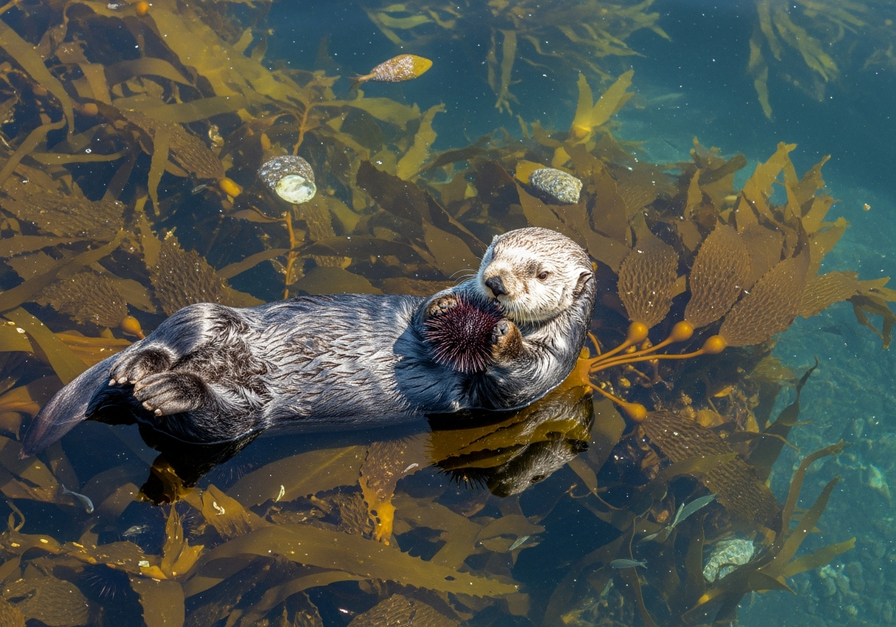
This image illustrates the predator keystone species example from the article, highlighting how sea otters keep sea urchin numbers in check, thereby preserving the kelp forest ecosystem.
Wolves: Reshaping Yellowstone’s Landscape
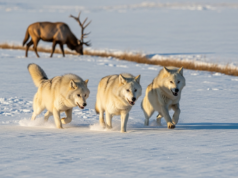
Another compelling example of a predator keystone species is the gray wolf (Canis lupus) in Yellowstone National Park. After their reintroduction in 1995, wolves began to regulate the park’s elk population. Before the wolves, elk had overgrazed riparian vegetation, leading to erosion and a decline in beaver populations and songbirds.
With the return of the wolves, elk behavior changed. They avoided certain areas, allowing willow and aspen trees to recover. This recovery stabilized riverbanks, created more shade, cooled water temperatures, and provided habitat for beavers, fish, and birds. The wolves’ presence initiated a trophic cascade, a powerful ripple effect that transformed the entire ecosystem.
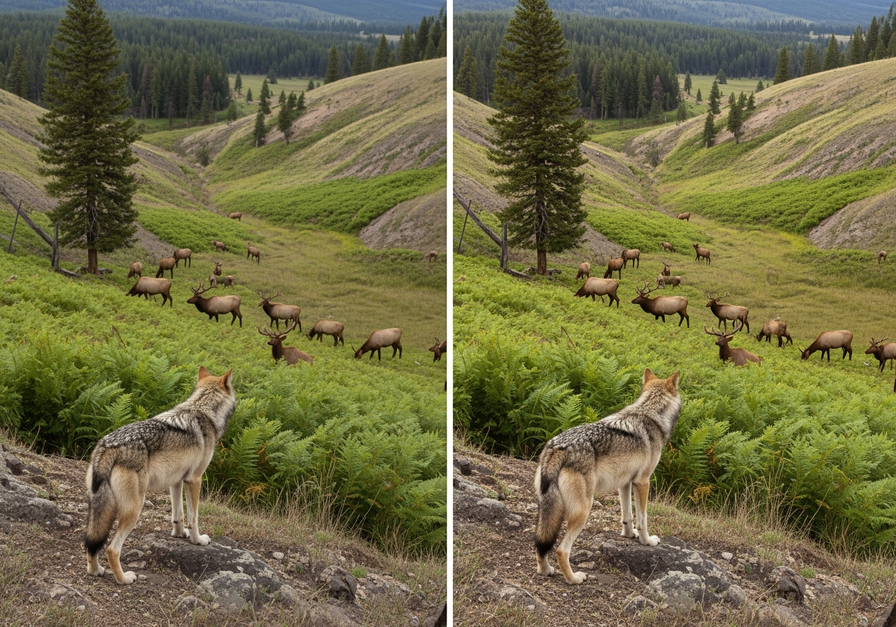
This image demonstrates the trophic cascade described in the article, showing how the presence or absence of a top predator like the gray wolf dramatically alters vegetation and herbivore dynamics.
Engineer Keystone Species
These species physically modify their environment, creating, maintaining, or destroying habitats that are essential for many other species. Their actions literally shape the landscape.
Beavers: Nature’s Architects
Beavers (Castor canadensis) are quintessential engineer keystone species. By felling trees and building dams, they transform flowing rivers and streams into ponds and wetlands. These beaver ponds create diverse habitats for a multitude of species, including fish, amphibians, insects, birds, and other mammals. The wetlands also help filter water, recharge groundwater, and mitigate floods and droughts.
The intricate network of ponds and channels created by beavers increases biodiversity significantly, providing crucial resources and shelter for species that would not otherwise thrive in a purely riverine environment. Their industrious work supports entire aquatic and riparian communities.
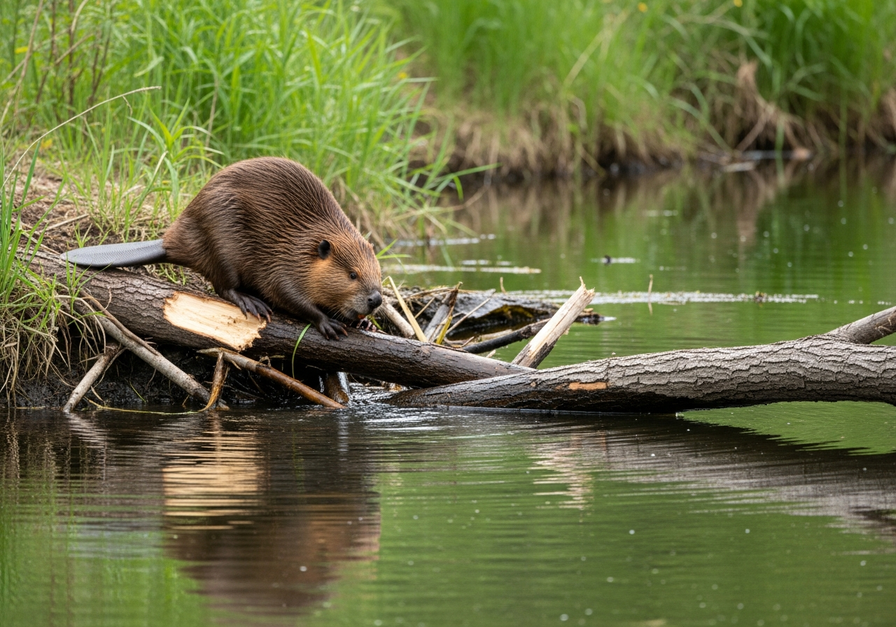
This image visualizes the engineer keystone species example from the article, emphasizing how beavers modify their environment to benefit a wide range of other species.
Other Keystone Roles
While predators and engineers are prominent, keystone species can also fulfill other critical functions:
- Mutualist Keystone Species: These species engage in symbiotic relationships that are crucial for the survival of many others. For example, certain pollinators or seed dispersers might be keystone mutualists if their absence leads to the collapse of plant communities.
- Prey Keystone Species: Though less common, a species that serves as a primary food source for a large number of predators might be considered a keystone prey species if its removal leads to a widespread decline in predator populations.
- Host Keystone Species: Certain plants, like the saguaro cactus, can provide critical habitat and resources for a vast array of desert animals, making them a keystone host.
The Ripple Effect: Trophic Cascades and Ecosystem Health
The concept of a keystone species is intimately linked with trophic cascades. A trophic cascade occurs when changes at one trophic level (e.g., top predators) propagate through the food web, affecting multiple other trophic levels. The reintroduction of wolves in Yellowstone is a prime example of a top-down trophic cascade.
The wolves, as apex predators, reduced elk populations. This reduction in herbivores allowed vegetation to recover, which in turn provided more food and habitat for smaller animals, insects, and birds. The increased vegetation also stabilized riverbanks, leading to healthier aquatic ecosystems. This demonstrates how the influence of a keystone species is not isolated but reverberates throughout the entire food web, shaping the structure and function of the ecosystem.
Understanding these cascades is vital because it reveals the interconnectedness of nature. Removing a keystone species is not just about losing one animal or plant; it is about unraveling the very fabric of an ecosystem.
Identifying and Protecting Keystone Species
Identifying keystone species can be challenging. It often requires long-term ecological studies and experimental manipulations, such as the removal experiments conducted by Robert Paine. Scientists look for species whose impact on the ecosystem is disproportionately large compared to their biomass or abundance. This often involves analyzing food webs, observing behavioral patterns, and tracking population dynamics.
The protection of keystone species is a cornerstone of modern conservation efforts. Because their loss can trigger widespread ecological collapse, conserving these species offers a highly effective strategy for preserving overall biodiversity and ecosystem health. Conservation initiatives often focus on:
- Protecting their habitats.
- Managing their populations.
- Reintroducing them into areas where they have been extirpated.
For instance, efforts to protect sea otters have been instrumental in restoring kelp forests along the Pacific coast, and wolf reintroduction programs have revitalized ecosystems in several regions.
The Enduring Significance of Keystone Species
The concept of keystone species offers a powerful lens through which to view the complexity and fragility of natural ecosystems. It teaches us that every species has a role, but some roles are undeniably more critical than others for maintaining the balance and resilience of life on Earth.
From the mighty wolf to the industrious beaver and the unassuming sea otter, these species remind us that the health of our planet is a delicate balance, often held together by a few pivotal players. Recognizing and protecting these ecological linchpins is not just about saving a single species; it is about safeguarding the intricate web of life that sustains us all.