
Step into almost any ecosystem on Earth, from the deepest oceans to the highest mountain peaks, and a hidden world of intricate biological interactions unfolds. Among the most widespread, yet often overlooked, of these relationships is parasitism. Far from being merely a biological oddity, parasitism is a fundamental force shaping life, driving evolution, and influencing the very fabric of biodiversity. It is a story of intimate connections, cunning adaptations, and a relentless evolutionary arms race that has played out for billions of years.
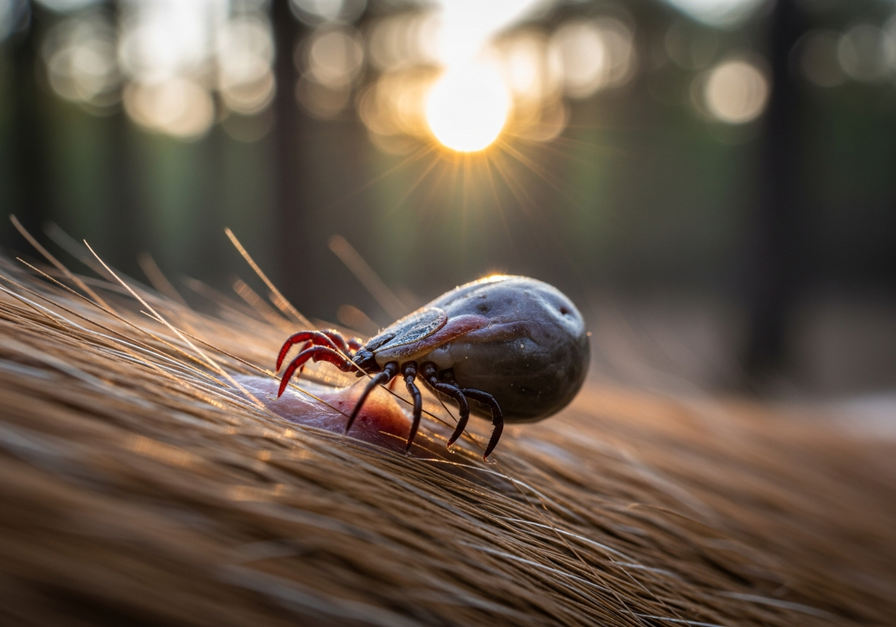
Imagine a world where one organism lives within or on another, drawing sustenance, shelter, and even reproductive advantage, all at the expense of its unwitting benefactor. This is the world of parasites and their hosts, a dynamic partnership that is both fascinating and profoundly impactful. Understanding parasitism is not just about identifying pests or diseases; it is about grasping a core principle of life’s interconnectedness.
What Exactly is Parasitism? The Basics of a Biological Bond
At its core, parasitism describes a non-mutual symbiotic relationship between species, where one organism, the parasite, lives on or in another organism, the host, causing it some harm, and is metabolically dependent on it. The key distinction from predation is that a parasite typically does not kill its host immediately, or even at all. Instead, it aims for a long-term association, often weakening the host, reducing its fitness, or making it more vulnerable to other threats.
Think of it as a biological landlord and tenant relationship, but one where the tenant never pays rent and slowly drains the landlord’s resources. The parasite benefits by obtaining nutrients, shelter, and a stable environment, while the host suffers a cost, which can range from mild irritation to severe disease or even death over time.
The Cast of Characters: Parasites and Hosts
- The Parasite: Generally smaller than its host, parasites are often highly specialized organisms. They have evolved unique adaptations to locate, attach to, enter, and exploit their hosts, while simultaneously evading the host’s defenses. Their reproductive rates are typically very high, a necessary strategy to overcome the challenges of transmission from one host to another.
- The Host: The host provides the parasite with everything it needs to survive and reproduce. This includes nutrients, a stable internal environment, and protection from external threats. Hosts are not passive victims; they have evolved a wide array of defenses to detect, resist, and eliminate parasites. The interaction between parasite and host is a constant evolutionary struggle, often described as an “arms race.”
A Spectrum of Strategies: Types of Parasites
Parasitism is not a monolithic concept; it encompasses an incredible diversity of life forms and lifestyles. Ecologists categorize parasites in various ways to better understand their biology and ecological roles.
By Location: Where Do They Live?
- Ectoparasites: These parasites live on the external surface of their host. They are often visible and easily observed, though their impact can be profound.
- Examples:
- Fleas and Ticks: Common on mammals and birds, these blood-feeding arthropods cause irritation, transmit diseases, and can lead to anemia in heavy infestations.
- Lice: Highly host-specific insects that cling to hair or feathers, feeding on skin, blood, or secretions.
- Leeches: Aquatic worms that attach to the skin of vertebrates to feed on blood.
- Lampreys: Primitive fish that attach to other fish with their sucker-like mouths, rasping away flesh and feeding on blood and body fluids.
- Examples:
- Endoparasites: These parasites live inside the host’s body. Their internal existence often requires complex adaptations to survive the host’s immune system and internal environment.
- Examples:
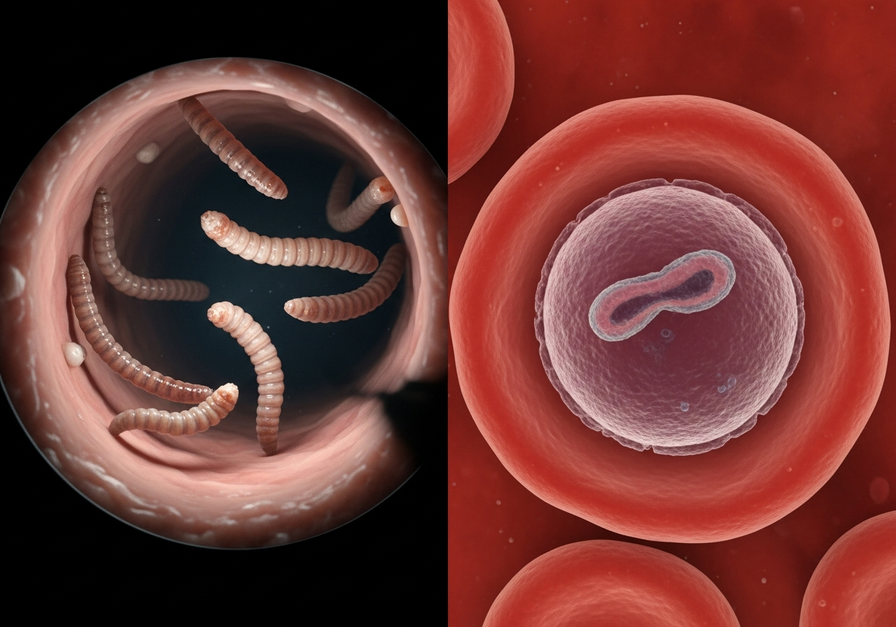
- Tapeworms (Cestodes): Flat, segmented worms that live in the intestines of vertebrates, absorbing nutrients directly through their body surface.
- Flukes (Trematodes): Leaf-shaped worms that can inhabit various organs, including the liver, lungs, or blood vessels.
- Roundworms (Nematodes): A vast group, many of which are endoparasites, found in virtually all host tissues. Examples include Ascaris in human intestines or heartworms in dogs.
- Malaria Parasites (Plasmodium species): Microscopic protozoa that infect red blood cells and liver cells in humans, transmitted by mosquitoes.
- Viruses and Bacteria: Many pathogenic viruses and bacteria are essentially endoparasites at a cellular level, hijacking host cell machinery for their own replication.
- Examples:
By Dependency: How Much Do They Need the Host?
- Obligate Parasites: These parasites cannot complete their life cycle without a host. They are entirely dependent on their host for survival and reproduction.
- Examples: All viruses are obligate intracellular parasites. Most tapeworms and the malaria parasite are also obligate.
- Facultative Parasites: These organisms can live independently but will parasitise a host if the opportunity arises. They are more flexible in their lifestyle.
- Examples: Some fungi that can grow freely in soil but can also cause infections in weakened hosts. Certain nematodes can survive as free-living organisms but may also parasitise plants or animals.
By Life Cycle: How Do They Get Around?
- Direct Life Cycle: Parasites with a direct life cycle require only one host species to complete their development. Transmission often occurs through direct contact or ingestion of infective stages.
- Examples: Pinworms in humans, lice on animals.
- Indirect Life Cycle: These parasites require two or more different host species to complete their life cycle. These hosts are typically categorized as:
- Intermediate Host: An organism in which the parasite undergoes larval development or asexual reproduction.
- Definitive Host: An organism in which the parasite reaches sexual maturity and reproduces.
- Examples:
- Tapeworms: A human (definitive host) might ingest undercooked pork containing larval tapeworms (intermediate host: pig).
- Malaria: Mosquitoes are the definitive hosts where sexual reproduction occurs, while humans are intermediate hosts where asexual reproduction takes place.
- Vector-borne Parasites: A specific type of indirect life cycle where the parasite is transmitted between hosts by another organism, known as a vector.
- Examples: Mosquitoes transmit malaria, ticks transmit the bacteria causing Lyme disease, tsetse flies transmit trypanosomes causing sleeping sickness.
The Art of Survival: Parasite Adaptations
Parasites are evolutionary marvels, having developed an astonishing array of adaptations to overcome the challenges of their lifestyle. Their success lies in their ability to find a host, establish themselves, reproduce, and transmit to new hosts, all while evading host defenses.
- Morphological Adaptations:
- Attachment Structures: Hooks, suckers, clamps, and adhesive glands allow parasites to firmly anchor themselves to or within their host, resisting expulsion. Tapeworms, for instance, have a scolex armed with suckers and hooks.
- Reduced Sensory Organs: Many endoparasites live in stable, dark environments, so they have reduced or lost complex sensory organs like eyes, as they are unnecessary.
- Simplified Digestive Systems: Intestinal parasites often absorb pre-digested nutrients directly from the host’s gut, leading to a reduction or complete loss of their own digestive system.
- Physiological Adaptations:
- Anaerobic Respiration: Many endoparasites thrive in low-oxygen environments, such as the host’s gut, and have evolved metabolic pathways that do not require oxygen.
- Enzyme Resistance: Intestinal parasites produce enzymes or protective cuticles that shield them from the host’s digestive enzymes.
- Immune Evasion: This is perhaps the most critical adaptation. Parasites employ various strategies to avoid detection and destruction by the host’s immune system. These include:
- Antigenic Variation: Rapidly changing their surface proteins to stay one step ahead of the host’s immune response (e.g., trypanosomes).
- Molecular Mimicry: Displaying molecules on their surface that resemble host molecules, making them appear “self” to the immune system.
- Cyst Formation: Encapsulating themselves in protective cysts within host tissues, becoming dormant and hidden.
- Immunosuppression: Actively suppressing or modulating the host’s immune response to their advantage.
- Reproductive Adaptations:
- High Fecundity: Parasites often produce an enormous number of offspring to compensate for the high mortality rates associated with transmission. A single tapeworm can produce millions of eggs.
- Complex Life Cycles: Involving multiple hosts and different developmental stages, these cycles increase the chances of successful transmission and exploitation of diverse resources.
- Asexual Reproduction: Many parasites can reproduce asexually within an intermediate host, rapidly increasing their numbers before transmission to the definitive host.
- Behavioral Adaptations (Host Manipulation):
- Some parasites can subtly or dramatically alter the behavior of their hosts to increase their own chances of transmission. This is one of the most astonishing aspects of parasitism.
- Examples:
- Toxoplasma gondii: This protozoan, which completes its life cycle in cats, infects rodents. Infected rodents lose their innate fear of cat odors, making them more likely to be preyed upon and thus facilitating the parasite’s return to its definitive host.
- Dicrocoelium dendriticum (Lancet Liver Fluke): This fluke infects ants as an intermediate host. Infected ants are compelled to climb to the top of grass blades in the evening, where they clamp on with their mandibles, making them more likely to be eaten by grazing definitive hosts like sheep or cattle.
- Hairworms (Nematomorpha): These parasites develop inside insects like crickets. When mature, they manipulate the cricket to seek out water and drown itself, allowing the adult worm to emerge and reproduce.
- Examples:
- Some parasites can subtly or dramatically alter the behavior of their hosts to increase their own chances of transmission. This is one of the most astonishing aspects of parasitism.
The Host’s Defense: Counter-Adaptations
Hosts are not passive victims in this evolutionary drama. They have evolved sophisticated defense mechanisms to combat parasitic invaders, leading to a continuous co-evolutionary arms race.
- Immune Responses:
- Innate Immunity: Non-specific defenses like physical barriers (skin, mucous membranes), phagocytic cells (macrophages), and inflammatory responses.
- Adaptive Immunity: Highly specific responses involving antibodies and specialized immune cells (T cells, B cells) that target and remember specific parasites.
- Behavioral Defenses:
- Grooming and Preening: Many animals meticulously clean themselves to remove ectoparasites like fleas and ticks.
- Avoiding Infected Areas: Some animals learn to avoid habitats or individuals known to harbor parasites.
- Self-Medication: Certain animals, like chimpanzees, have been observed eating specific plants with medicinal properties to rid themselves of intestinal parasites.
- Altering Social Behavior: Infected individuals may be ostracized or avoid social contact to prevent transmission.
- Physiological Defenses:
- Encapsulation: In invertebrates, parasites can be walled off by host cells, forming a protective capsule that isolates and often kills the invader.
- Fever: An elevated body temperature can inhibit parasite growth and enhance immune responses.
- Tissue Repair: Hosts can repair damage caused by parasites, limiting their impact.
- Genetic Resistance:
- Populations of hosts can evolve genetic resistance to specific parasites. For example, some human populations have evolved resistance to malaria due to genetic traits like sickle cell anemia (though this comes with its own costs). This highlights the ongoing co-evolutionary dynamic.
Beyond the Obvious: Ecological Roles and Broader Impacts
Parasitism is far more than just a nuisance or a cause of disease. It is a powerful ecological force that shapes populations, communities, and entire ecosystems.
Regulating Populations
Parasites can act as natural population control agents, preventing host populations from growing unchecked. By weakening hosts, reducing their reproductive success, or increasing their mortality, parasites can keep host numbers within sustainable limits. This can prevent overgrazing or overexploitation of resources by the host species.
Example: The introduction of the Myxoma virus to control rabbit populations in Australia in the 1950s dramatically reduced rabbit numbers, demonstrating the profound impact parasites can have on host populations. Over time, both rabbits evolved resistance and the virus evolved to be less virulent, illustrating the co-evolutionary dance.
Driving Biodiversity
The constant evolutionary arms race between hosts and parasites, often referred to as the “Red Queen Hypothesis” (running as fast as you can just to stay in the same place), is a significant driver of genetic diversity. Hosts must continually evolve new defenses, and parasites must evolve new ways to overcome them. This dynamic prevents either side from achieving complete dominance and promotes genetic variation within both populations.
Parasites can also promote biodiversity by preventing competitive exclusion. If a dominant host species is heavily parasitized, its competitive advantage might be reduced, allowing other, less competitive species to thrive. This can lead to a more diverse community structure.
Food Web Dynamics
Parasites are often overlooked components of food webs, yet they can represent a significant portion of an ecosystem’s biomass and can alter energy flow. When a parasite manipulates its host’s behavior, it can change the likelihood of that host being eaten by a predator, effectively redirecting energy through the food web. For example, a parasite making a prey animal more conspicuous to a predator facilitates the transfer of parasite biomass up the food chain.
Ecosystem Engineers
Through host manipulation, parasites can indirectly act as “ecosystem engineers,” altering the physical or biological environment. For instance, parasites that castrate their hosts can free up resources that would otherwise be used for reproduction, potentially making those resources available to other species or altering the host’s behavior in ways that impact its environment.
The Cutting Edge: Advanced Concepts in Parasitology
For those whose curiosity extends beyond the basics, the world of parasitism offers even more intricate and sometimes unsettling concepts.
Parasitoidism: The Ultimate Sacrifice
While true parasites typically do not kill their hosts, parasitoids are a specialized group that always do. A parasitoid larva develops inside or on a host, eventually consuming and killing it before emerging as a free-living adult. This strategy is intermediate between true parasitism and predation.
Example: Many species of wasps, particularly ichneumon and braconid wasps, are parasitoids. An adult wasp lays its eggs inside a caterpillar or other insect larva. The developing wasp larvae then slowly consume the host from the inside out, eventually killing it. Parasitoids are highly valued in biological control programs for agricultural pests.
Kleptoparasitism: Stealing a Living
Kleptoparasitism involves one animal stealing food or other resources that another animal has caught, collected, or prepared. While not strictly biological parasitism in the host-parasite sense, it is an ecological interaction where one organism benefits at the direct expense of another’s effort.
Example: Frigatebirds are notorious kleptoparasites, harassing other seabirds like boobies until they drop their freshly caught fish, which the frigatebird then snatches. Hyenas are also known to kleptoparasitize lions, stealing their kills.
Brood Parasitism: The Cuckoo’s Trick
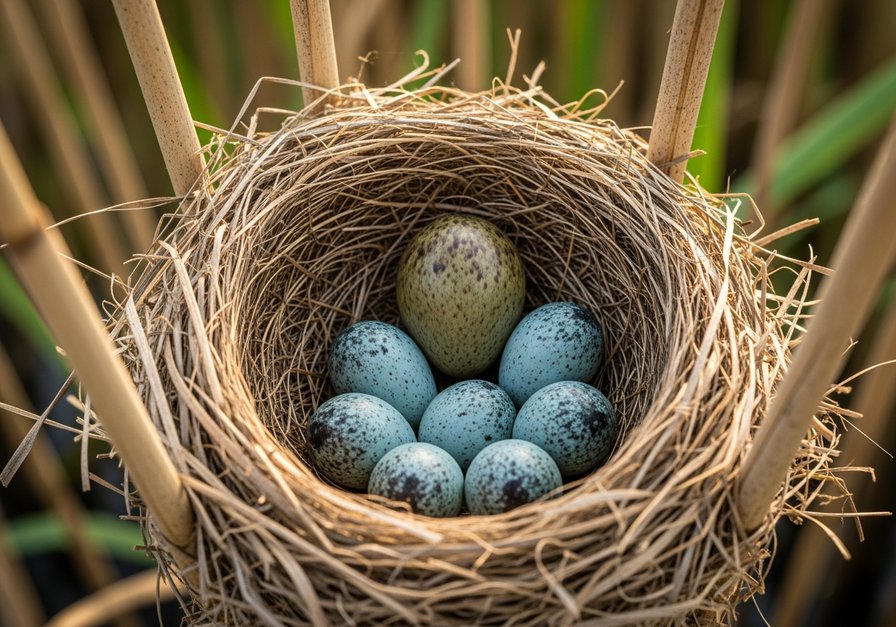
Brood parasitism is a fascinating reproductive strategy where one species lays its eggs in the nest of another species, relying on the host parents to incubate the eggs and raise the young. The brood parasite gains a reproductive advantage by avoiding the costs of parental care.
Example: Cuckoos are the most famous brood parasites. Female cuckoos often lay eggs that mimic the size, shape, and color of the host’s eggs. Once hatched, the cuckoo chick may evict the host’s own eggs or chicks, ensuring it receives all the parental care. Brown-headed cowbirds in North America also employ this strategy, parasitizing the nests of many different bird species.
Hyperparasitism: Parasites of Parasites
The ecological web becomes even more complex with hyperparasitism, where a parasite itself is parasitized by another parasite. This creates multi-level parasitic relationships.
Example: A flea (ectoparasite) lives on a dog (host). Within the flea, protozoa (endoparasites) might live. This is a simple example of hyperparasitism. More complex examples include certain parasitic wasps that lay their eggs inside other parasitic wasps that are already developing inside an aphid. Bacteriophages, viruses that infect bacteria, are also a form of hyperparasitism.
Castrating Parasites: A Host’s Reproductive Downfall
Some parasites specialize in sterilizing their hosts, a strategy known as parasitic castration. By diverting the host’s energy away from reproduction and towards their own growth or survival, these parasites effectively turn the host into a living food factory for themselves.
Example: The barnacle Sacculina parasitizes crabs. It grows inside the crab, forming a root-like system that permeates the host’s body and absorbs nutrients. The infected crab becomes sterile, and its behavior is altered to care for the barnacle’s external reproductive sac as if it were its own brood. Similarly, some trematodes (flukes) castrate snails, leading to increased growth of the snail but no reproduction.
Immunoparasitology and Zoonoses
The study of parasitism has profound implications for human and animal health. Immunoparasitology focuses on the intricate interactions between parasites and the host immune system, seeking to understand how parasites evade defenses and how hosts can be protected. This field is crucial for developing vaccines and treatments for parasitic diseases.
Many parasitic diseases are zoonoses, meaning they can be transmitted from animals to humans. Understanding these pathways is vital for public health. The “One Health” concept emphasizes the interconnectedness of human, animal, and environmental health, recognizing that parasitic diseases often bridge these domains.
Examples: Toxoplasmosis (from cats to humans), giardiasis (from contaminated water/animals to humans), and many emerging infectious diseases have zoonotic origins, highlighting the importance of studying parasites in their natural animal reservoirs.
Conclusion: The Unseen Architects of Life
Parasitism, in all its varied forms, is a testament to the incredible adaptability and ingenuity of life. From the microscopic viruses that hijack our cells to the elaborate life cycles of tapeworms and the cunning deceptions of brood parasites, these organisms are not just biological curiosities; they are fundamental architects of ecosystems.
They regulate populations, drive evolution, enhance biodiversity, and weave complex threads through the fabric of food webs. Their study offers profound insights into evolutionary biology, ecology, and even human health. So, the next time you encounter a mosquito, a tick, or even just a common cold, remember the vast, hidden world of parasitism at play. It is a world of constant struggle and adaptation, a powerful reminder of the intricate and often surprising ways in which all life on Earth is connected.