Understanding Pollution: When Nature’s Balance is Overwhelmed
Our planet is a marvel of natural systems, constantly working to maintain a delicate balance. From the air we breathe to the water we drink, nature possesses an incredible capacity to process, absorb, and regenerate. However, when human activities introduce substances or energy into the environment at rates or quantities that exceed this natural capacity, a critical threshold is crossed. This is the essence of pollution: a fundamental disruption to the health and stability of our ecosystems.
Pollution is not merely the presence of a substance; it is the presence of a substance in the wrong place, at the wrong time, or in the wrong amount, causing adverse effects. Imagine a sponge that can absorb a certain amount of water. If you pour too much, the sponge becomes saturated, and the excess water spills out, causing a mess. Similarly, ecosystems have a natural ability to “cleanse” themselves, but this ability is finite. Once that limit is surpassed, the consequences become visible and often severe.

The Diverse Faces of Pollution: A Global Challenge
Pollution manifests in many forms, each with its unique characteristics and impacts. While often associated with visible smog or contaminated rivers, pollution can also be invisible, silent, or even luminous. Understanding these different types is crucial for developing effective solutions.
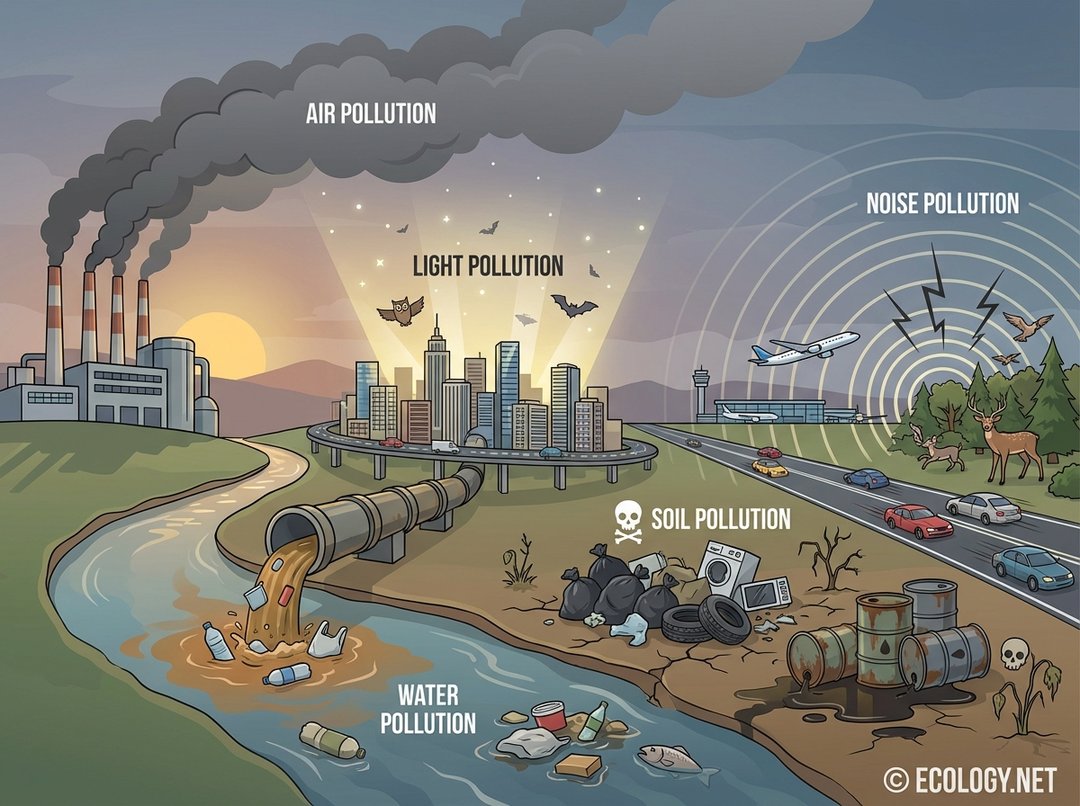
Air Pollution
Air pollution refers to the presence of harmful substances in the atmosphere, often originating from human activities. These can be in the form of gases or particulate matter, significantly altering the natural composition of the air.
- Sources:
- Industrial Emissions: Factories and power plants burning fossil fuels release sulfur dioxide, nitrogen oxides, and particulate matter.
- Vehicle Exhaust: Cars, trucks, and airplanes emit carbon monoxide, nitrogen oxides, hydrocarbons, and lead (historically).
- Agricultural Activities: Ammonia from fertilizers and methane from livestock contribute to air quality issues.
- Residential Heating: Burning wood or coal for heating can release smoke and particulate matter.
- Examples of Impact:
- Smog: A visible haze caused by a mixture of pollutants, particularly ground-level ozone, which irritates respiratory systems.
- Acid Rain: Sulfur dioxide and nitrogen oxides react with water vapor to form sulfuric and nitric acids, damaging forests, aquatic life, and infrastructure.
- Greenhouse Effect: Carbon dioxide, methane, and nitrous oxide trap heat in the atmosphere, contributing to global warming and climate change.
- Respiratory Illnesses: Particulate matter can penetrate deep into the lungs, leading to asthma, bronchitis, and other chronic respiratory diseases.
Water Pollution
Water pollution involves the contamination of water bodies, such as rivers, lakes, oceans, and groundwater, making them unsuitable for their intended uses and harming aquatic ecosystems.
- Sources:
- Industrial Discharge: Untreated or inadequately treated wastewater from factories containing heavy metals, chemicals, and toxins.
- Agricultural Runoff: Excess fertilizers (nitrates, phosphates) and pesticides from farms washing into waterways, causing eutrophication.
- Sewage and Wastewater: Untreated human and animal waste introducing pathogens, nutrients, and organic matter.
- Plastic Waste: Microplastics and larger plastic debris accumulating in oceans, harming marine life.
- Oil Spills: Accidental discharges from tankers or offshore drilling operations, devastating marine environments.
- Examples of Impact:
- Eutrophication: Excessive nutrient enrichment leading to algal blooms, oxygen depletion, and dead zones in aquatic environments.
- Disease Transmission: Contaminated water can spread cholera, typhoid, and dysentery.
- Ecosystem Disruption: Toxins can kill aquatic organisms, disrupt food chains, and destroy habitats like coral reefs.
- Bioaccumulation: Pollutants accumulating in organisms, leading to higher concentrations up the food chain.
Soil Pollution
Soil pollution refers to the degradation of soil quality due to the presence of toxic chemicals, salts, or other harmful substances, reducing its fertility and posing risks to human health and ecosystems.
- Sources:
- Industrial Waste: Improper disposal of industrial byproducts containing heavy metals (lead, mercury, cadmium) and hazardous chemicals.
- Agricultural Practices: Overuse of pesticides, herbicides, and synthetic fertilizers, which can persist in the soil.
- Landfills: Leaching of toxic substances (leachate) from waste dumps into the surrounding soil and groundwater.
- Mining Activities: Release of heavy metals and acidic drainage from mining sites.
- Examples of Impact:
- Reduced Crop Yields: Contaminants can inhibit plant growth and reduce agricultural productivity.
- Food Chain Contamination: Pollutants absorbed by plants can enter the food chain, affecting animals and humans who consume them.
- Loss of Biodiversity: Harmful substances can kill soil microorganisms and invertebrates, disrupting soil ecosystems.
- Groundwater Contamination: Pollutants can seep through the soil into groundwater reserves, affecting drinking water sources.
Noise Pollution
Noise pollution is excessive or unwanted sound that can disrupt human or animal life, causing physiological or psychological harm.
- Sources:
- Transportation: Traffic, aircraft, trains, and construction vehicles.
- Industrial Activities: Machinery and operations in factories.
- Urban Activities: Loud music, public address systems, and general city clamor.
- Examples of Impact:
- Human Health: Hearing loss, sleep disturbances, stress, hypertension, and reduced cognitive performance.
- Wildlife Disruption: Interferes with animal communication, navigation, mating rituals, and predator avoidance, leading to habitat abandonment. For instance, marine noise from sonar can disorient whales.
Light Pollution
Light pollution is the excessive or misdirected artificial light that brightens the night sky, obscuring stars and disrupting natural light cycles.
- Sources:
- Urban Lighting: Streetlights, commercial buildings, sports arenas, and residential outdoor lighting.
- Industrial Facilities: Large-scale outdoor lighting for security and operations.
- Examples of Impact:
- Astronomical Interference: Makes it difficult to observe celestial objects, impacting scientific research and stargazing.
- Ecological Disruption: Alters the behavior of nocturnal animals (insects, birds, bats, sea turtles), affecting migration, foraging, and reproduction. For example, sea turtle hatchlings are disoriented by artificial light, moving away from the ocean.
- Human Health: Disrupts circadian rhythms, potentially leading to sleep disorders and other health issues.
The Silent Spread: How Pollutants Move and Accumulate
Pollutants do not always remain where they are initially released. They can travel vast distances through air and water currents, and critically, they can accumulate within living organisms, posing long-term threats.
Bioaccumulation and Biomagnification
Two key ecological processes describe how pollutants concentrate in biological systems:
- Bioaccumulation: This is the gradual buildup of substances, such as pesticides or other chemicals, in an organism. It occurs when an organism absorbs a toxic substance at a rate faster than it can excrete or metabolize it. Over time, the concentration of the pollutant in the organism’s tissues increases. For example, a fish living in slightly contaminated water might accumulate mercury in its body over its lifetime.
- Biomagnification: This is the increase in concentration of a pollutant as it moves up the food chain. When a predatory organism consumes many prey organisms that have bioaccumulated a pollutant, the pollutant becomes even more concentrated in the predator’s tissues. This process leads to the highest concentrations of toxins being found in top predators.
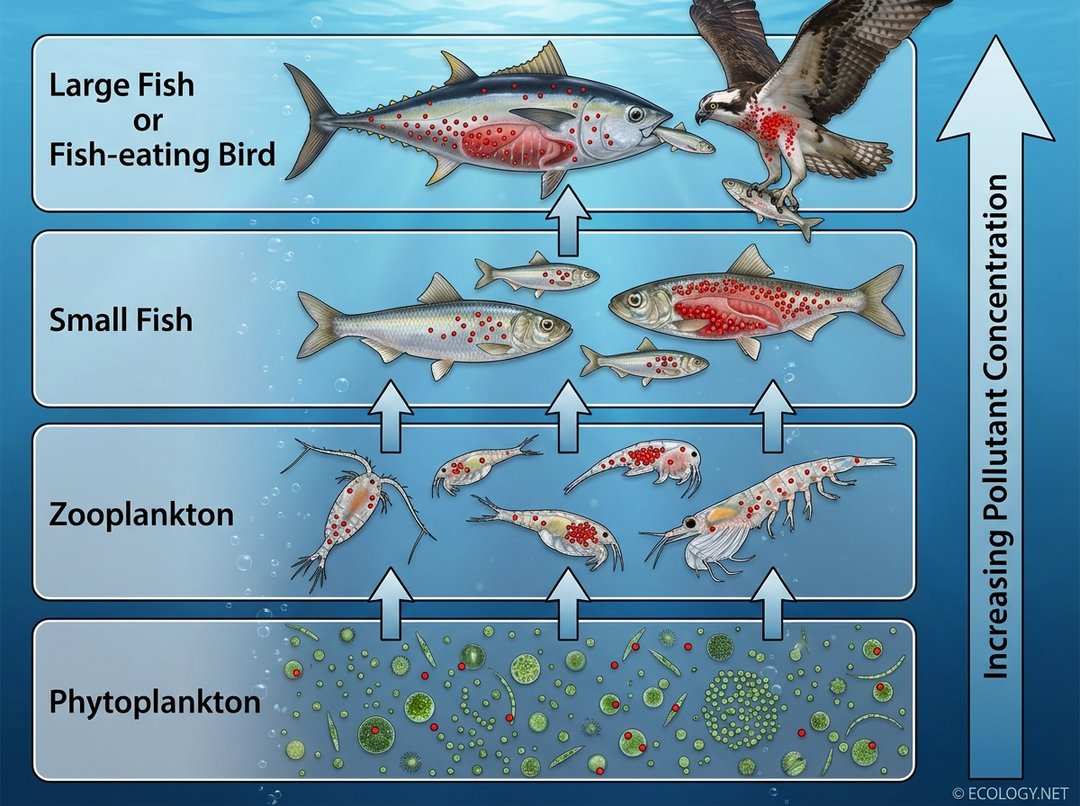
A classic example of biomagnification is the pesticide DDT. After its widespread use in the mid-20th century, DDT entered aquatic ecosystems. Microscopic organisms absorbed small amounts, which were then consumed by small fish. Larger fish ate many small fish, accumulating even higher concentrations. Eventually, fish-eating birds like eagles and ospreys consumed these larger fish, leading to extremely high levels of DDT in their bodies. This caused their eggshells to thin, leading to reproductive failure and a dramatic decline in their populations.
Another pertinent example is mercury. Released into the environment from industrial processes and coal burning, mercury can be converted into methylmercury by bacteria in aquatic environments. This highly toxic form then biomagnifies up the food chain, posing a significant health risk to humans who consume large predatory fish like tuna and swordfish.
Far-Reaching Consequences: The Impact of Pollution
The effects of pollution are pervasive, touching every aspect of life on Earth. They can be broadly categorized into environmental, human health, and economic impacts.
Environmental Impacts
- Ecosystem Degradation: Pollution can destroy habitats, reduce biodiversity, and alter the delicate balance of ecosystems. For instance, oil spills devastate coastal ecosystems, killing birds, marine mammals, and fish.
- Climate Change: Air pollutants, particularly greenhouse gases, trap heat in the atmosphere, leading to global warming, rising sea levels, extreme weather events, and ocean acidification.
- Biodiversity Loss: Contamination of air, water, and soil directly harms species, leading to population declines and extinctions. For example, pesticide runoff can decimate insect populations, which are vital for pollination.
- Resource Depletion: Pollution can render natural resources unusable, such as making freshwater sources unsafe for drinking or agricultural land infertile.
Human Health Impacts
- Respiratory Diseases: Air pollution is a major cause of asthma, bronchitis, emphysema, and lung cancer.
- Cardiovascular Problems: Exposure to fine particulate matter can contribute to heart attacks and strokes.
- Neurological Disorders: Heavy metals like lead and mercury, often found as pollutants, can cause developmental delays in children and neurological damage in adults.
- Cancers: Exposure to certain industrial chemicals and persistent organic pollutants is linked to various forms of cancer.
- Reproductive and Developmental Issues: Some pollutants are endocrine disruptors, interfering with hormonal systems and potentially causing reproductive problems and birth defects.
Economic Impacts
- Healthcare Costs: The burden of pollution-related illnesses places immense strain on healthcare systems.
- Agricultural Losses: Soil and water pollution can reduce crop yields, contaminate food supplies, and harm livestock, leading to economic losses for farmers.
- Tourism Decline: Polluted beaches, waterways, and natural areas deter tourists, impacting local economies reliant on tourism.
- Cleanup and Remediation: Cleaning up polluted sites, such as Superfund sites or oil spills, is incredibly expensive and often takes decades.
- Loss of Ecosystem Services: The degradation of natural systems due to pollution means a loss of vital services they provide, such as clean water filtration, air purification, and flood control, which then require costly artificial replacements.
Tackling Pollution: Solutions and Strategies
Addressing pollution requires a multi-faceted approach involving individual actions, technological innovation, and robust policy frameworks. It is a global challenge that demands local and international cooperation.
Individual Actions and Sustainable Choices
- Reduce, Reuse, Recycle: Minimizing waste generation is fundamental. Choosing reusable products, repairing items, and properly recycling reduces the demand for new resources and lessens landfill burden.
- Sustainable Transportation: Opting for walking, cycling, public transport, or electric vehicles reduces air pollution from fossil fuels.
- Energy Conservation: Reducing energy consumption at home and work, and choosing energy-efficient appliances, lowers demand on power plants that may burn fossil fuels.
- Conscious Consumption: Supporting businesses with sustainable practices, choosing locally sourced products, and reducing consumption of resource-intensive goods.
- Responsible Waste Disposal: Ensuring hazardous waste, electronics, and medications are disposed of properly, not flushed down drains or thrown in regular trash.
Technological Solutions and Innovation
- Renewable Energy: Transitioning from fossil fuels to solar, wind, hydro, and geothermal energy sources significantly reduces air pollution and greenhouse gas emissions.
- Cleaner Production Technologies: Industries can adopt processes that minimize waste generation, use less toxic materials, and recycle byproducts.
- Advanced Waste Treatment: Developing and implementing more effective wastewater treatment plants and solid waste management systems, including waste-to-energy facilities and composting.
- Pollution Control Devices: Installing scrubbers in industrial smokestacks, catalytic converters in vehicles, and advanced filtration systems to capture pollutants before they are released.
- Bioremediation: Using microorganisms or plants to detoxify contaminated soil and water.
Policy, Regulation, and Education
- Environmental Legislation: Governments enacting and enforcing strict laws and regulations to limit emissions, control waste disposal, and protect natural habitats. Examples include the Clean Air Act and Clean Water Act in many nations.
- International Agreements: Global cooperation through treaties and conventions to address transboundary pollution, such as agreements on climate change (e.g., Paris Agreement) or persistent organic pollutants.
- Economic Incentives: Implementing carbon taxes, cap-and-trade systems, and subsidies for green technologies to encourage environmentally friendly practices.
- Public Awareness and Education: Educating citizens about the causes and effects of pollution, and empowering them to make informed choices and advocate for change.
- Urban Planning: Designing cities with green spaces, efficient public transport, and sustainable infrastructure to minimize urban pollution.
A Call to Action for a Cleaner Future
Pollution is a complex and pervasive challenge, but it is not insurmountable. By understanding its various forms, pathways, and profound impacts, we can begin to appreciate the urgency of the situation. From the microscopic pollutants that biomagnify through food chains to the vast plumes of smog that blanket our cities, the signs of an overwhelmed planet are clear.
The good news is that solutions exist, and progress is being made. Every conscious choice, every technological advancement, and every policy decision contributes to mitigating this global threat. Protecting our natural capacity to absorb and regenerate is not just an environmental issue; it is a matter of public health, economic stability, and the well-being of all life on Earth. By working together, we can strive towards a future where human activity coexists harmoniously with nature, ensuring a cleaner, healthier planet for generations to come.