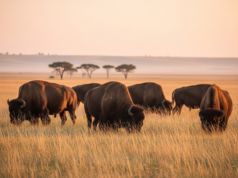
The Grand Tapestry of Life: Unraveling the Science of Ecology
Imagine a bustling city, not of concrete and steel, but of towering trees, scurrying insects, and flowing rivers. Every inhabitant, from the smallest microbe to the largest mammal, plays a role, interacting with each other and with the very air, water, and soil that sustain them. This intricate, dynamic, and endlessly fascinating interplay is the heart of what scientists call ecology.
Ecology is far more than just “nature studies” or a love for the outdoors. It is a rigorous scientific discipline that seeks to understand the complex relationships between living organisms and their environment. It explores how life thrives, adapts, and changes, revealing the fundamental principles that govern our planet’s incredible biodiversity and the health of its ecosystems. Understanding ecology is not merely an academic pursuit; it is essential for comprehending the challenges facing our world and for forging a sustainable future.
The Fundamentals: What is Ecology?
Defining Ecology: More Than Just “Nature”
At its core, ecology is the scientific study of the distribution and abundance of organisms and the interactions that determine those patterns. This definition encompasses a vast array of topics, from the microscopic world of soil bacteria to the global patterns of climate and biodiversity. Ecologists investigate how organisms interact with their physical surroundings, known as abiotic factors, and with other living organisms, or biotic factors.
Ecology reveals the hidden connections that bind all life on Earth, demonstrating that no organism exists in isolation.
The Levels of Ecological Organization
To make sense of such complexity, ecologists study life at various hierarchical levels, each building upon the last:
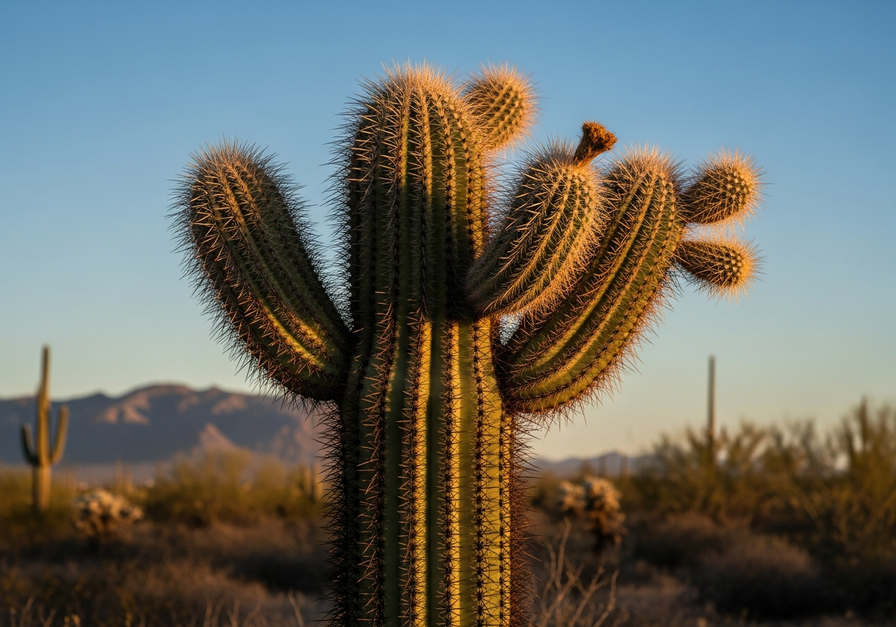
- Organism: This is the most basic unit of study, focusing on an individual living being. An ecologist might study how a single desert cactus adapts to extreme heat and drought, or how a specific bird species forages for food.
- Population: A population consists of all individuals of a single species living in a particular area at the same time. For example, a population of white‑tailed deer in a specific forest, or a population of salmon in a river system. Ecologists study population size, density, distribution, and how these change over time.
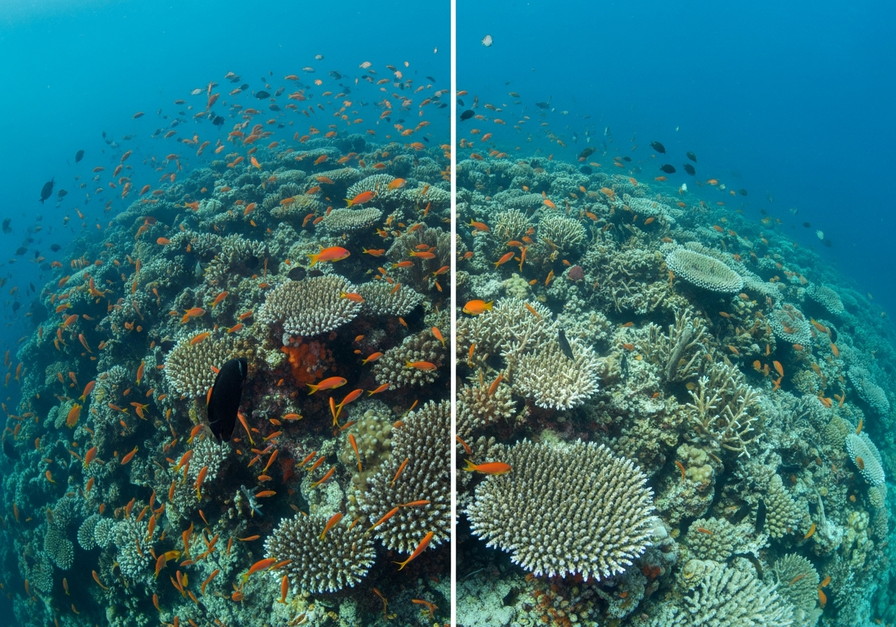
- Community: A community comprises all the different populations of various species that live and interact in a particular area. Think of all the plants, animals, fungi, and microorganisms coexisting in a coral reef, a grassland, or a forest. These species interact through predation, competition, and symbiosis.
- Ecosystem: An ecosystem includes all the living organisms (the community) in an area, along with all the non‑living physical components of their environment. This means considering the soil, water, sunlight, temperature, and air. A pond, a desert, or even a rotting log can be considered an ecosystem, where energy flows and nutrients cycle between biotic and abiotic elements.
- Biome: Biomes are large‑scale ecological regions characterized by similar climates, vegetation types, and animal life. Examples include tropical rainforests, deserts, tundras, grasslands, and oceans. These vast areas share common ecological features despite being geographically separated.
- Biosphere: This is the highest level of ecological organization, encompassing all the ecosystems on Earth. It is the sum total of all places where life exists, from the deepest ocean trenches to the highest mountain peaks and the atmosphere above. The biosphere is a single, interconnected system where global processes like climate and nutrient cycles operate.
Interactions: The Web of Life
Life on Earth is defined by interactions. Organisms are constantly influencing and being influenced by their surroundings and by other living things.
Abiotic Factors: The Non‑Living Stage
The physical environment sets the stage for life. Key abiotic factors include:
- Temperature: Influences metabolic rates, distribution of species, and seasonal behaviors like migration or hibernation. For instance, polar bears are adapted to extreme cold, while desert reptiles thrive in heat.
- Water: Essential for all life processes. Its availability dictates where organisms can live, from water‑rich rainforests to arid deserts where specialized adaptations for water conservation are crucial.
- Sunlight: The primary energy source for most ecosystems, driving photosynthesis in plants and algae. The intensity and duration of sunlight affect plant growth and, consequently, the entire food web.
- Soil: Provides physical support, water, and nutrients for plants. Its composition, pH, and texture determine which plant species can grow, which in turn affects the animals that feed on them.
- Nutrients: Essential chemical elements like nitrogen, phosphorus, and potassium are vital for growth and development. Their availability in soil and water can limit population sizes and ecosystem productivity.
Biotic Factors: Life Interacting with Life
Living organisms interact in countless ways, forming complex food webs and relationships.
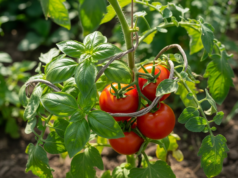
- Producers (Autotrophs): These organisms, primarily plants and algae, create their own food using energy from the sun (photosynthesis) or chemical reactions (chemosynthesis). They form the base of almost every food web. A towering oak tree in a forest is a prime example of a producer.
- Consumers (Heterotrophs): Organisms that obtain energy by eating other organisms. They are categorized by what they eat:
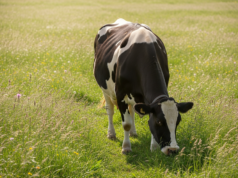
- Herbivores: Eat plants (e.g., deer, rabbits, caterpillars).
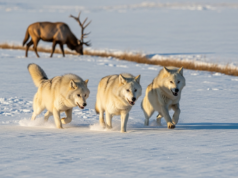
- Carnivores: Eat other animals (e.g., lions, wolves, spiders).
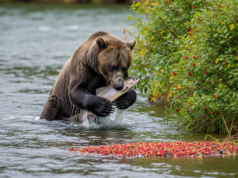
- Omnivores: Eat both plants and animals (e.g., bears, humans, raccoons).
- Decomposers (Detritivores): These vital organisms, mainly bacteria and fungi, break down dead organic matter, returning essential nutrients to the soil and water. Without decomposers, nutrients would remain locked in dead organisms, and ecosystems would cease to function. Earthworms and mushrooms are familiar decomposers.
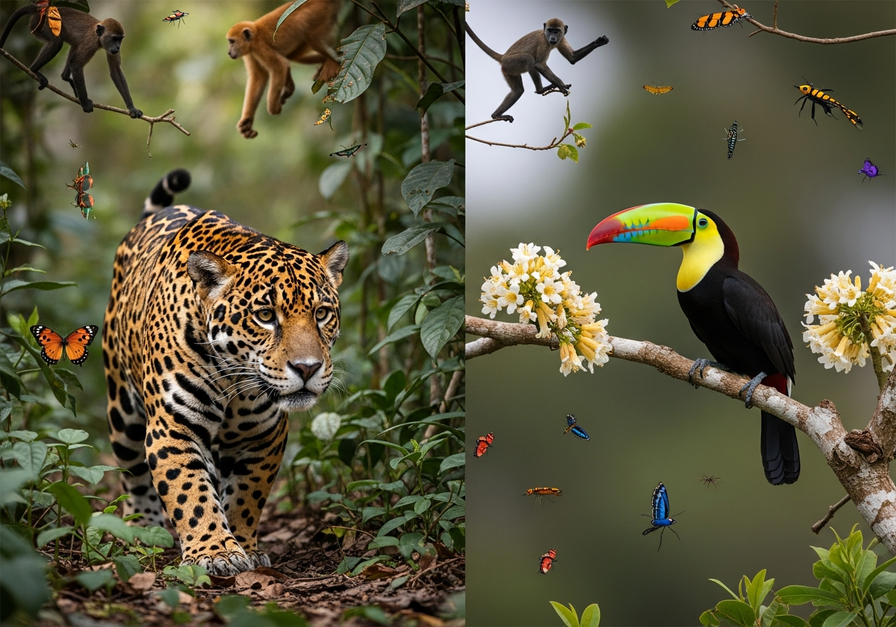
These interactions form food chains, illustrating the flow of energy from one organism to another. Multiple interconnected food chains create a complex food web, a more realistic representation of energy flow within an ecosystem.
Symbiotic Relationships: Close Encounters
Symbiosis describes close and long‑term interactions between different species. These relationships can be beneficial, harmful, or neutral.
- Mutualism: Both species benefit from the interaction. A classic example is the relationship between bees and flowering plants, where bees get nectar (food) and plants get pollinated. Another is the clownfish and sea anemone, where the clownfish gains protection from predators, and the anemone is cleaned and defended.
- Commensalism: One species benefits, while the other is neither helped nor harmed. For instance, barnacles attach to whales, gaining a place to feed, while the whale is unaffected.
- Parasitism: One species benefits at the expense of the other. Parasites such as tapeworms live inside hosts, feeding on their nutrients while often weakening the host.
Competition and Predation: The Struggle and the Chase
Beyond symbiosis, other crucial interactions shape communities:
- Competition can be intraspecific (between individuals of the same species, like two male deer fighting for a mate) or interspecific (between different species, like a fox and a coyote hunting the same prey).
- Predation: A predator captures and consumes another organism, known as the prey. This dynamic is a powerful force in natural selection, driving adaptations in both predators (e.g., camouflage, speed) and prey (e.g., warning coloration, defensive behaviors). The classic example of a lion hunting a zebra illustrates this fundamental ecological interaction.
Ecosystem Dynamics: Energy, Matter, and Change
In ecosystems, energy is transferred through food chains and webs, while matter cycles continuously among organisms.
Energy Flow: The Sun’s Gift
Energy enters ecosystems through photosynthesis and moves through trophic levels. The transfer of energy is often inefficient; about 10 % of the energy in each trophic level is passed on to the next.
- Primary producers: Plants, algae, and other autotrophs that capture solar energy.
- Primary consumers: Herbivores that eat plants.
- Secondary consumers: Carnivores that eat herbivores.
- Tertiary consumers: Predators that eat other carnivores.
The 10 % rule states that only about 10 % of the energy at one trophic level is available to the next. This illustrates why most ecosystems have a limited number of trophic levels and why primary producers often dominate the biomass.
Nutrient Cycling: The Earth’s Recycling System
Plants, animals, and microbes cycle nutrients like carbon, nitrogen, and phosphorus, forming a continuous loop that keeps ecosystems functioning. Decomposers play a key role in breaking down organic material, releasing nutrients back into the soil and water for use by other organisms.
- Carbon: Carbon dioxide is used by plants to create sugars, which are then transferred through the food web. When organisms die, decomposers release carbon back into the atmosphere as carbon dioxide or methane.
- Nitrogen: Nitrogen is essential for proteins, DNA, and other cellular components. Soil microbes convert atmospheric nitrogen into a form usable by plants.
- Water: Water is constantly moving through the water cycle, influenced by rainfall, evaporation, and plant transpiration.
- Phosphorus: This element is a key component of DNA and energy transfer molecules like ATP. Phosphorus is often limited in soils, which can limit plant growth.
Ecosystem Services: Nature’s Unsung Heroes
Ecosystem services are the benefits that humans derive from ecosystems. These services are essential for human well‑being, economic prosperity, and global sustainability.
- Provisioning services: These are the tangible goods that people obtain from ecosystems, such as food, timber, medicine, and clean water.
- Regulating services: Benefits obtained from the regulation of ecosystem processes, including climate regulation, flood control, disease regulation, and water purification.
- Cultural services: Non‑material benefits that people obtain from ecosystems, such as spiritual enrichment, recreation, aesthetic experiences, and opportunities for scientific discovery.
- Supporting services: These services sustain the production of all other ecosystem services. They include nutrient cycling, soil formation, and the creation of habitat.
Conclusion: The Ecological Imperative
Ecology helps us understand the intricate relationships that shape the natural world and provides insights into how human activities influence these relationships. By studying ecological processes and the interconnections between different organisms and their environment, we can work to protect our planet’s ecosystems and ensure the well‑being of all species that call Earth home. Our collective ecological literacy is essential for safeguarding biodiversity, maintaining ecosystem services, and ensuring a sustainable future for generations to come.