In an era where water conservation is paramount, a revolutionary approach to landscaping is gaining widespread recognition: xeriscaping. Far more than just a collection of cacti, xeriscaping is a thoughtful, sustainable method of designing landscapes that thrive with minimal supplemental water. It is an art and a science, transforming thirsty lawns into vibrant, resilient ecosystems that benefit both the environment and the homeowner.
What is Xeriscaping?
At its heart, xeriscaping is the practice of landscaping with water conservation in mind. The term itself is derived from the Greek word “xeros,” meaning dry, and “scape,” referring to a view or scene. It is not about creating a barren, desert-like yard, but rather about selecting appropriate plants, designing efficient irrigation systems, and employing smart landscaping techniques to drastically reduce the need for irrigation.
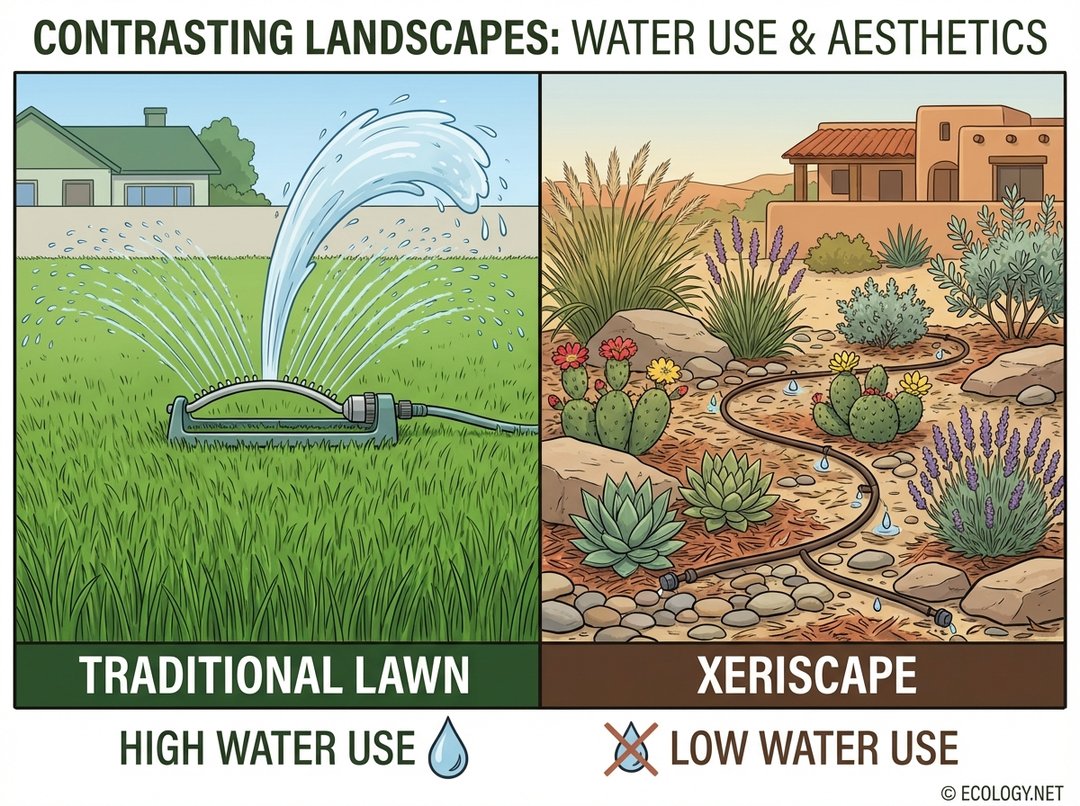
Imagine a typical suburban lawn: a vast expanse of green grass, often requiring frequent watering, fertilizing, and mowing. This traditional approach consumes enormous amounts of water, especially in arid or semi-arid regions. Xeriscaping offers a compelling alternative, replacing these water-guzzling landscapes with beautiful, diverse gardens that are inherently more sustainable.
Why Embrace Xeriscaping?
The benefits of xeriscaping extend far beyond simply saving water. This approach offers a multitude of advantages for homeowners, communities, and the planet.
- Significant Water Savings: This is the most obvious and compelling benefit. Xeriscaped yards can reduce outdoor water use by 50 percent to 75 percent, a critical factor in regions facing drought or water restrictions.
- Reduced Maintenance: Less watering means less time spent dragging hoses. Drought-tolerant plants often require less pruning, fertilizing, and pest control once established. Mowing is also significantly reduced or eliminated.
- Lower Utility Bills: Conserving water directly translates to lower water bills, providing a tangible financial benefit over time.
- Environmental Stewardship: By reducing water consumption, xeriscaping lessens the strain on local water supplies and energy used for water treatment and pumping. It also minimizes runoff pollution from fertilizers and pesticides.
- Increased Biodiversity: Xeriscapes often incorporate a wider variety of native and drought-tolerant plants, creating habitats for local wildlife, including pollinators like bees and butterflies.
- Enhanced Aesthetic Appeal: Far from being stark, xeriscapes can be incredibly beautiful and diverse, offering unique textures, colors, and forms that change with the seasons. They can reflect the natural beauty of the local environment.
The Seven Principles of Xeriscape Design
Xeriscaping is a systematic approach built upon a set of core principles. Understanding these guidelines is key to creating a successful and sustainable landscape.
- Planning and Design: Begin with a thoughtful plan. Assess your site’s conditions, including sun exposure, soil type, and existing features. Sketch out your desired layout, considering plant placement and functional areas.
- Soil Improvement: Healthy soil is fundamental. Incorporate organic matter like compost to improve soil structure, water retention, and nutrient availability. This helps plants establish strong root systems.
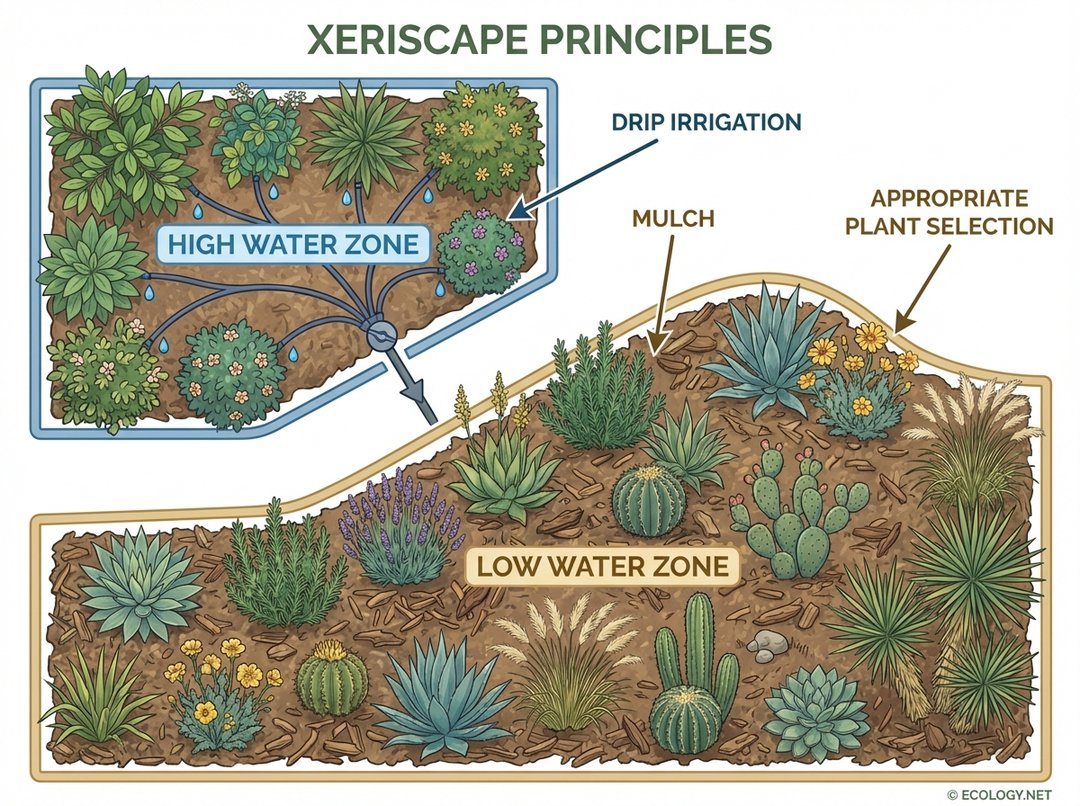
- Efficient Irrigation: Move away from wasteful sprinklers. Drip irrigation or soaker hoses deliver water directly to plant roots, minimizing evaporation and runoff. Water deeply and infrequently to encourage deep root growth.
- Appropriate Plant Selection: Choose plants that are naturally adapted to your local climate and soil conditions. Native plants are often an excellent choice, as they are already accustomed to the regional environment. Focus on drought-tolerant species.
- Practical Turf Areas: Reduce or eliminate traditional lawns. If turf is desired, limit it to functional areas where it will be used, such as play spaces, and select drought-tolerant grass varieties.
- Use of Mulch: Apply a layer of organic mulch, such as wood chips, shredded bark, or gravel, over exposed soil. Mulch conserves soil moisture, suppresses weeds, moderates soil temperature, and adds aesthetic appeal.
- Maintenance: Even xeriscapes require some maintenance, though significantly less than traditional lawns. This includes occasional weeding, pruning, and checking irrigation systems for efficiency.
Choosing the Right Plants for Your Xeriscape
Plant selection is perhaps the most exciting aspect of xeriscaping. The diversity of drought-tolerant plants is vast and surprising. Instead of limiting choices, it opens up a world of unique textures, colors, and forms.
- Succulents and Cacti: Iconic for their water-storing abilities, examples include Sedum, Agave, Aloe, and various types of Opuntia.
- Drought-Tolerant Shrubs: Many shrubs thrive with minimal water, such as Lavender, Rosemary, Manzanita, and some varieties of Ceanothus.
- Perennials and Groundcovers: Consider plants like Yarrow, Salvia, Gaillardia, and various ornamental grasses that add color and texture without demanding constant hydration.
- Native Plants: Always a strong choice, as they are inherently adapted to the local climate and soil. Research local nurseries or extension offices for recommendations specific to your region. For instance, in the American Southwest, desert marigolds and brittlebush are excellent choices, while in Mediterranean climates, lavender and olive trees flourish.
When selecting plants, consider their mature size, sun requirements, and water needs. Group plants with similar water requirements together to create efficient irrigation zones.
Designing Your Xeriscape: Practical Insights
Effective design goes beyond just plant choice. It involves thoughtful planning to create a cohesive and functional outdoor space.
- Zone Your Landscape: Create distinct zones based on water needs. A “hydrozone” groups plants with similar water requirements together. For example, a small area near the house might be a “high water use zone” for a few favorite plants, while the majority of the yard is a “low water use zone.”
- Hardscaping Elements: Incorporate non-plant elements like pathways, patios, decks, and decorative rocks or boulders. These elements reduce the need for plant material and add structure and visual interest.
- Consider Microclimates: Your yard likely has various microclimates. Areas near south-facing walls will be hotter and drier, while shaded spots will retain more moisture. Design accordingly.
- Embrace Verticality: Use trellises with drought-tolerant vines or tiered planters to add vertical interest without expanding the footprint of irrigated areas.
Advanced Xeriscaping Techniques
For those looking to take their water conservation efforts to the next level, several advanced techniques can be integrated into a xeriscape design.
Rainwater Harvesting
Collecting rainwater is an ancient practice that is highly relevant today. Simple systems can involve rain barrels connected to downspouts, while more elaborate setups might include cisterns for larger storage. This collected water can then be used to irrigate plants, reducing reliance on municipal water supplies.
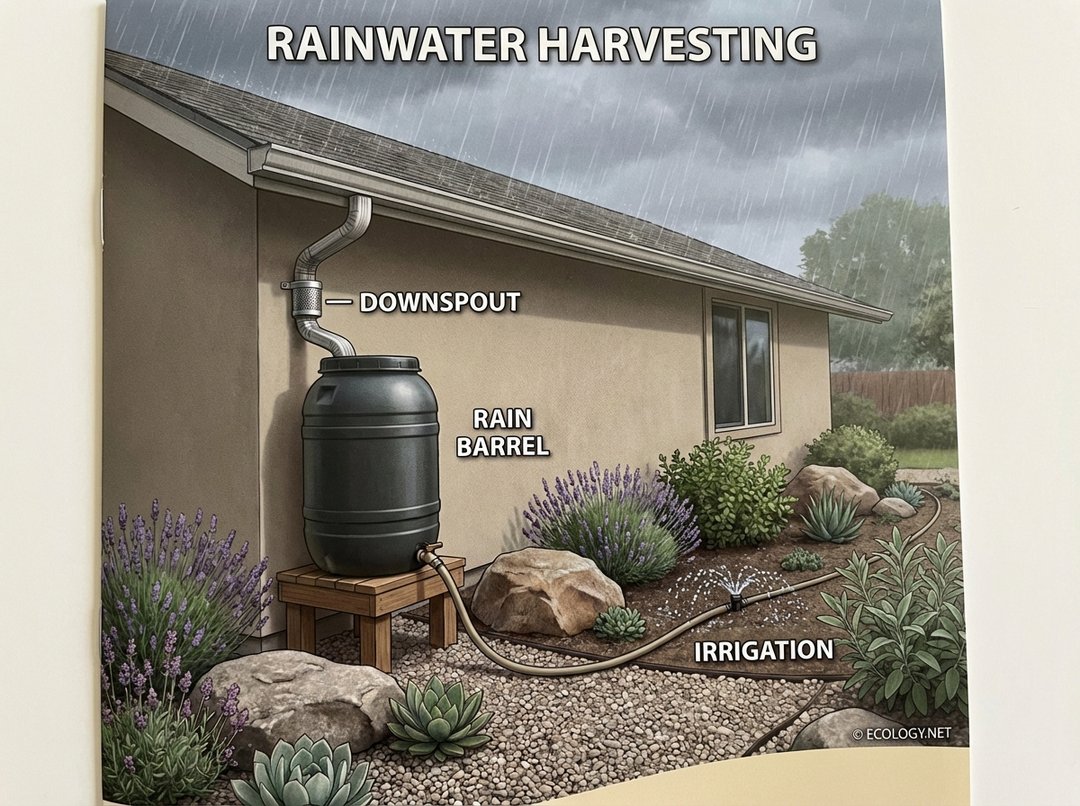
For example, a standard 1,000 square foot roof can collect approximately 600 gallons of water from just one inch of rainfall. This significant volume can make a real difference in supplementing garden irrigation, especially during dry spells.
Greywater Systems
Greywater refers to wastewater from sinks, showers, and washing machines that can be safely reused for irrigation. While more complex to install and requiring adherence to local regulations, a properly designed greywater system can dramatically reduce a household’s potable water consumption for landscaping.
It is crucial to use biodegradable soaps and detergents if planning a greywater system, as harsh chemicals can harm plants and soil. A simple laundry-to-landscape system is often a good starting point for homeowners interested in this technique.
Permeable Paving
Traditional impervious surfaces like concrete driveways and patios contribute to stormwater runoff. Permeable paving materials, such as permeable pavers, gravel, or porous asphalt, allow rainwater to infiltrate the ground rather than running off. This recharges groundwater, reduces erosion, and minimizes the burden on stormwater drainage systems.
Common Myths and Misconceptions About Xeriscaping
Despite its growing popularity, xeriscaping is sometimes misunderstood. Addressing these myths helps clarify its true nature.
- Myth: Xeriscaping means a barren, desert landscape.
- Reality: A well-designed xeriscape can be lush, colorful, and full of diverse plant life. It simply focuses on plants adapted to local conditions, which can include a wide array of flowers, shrubs, and trees.
- Myth: Xeriscaping is only for dry climates.
- Reality: While particularly beneficial in arid regions, the principles of xeriscaping can be applied in any climate to reduce water use and maintenance. Even in wetter areas, choosing appropriate plants and efficient irrigation can save resources.
- Myth: Xeriscaping is expensive to install.
- Reality: Initial costs can vary, but the long-term savings on water bills, fertilizer, and maintenance often make xeriscaping a cost-effective investment. Many projects can also be phased in over time to manage expenses.
- Myth: Xeriscapes are difficult to maintain.
- Reality: Once established, xeriscapes generally require significantly less maintenance than traditional lawns. Less watering, less mowing, and fewer chemical treatments translate to more free time for the homeowner.
Conclusion: A Sustainable Future for Our Landscapes
Xeriscaping is more than just a landscaping trend; it is a vital component of sustainable living. By embracing its principles, individuals can transform their outdoor spaces into beautiful, resilient, and water-efficient havens. It is a powerful way to conserve precious resources, reduce maintenance burdens, and contribute to a healthier environment. As communities worldwide face increasing pressure on water supplies, xeriscaping offers a practical, aesthetically pleasing, and ecologically responsible solution for the landscapes of tomorrow.
The journey to a water-wise landscape begins with a single step, whether it is replacing a small section of lawn with drought-tolerant plants or installing a rain barrel. Every effort contributes to a greener, more sustainable future for all.