Imagine a single raindrop falling on a mountaintop. Where does it go? Does it tumble down one side, eventually joining a roaring river that flows to the east, or does it cascade down the other, destined for a different river system heading west? The answer lies in understanding one of nature’s most fundamental and often overlooked concepts: the watershed.
A watershed, also known as a drainage basin, is essentially a geographical area where all precipitation, whether from rain or snow, drains into a common outlet. This outlet could be a stream, a river, a lake, or even an ocean. Every single piece of land on Earth belongs to a watershed, making them the fundamental units for understanding how water moves across our landscapes.
Defining the Invisible Boundaries: What is a Watershed?
At its core, a watershed is defined by its topography. High points in the landscape, such as mountain ridges or hills, act as natural boundaries called drainage divides. These divides separate one watershed from another, dictating which way water will flow. Think of it like the roof of a house: rain falling on one side goes into one gutter, while rain on the other side goes into a different one. The ridge of the roof is the divide.
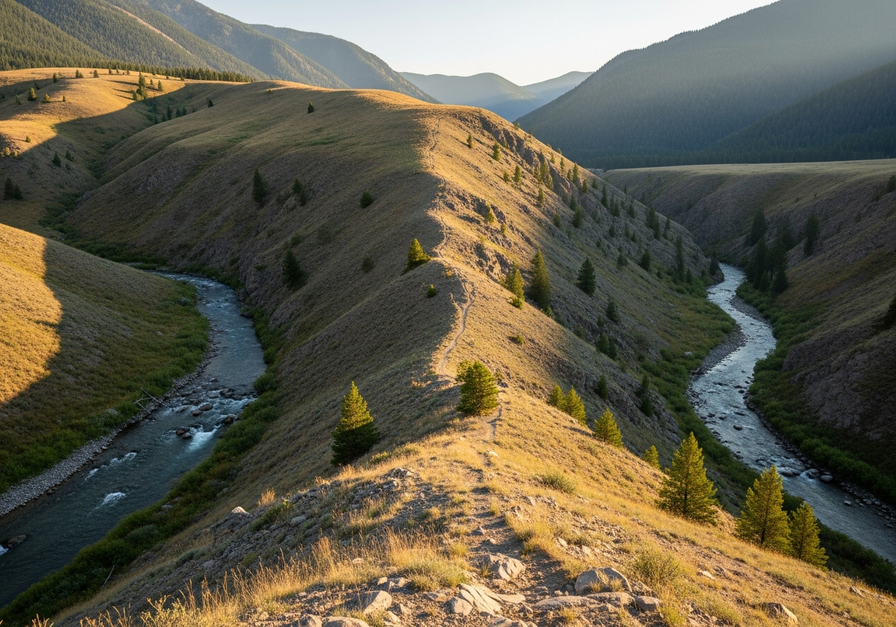
This image visually demonstrates the core idea of a watershed. Land areas bounded by drainage divides channel precipitation into a common outlet, illustrating how a single rain event can be traced from the ridge to the river. The subtle differences in vegetation and the clear delineation of valleys showcase nature’s own blueprint for water management.
More Than Just a River: The Interconnected System
While we often associate watersheds with large rivers, they encompass much more. A watershed includes all the land, plants, animals, and human communities within its boundaries. It is a complex, interconnected system where everything is linked by the flow of water. What happens upstream inevitably affects what happens downstream.
Why Watersheds Matter: Our Lifeline to Water
Understanding watersheds is not merely an academic exercise; it is crucial for our survival and well-being. Watersheds provide us with essential resources and services:
- Drinking Water: The water we drink often originates from a local or regional watershed. The health of that watershed directly impacts the quality and quantity of our tap water.
- Agriculture: Farmers rely on water from watersheds for irrigation, sustaining crops and livestock.
- Recreation: Rivers, lakes, and streams within watersheds offer opportunities for fishing, boating, swimming, and enjoying nature.
- Habitat: Watersheds are home to countless species of plants and animals, forming diverse ecosystems.
- Flood Control: Healthy watersheds, with their natural vegetation and soil, can absorb and slow down stormwater runoff, reducing the risk of floods.
The Journey of Water: From Sky to Sea
When rain or snow falls within a watershed, it embarks on a journey. This journey can take several paths:
- Surface Runoff: Water flows over the land surface, collecting in small rivulets that eventually join streams and rivers.
- Infiltration: Water soaks into the ground, replenishing groundwater aquifers or being absorbed by plant roots.
- Evaporation and Transpiration: Some water returns to the atmosphere directly from surfaces or through plants.
The type of land cover significantly influences this journey. A forested area, for instance, allows much of the rainwater to infiltrate the soil, where it is filtered naturally and slowly released into streams. In contrast, an urban area with extensive paved surfaces prevents infiltration, leading to rapid surface runoff.
Human Footprints on the Landscape: Impacting Watershed Health
Human activities have profound effects on watersheds. Urbanization, agriculture, industrial development, and deforestation can alter natural water flow patterns, introduce pollutants, and degrade habitats. These changes can lead to a variety of problems:
- Water Pollution: Runoff from agricultural fields can carry pesticides and fertilizers, while urban runoff often contains oil, chemicals, and litter. These pollutants degrade water quality, harming aquatic life and making water unsafe for human use.
- Increased Flooding: Impervious surfaces in urban areas prevent water absorption, leading to faster and greater volumes of runoff, which can overwhelm storm drains and cause flooding.
- Habitat Loss: Development along rivers and streams can destroy critical riparian zones, which are vegetated areas along water bodies that provide habitat, filter pollutants, and stabilize banks.
- Erosion: Removal of vegetation can lead to soil erosion, silting up streams and rivers, and harming aquatic ecosystems.
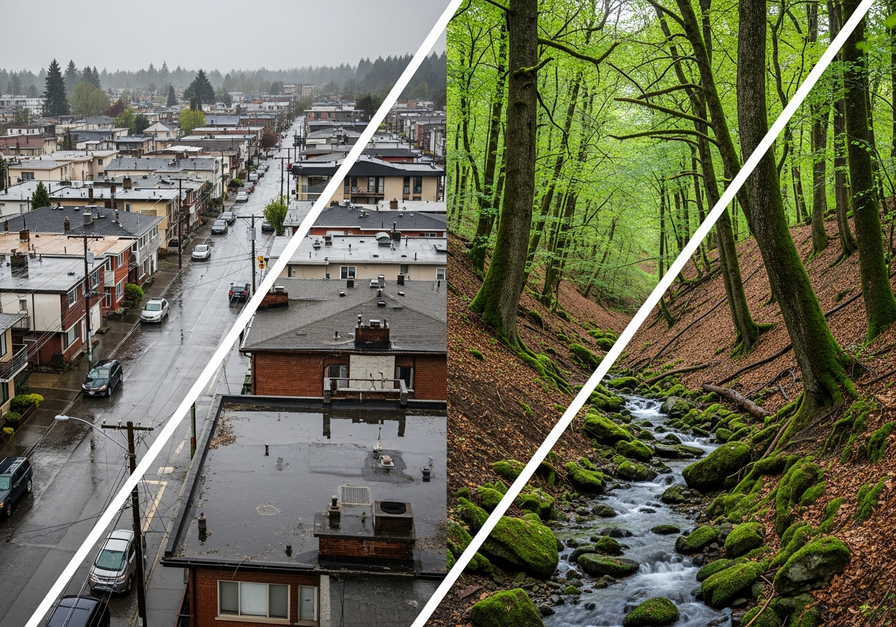
By juxtaposing urban runoff with a restored forested watershed, this image highlights the impact of human activities on watershed health and the benefits of best management practices such as reforestation and buffer strips. The stark contrast visually communicates the consequences of our choices on water quality and ecosystem function.
The Veins of the Landscape: Understanding Stream Networks
Within every watershed, water collects and flows through an intricate network of streams and rivers. Ecologists use a system called stream order to classify these waterways, helping us understand their structure and function.
Stream Order Explained
- First-Order Streams: These are the smallest tributaries, typically originating from springs or runoff, with no other streams flowing into them. They are the “fingertips” of the river system.
- Second-Order Streams: Formed when two first-order streams merge.
- Third-Order Streams: Formed when two second-order streams merge, and so on.
It is important to note that a higher-order stream only increases its order when two streams of the same order merge. If a first-order stream flows into a second-order stream, the resulting stream remains a second-order stream.
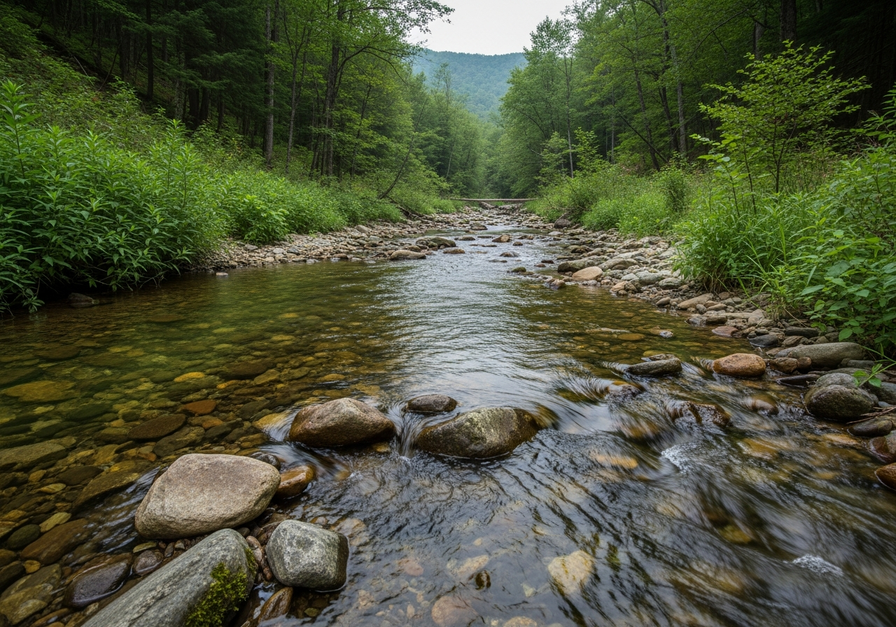
This image provides a tangible visual of stream order and network topology within a watershed, reinforcing the article’s discussion on how smaller tributaries combine to form larger river systems. The clear water and lush surroundings emphasize a healthy, functioning part of the watershed.
Nurturing Our Watersheds: Management and Conservation
Given their vital role, protecting and managing watersheds is paramount. Watershed management involves a holistic approach, considering all aspects of the land and water within its boundaries. Key strategies include:
- Riparian Zone Restoration: Planting native vegetation along stream banks helps stabilize soil, filter pollutants, and provide shade, keeping water temperatures cool for aquatic life.
- Sustainable Agriculture: Implementing practices like no-till farming, cover cropping, and precise fertilizer application reduces runoff and nutrient pollution.
- Stormwater Management: In urban areas, green infrastructure solutions such as rain gardens, permeable pavements, and green roofs help absorb and filter stormwater, mimicking natural processes.
- Forest Conservation: Protecting forests within watersheds is crucial for maintaining water quality, regulating flow, and preventing erosion.
- Public Education and Engagement: Raising awareness about watershed health encourages individuals and communities to adopt responsible practices.
Beyond the Local: Types and Scales of Watersheds
Watersheds exist at various scales, from tiny catchments feeding a small pond to vast continental drainage basins that span multiple countries. For example, the Mississippi River Basin is a massive watershed covering over 40% of the continental United States, draining into the Gulf of Mexico. Each of these scales presents unique challenges and opportunities for management.
Factors Influencing Watershed Characteristics
The specific characteristics of a watershed are shaped by a multitude of factors:
- Topography: The shape of the land dictates flow paths and speeds. Steep slopes lead to faster runoff, while flatter areas allow for more infiltration.
- Geology: The underlying rock and soil types influence water absorption, groundwater storage, and water chemistry. For instance, watersheds with porous limestone bedrock might have extensive underground cave systems and springs.
- Climate: Precipitation patterns, temperature, and evaporation rates all determine the amount of water available and how it moves through the system.
- Vegetation: The type and density of plant cover affect interception of rainfall, infiltration rates, and erosion control.
- Land Use: Human activities, as discussed, profoundly alter natural watershed processes.
The Future of Our Watersheds: Challenges and Collective Responsibility
Watersheds face increasing pressures from climate change, population growth, and continued land development. Climate change can alter precipitation patterns, leading to more intense floods in some areas and prolonged droughts in others. These shifts demand adaptive management strategies and a deeper understanding of watershed dynamics.
Protecting our watersheds is a shared responsibility. Every action, from properly disposing of household waste to supporting local conservation initiatives, contributes to the health of these vital systems. By recognizing that we all live downstream, we can foster a greater appreciation for the intricate journey of water and work together to ensure clean, abundant water for future generations.
Understanding watersheds is not just about geography; it is about understanding life itself. It is about recognizing the delicate balance of nature and our integral role in maintaining it. The health of our watersheds is a direct reflection of the health of our planet and our communities.