Beneath our feet, an unseen world hums with activity, a complex ecosystem that dictates the health and vitality of nearly all terrestrial life. At the heart of this intricate system lies a fundamental characteristic often overlooked by the casual observer: soil pH. Far from being a mere scientific curiosity, soil pH is a master conductor, orchestrating the availability of nutrients, influencing microbial life, and ultimately determining which plants will thrive and which will struggle. Understanding this crucial metric is not just for scientists or farmers; it is essential for anyone who nurtures a garden, tends a lawn, or simply appreciates the green world around them.
What Exactly Is Soil pH?
At its core, pH is a measure of the acidity or alkalinity of a substance. In the context of soil, it reflects the concentration of hydrogen ions (H+) present in the soil solution. The pH scale ranges from 0 to 14. A pH of 7 is considered neutral. Values below 7 indicate increasing acidity, meaning there is a higher concentration of hydrogen ions. Values above 7 indicate increasing alkalinity (or basicity), meaning there is a lower concentration of hydrogen ions and often a higher concentration of hydroxyl ions (OH-).
Think of it like a delicate balance. When hydrogen ions dominate, the soil leans acidic. When they are less prevalent, and other ions like calcium or magnesium are more abundant, the soil becomes alkaline. This balance is dynamic and constantly influenced by various natural and human-induced factors.

Why Does Soil pH Matter So Much?
The significance of soil pH cannot be overstated. It is a primary determinant of soil health and plant productivity, acting as a gatekeeper for essential resources.
Nutrient Availability: The pH Sweet Spot
Perhaps the most critical role of soil pH is its profound impact on nutrient availability. Plants require a diverse array of nutrients to grow, from macronutrients like nitrogen, phosphorus, and potassium to micronutrients such as iron, manganese, and zinc. However, these nutrients are not always equally available to plant roots across the entire pH spectrum.
- Acidic Soils (pH below 6.0): In highly acidic conditions, certain micronutrients like iron, manganese, zinc, and copper become more soluble and thus more available. While this might sound good, excessive availability can lead to toxicity for some plants. Conversely, the availability of macronutrients like phosphorus, calcium, and magnesium can be significantly reduced in very acidic soils, often binding with aluminum or iron to form compounds that plants cannot absorb.
- Neutral to Slightly Acidic Soils (pH 6.0-7.0): This range is often considered the “sweet spot” for most plants. In this balanced environment, the majority of essential nutrients are optimally available. Phosphorus, a crucial element for energy transfer and root development, is particularly well-supplied in this range.
- Alkaline Soils (pH above 7.0): As soil pH rises, the availability of many micronutrients, including iron, manganese, and zinc, tends to decrease. These elements can become “locked up” in forms that plants cannot easily access, leading to deficiencies even if they are present in the soil. Conversely, molybdenum becomes more available in alkaline conditions.
Understanding these relationships is vital for successful gardening and agriculture. A plant showing signs of nutrient deficiency might not be lacking the nutrient in the soil, but rather struggling to access it due to an unfavorable pH.

Microbial Activity and Soil Structure
Soil is teeming with billions of microorganisms, including bacteria, fungi, and protozoa, which play indispensable roles in nutrient cycling, organic matter decomposition, and maintaining soil structure. These microscopic workers are highly sensitive to pH levels.
- Many beneficial bacteria, including those responsible for nitrogen fixation (converting atmospheric nitrogen into a usable form for plants) and nitrification (converting ammonium to nitrate), thrive in neutral to slightly alkaline conditions.
- Fungi, on the other hand, tend to be more tolerant of acidic conditions and are often dominant decomposers in forest soils.
An imbalanced pH can suppress the activity of these crucial organisms, slowing down the decomposition of organic matter, reducing nutrient cycling, and potentially hindering the formation of stable soil aggregates, which are vital for good drainage and aeration.
Impact on Plant Growth and Health
Beyond nutrient availability and microbial life, soil pH directly affects plant roots and overall plant health. Extreme pH levels can damage root cells, impairing their ability to absorb water and nutrients. This can lead to stunted growth, yellowing leaves (chlorosis), reduced flowering, and increased susceptibility to diseases.
Different plants have evolved to thrive in specific pH ranges. For example:
- Acid-loving plants: Rhododendrons, azaleas, blueberries, camellias, and many conifers prefer acidic soils (pH 4.5-6.0).
- Alkaline-tolerant plants: Lavender, clematis, many types of cabbage, and some fruit trees prefer neutral to slightly alkaline soils (pH 7.0-8.0).
- Generalists: Many common vegetables and ornamentals perform best in a slightly acidic to neutral range (pH 6.0-7.0).
Factors Influencing Soil pH
Soil pH is not static; it is a dynamic property influenced by a combination of natural processes and human activities.
- Parent Material: The geological origin of the soil is a primary factor. Soils derived from acidic rocks like granite tend to be more acidic, while those formed from limestone are typically alkaline.
- Rainfall and Leaching: In regions with high rainfall, basic cations (like calcium, magnesium, and potassium) are leached away from the topsoil, leaving behind more acidic hydrogen ions. This is why soils in humid climates are often naturally acidic.
- Organic Matter Decomposition: As organic matter breaks down, it releases organic acids, which can contribute to soil acidity. However, well-decomposed organic matter also acts as a buffer, helping to stabilize pH.
- Fertilizers: Many synthetic fertilizers, particularly those containing ammonium (e.g., ammonium sulfate, urea), can have an acidifying effect on the soil over time as ammonium is converted to nitrate.
- Crop Uptake: Plants absorb nutrients from the soil, and the differential uptake of cations and anions can subtly alter the pH of the root zone.
- Pollution: Acid rain, caused by atmospheric pollutants like sulfur dioxide and nitrogen oxides, can significantly lower soil pH in affected areas.
Measuring and Modifying Soil pH
Understanding your soil’s pH is the first step towards creating an optimal growing environment. Fortunately, there are several ways to measure and, if necessary, adjust soil pH.
Testing Your Soil pH
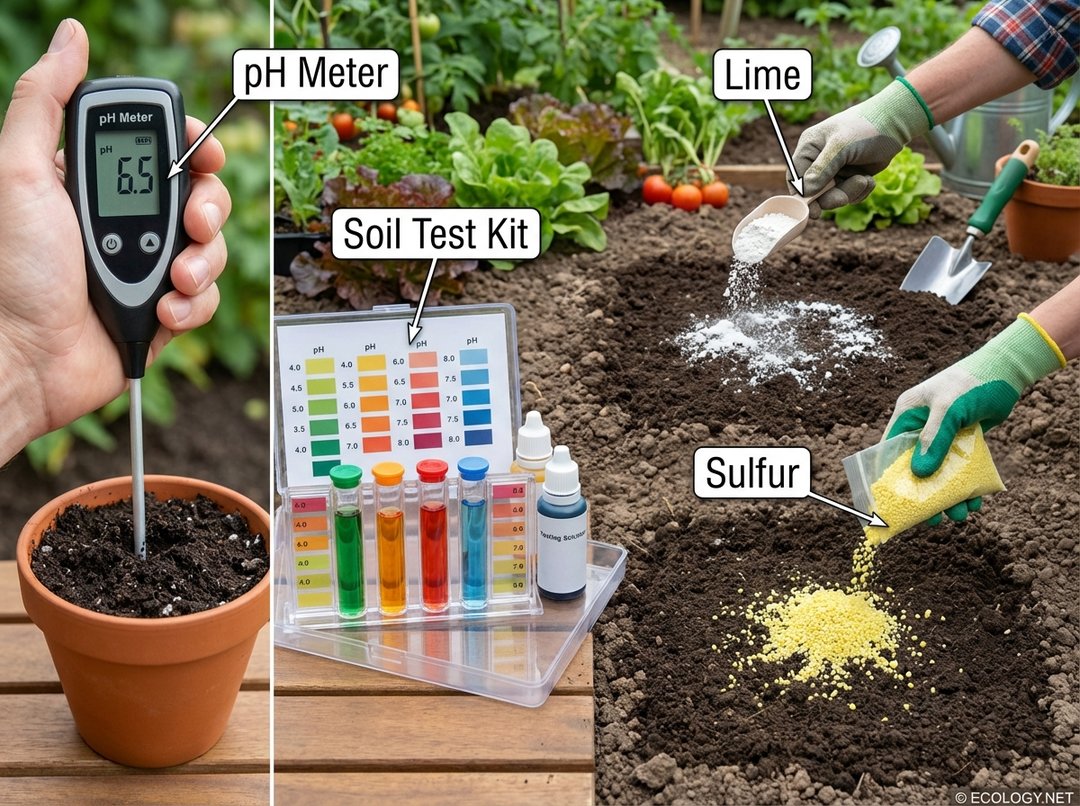
- DIY pH Test Kits: These kits typically involve mixing a soil sample with a chemical solution and comparing the resulting color to a chart. They are affordable and provide a quick estimate, though their accuracy can vary.
- Digital pH Meters: Handheld digital meters offer more precise readings. They require calibration and proper maintenance but can provide instant results when inserted into a moist soil sample.
- Professional Soil Labs: For the most accurate and comprehensive analysis, sending a soil sample to a professional laboratory is recommended. These labs not only provide precise pH readings but also offer detailed reports on nutrient levels and recommendations for amendments.
When collecting samples, ensure they are representative of the area you intend to manage. Take multiple samples from different spots and mix them thoroughly to get an average reading.
Adjusting Soil pH: A Gradual Process
Modifying soil pH is not an overnight task; it requires patience and a gradual approach. Drastic changes can shock plants and disrupt the delicate soil ecosystem.
- To Raise Soil pH (Make it Less Acidic/More Alkaline):
- Agricultural Lime (Calcium Carbonate): This is the most common and effective amendment for raising pH. It works by neutralizing hydrogen ions.
- Dolomitic Lime (Calcium Magnesium Carbonate): Similar to agricultural lime, but also supplies magnesium, which can be beneficial in magnesium-deficient soils.
- Wood Ash: A byproduct of burning wood, wood ash contains potassium, calcium, and magnesium and can raise pH, but should be used sparingly due to its high alkalinity and potential for nutrient imbalances.
Always apply liming materials evenly and incorporate them into the top few inches of soil for best results. Re-test pH after 6-12 months to gauge effectiveness.
- To Lower Soil pH (Make it More Acidic):
- Elemental Sulfur: This is a slow-acting but effective acidifier. Soil bacteria convert the sulfur into sulfuric acid, gradually lowering the pH.
- Sphagnum Peat Moss: Incorporating peat moss into the soil can help lower pH, particularly in small areas or containers. It also improves soil structure and water retention.
- Aluminum Sulfate or Ferrous Sulfate: These compounds provide a quicker pH reduction but should be used with caution as they can lead to aluminum or iron toxicity if over-applied.
When lowering pH, it is crucial to monitor the process carefully. Over-acidification can be as detrimental as excessive alkalinity.
The Long-Term Perspective: Sustainable Soil pH Management
Maintaining optimal soil pH is an ongoing process that benefits from a holistic approach to soil health. Regular additions of organic matter, such as compost or well-rotted manure, can help buffer the soil against extreme pH fluctuations, making it more resilient. Organic matter also improves soil structure, water retention, and nutrient availability, creating a healthier environment for both plants and beneficial microorganisms.
By understanding the nuances of soil pH, gardeners and land managers can move beyond guesswork, making informed decisions that foster vibrant, productive ecosystems. It is a testament to the intricate balance of nature that a simple measure of acidity or alkalinity holds such profound power over the life beneath our feet.
Conclusion
Soil pH, a seemingly technical detail, is in fact a cornerstone of ecological health and agricultural success. It dictates the very chemistry of the soil, influencing everything from the microscopic life that teems within it to the towering trees that grow from it. By grasping the principles of the pH scale, recognizing its impact on nutrient availability, and learning practical methods for testing and adjustment, we empower ourselves to cultivate healthier, more resilient landscapes. Take the time to understand your soil’s pH; it is a fundamental step towards unlocking its full potential and ensuring the vitality of the plant life it supports.