The Secret Lifeblood of Our Planet: Unraveling the Wonders of Pollination
Imagine a world without apples, almonds, chocolate, or even coffee. A world where vibrant meadows fall silent, and the very fabric of our ecosystems begins to unravel. This stark vision highlights the profound importance of a seemingly simple biological process: pollination. Far more than just a buzz in a garden, pollination is the fundamental act of plant reproduction that underpins nearly every aspect of life on Earth, from the food on our plates to the air we breathe.
This intricate natural phenomenon involves the transfer of pollen, a powdery substance containing male reproductive cells, from one part of a flower to another, or from one flower to another. It is a story of cooperation, survival, and breathtaking biological ingenuity that has shaped landscapes and sustained civilizations for millennia. Understanding pollination is not merely an academic exercise; it is a vital step towards appreciating and protecting the delicate balance of nature.
What is Pollination? The Mechanics of Life’s Renewal
At its heart, pollination is the critical step in the sexual reproduction of flowering plants, also known as angiosperms. For a plant to produce seeds and fruits, pollen must travel from the male reproductive organ, called the anther, to the female reproductive organ, known as the stigma. This transfer can occur within the same flower (self-pollination) or between different flowers (cross-pollination), often of the same species.
The anther typically sits atop a stalk called a filament, forming the stamen. The stigma, often sticky or feathery to catch pollen, is part of the pistil, which also includes the style (a stalk connecting the stigma to the ovary) and the ovary itself, where ovules (future seeds) are housed. Once pollen lands on a compatible stigma, it germinates, growing a pollen tube down the style to reach the ovules in the ovary, leading to fertilization and the development of seeds and fruits.
This essential exchange is not always a passive event. Often, it requires the assistance of external agents, known as pollinators, to bridge the gap between anther and stigma. These agents are the unsung heroes of our natural world, facilitating the continuation of plant life and, by extension, all life that depends on it.
The Diverse Cast of Pollinators: More Than Just Bees
While honeybees often steal the spotlight, the world of pollinators is incredibly diverse, encompassing a vast array of creatures and even natural forces. Each pollinator plays a unique role, often having coevolved with specific plant species to form remarkable partnerships.
- Insects: The Tiny Titans
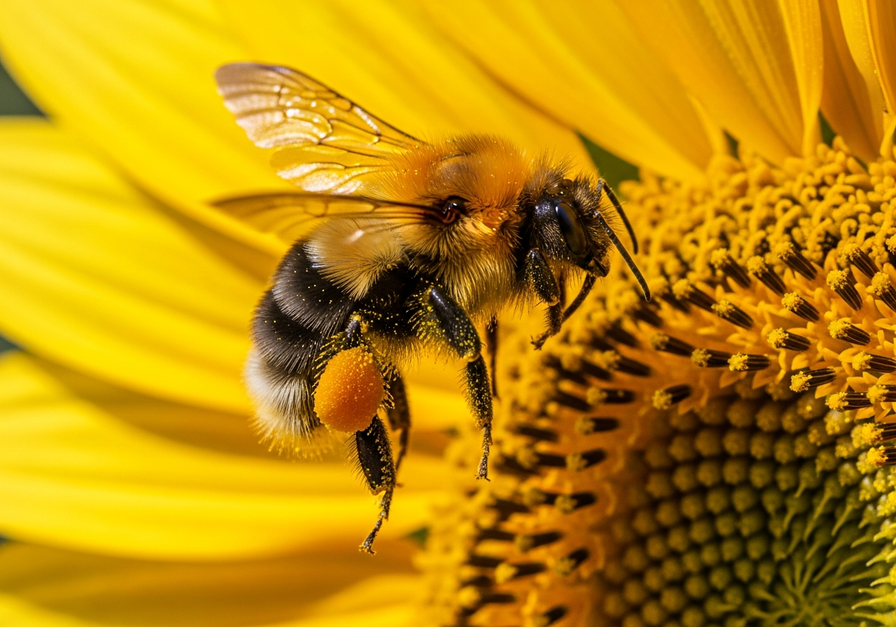
- Bees: From the familiar honeybee and bumblebee to countless solitary bee species, bees are arguably the most efficient and vital insect pollinators. They are attracted to bright colors, especially blue and yellow, and often possess specialized structures for carrying pollen, such as pollen baskets on their legs.
- Butterflies and Moths: These elegant insects are drawn to flowers with strong scents and bright colors (butterflies) or pale, fragrant flowers that open at night (moths). Their long proboscises are perfectly adapted for reaching nectar deep within tubular flowers.
- Beetles: Among the oldest pollinators, beetles are often attracted to duller, bowl-shaped flowers with strong, sometimes fruity or spicy, scents. They can be less precise in pollen transfer but are crucial for many ancient plant lineages.
- Flies: While some flies are pests, many are excellent pollinators, particularly hoverflies, which mimic bees. Others, like carrion flies, are attracted to flowers that mimic the smell of decaying flesh, such as the famous corpse flower.
- Vertebrates: The Larger Helpers
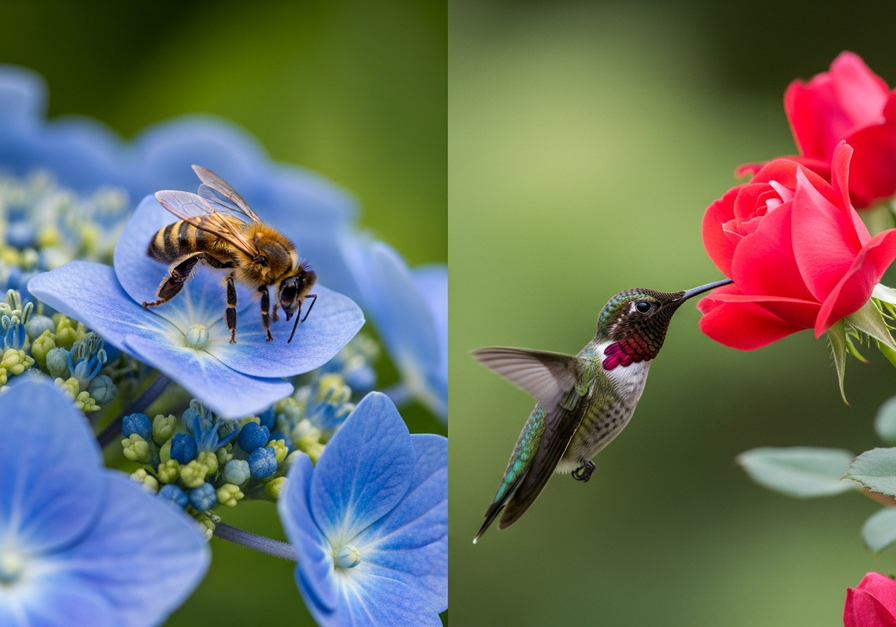
- Birds: Hummingbirds, sunbirds, and honeyeaters are prominent avian pollinators. They are typically attracted to bright red or orange, tubular flowers that produce abundant nectar but little scent, as birds have a poor sense of smell.
- Bats: Primarily in tropical and desert regions, fruit bats and nectar bats pollinate night-blooming flowers, often large and white or pale, with strong, musky scents. They are crucial for crops like agave and durian.
- Small Mammals: In some parts of the world, rodents, marsupials, and even primates can act as pollinators, particularly for ground-level or robust flowers.
- Abiotic Pollinators: Wind and Water
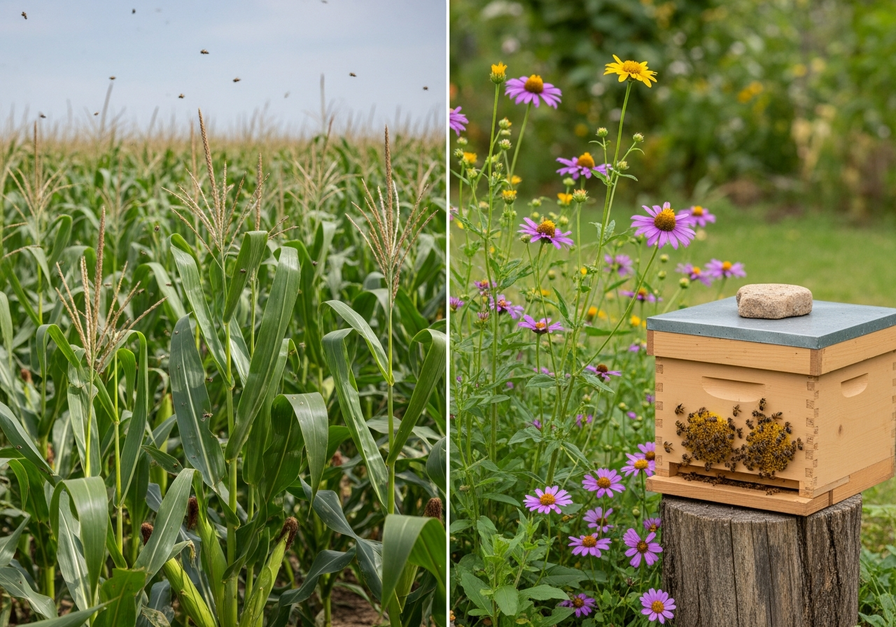
- Wind: Many important crops, including corn, wheat, rice, and oats, rely on wind pollination. These plants typically produce vast quantities of lightweight pollen and lack showy flowers, as they do not need to attract animals.
- Water: A less common but fascinating form of pollination occurs in aquatic plants, where pollen is carried by water currents.
The Dance of Coevolution: Pollinator-Plant Relationships
The intricate relationships between plants and their pollinators are a testament to millions of years of coevolution. Flowers have developed remarkable adaptations to attract specific pollinators, while pollinators have evolved specialized features to access the rewards offered by flowers.
- Color and Vision: Bees see ultraviolet light and are drawn to blue, purple, and yellow flowers, often with “nectar guides” visible only in UV light. Birds, with their excellent color vision, are attracted to vibrant reds and oranges. Moths prefer pale or white flowers that stand out in the moonlight.
- Scent: Flowers use a diverse palette of scents to lure pollinators. Sweet, floral fragrances attract bees and butterflies. Musky or fermenting odors attract bats. Foul, carrion-like smells attract certain flies and beetles.
- Shape and Structure: The architecture of a flower is often tailored to its primary pollinator. Tubular flowers with deep nectar reservoirs are perfect for hummingbirds’ long beaks or butterflies’ proboscises. Broad, flat flowers provide landing platforms for bees. Complex, trap-like flowers might temporarily hold an insect to ensure pollen transfer.
- Nectar and Pollen Rewards: Flowers offer nectar, a sugary liquid providing energy, and pollen, a protein-rich food source, as incentives for pollinators. The quantity and quality of these rewards vary, influencing which pollinators visit.
Consider the yucca plant and the yucca moth. The moth actively collects pollen, forms it into a ball, and then deposits it onto the stigma of another yucca flower, ensuring pollination. In return, the moth lays its eggs in the flower’s ovary, and its larvae feed on a small number of the developing seeds. This is a classic example of obligate mutualism, where both species are entirely dependent on each other for reproduction.
Why Pollination Matters: Ecological and Economic Impact
The significance of pollination extends far beyond the beauty of a blooming garden. It is a cornerstone of both ecological stability and human well-being.
- Food Security: Approximately one-third of the world’s food crops, representing over 75% of global crop types, depend on animal pollination. This includes many fruits (apples, berries, melons), vegetables (squash, cucumbers), nuts (almonds, cashews), and even beverages like coffee and chocolate. Without pollinators, yields of these crops would plummet, leading to food shortages and economic devastation.
- Ecosystem Health: Pollination is crucial for maintaining biodiversity. Wild plants, which form the base of many food webs, rely heavily on pollinators for reproduction. This supports a vast array of wildlife, from insects and birds to larger mammals that feed on fruits and seeds. Healthy pollinator populations indicate a healthy ecosystem.
- Economic Value: The economic contribution of pollinators is immense, estimated to be billions of dollars annually worldwide. This value comes from the increased yields and quality of pollinator-dependent crops, as well as the ecosystem services provided by wild plant reproduction.
- Medicines and Materials: Many plants used for medicines, fibers, and building materials also rely on pollination for their survival and propagation.
Challenges and Threats to Pollinators
Despite their critical role, pollinators worldwide are facing unprecedented threats, leading to alarming declines in many species. These challenges are complex and often interconnected.
- Habitat Loss and Fragmentation: Urbanization, agricultural expansion, and deforestation destroy natural habitats, reducing the availability of nesting sites, food sources, and migratory corridors for pollinators. Monoculture farming, where vast areas are dedicated to a single crop, further exacerbates this by creating “food deserts” for diverse pollinator species.
- Pesticide Use: The widespread use of insecticides, particularly systemic pesticides like neonicotinoids, can be devastating to pollinators. These chemicals can be absorbed by plants and expressed in pollen and nectar, poisoning insects that feed on them, even at low doses. Herbicides also indirectly harm pollinators by eliminating wildflowers that serve as vital food sources.
- Climate Change: Shifting weather patterns, altered flowering times, and extreme weather events can disrupt the delicate synchrony between plants and their pollinators. For example, if flowers bloom earlier due to warmer temperatures, but pollinators emerge later, a critical mismatch can occur.
- Diseases and Parasites: Honeybees, in particular, are susceptible to various diseases and parasites, such as the Varroa mite, which can weaken colonies and make them more vulnerable to other stressors.
- Invasive Species: Non-native plants can outcompete native flora, reducing food sources for local pollinators. Invasive insects or pathogens can also introduce new threats to native pollinator populations.
Solutions and How to Help: Cultivating a Pollinator-Friendly Future
The good news is that many solutions exist, and collective action can make a significant difference in protecting pollinators. Everyone, from individual gardeners to large-scale farmers and policymakers, has a role to play.
- Plant Pollinator-Friendly Gardens:
- Choose native plants that are well-adapted to local conditions and provide the best food and habitat for native pollinators.
- Select a variety of plants that bloom at different times of the year to ensure a continuous food supply from spring to fall.
- Include diverse flower shapes and colors to attract a wide range of pollinators.
- Avoid “perfect” hybrid flowers that may have little pollen or nectar.
- Reduce or Eliminate Pesticide Use:
- Opt for organic gardening practices.
- If pesticides are necessary, choose the least toxic options and apply them responsibly, avoiding bloom times when pollinators are active.
- Read labels carefully and understand the impact of chemicals on beneficial insects.
- Create Pollinator Habitats:
- Provide nesting sites for solitary bees, such as bare patches of soil, hollow stems, or “bee hotels.”
- Offer shallow water sources with landing spots, like pebbles or moss, for thirsty insects.
- Leave some areas of your garden a little “messy” with leaf litter or brush piles, which can provide shelter.
- Support Sustainable Agriculture:
- Choose locally grown and organic produce when possible.
- Advocate for farming practices that integrate pollinator habitats, reduce pesticide use, and promote biodiversity.
- Educate and Advocate:
- Share knowledge about the importance of pollinators with friends, family, and community members.
- Support organizations dedicated to pollinator conservation.
- Encourage local governments to adopt pollinator-friendly policies, such as creating pollinator corridors in urban areas.
A Future Woven by Pollination
Pollination is a profound testament to the interconnectedness of life. It is a silent, continuous miracle that ensures the vibrancy of our ecosystems, the sustenance of our populations, and the beauty of our natural world. By understanding the intricate mechanisms of pollen transfer, appreciating the diverse roles of pollinators, and recognizing the threats they face, humanity can take meaningful steps to protect these essential workers of nature. The future of our food, our environment, and indeed, our very existence, is inextricably linked to the health and vitality of the pollination process. Let us commit to nurturing this vital relationship, ensuring that the dance of life continues to flourish for generations to come.