The intricate web of life on Earth relies fundamentally on natural resources. From the air we breathe to the water we drink, the food we eat, and the materials that build our societies, everything traces back to the planet’s bounty. However, these resources are not limitless, nor are they immune to the impacts of human activity. This is where the vital concept of natural resource management steps in, acting as the crucial bridge between human needs and ecological sustainability.
Natural resource management is essentially the stewardship of our planet’s natural assets. It involves understanding, planning, and implementing strategies to ensure that these resources are used wisely, conserved for future generations, and restored where possible. It is a dynamic field, constantly evolving to meet new challenges and incorporate scientific advancements.
Understanding the Building Blocks: What Are Natural Resources?
Before we can manage resources, we must first understand what they are and how they function within Earth’s systems. Natural resources encompass anything found in nature that humans can use. These can be broadly categorized based on their renewability and their role in ecological processes.
Categorizing Earth’s Gifts
To effectively manage our planet’s assets, it is helpful to classify them:
- Renewable Resources: These are resources that replenish naturally over relatively short timescales, often through natural cycles. Examples include sunlight, wind, water (through the hydrological cycle), timber (if harvested sustainably), and biomass. While renewable, their availability can still be impacted by overuse or degradation.
- Non-renewable Resources: These resources exist in fixed quantities or are formed over geological timescales, making their replenishment rate negligible compared to human consumption. Fossil fuels like oil, coal, and natural gas, as well as minerals such as iron, copper, and gold, fall into this category. Once extracted and used, they are essentially gone.
- Ecosystem Services: Often overlooked, these are the myriad benefits that nature provides to humanity for free. They are not resources we extract, but rather functions of healthy ecosystems that support life. Examples include the purification of water and air by wetlands and forests, pollination of crops by insects, regulation of climate, nutrient cycling in soils, and the aesthetic and recreational value of natural landscapes.
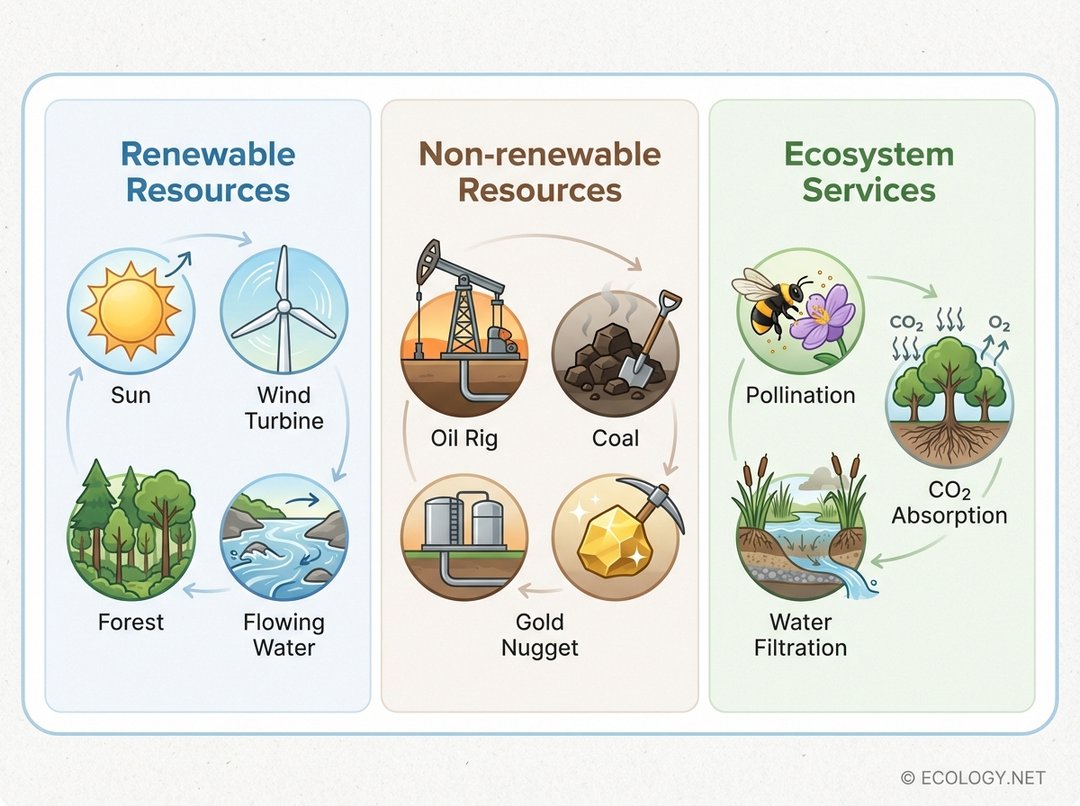
This fundamental distinction is crucial because it dictates how we approach their management. Renewable resources require sustainable harvesting and protection of their regenerative capacity, while non-renewable resources demand efficient use, recycling, and the development of alternatives.
The Imperative for Management: Why It Matters
The need for natural resource management stems from several critical factors:
- Scarcity and Depletion: Many resources, particularly non-renewables, are finite. Even renewables can become scarce if exploited beyond their regeneration rates. Overfishing, deforestation, and groundwater depletion are stark reminders of this reality.
- Environmental Degradation: Unsustainable resource use often leads to pollution, habitat destruction, biodiversity loss, and climate change. These impacts not only harm ecosystems but also diminish the quality and availability of resources for human use.
- Population Growth and Demand: A growing global population naturally places increasing demands on all types of resources, intensifying the pressure on natural systems.
- Intergenerational Equity: A core ethical principle of natural resource management is ensuring that future generations have access to the same quality and quantity of resources that we enjoy today. This concept is often encapsulated by the term “sustainability.”
Core Principles Guiding Effective Management
Effective natural resource management is not a simple task; it requires a thoughtful, integrated approach built upon several key principles:
1. Sustainability: The Guiding Star
At its heart, natural resource management aims for sustainability. This means meeting the needs of the present without compromising the ability of future generations to meet their own needs. For renewable resources, this implies harvesting at a rate that allows for natural replenishment. For non-renewables, it means minimizing waste, maximizing efficiency, and investing in alternatives.
2. The Ecosystem Approach: Seeing the Whole Picture
Nature does not operate in isolated compartments. Forests, rivers, and oceans are interconnected systems. The ecosystem approach recognizes this complexity, managing resources not in isolation but within the context of the entire ecosystem they are part of. For example, managing a river involves considering its entire watershed, from headwaters to mouth, including the land, forests, and communities that interact with it.
3. Adaptive Management: Learning and Evolving
Natural systems are complex and often unpredictable. Adaptive management is a systematic process for continually improving management policies and practices by learning from the outcomes of implemented programs. It acknowledges uncertainty and treats management actions as experiments, allowing for adjustments based on monitoring and evaluation.
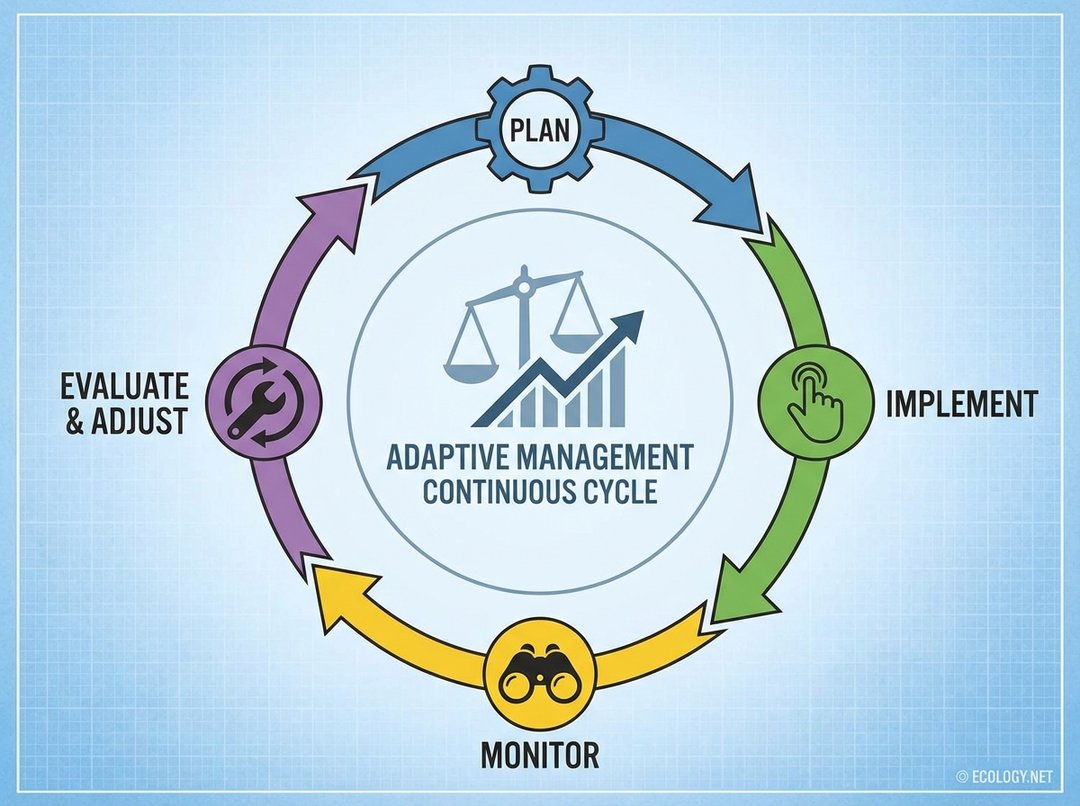
This iterative cycle of planning, implementing, monitoring, and adjusting ensures that management strategies remain relevant and effective in the face of changing environmental conditions and new scientific understanding.
4. Stakeholder Participation: Inclusive Decisions
Natural resources are often shared assets, and their management impacts diverse groups of people: local communities, indigenous populations, industries, conservationists, and governments. Involving all relevant stakeholders in decision-making processes leads to more equitable, effective, and lasting solutions.
Practical Applications: Managing Resources in the Real World
Natural resource management manifests in countless ways across various sectors:
Forest Management: More Than Just Timber
Sustainable forest management goes beyond simply cutting trees. It involves managing forests for a multitude of benefits, including timber production, wildlife habitat, water quality protection, carbon sequestration, and recreation. Techniques include selective logging, reforestation, fire management, and protecting old-growth areas to maintain biodiversity.
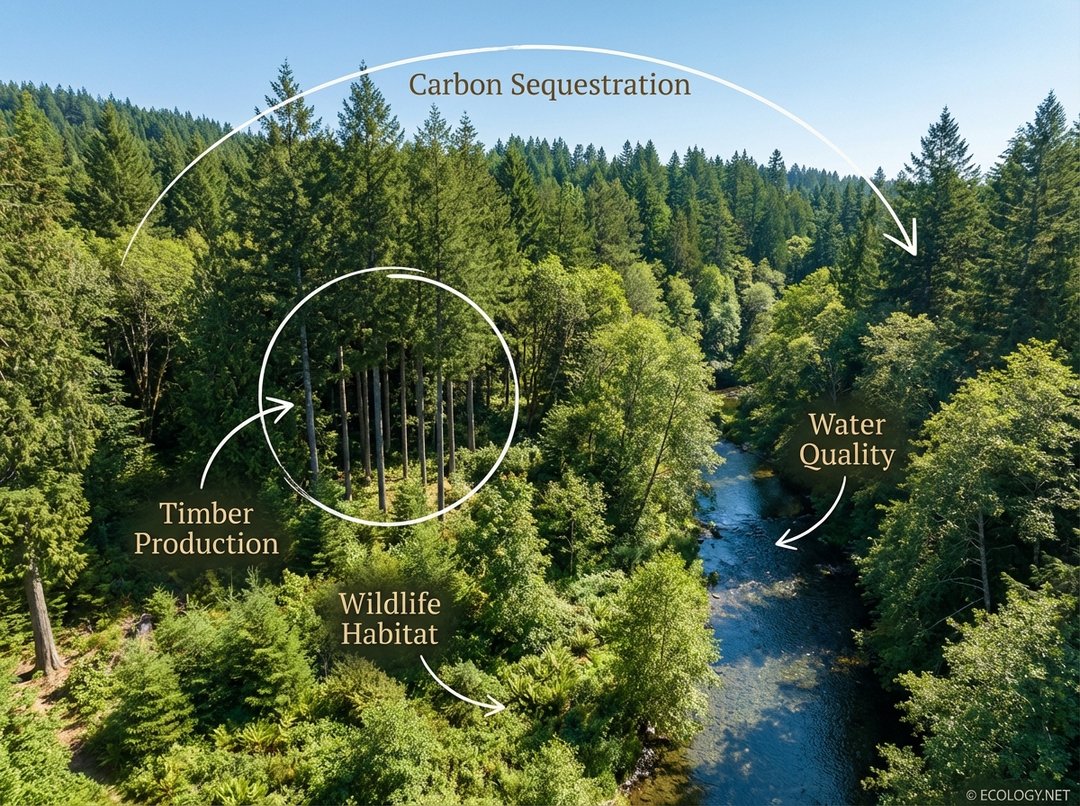
For instance, a forest might be managed to provide a steady supply of wood for construction while simultaneously preserving critical nesting sites for endangered birds and ensuring the forest acts as a natural filter for a nearby community’s drinking water supply.
Water Resource Management: A Precious Commodity
Managing water involves balancing the needs of agriculture, industry, urban populations, and ecosystems. This includes protecting watersheds, managing groundwater aquifers, building and maintaining infrastructure like dams and irrigation systems, promoting water conservation, and addressing pollution. Integrated water resource management (IWRM) seeks to coordinate the development and management of water, land, and related resources to maximize economic and social welfare without compromising the sustainability of vital ecosystems.
Fisheries Management: Sustaining Ocean Life
Overfishing has devastated many marine populations. Fisheries management employs strategies such as setting catch limits (quotas), regulating fishing gear, establishing marine protected areas, and enforcing fishing seasons to allow fish stocks to recover and reproduce. The goal is to ensure healthy fish populations for both ecological balance and long-term economic viability for fishing communities.
Land Use Planning: Shaping Our Landscapes
How we use land has profound impacts on natural resources. Land use planning involves zoning, conservation easements, and urban planning to minimize sprawl, protect agricultural land, preserve natural habitats, and ensure sustainable development. This often involves difficult trade-offs between economic development and environmental protection.
The Deeper Dive: Challenges and Future Directions
While the principles of natural resource management are clear, their application is often complex, fraught with challenges, and requires continuous innovation.
Navigating Climate Change
Climate change introduces a new layer of complexity. Shifting weather patterns, increased frequency of extreme events, sea-level rise, and ocean acidification directly impact resource availability and ecosystem health. Management strategies must now incorporate climate resilience, adaptation, and mitigation efforts, such as promoting carbon sequestration in forests and soils, and developing drought-resistant crops.
Policy, Governance, and Economics
Effective natural resource management relies heavily on robust policies, strong governance, and appropriate economic incentives. This includes clear property rights, regulations to prevent pollution and overexploitation, and economic instruments like carbon taxes or subsidies for sustainable practices. International cooperation is also vital for managing transboundary resources like shared rivers or migratory species.
Technological Advancements
Technology plays an increasingly important role. Remote sensing via satellites provides data on deforestation and water levels. Geographic Information Systems (GIS) help map and analyze resource distribution. Advanced modeling predicts future impacts. Biotechnology offers solutions for bioremediation and sustainable agriculture. These tools enhance our ability to monitor, understand, and manage resources more effectively.
The Role of Indigenous Knowledge
Increasingly, natural resource management recognizes the invaluable insights of indigenous communities who have managed local ecosystems sustainably for generations. Integrating traditional ecological knowledge with modern scientific approaches often leads to more holistic and culturally appropriate conservation outcomes.
A Shared Responsibility
Natural resource management is not just the domain of scientists, policymakers, or land managers. It is a collective responsibility that touches every individual and every sector of society. From the choices consumers make about products they buy, to the policies governments enact, to the innovations businesses develop, every action contributes to the larger picture of how we interact with our planet’s finite resources.
Understanding the principles and practices of natural resource management empowers individuals and communities to make informed decisions that support a healthier planet and a more sustainable future. It is about recognizing that our well-being is inextricably linked to the health of the natural world, and that wise stewardship today ensures prosperity for generations to come.