
Imagine a world without life. A barren rock, devoid of the vibrant greens of forests, the shimmering blues of oceans teeming with microscopic organisms, or the golden hues of sun-drenched fields. What makes our planet so uniquely alive? At the very heart of this incredible vitality lies a fundamental ecological process: Gross Primary Productivity, or GPP.
GPP is the engine that powers nearly all life on Earth. It represents the total amount of solar energy that producers, primarily plants and algae, capture and convert into organic compounds through the miraculous process of photosynthesis. Think of it as the planet’s baseline energy income, the raw fuel generated before any expenses are paid.
What is Gross Primary Productivity (GPP)?
At its core, GPP is a measure of how much energy is initially fixed by photosynthetic organisms. These organisms, known as autotrophs, are the unsung heroes of our ecosystems. They take simple inorganic substances, like carbon dioxide and water, and with the power of sunlight, transform them into complex organic molecules such as glucose. This glucose is the fundamental building block for all life, providing both energy and structural material.
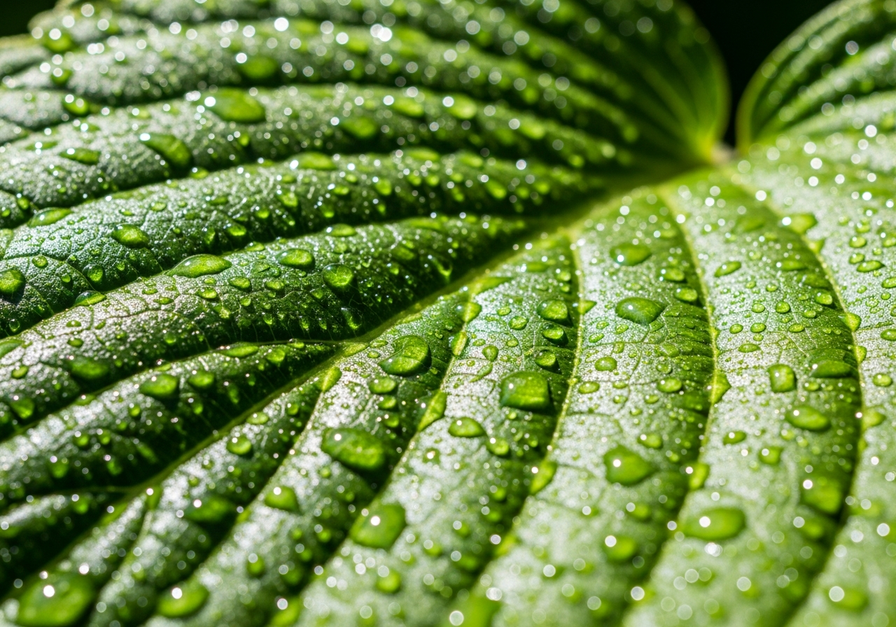
The image above, a close-up of a fresh green leaf bathed in sunlight, perfectly encapsulates the essence of GPP. It shows how plants directly capture solar energy in the photosynthetic process, the core mechanism behind gross primary productivity. Each dew droplet reflects the light, emphasizing the vital role of solar energy in this conversion.
Without this initial energy capture, the intricate web of life as we know it simply would not exist. Every bite of food, every breath of oxygen, every living cell ultimately traces its energy back to this primary production.
The Engine of Ecosystems: Why GPP Matters
GPP is not just an abstract scientific concept; it is the very foundation upon which all ecosystems are built. It dictates the amount of energy available to support every other organism in an ecosystem, from the smallest insect to the largest whale. Here is why it is so critical:
- Energy Flow: GPP is the entry point of energy into an ecosystem. This energy then flows through various trophic levels, from producers to primary consumers (herbivores), then to secondary consumers (carnivores), and so on. A higher GPP means more energy is available to sustain a larger and more diverse community of organisms.
- Carbon Sequestration: During photosynthesis, plants absorb carbon dioxide from the atmosphere. This process locks carbon into organic matter, playing a crucial role in regulating Earth’s climate. GPP is therefore a key component of the global carbon cycle.
- Oxygen Production: As a byproduct of photosynthesis, oxygen is released into the atmosphere. This oxygen is essential for the respiration of most living organisms, including humans.
- Biomass Production: The organic matter produced through GPP forms the biomass of an ecosystem. This biomass includes everything from the leaves of a tree to the body of a phytoplankton, providing habitat and resources.
Factors Influencing GPP
The rate at which GPP occurs is not constant across the globe. It is influenced by a complex interplay of environmental factors:
Light Availability
Sunlight is the primary energy source for photosynthesis. The intensity, duration, and quality of light directly impact GPP. Areas with abundant sunlight, like tropical regions, generally exhibit higher GPP compared to polar regions or deep ocean environments where light is scarce.
Water Availability
Water is a crucial reactant in photosynthesis and is essential for plant survival. Deserts, despite ample sunlight, have low GPP due to extreme water scarcity. Conversely, rainforests thrive with high GPP thanks to consistent rainfall.
Nutrient Availability
Plants require various nutrients, such as nitrogen, phosphorus, and potassium, to build their tissues and carry out metabolic processes. Soils rich in these nutrients support higher GPP. In aquatic environments, nutrient upwelling can trigger massive phytoplankton blooms.
Temperature
Enzymes involved in photosynthesis operate optimally within specific temperature ranges. Extremely high or low temperatures can inhibit photosynthetic rates, thus reducing GPP.
Carbon Dioxide Concentration
Carbon dioxide is another key reactant in photosynthesis. While atmospheric CO2 levels are generally sufficient, localized variations or future increases could influence GPP, though other limiting factors often play a more dominant role.
Global Patterns of GPP
The distribution of GPP across the Earth is highly uneven, reflecting the varying environmental conditions. We can observe stark contrasts between different biomes:
Terrestrial Ecosystems
Tropical rainforests are the undisputed champions of terrestrial GPP. Their combination of abundant sunlight, high temperatures, and consistent rainfall creates ideal conditions for year-round photosynthesis. Deserts, on the other hand, exhibit extremely low GPP due to severe water limitations.

This split-screen image dramatically illustrates the contrast in GPP between highly productive ecosystems, like the dense tropical rainforest on the left, and low-productivity ones, such as the arid desert plain on the right. This visual reinforces the article’s discussion of global patterns and the environmental factors that drive them.
Temperate forests and grasslands also contribute significantly, especially during their growing seasons, while tundras and boreal forests have lower GPP due to cold temperatures and shorter growing periods.
Aquatic Ecosystems
Oceans, despite covering most of the Earth’s surface, have varying GPP. The open ocean, often nutrient-poor, can have surprisingly low GPP. However, coastal areas and regions of oceanic upwelling, where nutrient-rich waters rise to the surface, can experience massive phytoplankton blooms, leading to very high GPP.
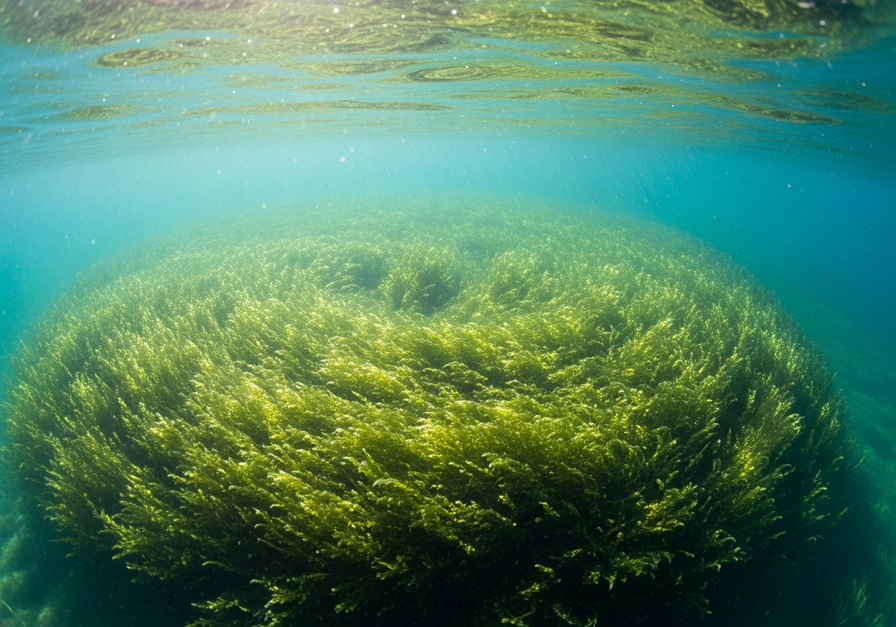
The photograph of a coastal phytoplankton bloom depicts the photosynthetic activity of aquatic ecosystems, highlighting GPP contributions from these microscopic organisms. These blooms are vital for marine food webs and global carbon cycling.
Freshwater ecosystems like lakes and rivers also contribute, with their GPP often influenced by nutrient runoff from surrounding land.
GPP versus Net Primary Productivity (NPP)
While GPP represents the total energy captured, not all of this energy is available to other organisms. Plants, like all living things, need energy to survive, grow, and maintain their own cells. They use a portion of the captured energy for their own metabolic processes through respiration.
This brings us to a crucial distinction: Net Primary Productivity (NPP).
Gross Primary Productivity (GPP) = Total energy fixed by photosynthesis.
Net Primary Productivity (NPP) = GPP – Energy lost through plant respiration.
NPP is the amount of energy that remains after plants have met their own energetic needs. It is this net amount of energy that is available for growth, reproduction, and consumption by herbivores and other trophic levels. Therefore, NPP is a more direct measure of the energy available to support the rest of the ecosystem.
Understanding the difference between GPP and NPP is vital for ecologists. GPP tells us the raw potential of an ecosystem to produce biomass, while NPP tells us the actual amount of biomass that can be sustained and passed on.
The Importance of GPP in a Changing World
In an era of rapid environmental change, understanding GPP has never been more critical. Climate change, deforestation, pollution, and habitat loss all have the potential to impact GPP rates globally. Reductions in GPP could have cascading effects throughout ecosystems, leading to:
- Decreased food availability for herbivores and, consequently, for carnivores.
- Reduced capacity for carbon sequestration, potentially exacerbating climate change.
- Loss of biodiversity as ecosystems struggle to support their resident species.
Scientists use various methods, including satellite imagery and ground-based measurements, to monitor GPP across the planet. These efforts help us understand how ecosystems are responding to environmental pressures and inform conservation strategies.
Conclusion
Gross Primary Productivity is far more than just an ecological term; it is the fundamental process that underpins the very existence of life on Earth. From the microscopic phytoplankton in the ocean to the towering trees of a rainforest, the capture of solar energy by photosynthetic organisms sets in motion the intricate dance of energy flow that sustains every living thing. By appreciating the power of GPP, we gain a deeper understanding of our planet’s life support systems and the critical importance of protecting the natural processes that keep our world vibrant and alive.