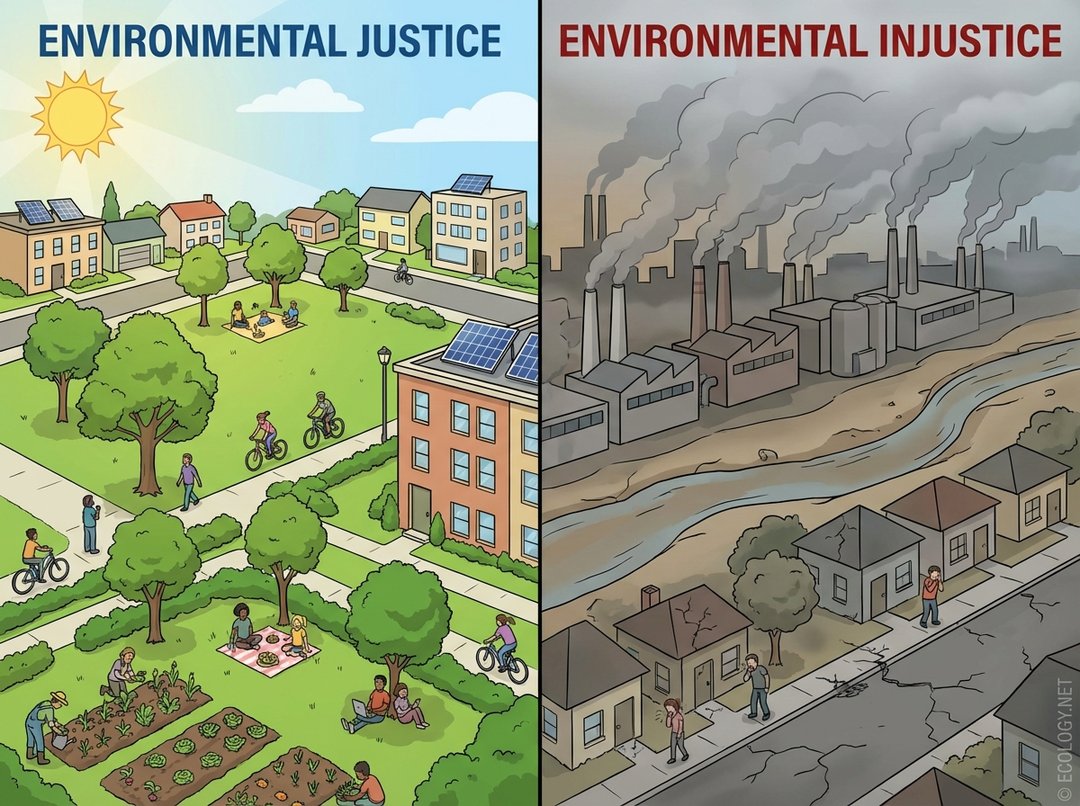
Imagine two neighborhoods. In one, children play in lush parks, the air is clean, and fresh produce is readily available from community gardens. In the other, factories loom, the air hangs heavy with the scent of chemicals, and chronic illnesses are alarmingly common. This stark contrast is not merely a matter of chance or economic status; it often represents a profound imbalance in how environmental benefits and burdens are distributed, a concept at the heart of what we call Environmental Justice.
What is Environmental Justice? Unpacking the Core Idea
Environmental Justice is a powerful concept that asserts everyone, regardless of race, color, national origin, or income, has the right to live in a healthy environment. It demands fair treatment and meaningful involvement of all people in the development, implementation, and enforcement of environmental laws, regulations, and policies. Essentially, it seeks to eliminate situations where certain communities disproportionately bear the brunt of environmental pollution and hazards, while others enjoy cleaner, healthier surroundings.
This isn’t just about cleaning up pollution; it’s about preventing it in the first place and ensuring that the decision-making processes that shape our environment are equitable and inclusive. It recognizes that environmental issues are deeply intertwined with social, economic, and political factors.
The Historical Roots of a Movement
While the term “Environmental Justice” gained prominence in the 1980s, its roots stretch much deeper, intertwining with the Civil Rights Movement. Communities of color and low-income populations have historically been at the forefront of fighting for their right to a healthy environment, often facing systemic discrimination that led to the placement of polluting industries, waste dumps, and hazardous facilities in their neighborhoods. The landmark 1982 protest against a toxic waste landfill in Warren County, North Carolina, a predominantly African American community, is widely considered the spark that ignited the modern environmental justice movement, bringing national attention to the disproportionate burden faced by marginalized groups.
The Unequal Burden: Why Environmental Injustice Persists
The existence of environmental injustice is not accidental. It is often the result of a complex interplay of factors:
- Systemic Racism and Discrimination: Historically, zoning laws and urban planning decisions have often steered polluting industries towards communities of color and low-income areas, perpetuating a cycle of environmental degradation.
- Economic Disparities: Communities with less economic power often lack the resources to fight against the siting of undesirable facilities or to advocate for stronger environmental protections. Property values in these areas may also be lower, making them attractive targets for industries seeking cheap land.
- Political Disempowerment: Marginalized communities frequently have less political representation and influence, making it difficult for their voices to be heard in policy-making and regulatory processes.
- Lack of Information and Transparency: Residents in affected areas may not be adequately informed about potential environmental risks or involved in decisions that directly impact their health and well-being.
Pollution as an Ecological Disturbance: A Disproportionate Impact
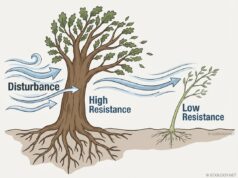
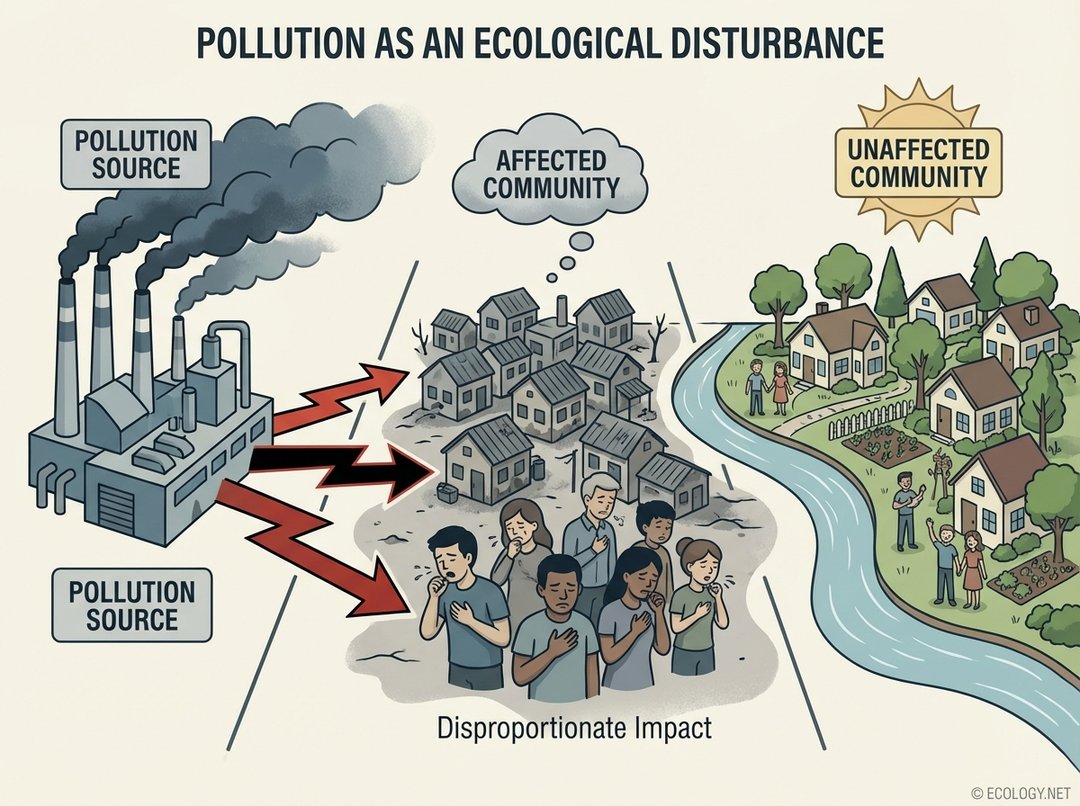
From an ecological perspective, pollution is a significant disturbance that can alter ecosystems, reduce biodiversity, and disrupt natural processes. When a factory releases pollutants into the air or water, it introduces foreign substances that can harm flora, fauna, and the delicate balance of an ecosystem. This ecological disturbance, however, is rarely distributed evenly across the landscape or human populations.
Consider the concept of a “pollution plume.” Just as a plume of smoke drifts in a particular direction, carrying its contaminants, the impacts of pollution often follow predictable patterns, heavily affecting communities situated closest to the source. These communities, frequently those experiencing environmental injustice, become ecological sacrifice zones where the health of both the environment and its human inhabitants is severely compromised.
The ecological consequences are profound: contaminated soil renders land infertile or unsafe for agriculture, polluted water sources threaten aquatic life and human consumption, and airborne toxins contribute to respiratory illnesses and other chronic health conditions. The biodiversity in these areas often declines, as sensitive species cannot tolerate the altered conditions. This unequal distribution of ecological disturbance is a central tenet of environmental injustice.
Real-World Echoes of Injustice
The stories of environmental injustice are numerous and compelling:
- Cancer Alley, Louisiana: A notorious 85-mile stretch along the Mississippi River, dotted with petrochemical plants, where residents, predominantly African American, face significantly higher rates of cancer and other illnesses. The air quality is consistently poor, and the cumulative impact of multiple industrial facilities creates a toxic environment.
- The Flint Water Crisis, Michigan: In 2014, the city of Flint, a majority-Black and low-income community, switched its water source to the Flint River without proper treatment, leading to lead contamination and a public health emergency. This crisis highlighted how systemic neglect and economic decisions can directly lead to environmental injustice.
- Indigenous Communities and Resource Extraction: Across the globe, Indigenous peoples often find their ancestral lands targeted for mining, oil and gas drilling, and other extractive industries. These activities not only destroy sacred sites and traditional ways of life but also introduce severe pollution, contaminating water, air, and soil, directly impacting the health and cultural survival of these communities.
Pillars of Environmental Justice: Guiding Principles
The movement for environmental justice is built upon several foundational principles:
- Fair Treatment: This means no group of people should bear a disproportionate share of the negative environmental consequences resulting from industrial, governmental, and commercial operations or policies.
- Meaningful Involvement: All people, especially those directly affected, must have the opportunity to participate in decisions about activities that may affect their environment and health. Their concerns must be considered and incorporated into the decision-making process.
- Equitable Distribution: Environmental benefits, such as access to green spaces, clean air, and healthy food, should be equally accessible to all communities, not just privileged ones.
- Recognition: The diverse cultures, histories, and experiences of all communities must be acknowledged and respected in environmental policy and practice. This includes recognizing the unique vulnerabilities and traditional ecological knowledge of different groups.
Forging a Path Forward: Towards a Just and Sustainable Future
Achieving environmental justice requires a multi-faceted approach, involving policy changes, community empowerment, and a fundamental shift in how we value both human health and ecological integrity.
- Policy and Regulation: Stronger environmental regulations, coupled with rigorous enforcement, are crucial. This includes cumulative impact assessments, which consider the combined effects of multiple pollution sources on a community, rather than evaluating each source in isolation.
- Community Empowerment: Supporting and funding grassroots organizations allows affected communities to advocate for themselves, conduct their own research, and participate effectively in environmental decision-making.
- Sustainable Development: Promoting green technologies, renewable energy, and sustainable land use practices can reduce overall pollution and minimize the need for hazardous industries in any community.
- Intersectional Approaches: Recognizing that environmental justice is intertwined with racial justice, economic justice, and social justice allows for more holistic and effective solutions.
- Education and Awareness: Raising public awareness about environmental injustice is vital to building a broader movement for change and holding corporations and governments accountable.
The pursuit of environmental justice is not merely an ethical imperative; it is a practical necessity for creating a truly sustainable world. When some communities are sacrificed for the economic benefit of others, the entire ecological and social fabric is weakened. By striving for environmental justice, we move closer to a future where all people can thrive in healthy, vibrant environments, and where the delicate balance of our planet is respected and protected for generations to come.