Imagine a world where every breath of fresh air, every drop of clean water, and every bite of food came with a hefty price tag, not just in currency, but in the sheer effort and technology required to produce it. Fortunately, our planet offers these essentials freely, performing countless vital tasks that underpin human well being and survival. These invaluable contributions from the natural world are known as ecosystem services.
Ecosystem services are the direct and indirect benefits that humans receive from ecosystems. They are the life support systems of our planet, working tirelessly and often invisibly to sustain us. From the smallest microbe in the soil to the vast expanse of an ocean, every part of nature plays a role in delivering these critical services.
What Are Ecosystem Services?
At its core, an ecosystem service is any positive benefit that wildlife or ecosystems provide to people. These services are fundamental to our existence, providing everything from the oxygen we breathe to the aesthetic beauty that inspires us. Without these natural processes, human societies would struggle to thrive, facing immense challenges in areas like food production, disease control, and climate stability.
Think of it this way: nature is a colossal, self regulating factory. It purifies water, generates oxygen, pollinates crops, and recycles waste, all without human intervention or a bill. Understanding and valuing these services is crucial for making informed decisions about how we interact with our environment.
The Four Pillars of Nature’s Economy
Ecosystem services are typically categorized into four main types, each playing a distinct yet interconnected role in supporting life on Earth.
Provisioning Services: Nature’s Pantry
These are the most tangible benefits that ecosystems provide, the “products” we extract directly from nature. They are the resources that sustain our bodies and fuel our economies.
- Food: This includes everything from fish caught in oceans and rivers, to fruits and vegetables grown in fertile soils, to meat from grazing animals. Natural ecosystems provide the foundation for agriculture and fisheries.
- Fresh Water: Forests, wetlands, and watersheds act as natural filters and reservoirs, providing clean drinking water for communities.
- Raw Materials: Timber for construction, fibers for clothing (like cotton or wool), and medicinal plants are all examples of provisioning services.
- Genetic Resources: The vast biodiversity of the planet offers a library of genetic material crucial for developing new crops, medicines, and industrial products.
Regulating Services: Keeping the World in Balance
Regulating services are the benefits obtained from the regulation of ecosystem processes. These services maintain environmental quality and stability, making the planet habitable.
- Climate Regulation: Ecosystems play a critical role in regulating global and local climates. Forests, for instance, absorb vast amounts of carbon dioxide, a major greenhouse gas, helping to mitigate climate change.
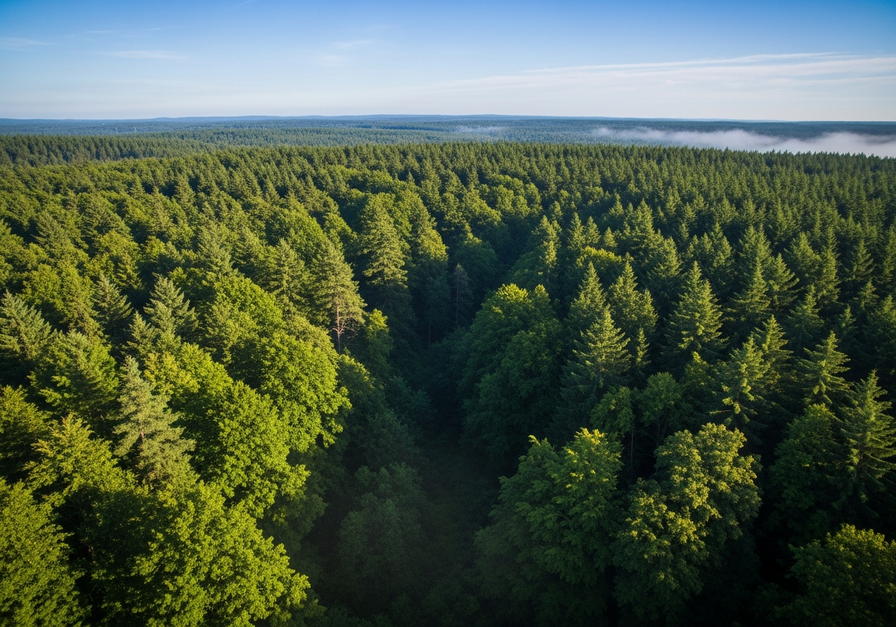
This image visually anchors the article’s discussion of forests as key providers of regulating ecosystem services—specifically climate regulation and carbon sequestration—highlighting the natural scale and beauty of these vital systems.
- Water Purification and Waste Treatment: Wetlands and riparian zones naturally filter pollutants from water, improving its quality before it reaches our rivers and oceans. Microorganisms in soil and water break down waste, preventing its accumulation.
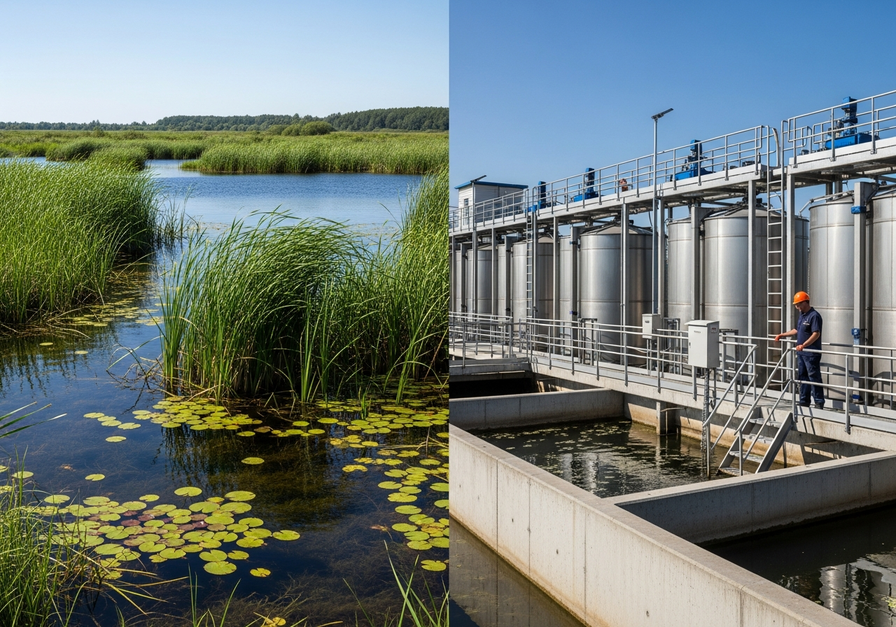
This contrast illustrates the regulating services of wetlands—namely water purification—while implicitly comparing it to human built alternatives, reinforcing the article’s point about the cost effectiveness and ecological value of natural systems.
- Pollination: Insects, birds, and bats pollinate a significant portion of the world’s food crops, a service vital for agriculture and food security.
- Disease and Pest Control: Healthy ecosystems can regulate populations of disease carrying organisms and agricultural pests, reducing the need for chemical interventions. For example, bats and birds consume vast quantities of insects that could otherwise damage crops or spread diseases.
- Erosion Control and Natural Hazard Regulation: Mangrove forests protect coastlines from storm surges, while tree roots stabilize soil, preventing erosion and landslides.
Supporting Services: The Foundation of Life
These services are fundamental to the existence of all other ecosystem services. They are the processes that create and maintain the conditions for life on Earth, often operating over very long timescales.
- Nutrient Cycling: The continuous movement of essential nutrients like nitrogen, phosphorus, and carbon through ecosystems is crucial for plant growth and overall ecosystem health. Decomposers, such as bacteria and fungi, play a vital role in recycling these nutrients.
- Soil Formation: The slow, complex process of soil creation from rocks and organic matter is essential for agriculture and terrestrial ecosystems. Healthy soil is a living ecosystem in itself.
- Primary Production: Through photosynthesis, plants convert sunlight into energy, forming the base of almost all food webs. This process generates the biomass that sustains all other life forms.
- Habitat Provision: Ecosystems provide habitats for all living organisms, maintaining biodiversity and genetic diversity.
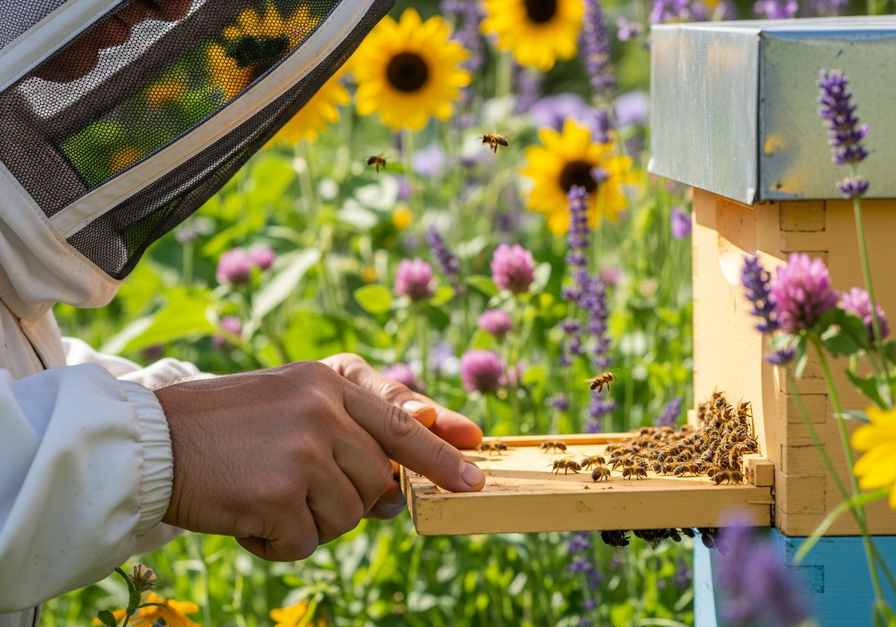
This photograph exemplifies the provisioning and supporting ecosystem services of pollination, directly tying to the article’s explanation of how bees contribute to food security and the broader economic value of ecosystem services.
Cultural Services: Enriching Our Lives
Cultural services are the non material benefits people obtain from ecosystems. These services contribute to our mental and physical well being, our sense of identity, and our spiritual lives.
- Recreation and Ecotourism: Natural landscapes offer opportunities for hiking, birdwatching, fishing, and other outdoor activities, contributing to physical health and mental relaxation.
- Aesthetic Value: The beauty of natural landscapes, from majestic mountains to serene coastlines, inspires art, photography, and a general appreciation for nature.
- Spiritual and Religious Values: Many cultures and religions hold certain natural sites or species as sacred, deriving spiritual solace and meaning from them.
- Educational and Scientific Opportunities: Ecosystems serve as living laboratories for scientific research and educational purposes, helping us understand the natural world and our place within it.
- Sense of Place and Cultural Heritage: Natural environments often shape local cultures, traditions, and a community’s sense of identity.
Valuing the Priceless: Why Ecosystem Services Matter
While many ecosystem services are not traded in markets, their economic value is immense. If humans had to replicate these services using technology, the cost would be astronomical, if even possible. For example, the cost of building and maintaining artificial water purification plants far exceeds the “free” service provided by a healthy wetland. Similarly, the economic contribution of insect pollination to global agriculture is estimated to be in the hundreds of billions of dollars annually.
Beyond monetary value, ecosystem services hold intrinsic value. The sheer existence of diverse species and healthy ecosystems enriches our world in ways that cannot be quantified. Recognizing both the economic and intrinsic value of these services is crucial for sustainable development and conservation efforts.
Protecting Our Natural Capital
Despite their critical importance, ecosystem services are under increasing threat from human activities such as deforestation, pollution, habitat destruction, and climate change. When ecosystems are degraded, their ability to provide these services diminishes, leading to consequences like water scarcity, reduced crop yields, increased natural disasters, and loss of biodiversity.
Conservation efforts, sustainable land management practices, and policies that integrate the value of ecosystem services into decision making are essential. Investing in the health of our ecosystems is not just an environmental issue; it is an investment in human well being, economic stability, and a sustainable future.
Conclusion: A Call to Stewardship
Ecosystem services are the silent architects of our world, providing the fundamental building blocks for life and society. From the air we breathe to the food we eat, nature’s generosity is boundless. Understanding these services helps us appreciate the intricate web of life and our profound dependence on it.
As inhabitants of this planet, we have a collective responsibility to be stewards of these invaluable natural assets. By protecting and restoring ecosystems, we ensure the continued provision of these essential services, safeguarding a healthy and prosperous future for all.